
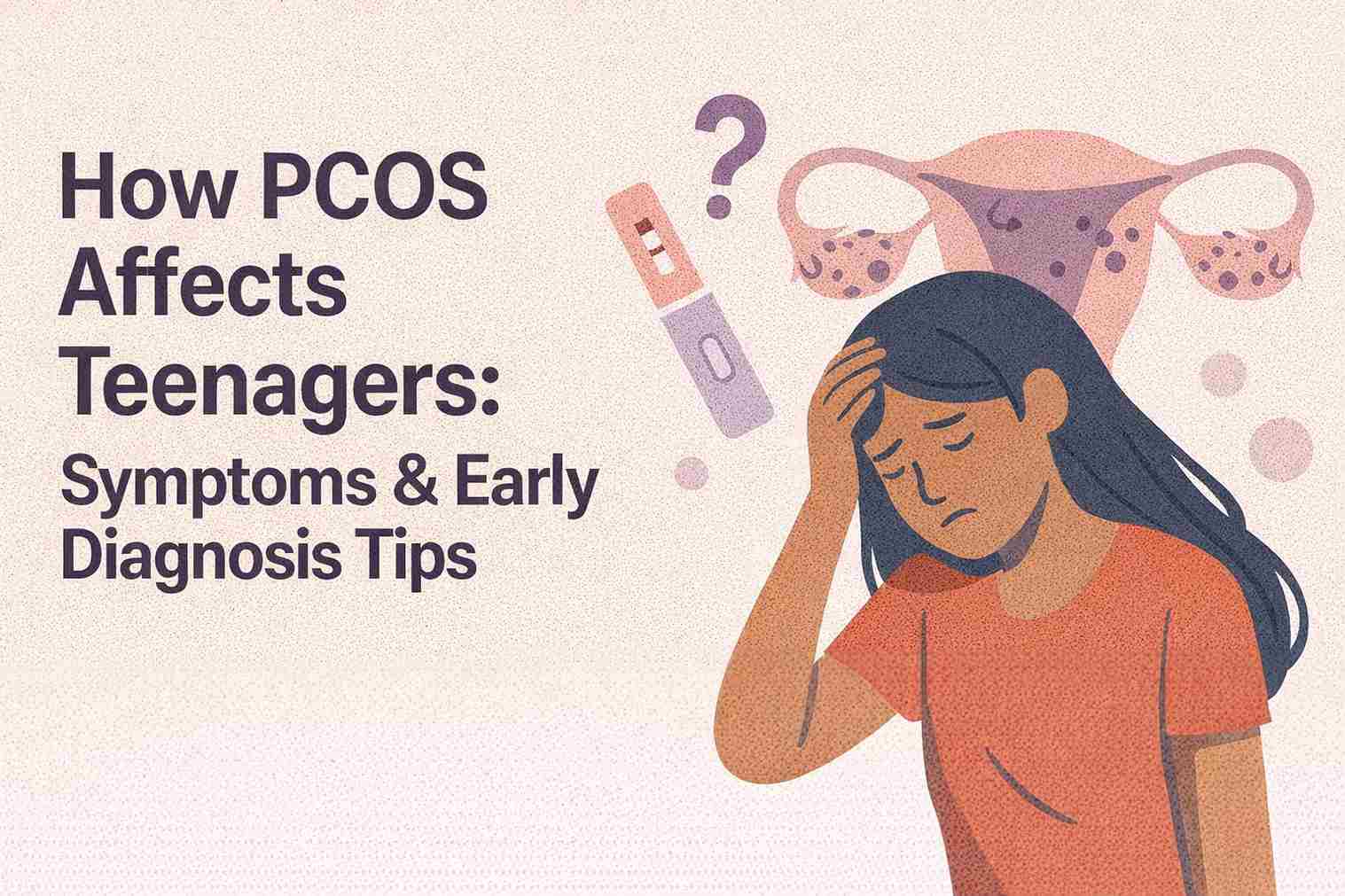
When a family visits a PCOS doctor in South Delhi because their teenager has been struggling with irregular cycles or sudden physical changes, one of the first things they learn is that Polycystic Ovary Syndrome (PCOS) often begins much earlier than most people realize. While PCOS is commonly discussed in relation to adult women, many girls start experiencing symptoms quietly during their teenage years—sometimes without even knowing something is wrong.
Why PCOS in Teens Is Often Overlooked?
Teenage bodies are naturally going through massive hormonal shifts, so it’s easy for symptoms of PCOS to blend in with what many assume is “normal puberty.” Irregular periods, acne, mood swings, or weight changes are usually dismissed as temporary teenage issues. But when these symptoms become persistent or unusually intense, they may indicate early signs of PCOS.
Early diagnosis plays a huge role in helping teens manage symptoms and avoid long-term complications like insulin resistance, fertility problems, or emotional stress. That’s why awareness—both for teens and their families—is incredibly important.
Common Symptoms of PCOS in Teenagers
1. Irregular or Missed Periods
The most common sign is a menstrual cycle that never settles into a pattern. While it’s normal for teens to have slightly irregular periods at first, going months without a cycle or experiencing extremely heavy bleeding can signal PCOS.
2. Persistent Acne
Acne that doesn’t respond to regular skincare or gets worse over time may be linked to excess androgens—hormones that are often elevated in girls with PCOS.
3. Excess Facial or Body Hair
Hair growth on the chin, upper lip, chest, or stomach can be especially distressing for teenagers. This is one of the symptoms that most clearly points toward hormonal imbalance.
4. Sudden or Unexplained Weight Gain
Some teens with PCOS struggle with weight even if they’re eating normally or staying active. Insulin resistance is a common factor.
5. Hair Thinning on the Scalp
Another sign that many girls don’t associate with PCOS is hair loss or thinning, especially around the crown area.
6. Mood Changes
Teenagers may experience heightened anxiety, low mood, or frustration due to hormonal fluctuations and body-image concerns caused by PCOS symptoms.
How Early Diagnosis Helps Teens?
The earlier PCOS is identified, the easier it is to manage. A timely diagnosis helps:
- Regulate menstrual cycles
- Reduce acne and excess hair
- Manage weight more effectively
- Improve mood and emotional stability
- Prevent long-term metabolic issues
Doctors usually recommend a combination of lifestyle changes, supportive therapy, and sometimes medication to balance hormones. Teens who receive early guidance often see significant improvements over time.
What Parents Should Look Out For?
Parents should pay attention to patterns rather than isolated incidents. If a teen is constantly struggling with irregular cycles, unusual hair growth, emotional distress, or stubborn acne, it’s worth seeking professional advice. Open, gentle communication is key—many teens feel embarrassed discussing these topics unless approached with understanding.
Final Thoughts
PCOS can feel confusing and overwhelming for teenagers, but early support makes a world of difference. With proper guidance, lifestyle adjustments, and medical care, teens can manage symptoms effectively and lead healthy, confident lives. If you suspect PCOS or want a trusted opinion, consulting an experienced gynecologist in Greater Kailash can provide clarity, reassurance, and the right direction forward.