
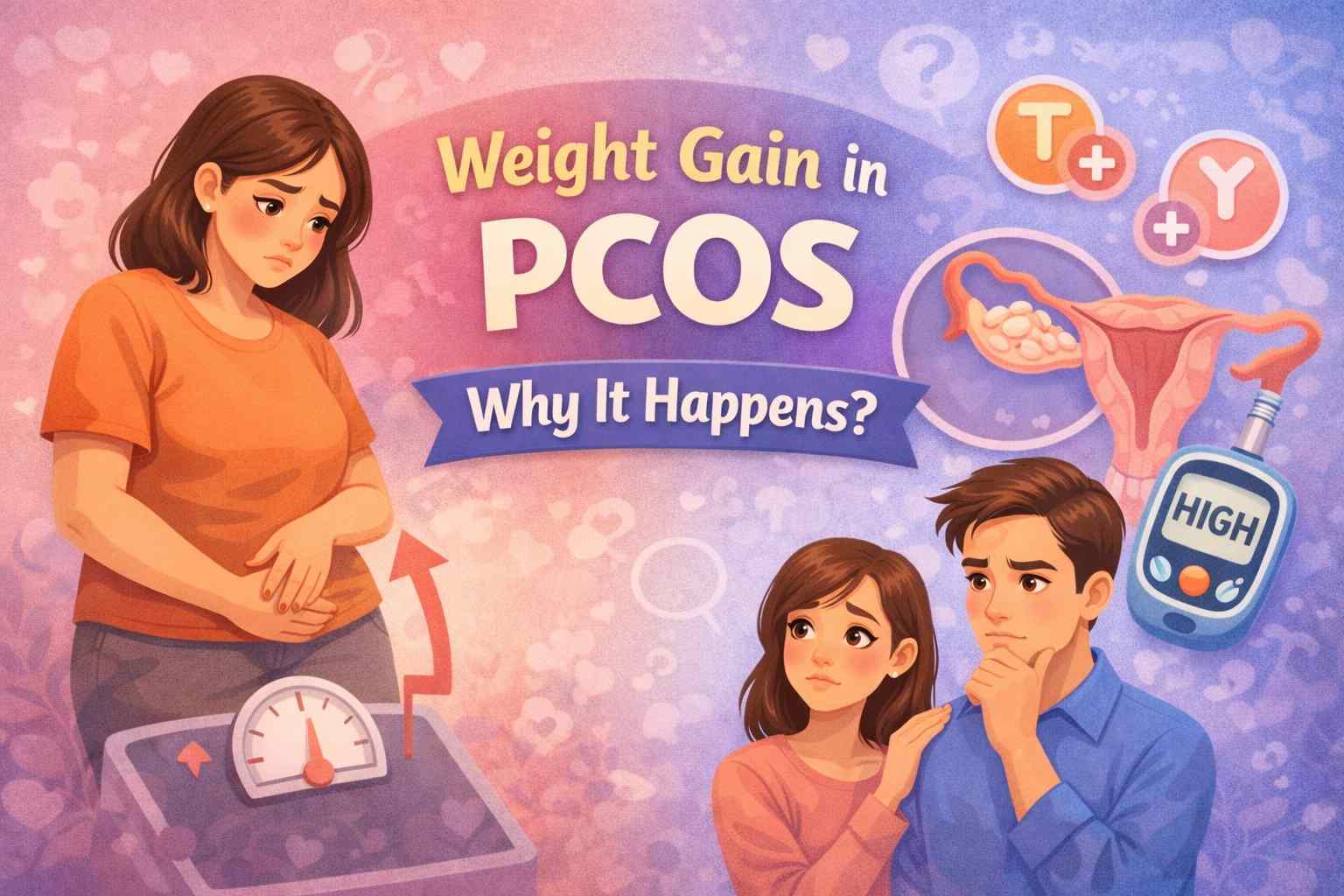
If you’re searching for a good gynecologist in South Delhi because unexplained weight gain has become a constant struggle, Polycystic Ovary Syndrome (PCOS) could be an underlying reason. PCOS is one of the most common hormonal disorders affecting women of reproductive age, and weight gain is often one of its most frustrating symptoms. Knowing why this happens is the first step to ensure its effective management.
The Hormonal Imbalance Behind PCOS
PCOS primarily affects how a woman’s hormones function. One of the key issues is an increase in androgens, commonly known as “male hormones.” Elevated androgen levels can slow down metabolism, promote fat storage (especially around the abdomen), and make weight loss harder than usual. Even with a healthy diet and regular exercise, many women with PCOS find the scale refusing to budge.
Insulin Resistance: A Major Contributor
Another major reason for weight gain in PCOS is insulin resistance. Insulin helps the body use glucose for energy, but in many women with PCOS, the body doesn’t respond properly to insulin. As a result, insulin levels rise, encouraging the body to store excess glucose as fat. This creates a cycle where weight gain worsens insulin resistance, and insulin resistance further promotes weight gain.
Slower Metabolism and Fat Distribution
PCOS doesn’t just cause weight gain—it also affects where the weight shows up. Many women notice increased fat around the waist and lower abdomen. This central weight gain is linked to hormonal imbalances and is often associated with fatigue, cravings, and low energy levels, making lifestyle changes even more challenging.
At this stage, professional guidance becomes essential. Seeking timely PCOS treatment in South Delhi can help address hormonal imbalance, improve insulin sensitivity, and create a personalized plan that includes medical support, nutrition, and lifestyle changes rather than relying on crash diets or guesswork.
Emotional Stress and Lifestyle Factors
Weight gain in PCOS is not only physical—it’s emotional too. Stress, poor sleep, anxiety, and low self-esteem can worsen hormonal fluctuations. Emotional eating and irregular routines may unintentionally add to weight gain, making it important to approach PCOS management holistically rather than focusing only on calories.
Why Early Medical Support Matters?
Left unmanaged, PCOS-related weight gain can increase the risk of type 2 diabetes, infertility, and menstrual irregularities. Some women may also face unintended pregnancies or need reproductive guidance, making access to comprehensive women’s healthcare important. Clinics that provide integrated services—from hormonal care to reproductive counseling—play a vital role, whether one is seeking long-term PCOS management or services like a trusted abortion centre in Delhi as part of broader reproductive healthcare.
Final Thoughts
Weight gain in PCOS is not a personal failure—it’s a medical condition driven by complex hormonal and metabolic factors. With the right diagnosis, expert care, and sustainable lifestyle adjustments, it can be managed effectively. Consulting experienced specialists for PCOS treatment and overall women’s health—whether through a good gynecologist in South Delhi or a reliable abortion centre in Delhi—can help women regain control of their health and confidence.