After Abortion Care – What You Should Know

Abortion sometimes becomes necessary considering the overall health of the expecting mother. While on the other hand, in some cases, there are personal reasons. However, abortion is not as taboo as our society thinks. Well, we will talk about some reasons for abortion in another post, here, our focus is to discuss the care one needs after abortion. The first and most important thing you need to do is find the best abortion clinic in south Delhi.

Let us now see what you should do after undergoing an abortion.

Care You Need After Abortion

After undergoing an abortion, it is important to take care of yourself both physically and emotionally. Here are some of the aftercare guidelines:

Rest and take it easy

It is normal to feel tired and emotional after an abortion. Take some time off work and enough rest.

Follow your doctor’s instructions

Your doctor will provide you with specific instructions on how to care for yourself after the abortion. Follow these instructions given carefully.

Avoid strenuous activity

Avoid any strenuous physical activity for at least a week after the abortion, and avoid lifting heavy objects.

Avoid Intercourse

You should avoid having sex for at least two weeks after the abortion, or until your doctor gives you the green light. 

Watch for signs of complications

Call your doctor if you experience heavy bleeding, fever, or severe abdominal pain.

Take care of your emotional health

It is common to experience a range of emotions after an abortion, including sadness, guilt, and anxiety. Take care of your emotional health by talking to a trusted friend or family member, seeking counseling, or joining a support group.

Remember, every woman’s experience is different, and it is important to follow your doctor’s specific instructions for aftercare.

What Are the Common Side Effects After Abortion?

After an abortion, there can be a range of physical and emotional side effects. Some of the common physical side effects of abortion include:

Bleeding

Bleeding and cramping after an abortion is normal. The bleeding may be heavy and last for several days to several weeks.

Pain

You may experience abdominal pain and cramps after an abortion. Pain medication may be prescribed to relieve the painful symptoms.

Infection

There is a risk of infection after an abortion. Signs of infection include fever, chills, and abdominal pain.

Nausea and vomiting

Some women may experience nausea and vomiting after an abortion.

Fatigue

You may feel tired and weak after an abortion.

Changes in the menstrual cycle

It is common to experience changes in your menstrual cycle after an abortion.

Emotional side effects

Many women experience emotional side effects after an abortion, such as guilt, sadness, and anxiety.

It is important to follow the instructions of your healthcare provider after an abortion to minimize the risk of complications and manage any side effects that may occur. If you experience severe or persistent symptoms contact Dr. Ruchi Tandon. She owns the best abortion clinic in south Delhi.
A Quick Guide to Uterine Fibroids

A Quick Guide to Uterine Fibroids

Abnormal growths in or on the uterus are called fibroids. They are also interchangeably called uterine fibroids. They generally don’t show any symptoms and go away on their own. However, in certain cases, they become large enough to cause symptoms. In such situations, you need to find the best fibroids surgeon in South Delhi.

In this blog, we will have a quick look at uterine fibroids along with the symptoms and treatments.

What Are Fibroids?

Fibroids are non-cancerous growth (benign) on/in the uterus. They are also known as uterine fibroids, myomas, and fibromas. Studies have found that around 20-80% of women experience uterine fibroids. Most of them do not experience any severe symptoms and do not require any treatment as well.

What Are the Types of Fibroids?

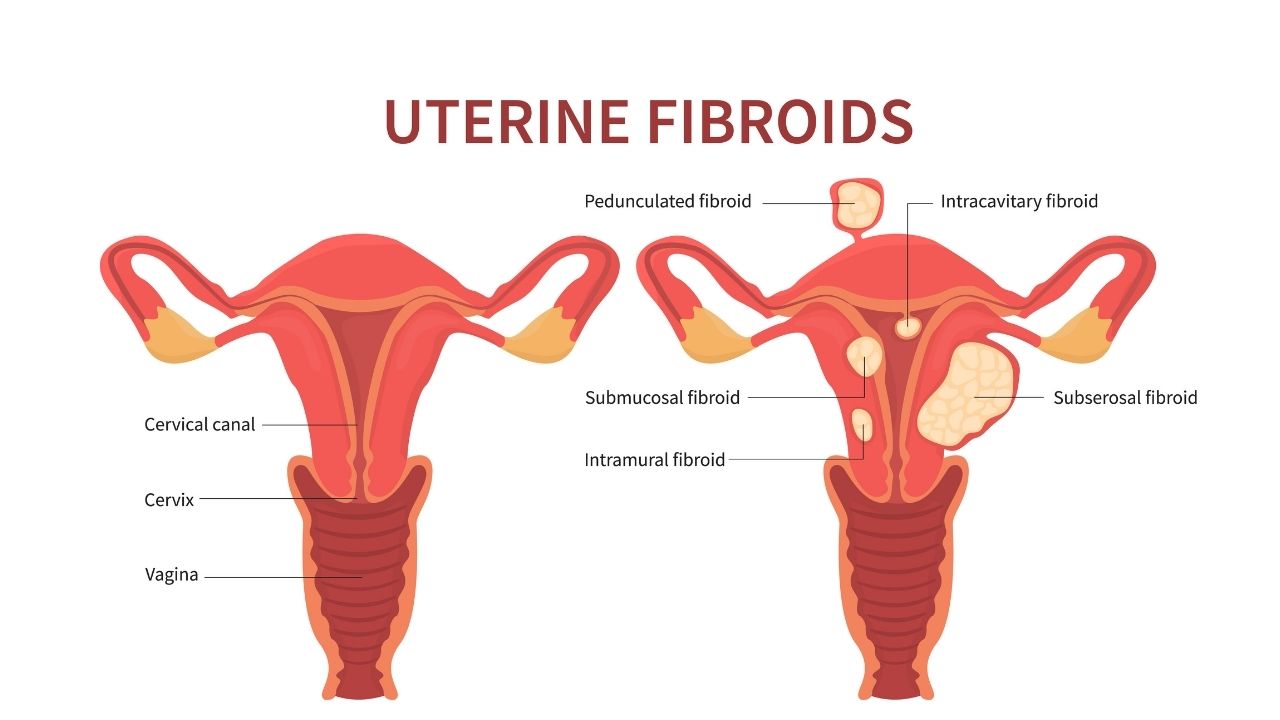
Fibroids are classifieds based on their location in/on the uterus:

Intramural Fibroids

These are the commonest types of fibroids that appear within the muscular wall of the uterus. They may grow large stretching the uterus.

Subserosal Fibroids

Fibroids that develop on the outside of the uterus (serosa) are called subserosal fibroids. These fibroids may also grow big making the uterus appear big from one side.

Pedunculated Fibroids

Sometimes, subserosal fibroids develop a stem supporting the tumor. Such fibroids are called pedunculated fibroids.

Submucosal Fibroids

Fibroids that develop in the myometrium (middle layer of the uterus) are called submucosal fibroids.

Cervical Fibroids

As the name suggests, these types of fibroids develop in the cervix.

What Are the Symptoms of Fibroids?

The location and size of uterine fibroids decide the type of symptoms they will show. If the woman has submucosal fibroids, she may experience heavy menstrual bleeding along with problems in conceiving.

Here are some of the common signs and symptoms associated with uterine fibroids:

  • Heavy bleeding that may occur between or during menstruation
  • Clots in menstrual bleeding
  • Menstruation that may last longer
  • Severe cramps during menstruation
  • Lower back pain
  • Pelvic pain
  • Painful intercourse
  • Abdominal swelling
  • Increased urination

What Causes Fibroids?

The cause of fibroids is still under research. However, there may be certain factors that influence their development:

Hormones

The production of estrogen and progesterone may result in the regeneration of the uterine lining during each menstrual cycle while stimulating the growth of fibroids.

Family history

If you have anyone (women) in the family with a history of fibroids, you are also likely to develop the same.

Age

Women above 30 are at high risk of developing fibroids.

Obesity

Fibroids risk becomes high in women with high body weight.

What is the Treatment for Fibroids?

The age of the patient and the size & location of the fibroid will decide the type of treatment required. In moderate cases, home remedies like exercise, yoga, & massage along with acupuncture and dietary changes can help improve the condition.

Medications may be prescribed to relieve painful symptoms and control hormonal levels. If fibroids develop bigger, surgery may be required to remove them. Minimally invasive surgery is preferred by surgeons these days. Sometimes, non-invasive procedures like forced ultrasound surgery may also remove fibroids.

If you are looking for the best fibroids surgeon in South Delhi, contact Dr. Ruchi Tandon.

Common Orthopedic Problems in Pregnancy

Common Orthopedic Problems in Pregnancy

A woman experiences a lot of physical and emotional changes during pregnancy. To cope with them, it is important to consult the Best Gynecologist in Greater Kailash.

If we talk about physical changes in women during pregnancy, then orthopedic problems are common, and this is what we will be discussing here in the post.

Orthopedic Issues During Pregnancy

Lower Back Pain

Back pain is among the commonest orthopedic issues that a pregnant woman experiences. This is often because of the extra body weight. As a result of the growth and development of the fetus, the expecting mother gains weight. This puts pressure on the back muscles. Sometimes, the pain is severe. In such situations, having a strong back is important. So, maintain a strong back by doing exercises under the guidance of a skilled and experienced physiotherapist.

Osteitis Pubis

Another orthopedic condition that women may experience during pregnancy is osteitis pubis. It is an inflammatory condition that affects pubis symphysis. Bones at the front of the pelvis are called the pubic symphysis. Inflammation at this junction occurs because of the added weight and the position of the developing fetus. Pain associated with the condition can improve with the application of ice and heat and non-steroidal anti-inflammatory drugs (NSAIDs).

Heel Pain

Added body weight during pregnancy also causes heel pain. However, heel pain may occur because of plantar fasciitis. This is a condition characterized by the inflammation of a thick band of tissue present at the bottom of the foot. This band is called the plantar fascia and it connects the heel bone to the toes. Stabbing pain is what one experiences because of the condition which occurs during pregnancy. It is intense in the morning and the latter stages of pregnancy.

The application of ice and the use of shoe inserts may help improve the condition. In severe cases, the healthcare service provider may give cortisone shots.

Transient Osteoporosis of the Hip

This often occurs during late-term pregnancy. Transient hip osteoporosis is characterized by temporary bone loss around the hip joint. This makes the hip joint weak. The reason for the same is unknown but hormonal changes are believed to cause the same. Besides this, weight-bearing stress also contributes to the condition.

Knee Pain

Knee pain is very common in pregnancy and the reason for the same is simple i.e., added weight of carrying the baby. This is why rest is advised during pregnancy as it helps cope with knee pain by relieving pressure. This is especially true in the later stages of pregnancy as the fetus grows heavy.

To manage these conditions timely and ensure a healthy & happy pregnancy, consult an experienced doctor. Dr. Ruchi Tandon is an experienced gynecologist in South Delhi and also provides the best fibroids treatment in Greater Kailash.