Can Women With PCOS Get Pregnant Naturally? Expert Insights

PCOS treatment in South Delhi

If you have Polycystic Ovary Syndrome (PCOS), the question “Can I get pregnant?” can feel like it’s hanging over everything. It’s a heavy weight, full of anxiety and uncertainty. You read conflicting things online, and it’s easy to feel discouraged. So let’s cut through the noise and get straight to it: Yes, absolutely. Getting pregnant naturally with PCOS is a very real possibility for many women. The journey might look a little different, but it’s far from a closed door. Effective PCOS treatment in South Delhi and beyond often starts with understanding that your body isn’t broken; it just plays by a different set of rules.

The Big Hurdle: Irregular Ovulation

So, what’s the actual problem? In simple terms, PCOS creates a hormonal imbalance that messes with ovulation—the monthly release of an egg. While some women have a cycle you could set a clock to, a woman with PCOS might have a completely unpredictable schedule. You might ovulate some months but not others, or have very long cycles. Getting pregnant naturally is a numbers game, and it’s hard to win when you don’t know when, or even if, an egg is being released. The key isn’t to “cure” the PCOS, but to manage the symptoms and encourage your body to ovulate more regularly.

Your Game Plan for Boosting Natural Fertility

This is where you can take back some control. For a huge number of women with PCOS, lifestyle changes can be powerful enough to kickstart ovulation.

Your Lifestyle is Your First Medicine

Think of food and movement as your first line of attack. Because many women with PCOS have some level of insulin resistance (meaning the body doesn’t handle sugar well), focusing on a balanced diet can work wonders. This doesn’t mean a crazy restrictive diet. It means focusing on whole foods, lean proteins, healthy fats, and lots of fiber. Cutting back on processed junk and sugary drinks can help balance your insulin levels, which in turn can help balance your reproductive hormones. Combine that with regular, moderate exercise—like brisk walking, swimming, or yoga—and you have a powerful combination for encouraging your body to do its thing.

This is where having a personalized plan is crucial. Working with a professional to guide you is a smart move. Finding the best gyno doctor in South Delhi for you means finding someone who will listen and help create a realistic lifestyle and tracking plan.

When to Bring in the Experts?

Making these changes is a huge step, but what if months go by and you’re still not pregnant? Don’t panic. This is normal, and it’s the point where you might need a little extra help. After trying for six months to a year (depending on your age), it’s time to have a chat with your doctor about the next steps. They might suggest medications like Clomid or Letrozole, which are simple pills designed to stimulate ovulation. For many women, this is the little nudge their body needs.

If lifestyle changes and first-line medications don’t result in a pregnancy, it doesn’t mean it’s over. It just means it’s time to see a specialist who lives and breathes this stuff. Your doctor may recommend seeing an infertility specialist in Greater Kailash who can offer more advanced diagnostics and treatment options. The bottom line is this: PCOS is a hurdle, not a roadblock. With the right approach and the right team on your side, building your family is absolutely within reach.
Safe Abortion Access in Rural India: Challenges & Progress

best abortion clinic in Delhi

For a woman living in a major city, an unplanned pregnancy, while stressful, comes with clear options. She can pull out her phone, search for the best abortion clinic in Delhi, and be met with a list of safe, legal, and medically sound facilities. The choice is hers, and the care is accessible. But for millions of women in rural India, that reality is a world away. Their journey is often one of silence, danger, and desperation. The gap between urban and rural access to safe abortion isn’t just a gap; it’s a chasm.

The Harsh Realities on the Ground

The challenges a woman faces in a remote village are immense and layered. It’s a battle fought on multiple fronts.

A Desert of Facilities and Expertise

The most obvious problem is a severe lack of resources. Government health centers are often understaffed, underequipped, and may not have a doctor trained or willing to perform the procedure. Private clinics are few and far between. This forces women into the hands of untrained quacks who perform dangerous procedures in unhygienic conditions, leading to hemorrhage, infection, and sometimes, death.

The Wall of Stigma and Misinformation

Even where a facility exists, social stigma is a powerful barrier. In a small community where everyone knows everyone, there is no privacy. A woman fears judgment from her family, her neighbors, and even the healthcare provider. On top of this, there’s a massive information black hole. Many women, and even some healthcare workers, are unaware that abortion has been legal in India for over 50 years under the Medical Termination of Pregnancy (MTP) Act. This lack of knowledge pushes them toward unsafe, clandestine methods.

Small Victories and Signs of Hope

Despite the grim picture, progress is being made, one small step at a time. The fight for safe rural access is moving forward.

Empowering Local Health Workers

One of the biggest game-changers has been empowering Accredited Social Health Activists (ASHA workers) and Auxiliary Nurse Midwives (ANMs). These trusted community members are being trained to provide comprehensive counseling and, crucially, to dispense medical abortion pills for early-stage pregnancies. This brings a safe option right to a woman’s doorstep, bypassing the need to travel long distances.

The Rise of Non-Profits and Telemedicine

NGOs and non-profit organizations are doing heroic work on the ground. They run awareness campaigns, operate mobile clinics, and create safe spaces for women to get information and care without judgment. Furthermore, telemedicine is emerging as a powerful tool. A woman can now potentially have a consultation with a certified doctor over the phone, get a prescription, and access medical abortion pills from a local chemist, all while maintaining her privacy.

The road ahead is long. It requires more government investment in rural health infrastructure, widespread education to dismantle stigma, and continued efforts to empower local health providers. The ultimate goal is simple: to ensure that a woman’s location does not determine her right to safe healthcare. Every woman deserves the same access to dignified, professional care that someone seeking a good gynecologist in South Delhi takes for granted.

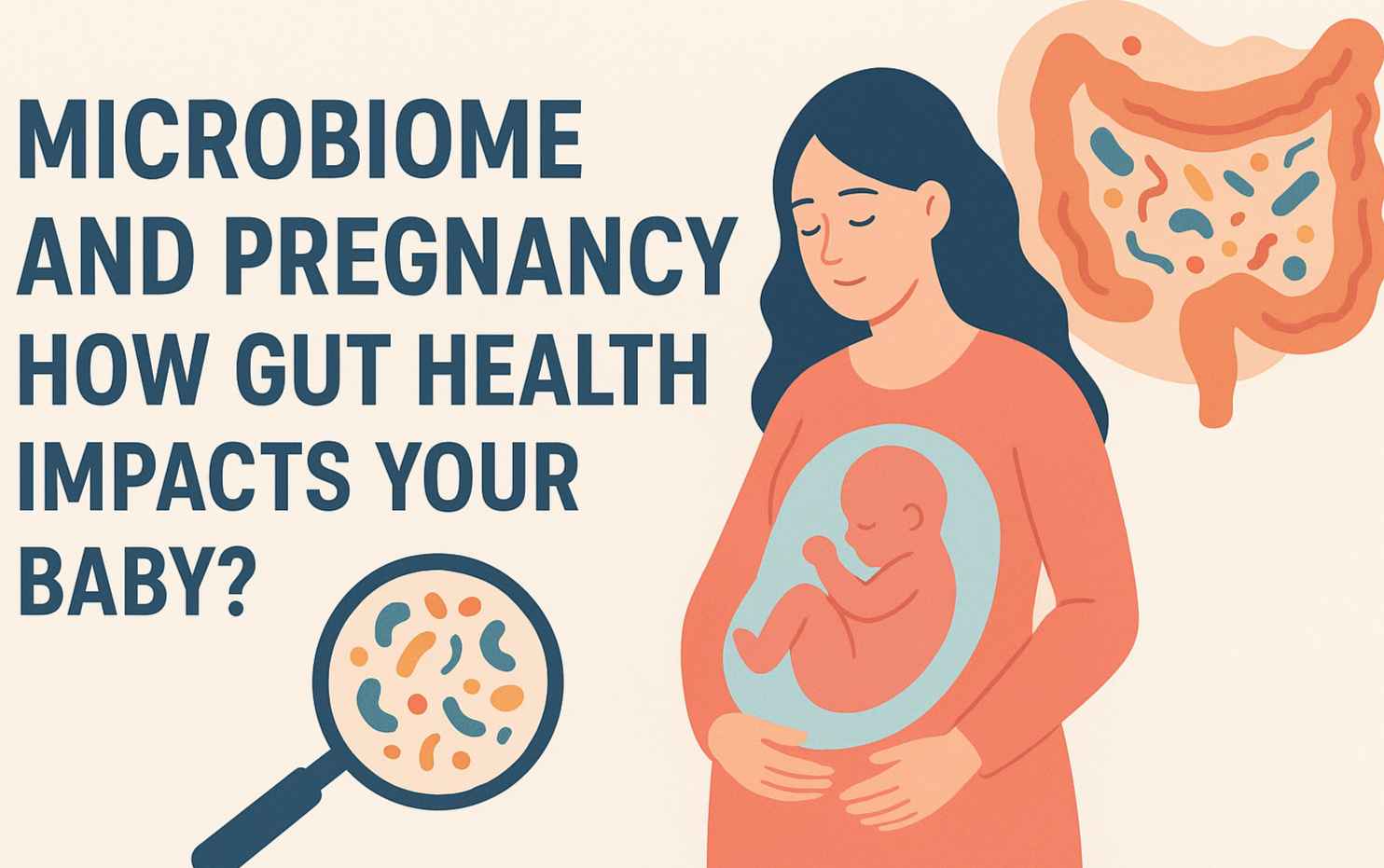
Microbiome and Pregnancy How Gut Health Impacts Your Baby

pregnancy doctor in South Delhi

When you’re pregnant, you’re thinking about a million things. You’re eating right, trying to get enough sleep, and avoiding all the wrong stuff. But there’s a new player in town that science is just starting to understand, and it might be one of the most important factors for your baby’s long-term health: your gut microbiome. It’s a hot topic, and it’s something every pregnancy doctor in South Delhi is now discussing with expecting mothers. The trillions of tiny bacteria living in your gut aren’t just helping you digest your lunch; they’re laying the foundation for your baby’s future health.

What is Microbiome?

So what exactly is this microbiome? Think of it as a bustling city of trillions of microbes—mostly bacteria—living inside your digestive tract. This isn’t a bad thing; these are your microscopic helpers. They break down food your body can’t, they produce essential vitamins, and they are the frontline soldiers of your immune system. When this gut city is diverse and thriving with good bacteria, you’re healthier. When the bad guys start to take over, things can go wrong.

Importance of Microbiome for the Baby

Here’s the incredible part. A baby is born with a nearly sterile gut. They get their first big dose of microbes during the journey through the birth canal. It’s like a bacterial baptism, giving them a starter kit of their mom’s own bacteria. Breast milk continues this process, providing more good bugs and the food they need to thrive. This initial seeding is critical. It teaches the baby’s brand-new immune system what to attack and what to ignore, which can influence their risk of allergies, asthma, and even obesity later in life. The best gynecologist in South Delhi will tell you that establishing this healthy foundation is one of the most important gifts you can give your child.

Okay, so how do you support a healthy gut for you and your baby? It’s simpler than you think.

  • Feed the good guys: Load up on fiber-rich foods like fruits, vegetables, lentils, and whole grains. This is what the good bacteria love to eat.
  • Bring in reinforcements: Add fermented foods like plain yogurt, kefir, or kimchi to your diet. These are full of beneficial live bacteria (probiotics).
  • Avoid the nukes: Only take antibiotics when absolutely necessary and prescribed by your doctor, as they can wipe out both good and bad bacteria.
  • Chill out: High stress levels can negatively impact your gut. Find ways to relax, whether it’s through gentle yoga, meditation, or just a walk in the park.

Conclusion

Taking care of your gut during pregnancy isn’t about being perfect. It’s about being mindful. By making a few simple tweaks to your diet and lifestyle, you’re not just improving your own health; you’re actively programming your baby’s immune system for a healthier future. It’s a powerful connection that we’re only beginning to appreciate. If you’re curious to learn more about how you can support your microbiome, don’t hesitate to have a conversation with a good gynecologist in South Delhi.

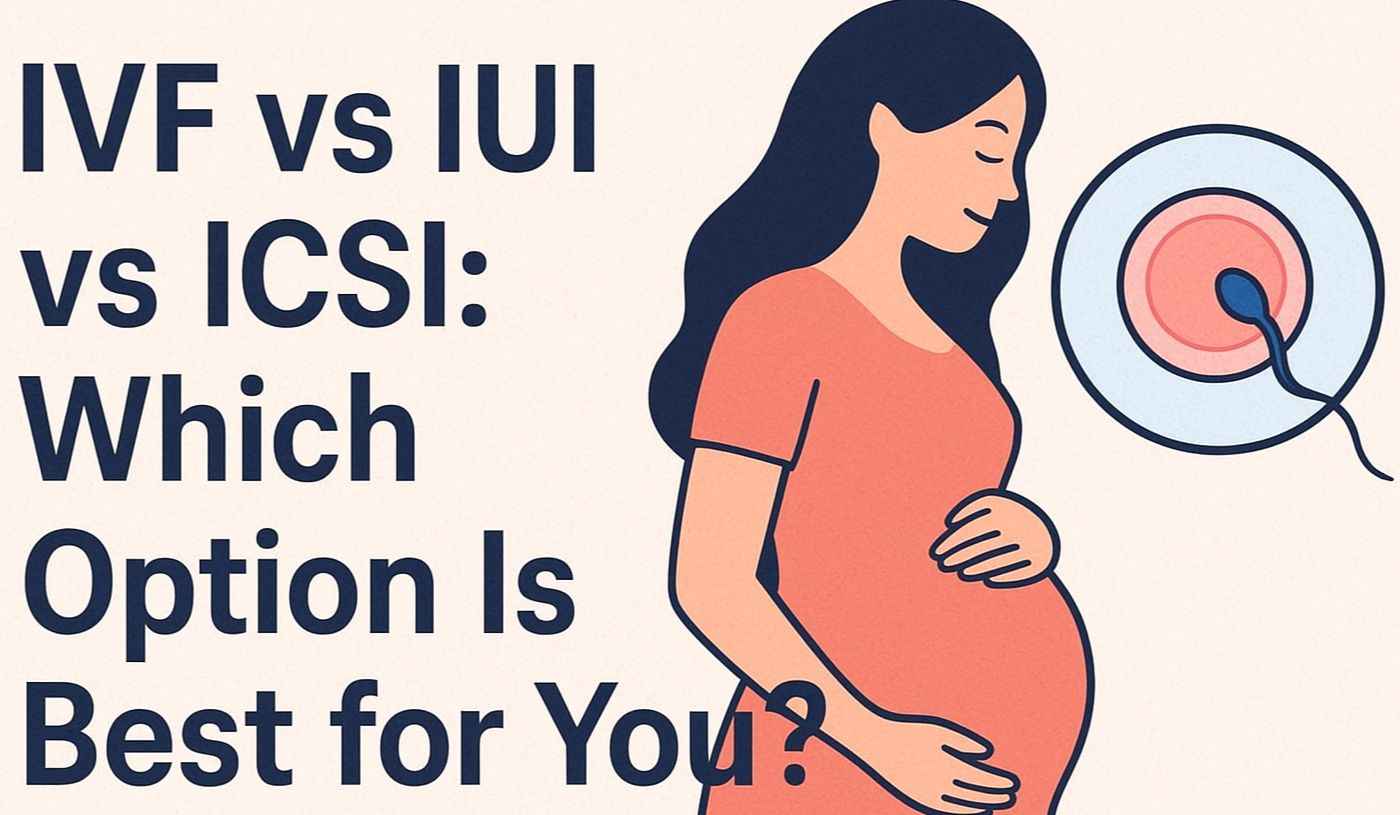
IVF vs IUI vs ICSI: Which Option Is Best for You?

infertility specialist in Greater Kailash

Navigating the world of fertility treatments can feel like learning a new language. You’re faced with a confusing alphabet soup of acronyms—IUI, IVF, ICSI—and it can be overwhelming. If you’re just starting this journey, a conversation with an infertility specialist in Greater Kailash can feel like a whirlwind of new information. So, let’s take a breath and break down what these common treatments really are, in simple terms, so you can understand your options better.

IUI: The Introductory Step

Think of Intrauterine Insemination (IUI) as giving the sperm a helpful head start. In this procedure, specially washed and concentrated sperm are placed directly into the uterus right around the time of ovulation. The goal is simple: to bypass the vagina and cervix, cutting down the sperm’s travel time and putting them much closer to the egg.

Who is it for?

IUI is often the first line of treatment for couples with unexplained infertility, mild male factor issues (like slightly low sperm count or motility), or issues with cervical mucus. It’s a less invasive and less expensive option compared to IVF, making it a logical starting point for many.

IVF: The Major League

In Vitro Fertilization (IVF) is what most people think of as the “test-tube baby” procedure. It’s a much more involved process. The “in vitro” part literally means “in glass.” With IVF, fertilization happens outside the body in a lab. The process involves stimulating the ovaries to produce multiple eggs, retrieving those eggs in a minor surgical procedure, and then combining them with sperm in a petri dish. If fertilization is successful, the resulting embryos are monitored for a few days before one or two are transferred back into the uterus.

Who is it for?

IVF is a more powerful treatment used for a wider range of issues, including blocked fallopian tubes, more severe male factor infertility, or diminished ovarian reserve. For others, especially when initial steps haven’t been successful or for conditions being managed as part of PCOS treatment in South Delhi, the journey might lead to IVF.

ICSI: The Precision Tool

Intracytoplasmic Sperm Injection (ICSI) isn’t a separate treatment from IVF; it’s a specialized part of it. Think of it as the special forces of fertilization. During a standard IVF procedure, the eggs and sperm are simply mixed in a dish, and we hope for the best. With ICSI, an embryologist takes a single, healthy-looking sperm and, using a microscopic needle, injects it directly into the center of an egg.

Who is it for?

ICSI is a game-changer for couples dealing with severe male factor infertility. If the sperm count is very low, motility is poor, or the sperm have an abnormal shape, they may not be able to fertilize an egg on their own, even in a petri dish. ICSI bypasses this problem entirely.

So, What’s the Right Choice?

There is no single “best” option. The right path for you depends entirely on your specific diagnosis, your age, your medical history, and your personal circumstances. IUI might be the perfect start for one couple, while another might need to go straight to IVF with ICSI. The only way to know for sure is to get a complete fertility workup and have an open conversation with an expert. A consultation with the best gynecologist in South Delhi who specializes in fertility will help you understand your unique situation and create a treatment plan that gives you the best possible chance of success.