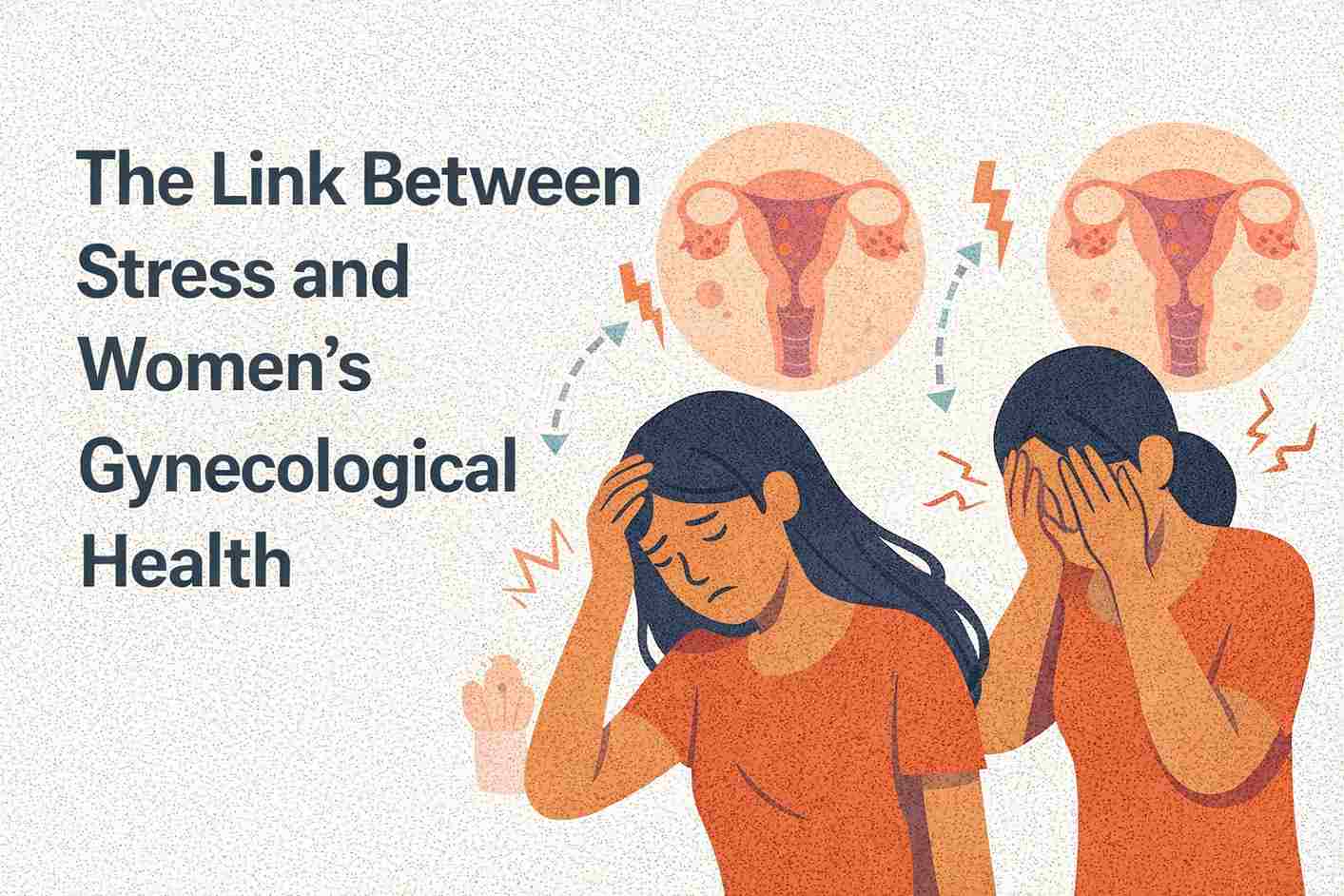
The Link Between Stress and Women’s Gynecological Health

pregnancy doctor in South Delhi

When a woman visits a pregnancy doctor in South Delhi, one of the first things she often hears is how significantly stress can influence her gynecological health. Stress is a constant part of modern life—whether it comes from work deadlines, family responsibilities, or the pressure of managing everything at once. Yet many women don’t realize how deeply stress can affect their hormonal balance and overall reproductive well-being.

How Stress Affects Hormonal Balance?

Hormones silently guide almost every reproductive function in a woman’s body. When stress levels rise, cortisol—the body’s primary stress hormone—shoots up. Short bursts are normal, even helpful, but chronic stress keeps cortisol elevated for long periods, throwing other hormones off balance.

This often shows up as late periods, skipped cycles, or heavier bleeding during stressful months. Even if a woman feels fine emotionally, her body might already be signaling hormonal disruption through irregular patterns.

Impact on Menstrual Health

Irregular or Missed Periods

Persistent stress can delay ovulation or suppress it altogether, making periods unpredictable. Many women assume they’re experiencing a random cycle shift, not realizing that everyday stress is altering the communication between the brain and the reproductive system.

Worsened Period Pain

When cortisol is high, muscles tend to stay tense—including those in the uterus. This tension can make menstrual cramps sharper, longer, and more difficult to manage.

How Stress Influences Fertility?

There is no direct relation between stress and infertility, but it can make conception difficult. Hormonal imbalance may lead to inconsistent ovulation, and lifestyle changes often triggered by stress—poor sleep, skipped meals, or emotional eating—can further complicate the picture.

For women trying to conceive, emotional stress adds another layer of pressure, making the process feel heavier than it needs to be. Doctors frequently remind patients that reducing stress supports treatment, improves cycle regularity, and helps the body respond better to fertility plans.

Impact on PCOS, Endometriosis, and Other Conditions

Women with PCOS, endometriosis, fibroids, or thyroid disorders often notice a flare-up when they are under stress. Stress affects everything from insulin sensitivity to inflammation—two major factors in these conditions. Pelvic pain can also feel more intense when the body is overwhelmed.

The Emotional–Physical Connection

Gynecological health isn’t solely physical. Stress affects libido, sleep quality, and overall emotional comfort, which in turn affects hormonal balance. Many women don’t discuss these emotional changes openly, but they influence reproductive health just as much as physical symptoms.

Simple Ways to Support Gynecological Health

Small, consistent habits can make a big difference—mindful breathing, regular exercise, nutrition, hydration, and adequate sleep are powerful tools. Consulting a gynecologist also helps women determine whether symptoms are temporary stress responses or signs of an underlying condition that requires attention.

Final Thoughts

Stress may be invisible, but its effects on women’s gynecological health are surprisingly strong. By listening to the body, managing emotional pressure, and seeking timely medical guidance, women can maintain healthier cycles and long-term reproductive wellness. For personalized advice or ongoing concerns, connecting with the best gyno doctor in South Delhi can make all the difference.
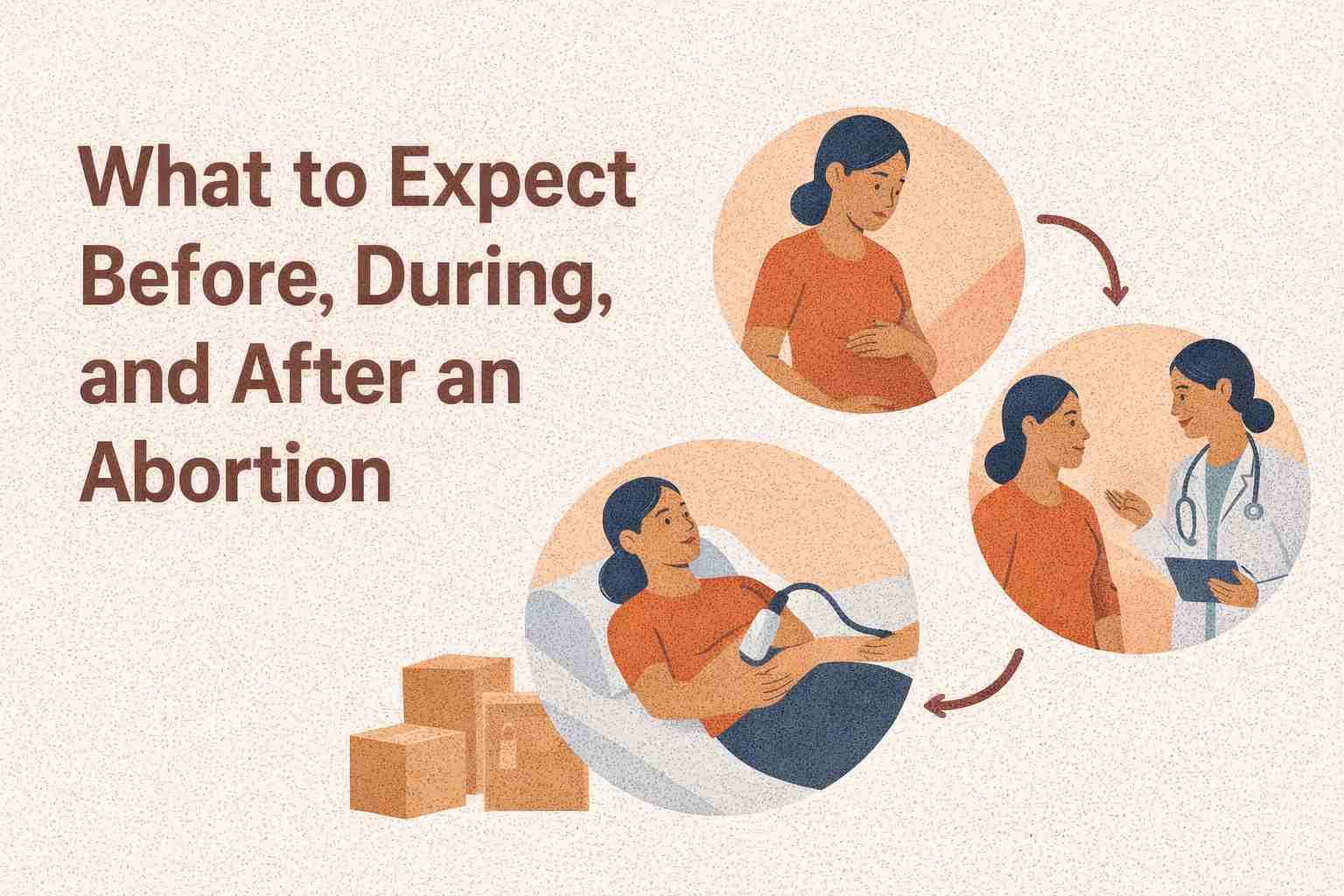
What to Expect Before, During, and After an Abortion

best abortion clinic in Delhi

When someone reaches out to the best abortion clinic in Delhi, one of the first concerns they often express is uncertainty—uncertainty about the process, the experience, and what recovery will feel like. Abortion is a deeply personal decision, and understanding what to expect at each step can make the journey less overwhelming and far more reassuring.

Before the Procedure: Consultation and Preparation

Medical Evaluation

Before anything else, the doctor conducts a detailed consultation. This usually includes a discussion about the pregnancy, medical history, and any symptoms the woman may be experiencing. An ultrasound is often done to confirm the gestational age, which helps determine the safest abortion method.

Understanding Your Options

Depending on how far along the pregnancy is, the doctor may recommend a medical abortion (pills) or a surgical procedure. Both methods are safe when done under expert medical supervision. The doctor explains how each option works, what to expect physically, and how long recovery typically takes.

Emotional Support Matters

Many women feel nervous or emotionally unsettled before the procedure, which is completely normal. A supportive environment—both from loved ones and medical professionals—can make a big difference. Clinics often encourage women to ask questions openly so they feel prepared and confident.

During the Procedure: What Actually Happens

Medical Abortion

If the pregnancy is early, the doctor may recommend abortion pills. The process involves taking medication in two stages, usually within 24–48 hours. Cramping and bleeding occur as the pregnancy tissue passes, similar to a heavy period. Most women choose to be at home during this stage because it offers privacy and comfort.

Surgical Abortion

For later pregnancies or when preferred, a surgical abortion can be done. The procedure is typically short and completed under local or mild sedation. Many women are surprised by how quick it is—often around 10–15 minutes. Throughout the process, the medical team ensures comfort and monitors vital signs to keep the patient safe. 

After the Procedure: Recovery and Care

Physical Recovery

Post-abortion, some bleeding and cramping are expected for a few days. For most women, normal activities can be resumed within a day or two, although heavy exercise is usually avoided for a short period. The doctor may prescribe medication for pain or infection prevention.

Follow-Up Check

A follow-up appointment is usually recommended after one to two weeks. This helps the doctor confirm that the abortion is complete and that recovery is progressing smoothly. It’s also an opportunity to discuss future reproductive health, birth control options, or any lingering questions.

Emotional Well-Being

Every woman experiences the emotional side of abortion differently. Some feel relieved, others a bit sensitive or quiet for a while. All responses are valid. What matters most is having access to support—be it a trusted friend, partner, or health professional.

Final Thoughts

Abortion is a personal and often difficult decision, but knowing what to expect before, during, and after the process helps women feel more in control and supported. With proper guidance, safe medical care, and a compassionate environment, the experience becomes far less daunting. For anyone seeking clarity, comfort, or professional support, consulting an experienced gynecologist in Greater Kailash can provide the guidance needed.fabo

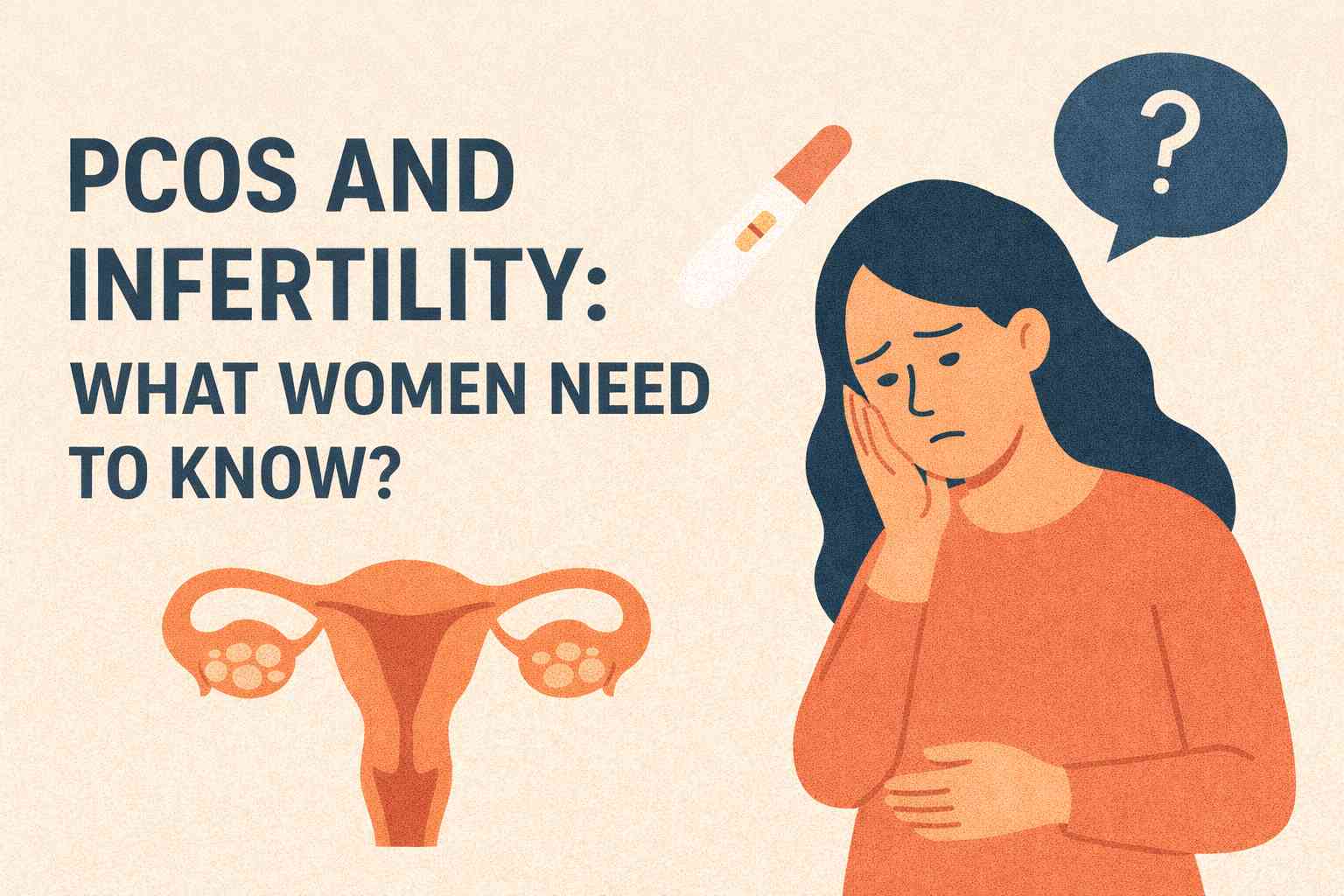
PCOS and Infertility: What Women Need to Know?

infertility specialist in Greater Kailash

When a woman visits an infertility specialist in Greater Kailash, one of the most common concerns she expresses is the fear that PCOS may prevent her from becoming a mother. Polycystic Ovary Syndrome, or PCOS, affects millions of women, yet so many still feel confused or overwhelmed by the diagnosis. Understanding what PCOS is—and how it actually impacts fertility—can help women make clearer, more confident decisions about their health.

What Exactly Is PCOS?

PCOS is a hormonal condition in which the ovaries don’t function as they should. Many women with PCOS have irregular cycles, difficulty ovulating, or higher-than-normal levels of certain hormones. Some may develop small cysts on the ovaries, while others may not. The symptoms vary widely, which is why two women with PCOS can have completely different experiences.

Common signs include irregular periods, weight fluctuations, acne, excess facial hair, and difficulty conceiving. But not everyone has all these symptoms, and that’s what often makes PCOS feel confusing.

Why PCOS Affects Fertility?

Fertility challenges arise mainly because PCOS can disrupt ovulation. If ovulation doesn’t happen regularly—or doesn’t happen at all—conception becomes harder. Some women ovulate only a few times a year, making it difficult to predict their fertile window.

Hormonal imbalances also play a major role. Higher levels of androgens (male hormones) and insulin resistance are common in PCOS, and both can interfere with regular reproductive functioning.

The important thing to remember is this: PCOS does not mean infertility. Many women with PCOS conceive naturally, and countless others become pregnant with simple medical support.

How PCOS Is Managed and Treated?

Right in the middle of these concerns, many women seek PCOS treatment in South Delhi, where doctors often take a customized, patient-friendly approach. Treatment plans depend on symptoms, age, future family plans, and overall health.

Here are the most common ways PCOS is managed:

1.     Lifestyle and Nutrition Support

Diet and exercise play a huge role. A balanced diet can help manage insulin resistance, and regular physical activity can improve ovulation patterns.

2.     Medication for Hormones and Ovulation

Doctors may prescribe medicines to regulate periods, reduce androgen levels, or induce ovulation. These medications help the body get into a more balanced rhythm.

3.     Fertility Treatments When Needed

For women actively trying to conceive, treatments like ovulation induction, IUI, or IVF may be recommended. These methods have helped countless women with PCOS achieve healthy pregnancies.

Emotional Wellness Matters Too

The emotional side of PCOS is often overlooked. Dealing with irregular periods, weight changes, or conception struggles can take a toll on mental health. Women are encouraged to seek support, communicate openly with their doctor, and remember that they are not alone—PCOS is one of the most treatable causes of infertility.

Final Thoughts

PCOS may complicate the fertility journey, but it rarely closes the door. With early diagnosis, the right lifestyle choices, and proper medical guidance, women can manage symptoms effectively and improve their chances of conception. For personalized care, evaluation, and dependable support, connecting with the best gynecologist in South Delhi can make all the difference.
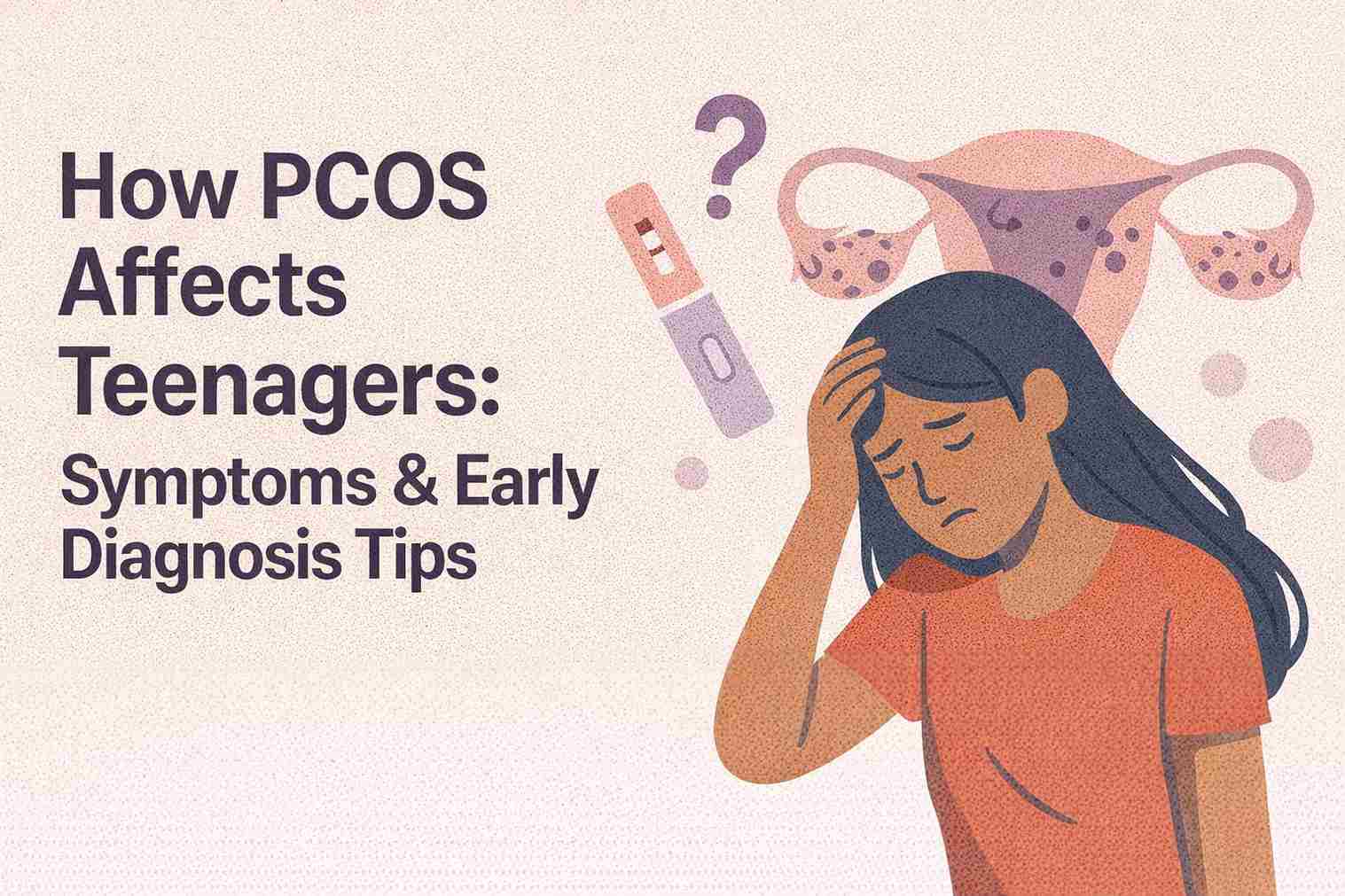
How PCOS Affects Teenagers: Symptoms & Early Diagnosis Tips

PCOS doctor in South Delhi

When a family visits a PCOS doctor in South Delhi because their teenager has been struggling with irregular cycles or sudden physical changes, one of the first things they learn is that Polycystic Ovary Syndrome (PCOS) often begins much earlier than most people realize. While PCOS is commonly discussed in relation to adult women, many girls start experiencing symptoms quietly during their teenage years—sometimes without even knowing something is wrong.

Why PCOS in Teens Is Often Overlooked?

Teenage bodies are naturally going through massive hormonal shifts, so it’s easy for symptoms of PCOS to blend in with what many assume is “normal puberty.” Irregular periods, acne, mood swings, or weight changes are usually dismissed as temporary teenage issues. But when these symptoms become persistent or unusually intense, they may indicate early signs of PCOS.

Early diagnosis plays a huge role in helping teens manage symptoms and avoid long-term complications like insulin resistance, fertility problems, or emotional stress. That’s why awareness—both for teens and their families—is incredibly important.

Common Symptoms of PCOS in Teenagers

1.     Irregular or Missed Periods

The most common sign is a menstrual cycle that never settles into a pattern. While it’s normal for teens to have slightly irregular periods at first, going months without a cycle or experiencing extremely heavy bleeding can signal PCOS.

2.     Persistent Acne

Acne that doesn’t respond to regular skincare or gets worse over time may be linked to excess androgens—hormones that are often elevated in girls with PCOS.

3.     Excess Facial or Body Hair

Hair growth on the chin, upper lip, chest, or stomach can be especially distressing for teenagers. This is one of the symptoms that most clearly points toward hormonal imbalance.

4.     Sudden or Unexplained Weight Gain

Some teens with PCOS struggle with weight even if they’re eating normally or staying active. Insulin resistance is a common factor.

5.     Hair Thinning on the Scalp

Another sign that many girls don’t associate with PCOS is hair loss or thinning, especially around the crown area.

6.     Mood Changes

Teenagers may experience heightened anxiety, low mood, or frustration due to hormonal fluctuations and body-image concerns caused by PCOS symptoms.

How Early Diagnosis Helps Teens?

The earlier PCOS is identified, the easier it is to manage. A timely diagnosis helps:

  • Regulate menstrual cycles
  • Reduce acne and excess hair
  • Manage weight more effectively
  • Improve mood and emotional stability
  • Prevent long-term metabolic issues

Doctors usually recommend a combination of lifestyle changes, supportive therapy, and sometimes medication to balance hormones. Teens who receive early guidance often see significant improvements over time.

What Parents Should Look Out For?

Parents should pay attention to patterns rather than isolated incidents. If a teen is constantly struggling with irregular cycles, unusual hair growth, emotional distress, or stubborn acne, it’s worth seeking professional advice. Open, gentle communication is key—many teens feel embarrassed discussing these topics unless approached with understanding.

Final Thoughts

PCOS can feel confusing and overwhelming for teenagers, but early support makes a world of difference. With proper guidance, lifestyle adjustments, and medical care, teens can manage symptoms effectively and lead healthy, confident lives. If you suspect PCOS or want a trusted opinion, consulting an experienced gynecologist in Greater Kailash can provide clarity, reassurance, and the right direction forward.

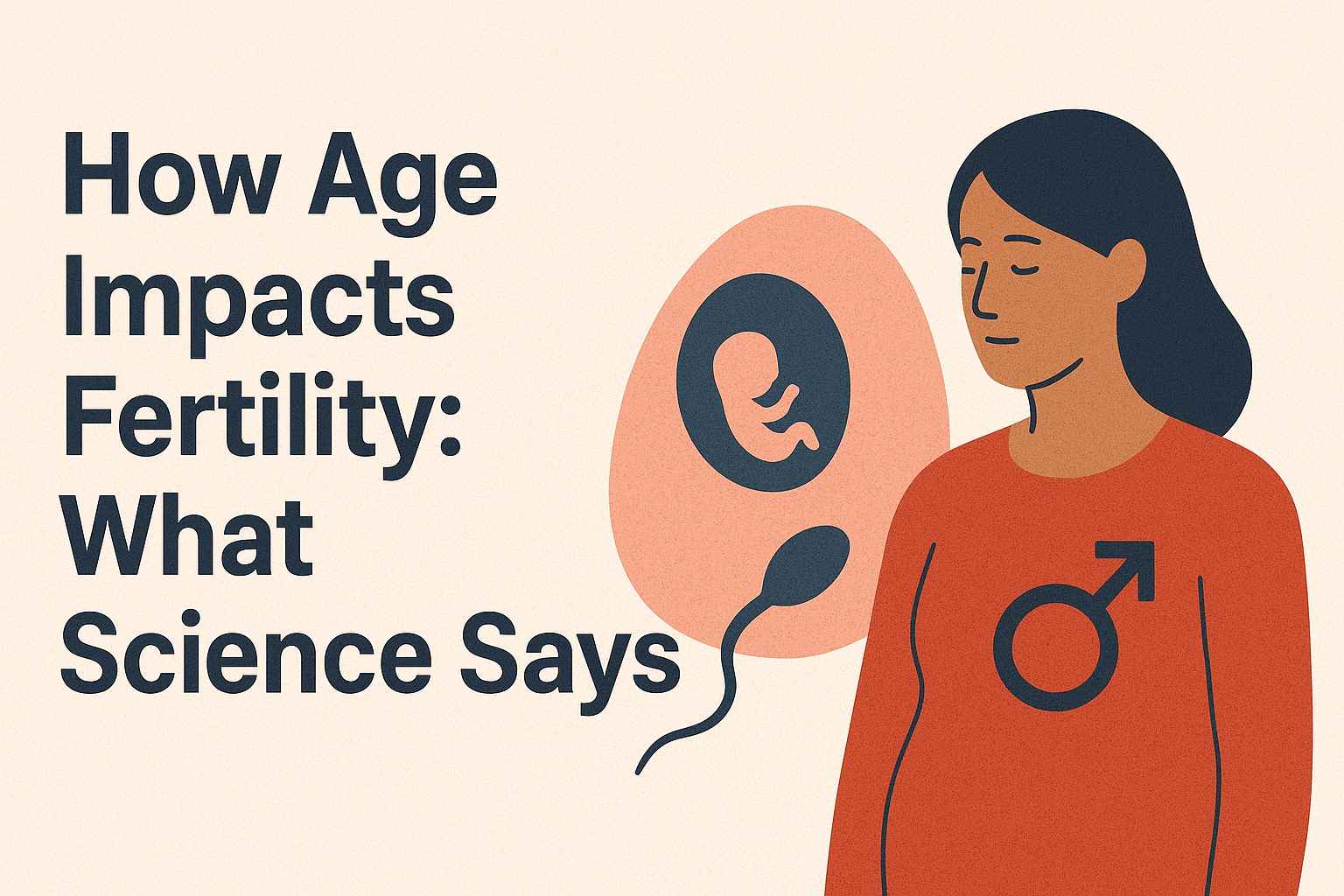
How Age Impacts Fertility: What Science Says

best gyno doctor in South Delhi

When couples begin thinking about having a baby, one of the first things they often hear—especially during a visit to the best gyno doctor in South Delhi—is that age matters more than we might assume. It’s not a warning; it’s simply an honest look at how our bodies evolve over the years. Understanding these changes helps people plan better and avoid unnecessary stress later.

Why Age Plays a Role in Women’s Fertility?

The Peak Years: A Natural Advantage

Women are born with a fixed number of eggs, and the body doesn’t create new ones. During the early 20s, these eggs are at their healthiest. Hormones work smoothly, ovulation is regular, and the chances of conception each month are naturally higher. This is why many women in this age group don’t need much planning to conceive.

Early 30s: Gradual and Silent Changes

Even though most women feel perfectly healthy and energetic in their early 30s, subtle biological changes start happening. Egg quantity and quality begin to dip gradually. This shift isn’t dramatic, and many women still conceive naturally without support. But it does change the timeline for how long it might take to get pregnant.

After 35: The Fertility Slowdown Becomes Clearer

By the time a woman reaches 35, the decline in fertility becomes more noticeable. The number of available eggs decreases, and the likelihood of chromosomal abnormalities increases. The body can still support a healthy pregnancy, but it may require more time or medical guidance. Many doctors suggest not waiting more than six months before seeking advice if pregnancy doesn’t occur naturally.

How Men’s Fertility is Affected by Age?

A Gradual Decline Instead of a Sharp Drop

Men do not experience a sudden fertility shift like women do. However, sperm health does change with age. After 40, factors like sperm motility, DNA stability, and overall count may start to decline. Stress, poor sleep, long working hours, and lifestyle habits can speed up these changes. So while men can father children much later in life, the chances of conception may decrease subtly over time.

Hormonal Changes: The Invisible Factor

Age brings hormonal fluctuations for both men and women. For women, levels of AMH and FSH—which are crucial for ovulation—begin to shift in the 30s and more rapidly after 35. For men, testosterone may reduce gradually, affecting sperm production and quality. Because these hormonal shifts don’t show obvious outward signs, many couples only learn about them during fertility evaluations.

How Modern Medicine Helps Bridge the Gap?

The encouraging part is that science has made remarkable progress. Fertility assessments, ovarian reserve testing, egg freezing, IVF, IUI, and advanced sperm analysis have helped countless couples facing age-related fertility challenges. Early evaluation often helps people make timely decisions—sometimes even before they start trying to conceive.

Final Thoughts

Age may influence fertility, but it does not close the door on parenthood. With awareness, early planning, and professional guidance, many individuals and couples successfully build the families they dream of. If you’re unsure where you stand or want personalized advice, reaching out to an experienced infertility specialist in Greater Kailash is a wise and reassuring first step.