
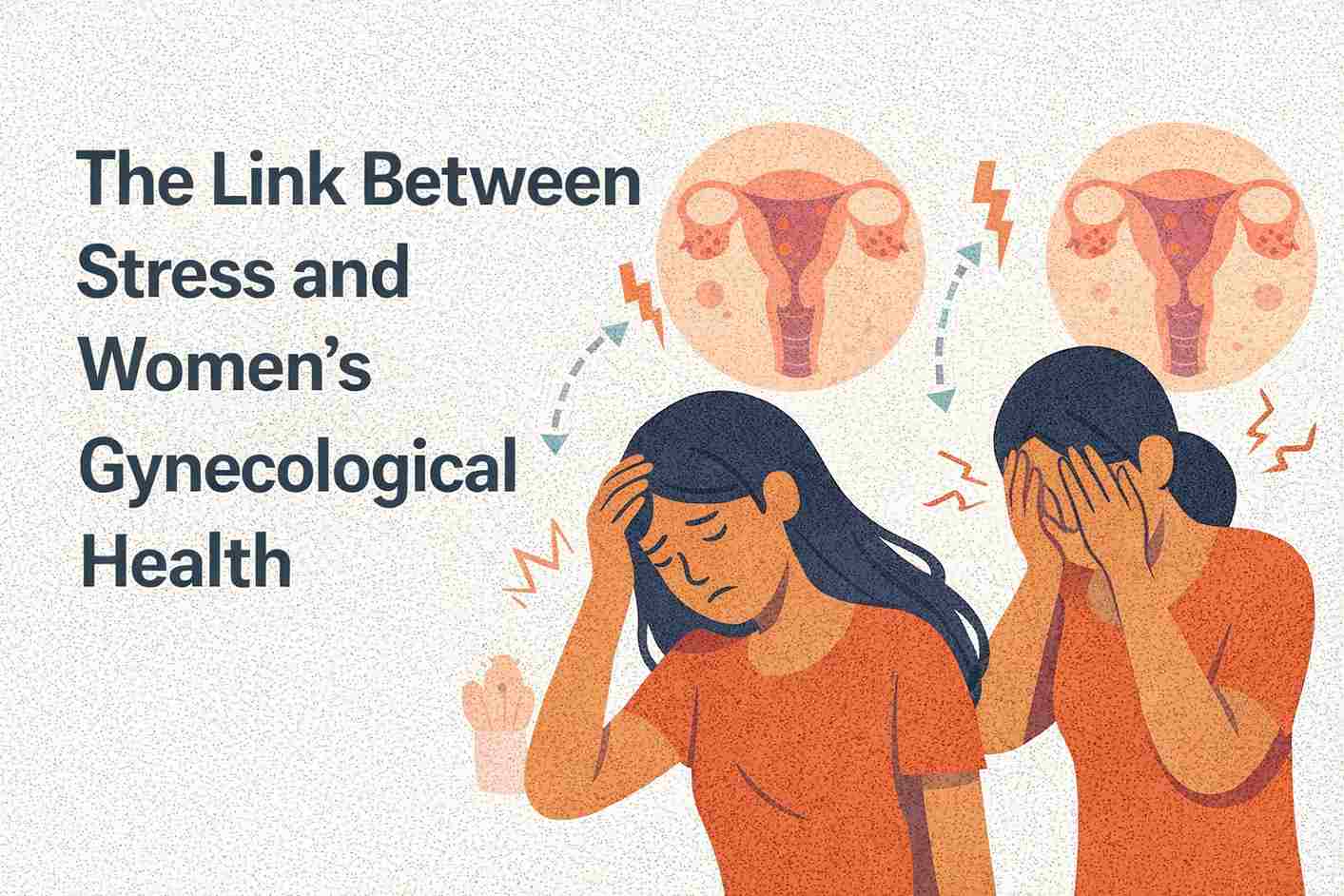
When a woman visits a pregnancy doctor in South Delhi, one of the first things she often hears is how significantly stress can influence her gynecological health. Stress is a constant part of modern life—whether it comes from work deadlines, family responsibilities, or the pressure of managing everything at once. Yet many women don’t realize how deeply stress can affect their hormonal balance and overall reproductive well-being.
How Stress Affects Hormonal Balance?
Hormones silently guide almost every reproductive function in a woman’s body. When stress levels rise, cortisol—the body’s primary stress hormone—shoots up. Short bursts are normal, even helpful, but chronic stress keeps cortisol elevated for long periods, throwing other hormones off balance.
This often shows up as late periods, skipped cycles, or heavier bleeding during stressful months. Even if a woman feels fine emotionally, her body might already be signaling hormonal disruption through irregular patterns.
Impact on Menstrual Health
Irregular or Missed Periods
Persistent stress can delay ovulation or suppress it altogether, making periods unpredictable. Many women assume they’re experiencing a random cycle shift, not realizing that everyday stress is altering the communication between the brain and the reproductive system.
Worsened Period Pain
When cortisol is high, muscles tend to stay tense—including those in the uterus. This tension can make menstrual cramps sharper, longer, and more difficult to manage.
How Stress Influences Fertility?
There is no direct relation between stress and infertility, but it can make conception difficult. Hormonal imbalance may lead to inconsistent ovulation, and lifestyle changes often triggered by stress—poor sleep, skipped meals, or emotional eating—can further complicate the picture.
For women trying to conceive, emotional stress adds another layer of pressure, making the process feel heavier than it needs to be. Doctors frequently remind patients that reducing stress supports treatment, improves cycle regularity, and helps the body respond better to fertility plans.
Impact on PCOS, Endometriosis, and Other Conditions
Women with PCOS, endometriosis, fibroids, or thyroid disorders often notice a flare-up when they are under stress. Stress affects everything from insulin sensitivity to inflammation—two major factors in these conditions. Pelvic pain can also feel more intense when the body is overwhelmed.
The Emotional–Physical Connection
Gynecological health isn’t solely physical. Stress affects libido, sleep quality, and overall emotional comfort, which in turn affects hormonal balance. Many women don’t discuss these emotional changes openly, but they influence reproductive health just as much as physical symptoms.
Simple Ways to Support Gynecological Health
Small, consistent habits can make a big difference—mindful breathing, regular exercise, nutrition, hydration, and adequate sleep are powerful tools. Consulting a gynecologist also helps women determine whether symptoms are temporary stress responses or signs of an underlying condition that requires attention.
Final Thoughts
Stress may be invisible, but its effects on women’s gynecological health are surprisingly strong. By listening to the body, managing emotional pressure, and seeking timely medical guidance, women can maintain healthier cycles and long-term reproductive wellness. For personalized advice or ongoing concerns, connecting with the best gyno doctor in South Delhi can make all the difference.