Role of Gynecologists in Managing PCOS

best gynecologist doctor in South Delhi

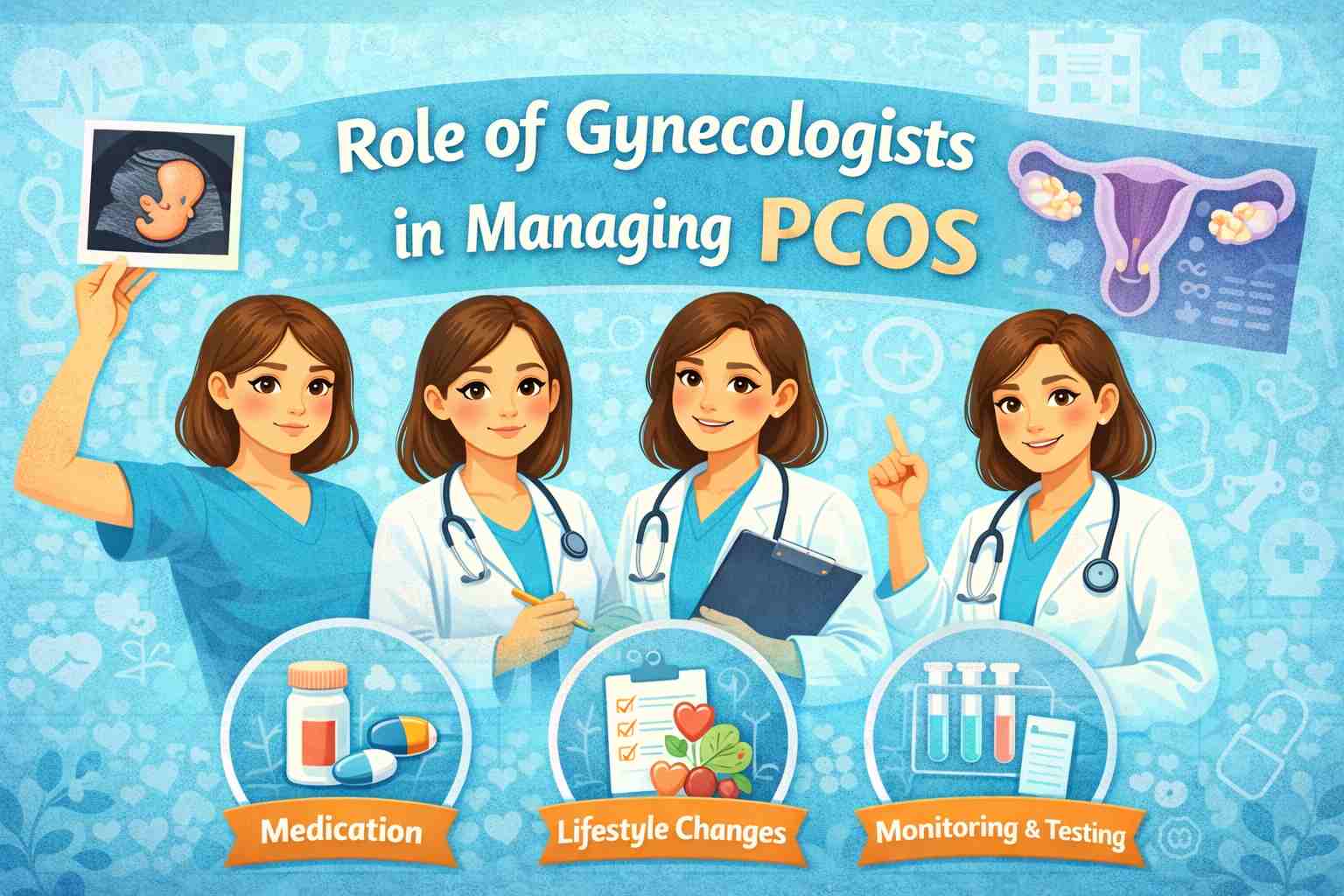
The best gynecologist doctor in South Delhi plays a crucial role in helping women understand, manage, and live well with Polycystic Ovary Syndrome (PCOS). PCOS is a common hormonal disorder that affects women of reproductive age and can impact menstrual health, fertility, weight, and overall well-being. Since symptoms vary widely from one woman to another, professional gynecological care becomes essential for accurate diagnosis and long-term management.

Understanding PCOS and Its Impact on Women’s Health

PCOS is characterized by hormonal imbalance, irregular menstrual cycles, and the presence of multiple small cysts in the ovaries. Women with PCOS may experience symptoms such as acne, excessive hair growth, weight gain, mood changes, and difficulty conceiving. Beyond physical symptoms, the condition can also affect emotional health, leading to stress and anxiety if left unmanaged.

Early diagnosis is key to preventing complications such as diabetes, heart disease, and infertility. This is where timely consultation with an experienced gynecologist becomes invaluable.

Accurate Diagnosis and Individualized Assessment

A gynecologist begins PCOS management with a thorough evaluation, which includes understanding medical history, menstrual patterns, lifestyle habits, and family history. Diagnostic tools such as ultrasound scans, blood tests, and hormone level assessments help confirm the condition.

Between symptoms and long-term health risks, choosing the best gynecologist in South Delhi ensures that diagnosis is not rushed or generalized. Instead, the focus remains on understanding how PCOS uniquely affects each patient, allowing for a more personalized care plan.

Creating a Personalized Treatment Plan

PCOS does not have a one-size-fits-all treatment. Gynecologists tailor treatment plans based on a woman’s age, symptoms, and future goals such as pregnancy. Management may include regulating menstrual cycles, controlling hormone levels, and addressing visible symptoms like acne or hair growth.

Lifestyle modification is often the foundation of PCOS management. Gynecologists guide patients on diet changes, weight management, and physical activity that can significantly reduce symptoms. In the middle of treatment planning, medication may be introduced to regulate periods, improve insulin sensitivity, or support ovulation when needed.

A skilled PCOS doctor in South Delhi ensures that medical treatment and lifestyle guidance work hand in hand for sustainable results.

Fertility Support and Reproductive Guidance

For women trying to conceive, PCOS can be emotionally challenging. Gynecologists play a vital role in fertility counseling by monitoring ovulation, prescribing fertility-supporting medications, and offering reassurance throughout the journey.

They also help patients understand when advanced reproductive techniques may be necessary and ensure that decisions are made with clarity and confidence. Emotional support during this phase is just as important as medical care, and a compassionate gynecologist helps reduce anxiety related to fertility concerns.

Long-Term Monitoring and Preventive Care

PCOS is a lifelong condition that requires regular follow-ups. Gynecologists monitor hormonal balance, metabolic health, and menstrual regularity over time. Preventive care includes screening for diabetes, cholesterol issues, and cardiovascular risks, which are more common in women with PCOS.

By maintaining consistent medical supervision, women can avoid complications and lead a healthy, balanced life. With proper guidance from the best gynecologist doctor in South Delhi, managing PCOS becomes a structured, supportive, and empowering journey rather than a constant struggle.
How Early Pregnancy Detection Impacts Abortion Options

abortion clinic in Delhi

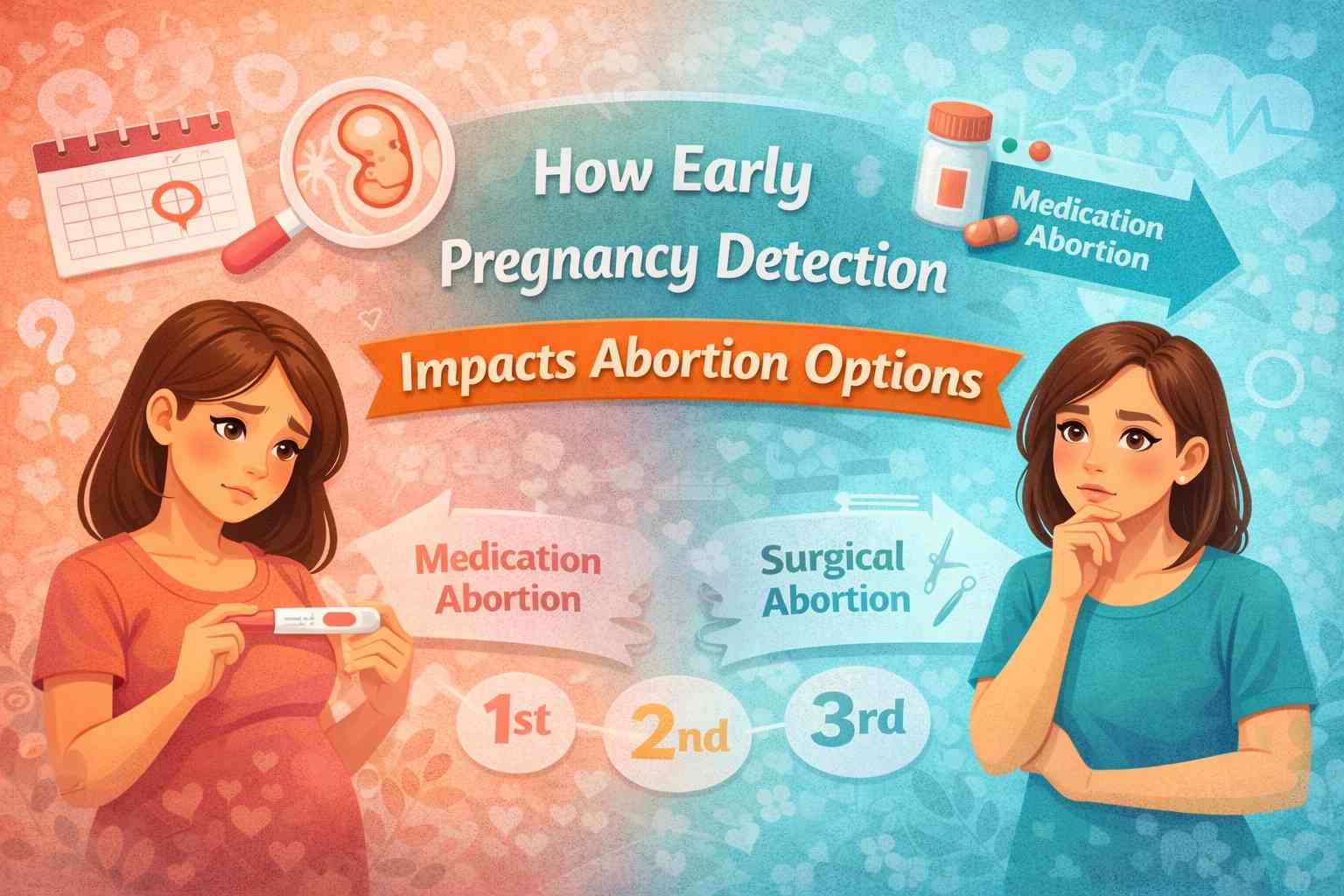
Finding a trusted abortion clinic in Delhi often starts with early pregnancy awareness. Detecting pregnancy at an early stage gives women more control, safer choices, and better medical guidance. The timing of detection directly influences the type of abortion available, recovery experience, and overall well-being.

Why Early Pregnancy Detection Matters?

Early pregnancy detection usually happens within the first few weeks after a missed period. At this stage, the body has undergone minimal hormonal and physical changes, making medical management simpler and safer. Early awareness allows women to explore their options calmly rather than feeling rushed due to advancing gestation.

Medical experts consistently stress that early diagnosis reduces health risks and opens the door to less invasive procedures.

Expanded Abortion Options in Early Stages

When pregnancy is identified early, women may be eligible for medication-based abortion methods. These options are non-surgical, discreet, and effective when supervised by a qualified medical professional. Consulting the best gynecologist in South Delhi during this phase ensures correct evaluation, safe administration, and emotional reassurance throughout the process.

Early options generally involve shorter recovery times, fewer complications, and minimal disruption to daily life.

Legal and Medical Advantages of Timely Detection

Indian abortion laws outline gestational limits for different procedures. Early pregnancy confirmation ensures women remain well within legal boundaries, avoiding unnecessary stress or delays. It also allows doctors to recommend the safest medical approach based on individual health conditions.

Timely detection enables clinics to provide complete counseling, address concerns, and plan the procedure responsibly without urgency.

Emotional Well-Being and Informed Decision-Making

Beyond physical safety, early detection supports emotional stability. Women are given more time to understand their situation, weigh personal circumstances, and make confident decisions. This window allows discussions with healthcare providers and access to mental health support if needed.

Many women report feeling more empowered when decisions are made early, without the pressure of limited options.

Access to Trusted and Safe Healthcare Facilities

Early diagnosis improves access to reputable medical facilities, including a certified abortion centre in Delhi that prioritizes patient safety, confidentiality, and ethical care. Early visits allow healthcare teams to offer comprehensive guidance, follow-up care, and preventive health advice for the future.

Such centers are better equipped to manage early procedures efficiently and compassionately.

Long-Term Health and Recovery Benefits

Early abortion procedures are associated with faster physical recovery and lower risk of complications. Women can return to their routines sooner and experience less physical discomfort. Follow-up care is also simpler when procedures are performed in early stages.

Ultimately, early pregnancy detection empowers women with choice, safety, and peace of mind when seeking care from the best abortion clinic in South Delhi.

How PCOS Affects Ovulation and Fertility?

PCOS doctor in South Delhi

PCOS doctor in South Delhi is a phrase many women search for when irregular periods, stubborn acne, or difficulty conceiving become part of everyday life. Polycystic Ovary Syndrome (PCOS) is one of the most common hormonal disorders affecting women of reproductive age, and its impact on ovulation plays a major role in fertility challenges. Understanding how PCOS works is the first step toward managing it effectively and improving the chances of conception.

Understanding PCOS: A Hormonal Imbalance

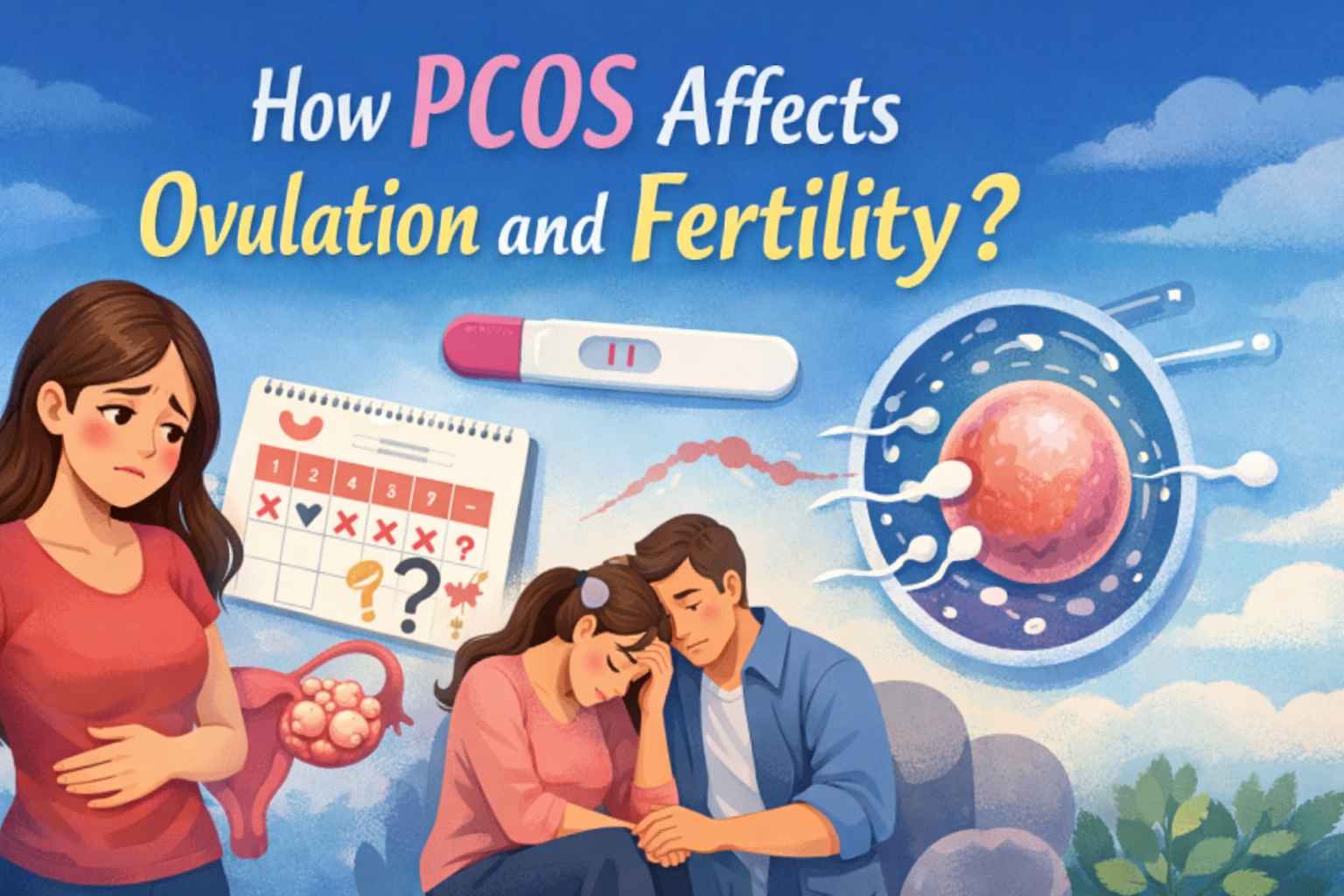
PCOS is primarily a hormonal condition where the ovaries produce higher-than-normal levels of androgens (male hormones). This imbalance interferes with the normal development and release of eggs during the menstrual cycle. Instead of a single mature egg being released each month, multiple small follicles may form in the ovaries but fail to ovulate.

This disruption affects the regularity of periods and makes predicting ovulation difficult, which directly impacts fertility.

How PCOS Disrupts Ovulation?

Ovulation depends on a precise balance of hormones such as estrogen, progesterone, luteinizing hormone (LH), and follicle-stimulating hormone (FSH). In women with PCOS, this balance is disturbed. Elevated insulin levels, commonly seen in PCOS, stimulate the ovaries to produce more androgens. High androgen levels prevent follicles from maturing properly.

As a result, ovulation may be delayed, irregular, or may not occur at all. Without regular ovulation, natural conception becomes more challenging.

PCOS and Its Effect on Fertility

Irregular or absent ovulation is the main reason PCOS affects fertility, but it’s not the only factor. Women with PCOS may also experience poor egg quality, changes in the uterine lining, and hormonal fluctuations that make implantation difficult. Despite these challenges, it’s important to know that PCOS does not mean permanent infertility.

With timely diagnosis and the right PCOS treatment in South Delhi, many women successfully conceive, either naturally or with medical support.

The Role of Lifestyle and Medical Care

Lifestyle changes can significantly improve ovulation in women with PCOS. Maintaining a healthy weight, eating a balanced diet, exercising regularly, and managing stress help regulate insulin levels and restore hormonal balance. Even a modest weight loss can trigger more regular ovulation in some women.

Medical support is equally important. A good gynecologist in South Delhi can guide patients through hormone evaluations, ultrasound monitoring, and customized treatment plans that may include ovulation-inducing medications.

Hope for Women Trying to Conceive

PCOS is a lifelong condition, but its symptoms and fertility-related effects can be managed with the right approach. Early intervention, regular follow-ups, and personalized care improve ovulation patterns and increase the chances of a healthy pregnancy.

If you’re struggling with irregular cycles or difficulty conceiving, consulting a specialist for PCOS treatment in South Delhi can help you take confident steps toward better reproductive health and fertility outcomes.

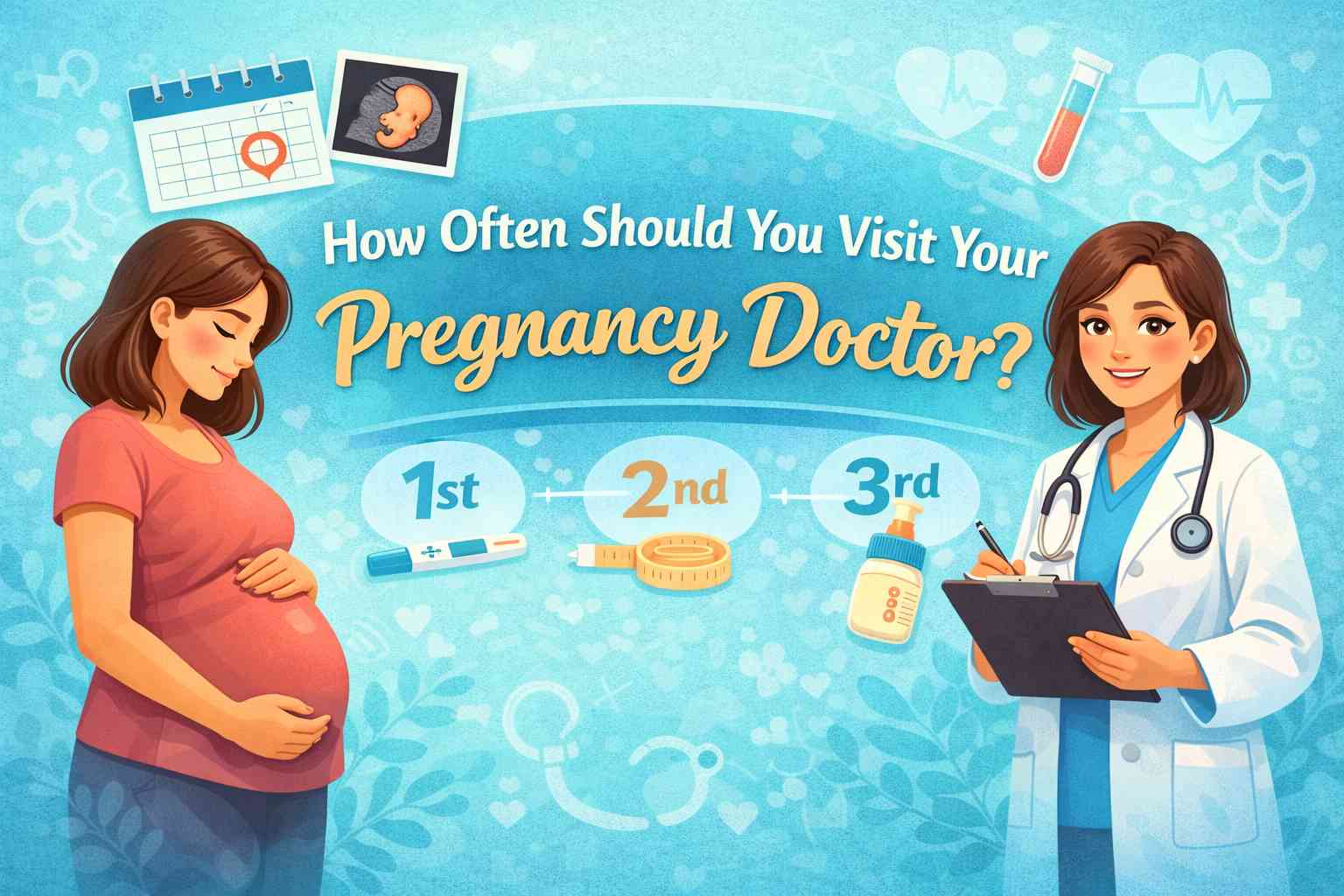
How Often Should You Visit Your Pregnancy Doctor?

Pregnancy doctor in South Delhi

Pregnancy doctor in South Delhi are one of the most important parts of a healthy pregnancy journey. Regular visits help monitor your baby’s growth, manage symptoms, and catch potential concerns early. But many first-time parents wonder—how often are these visits actually needed? The answer depends on the stage of pregnancy and your individual health needs.

Why Regular Pregnancy Check-Ups Matter?

Pregnancy is a time of constant change. Your body adapts week by week, and your baby develops rapidly. Routine doctor visits ensure that both mother and baby are progressing well. These appointments are not only for medical checks but also for guidance, reassurance, and emotional support.

Doctors track vital signs such as blood pressure, weight, fetal heartbeat, and growth milestones. They also advise on nutrition, supplements, lifestyle habits, and warning signs to watch for between visits.

Visit Schedule During the First Trimester (Weeks 1–12)

During the first trimester, most women are advised to visit their doctor once every four weeks. The initial visit is usually the most detailed. It includes confirmation of pregnancy, blood tests, ultrasound scans, and a full medical history review.

This phase is crucial because the baby’s major organs begin forming. Morning sickness, fatigue, and hormonal changes are common, and your doctor helps manage these symptoms safely. Many women also use this time to discuss prenatal vitamins and lifestyle adjustments.

Second Trimester Visits (Weeks 13–28)

The second trimester is often considered the most comfortable phase of pregnancy. Doctor visits usually continue once every four weeks. During these appointments, your doctor monitors fetal growth, checks your abdomen, and listens to the baby’s heartbeat.

This is also the stage when anomaly scans and glucose screening tests may be recommended. If you are consulting the best gyno doctor in South Delhi, you’ll also receive personalized advice on exercise, travel, and work-life balance during pregnancy.

Third Trimester Care (Weeks 29–40)

As you enter the third trimester, doctor visits become more frequent. From week 28 to 36, visits are typically scheduled every two weeks. After week 36, weekly visits are common until delivery.

These appointments focus on the baby’s position, movements, and overall readiness for birth. Your doctor will also discuss labor signs, delivery options, and hospital preparation. Any swelling, high blood pressure, or unusual symptoms are closely monitored during this stage.

High-Risk Pregnancies May Need More Visits

Some pregnancies require closer observation. Conditions like gestational diabetes, high blood pressure, thyroid issues, or previous pregnancy complications may lead to more frequent visits. Your doctor may also recommend additional scans or tests to ensure safety.

Women with twins or other multiple pregnancies are often monitored more closely due to higher risks. In such cases, regular communication with a trusted specialist becomes even more important.

Choosing the Right Doctor for Consistent Care

Having a doctor you trust makes regular visits more comfortable and reassuring. A well-located clinic, clear communication, and continuity of care all matter. Many expectant mothers prefer consulting a gynecologist in Greater Kailash for accessible, consistent prenatal care and personalized attention throughout pregnancy.

Final Thoughts

There is no one-size-fits-all schedule, but regular prenatal visits are essential for a safe and confident pregnancy experience. By following a recommended visit plan and staying attentive to your body, you give yourself and your baby the best possible start. Always follow your doctor’s advice and never hesitate to schedule an extra visit if something feels off—your peace of mind is just as important as medical care.