
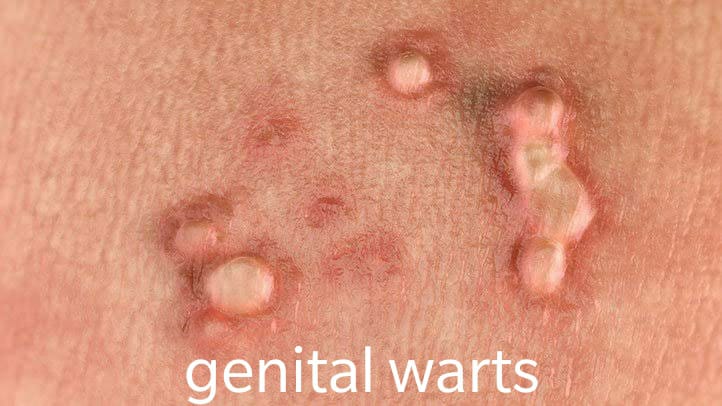
Vulval and vaginal skin infections
The vulva (Latin for womb or covering) consists of several layers that cover and protect the sexual organs and urinary opening. The fleshy outer lips of the vulva — the labia majora — are covered with pubic hair and contain fat that helps cushion the area. Inside the labia majora are the thinner, more pigmented …
Read More!
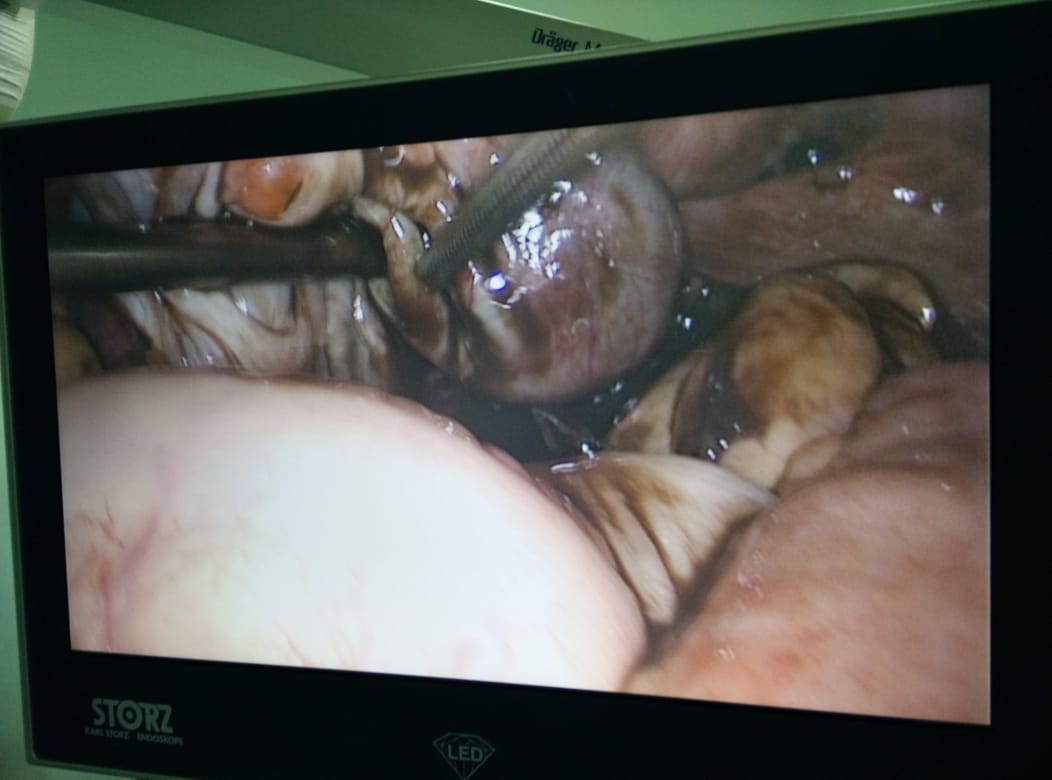
Ovarian cyst in the times of covid 19 pandemic
What are ovarian cysts? The ovaries are part of the female reproductive system. They’re located in the lower abdomen on both sides of the uterus. Women have two ovaries that produce eggs as well as the hormones estrogen and progesterone. Sometimes, a fluid-filled sac called a cyst will develop on one of the ovaries. Many women will …
Read More!
Heavy and painful periods
Heavy flows and achy cramps can be common experiences when many women have their periods. Periods that prevent you from doing everyday activities aren’t normal. Each woman’s menstrual flow and cycle are different. It may be hard to know if your period is normal, light, or heavy unless you talk with your doctor. Women lose an average …
Read More!
Vaginal infections – how to diagnose and treat
Vaginitis describes a few conditions that can cause infection or inflammation of your vagina. vulvovaginitis describes inflammation of both your vagina and your vulva. Your vulva is the external part of your genitals. Read on to learn more about what causes different types of vaginal infections and what you can do about it. What should I look for with …
Read More!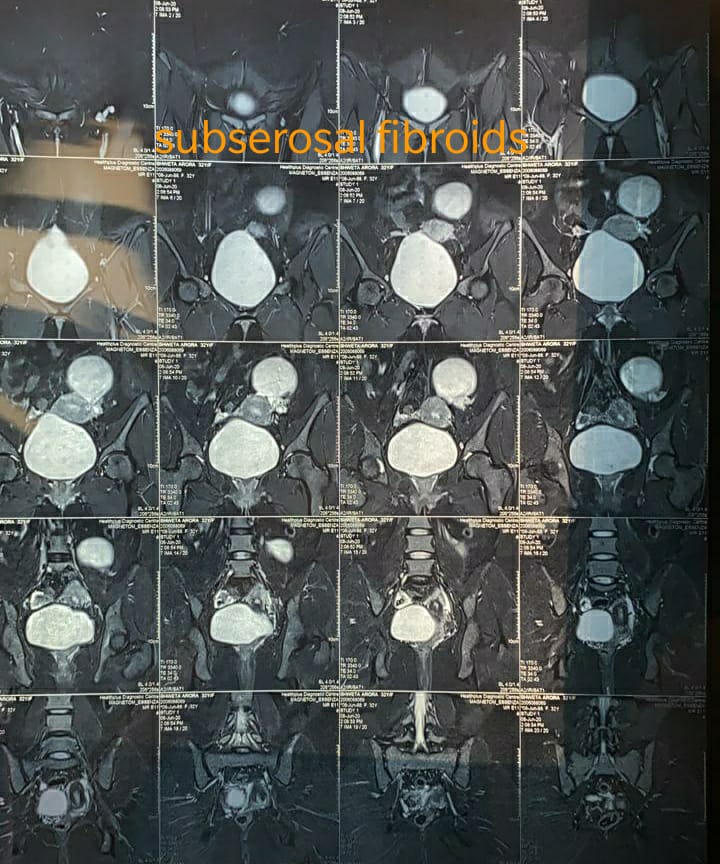
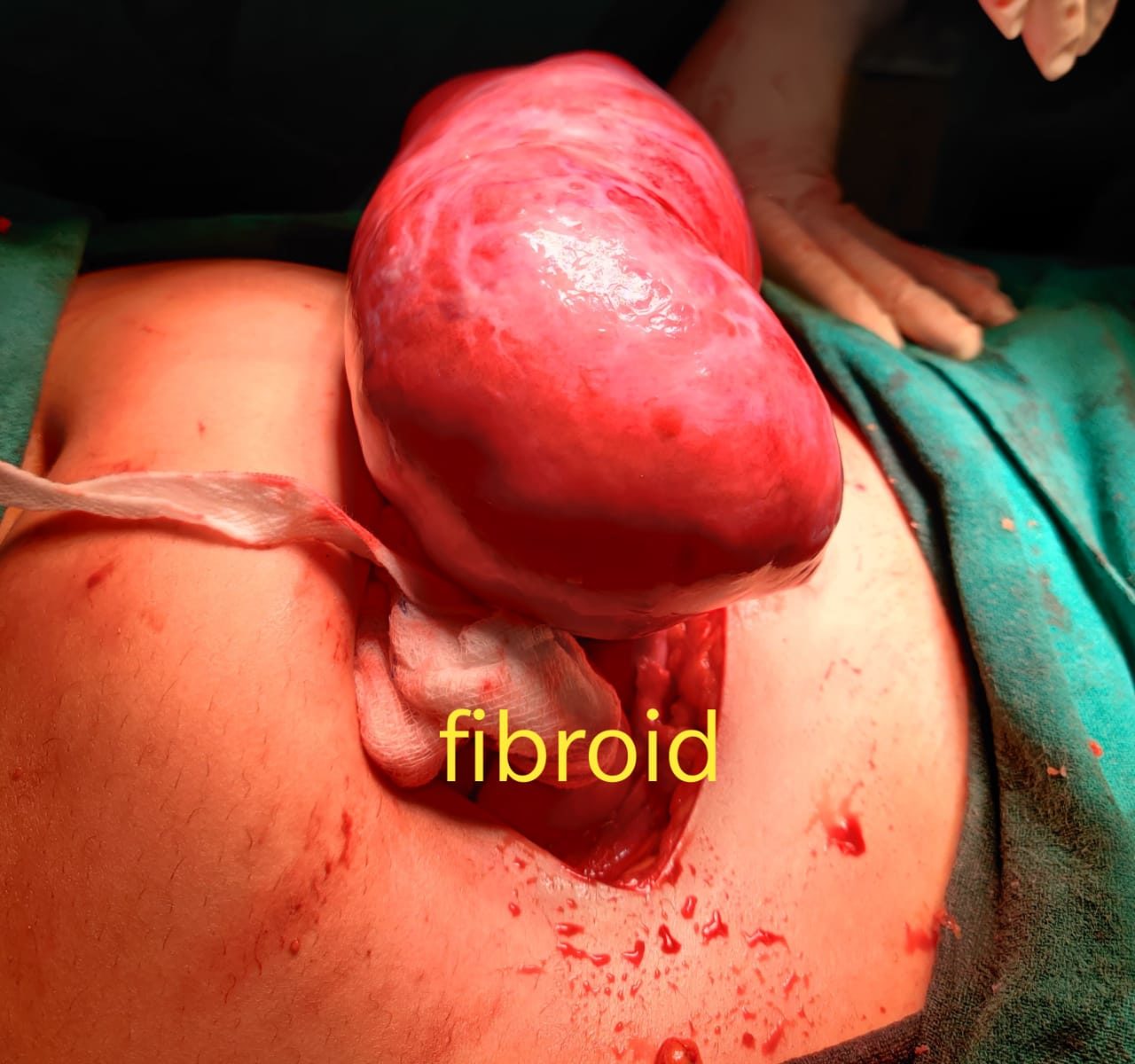
Fibroids in the time of covid pandemic
What are fibroids? Fibroids are abnormal growths that develop in or on a woman’s uterus. Sometimes these tumors become quite large and cause severe abdominal pain and heavy periods. In other cases, they cause no signs or symptoms at all. The growths are typically benign, or noncancerous. The cause of fibroids is unknown. Fibroids are …
Read More!
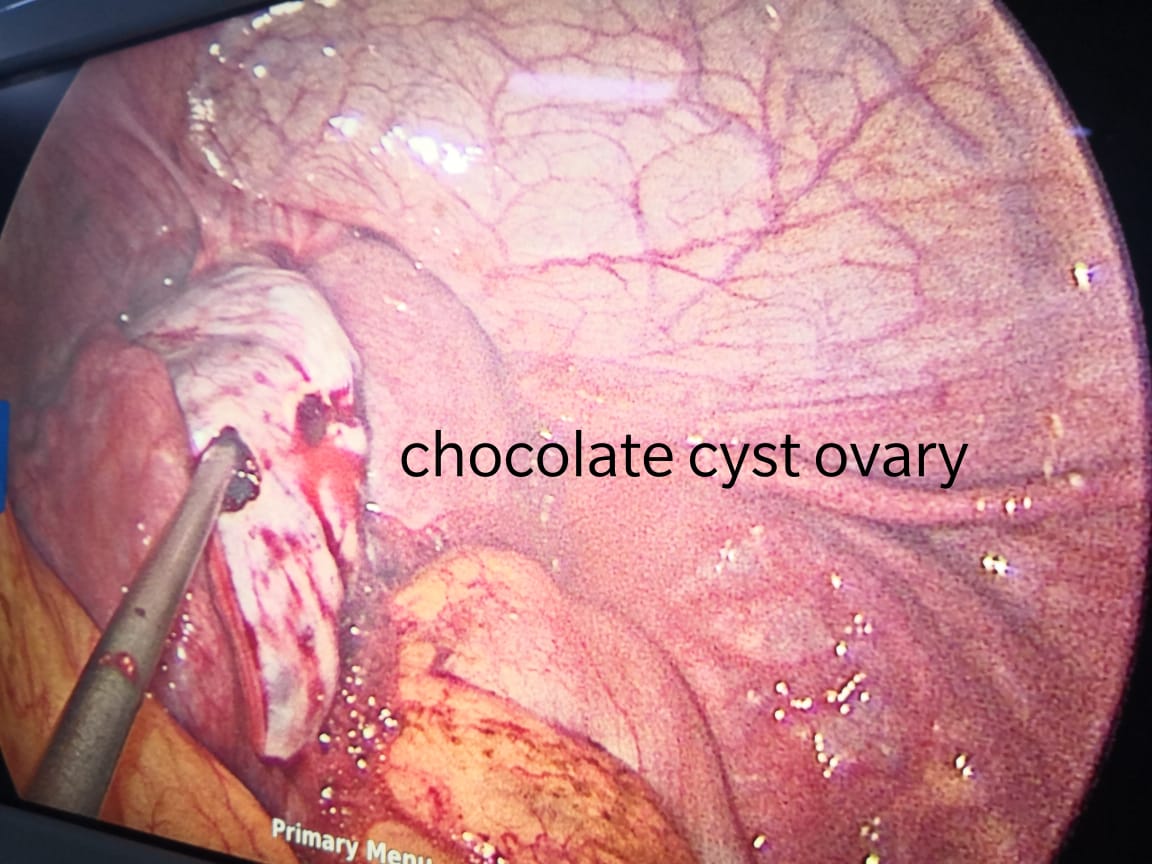
Endometriotic or chocolate cyst of the ovary
Chocolate cysts are noncancerous, fluid-filled cysts that typically form deep within the ovaries. They get their name from their brown, tar-like appearance, looking something like melted chocolate. They’re also called ovarian endometriomas. The color comes from old menstrual blood and tissue that fills the cavity of the cyst. A chocolate cyst can affect one or …
Read More!
Exercises and physical activity for Pregnancy and normal delivery
Suitable activities during pregnancy are brisk walking, swimming, indoor stationary cycling, prenatal yoga, and low-impact aerobics, guided by a certified aerobics instructor. Some special exercises can help prepare for labor. These carry little risk of injury, they benefit the entire body, and they can continue until delivery. Brisk walking If pre-pregnancy exercise levels were low, …
Read More!
Abortion in the times of the corona virus pandemic
The COVID-19 crisis has starkly revealed the patchy and precarious provision of abortion in India, deepening existing inequalities in access. What was already an expensive procedure may be even less attainable for many women facing financial strain during the pandemic. Meanwhile, a shortage of staff and resources is likely to be affecting access for many women seeking an aborti
Read More!
How To Deal With Pregnancy In The Time Of Coronavirus
Unlike the Severe acute respiratory syndrome or SARS pandemic of 2003-2004, which was also caused by a Corona virus, pregnant mothers are not in the higher risk bracket from COVID-19. Stressful, even during normal times, pregnancy can be deeply disturbing during a pandemic induced lockdown. Even more so if you or someone close to you …
Read More!
PCOD- irregular periods and other things
What Is PCOS? Polycystic ovarian syndrome, or PCOS, is a hormonal condition that women can get during their childbearing years. It can affect your ability to have a child . It can also: Stop your periods or make them hard to predict Cause acne and unwanted body and facial hair Raise your risk of other health problems, including diabetes and high …
Read More!