
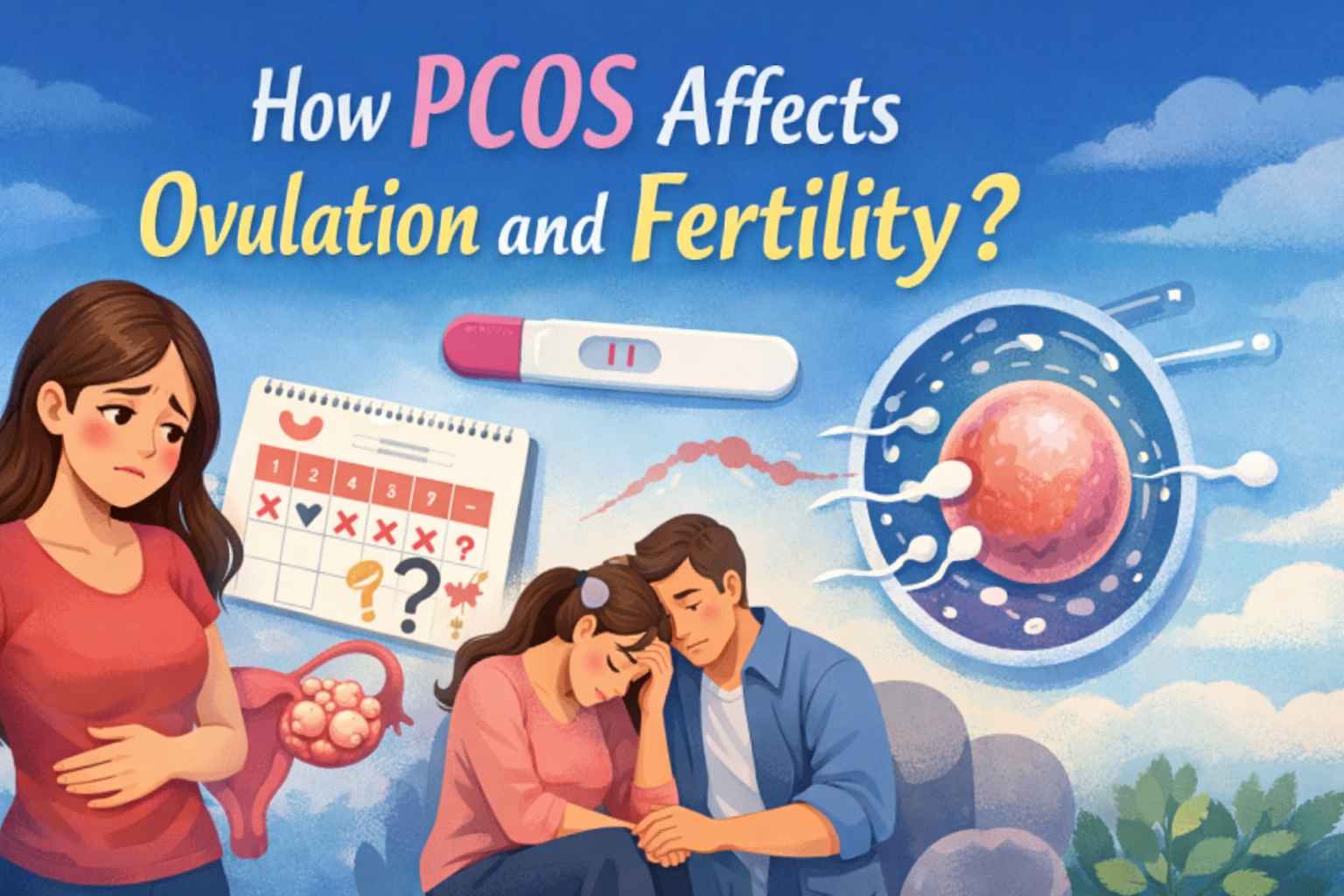
PCOS doctor in South Delhi is a phrase many women search for when irregular periods, stubborn acne, or difficulty conceiving become part of everyday life. Polycystic Ovary Syndrome (PCOS) is one of the most common hormonal disorders affecting women of reproductive age, and its impact on ovulation plays a major role in fertility challenges. Understanding how PCOS works is the first step toward managing it effectively and improving the chances of conception.
Understanding PCOS: A Hormonal Imbalance
PCOS is primarily a hormonal condition where the ovaries produce higher-than-normal levels of androgens (male hormones). This imbalance interferes with the normal development and release of eggs during the menstrual cycle. Instead of a single mature egg being released each month, multiple small follicles may form in the ovaries but fail to ovulate.
This disruption affects the regularity of periods and makes predicting ovulation difficult, which directly impacts fertility.
How PCOS Disrupts Ovulation?
Ovulation depends on a precise balance of hormones such as estrogen, progesterone, luteinizing hormone (LH), and follicle-stimulating hormone (FSH). In women with PCOS, this balance is disturbed. Elevated insulin levels, commonly seen in PCOS, stimulate the ovaries to produce more androgens. High androgen levels prevent follicles from maturing properly.
As a result, ovulation may be delayed, irregular, or may not occur at all. Without regular ovulation, natural conception becomes more challenging.
PCOS and Its Effect on Fertility
Irregular or absent ovulation is the main reason PCOS affects fertility, but it’s not the only factor. Women with PCOS may also experience poor egg quality, changes in the uterine lining, and hormonal fluctuations that make implantation difficult. Despite these challenges, it’s important to know that PCOS does not mean permanent infertility.
With timely diagnosis and the right PCOS treatment in South Delhi, many women successfully conceive, either naturally or with medical support.
The Role of Lifestyle and Medical Care
Lifestyle changes can significantly improve ovulation in women with PCOS. Maintaining a healthy weight, eating a balanced diet, exercising regularly, and managing stress help regulate insulin levels and restore hormonal balance. Even a modest weight loss can trigger more regular ovulation in some women.
Medical support is equally important. A good gynecologist in South Delhi can guide patients through hormone evaluations, ultrasound monitoring, and customized treatment plans that may include ovulation-inducing medications.
Hope for Women Trying to Conceive
PCOS is a lifelong condition, but its symptoms and fertility-related effects can be managed with the right approach. Early intervention, regular follow-ups, and personalized care improve ovulation patterns and increase the chances of a healthy pregnancy.
If you’re struggling with irregular cycles or difficulty conceiving, consulting a specialist for PCOS treatment in South Delhi can help you take confident steps toward better reproductive health and fertility outcomes.