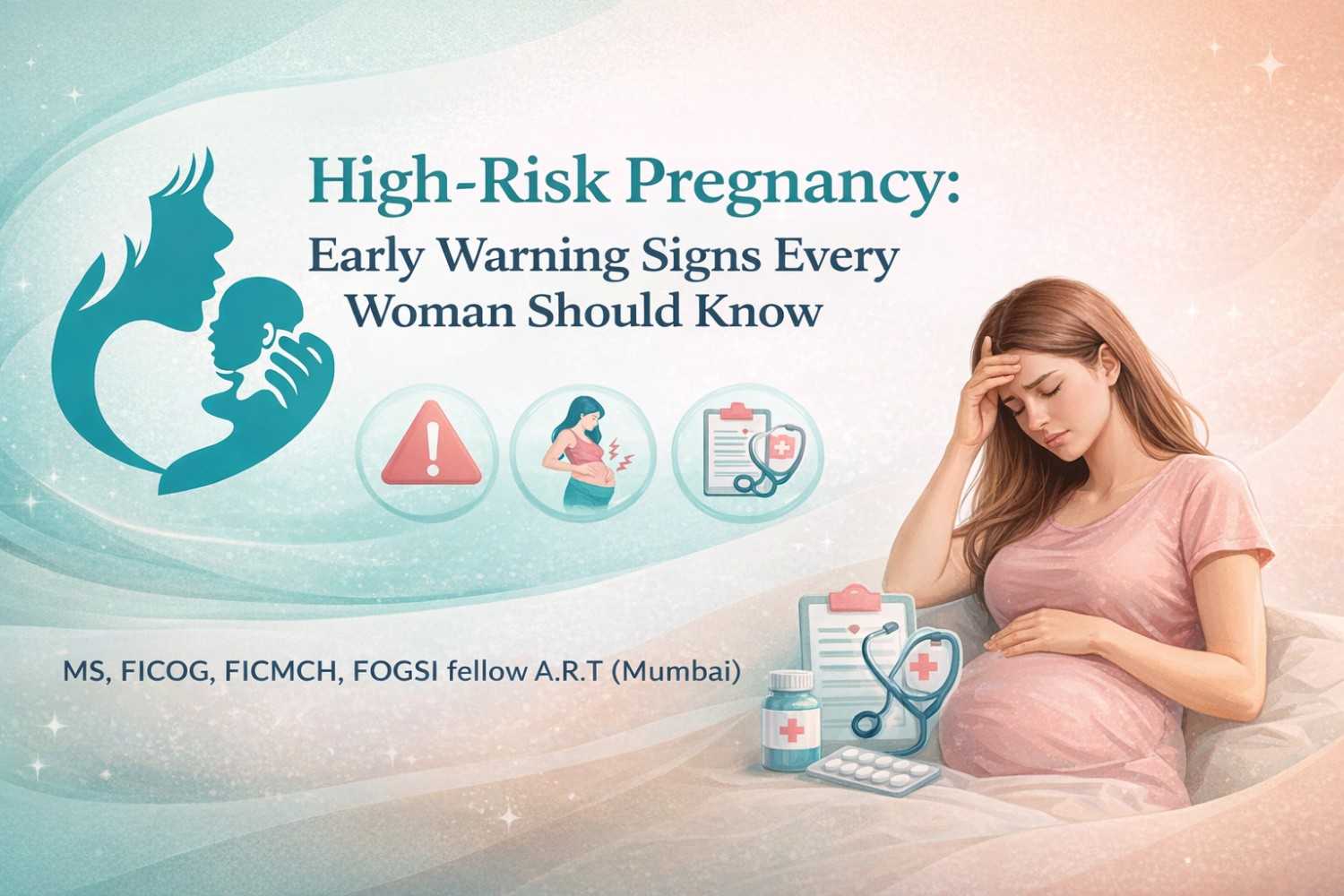
High-Risk Pregnancy: Early Warning Signs Every Woman Should Know

pregnancy doctor in South Delhi

Pregnancy is often described as a beautiful journey, but for some women, it can come with added complications that require special attention. A high-risk pregnancy means that the mother, the baby, or both may face increased health challenges before, during, or after delivery. Consulting the best gynaecologist in South Delhi early on can make a significant difference in identifying risks and ensuring proper care.

What is a High-Risk Pregnancy?

A pregnancy is termed “high-risk” when there are potential complications that could affect the health of the mother or baby. These risks may arise due to pre-existing medical conditions, age (below 17 or above 35), lifestyle factors, or complications that develop during pregnancy, such as gestational diabetes or high blood pressure.

Understanding these risks is not meant to create fear, but to encourage awareness and timely medical intervention.

Early Warning Signs You Should Never Ignore

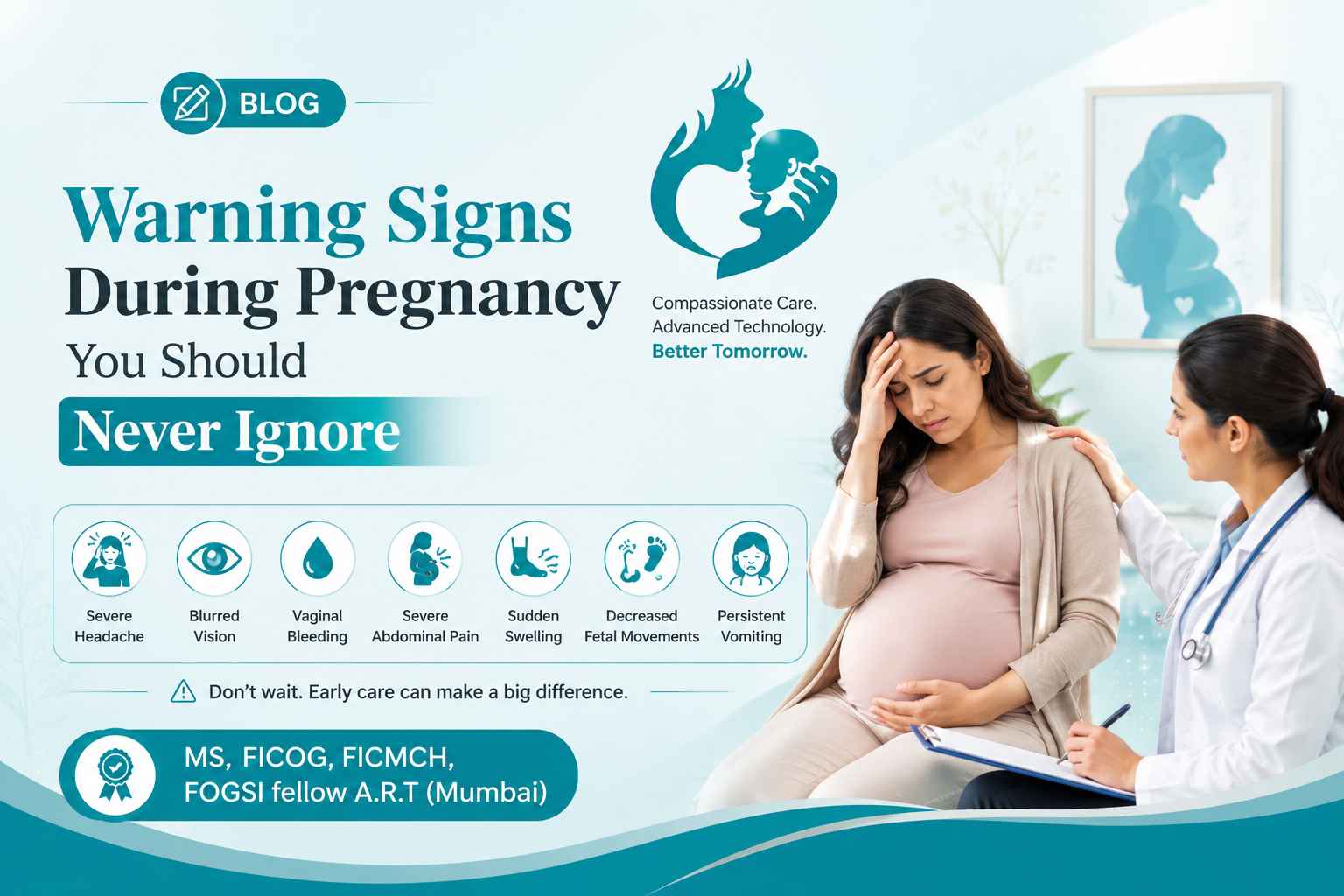
Recognizing the early signs of a high-risk pregnancy is crucial. Here are some symptoms that require immediate medical attention:

Severe or Persistent Abdominal Pain

Mild discomfort is common, but sharp or ongoing pain could indicate issues like ectopic pregnancy or placental problems.

Heavy Bleeding or Spotting

Light spotting is normal, especially in the early stages of pregnancy. However, heavy bleeding or clots may signal miscarriage or other serious complications.

Severe Headaches and Blurred Vision

These could be early signs of preeclampsia, a condition marked by high blood pressure that can become dangerous if untreated.

Swelling of Hands, Face, or Feet

While slight swelling is normal, sudden or excessive swelling may indicate underlying health issues.

Reduced Baby Movement

Later in pregnancy, a noticeable decrease in fetal movement should never be ignored and must be checked immediately.

Who is More at Risk?

Certain factors increase the likelihood of a high-risk pregnancy:

  • Pre-existing conditions like diabetes, thyroid disorders, or hypertension
  • Conditions like PCOS, where consulting a PCOS doctor in South Delhi becomes essential
  • Multiple pregnancies (twins or more)
  • History of miscarriage or premature birth
  • Lifestyle habits such as smoking or poor nutrition

Regular prenatal check-ups help monitor these risks effectively.

How to Manage a High-Risk Pregnancy?

Managing a high-risk pregnancy requires a combination of medical care and lifestyle adjustments:

Regular Medical Check-ups

Frequent visits to a qualified specialist help track both maternal and fetal health.

Healthy Diet and Hydration

A balanced diet rich in nutrients supports the baby’s development and the mother’s well-being.

Stress Management

Emotional health plays a vital role. Practices like meditation, light exercise, and adequate rest can be beneficial.

Medication and Monitoring

In some cases, doctors may prescribe medications or recommend specific tests to prevent complications.

When to Seek Immediate Help?

If you experience any unusual symptoms such as intense pain, bleeding, dizziness, or sudden swelling, do not delay seeking medical care. Early intervention can prevent complications and ensure a safer pregnancy journey.

Final Thoughts

A high-risk pregnancy does not mean an unhealthy outcome—it simply requires extra care, awareness, and the right medical guidance. Staying informed about early warning signs empowers women to take timely action and protect their health and their baby’s future. Choosing the right pregnancy doctor in South Delhi ensures you receive expert care, personalized attention, and the support you need for a safe and healthy pregnancy.

How to Work with Your Doctor for Personalized PCOS Care?

PCOS doctor in South Delhi

Polycystic Ovary Syndrome (PCOS) is a complex hormonal condition that affects millions of women worldwide. Finding the right PCOS doctor in South Delhi is the first step toward understanding your unique symptoms and developing a care plan tailored specifically for you. Personalized care is essential because PCOS manifests differently in each individual, ranging from irregular periods and weight fluctuations to skin issues and fertility challenges. By actively collaborating with your doctor, you can navigate this condition more effectively and improve your overall well-being.

Understanding Your Symptoms

Before visiting your doctor, it’s important to track your symptoms carefully. Maintain a journal of your menstrual cycle, changes in weight, skin health, hair growth, and mood fluctuations. This detailed record provides your doctor with a clear picture of how PCOS is affecting you. Sharing this information helps a PCOD specialist doctor in South Delhi make informed decisions about the tests and treatments best suited to your needs. Personalized care begins with understanding your body and its specific challenges.

Preparing for Your Appointment

When you schedule a consultation, prepare a list of questions and concerns. Some important topics might include:

  • What tests are necessary to confirm a PCOS diagnosis?
  • What lifestyle changes could support my treatment?
  • Are there any fertility considerations I should be aware of?
  • How will my treatment plan be monitored over time?

Being proactive and organized during your visit ensures that no aspect of your health is overlooked. Your doctor can then craft a treatment strategy that addresses your individual symptoms rather than a generic approach.

Exploring Personalized Treatment Options

PCOS management often requires a combination of lifestyle changes, medications, and sometimes fertility interventions. Your doctor may recommend dietary adjustments, regular exercise, or stress management techniques alongside medical treatment. When discussing options, make sure to highlight any preferences or concerns you have, whether related to side effects of medications or the feasibility of certain lifestyle recommendations. This open dialogue enables your doctor to create a plan that fits seamlessly into your daily life.

Monitoring Progress and Adjusting Care

Regular follow-ups are crucial to track the effectiveness of your treatment plan. Your doctor may adjust medications, suggest new therapies, or recommend further testing depending on your progress. By maintaining consistent communication, you ensure that your PCOS management remains dynamic and responsive to your needs. Remember, managing PCOS is a journey, not a one-time fix, and your partnership with your doctor is the cornerstone of success.

Choosing the Right PCOS Treatment in South Delhi

Ultimately, working closely with a healthcare professional allows you to receive truly PCOS treatment in South Delhi that is tailored to your unique situation. From personalized lifestyle strategies to specialized medical interventions, a collaborative approach empowers you to take control of your health. By finding the right doctor, preparing for consultations, and actively participating in your care, you set the stage for better symptom management, improved quality of life, and long-term wellness.

Why Annual Gynecological Checkups Are More Important Than You Think?

best gynaecologist in South Delhi

When life gets busy, women often put their own health at the bottom of the priority list. Work deadlines, family responsibilities, and social commitments usually come first. But scheduling a yearly visit with the best gynaecologist in South Delhi can be one of the most important decisions you make for your long-term well-being. An annual checkup is not just about addressing problems—it’s about preventing them before they begin.

Many women believe they only need to see a doctor when something feels wrong. However, several gynecological conditions develop silently. Issues like fibroids, ovarian cysts, thyroid imbalances, and even early-stage cervical changes may not show clear symptoms in the beginning. A routine visit to a trusted gynecologist in South Delhi ensures that any hidden concerns are detected early, making treatment simpler and more effective.

Early Detection Can Make All the Difference

Preventive care is powerful. During an annual exam, your doctor may recommend screenings such as a Pap smear, breast examination, pelvic ultrasound, or hormonal tests, depending on your age and medical history. These tests are designed to catch potential health issues before they become serious.

For women dealing with irregular periods, acne, unexplained weight gain, or excessive hair growth, consulting a qualified PCOS doctor in South Delhi during your yearly checkup can help identify conditions like PCOS at an early stage. Early diagnosis allows better lifestyle management and reduces the risk of long-term complications such as diabetes or fertility challenges.

It’s Not Just About Reproductive Health

Gynecological visits are often misunderstood as being relevant only for pregnancy or menstrual concerns. In reality, they cover much more. Your annual appointment is an opportunity to discuss mental health changes, sexual wellness, contraception options, menopause symptoms, and even bone health.

Women in their 20s may focus on cycle regularity and contraception, while women in their 40s and 50s may need guidance on perimenopause and hormonal balance. An experienced gynecologist in Greater Kailash or the nearby area understands these evolving needs and provides guidance tailored to your life stage.

Building a Comfortable Doctor–Patient Relationship

Another overlooked benefit of annual checkups is trust. When you visit the same doctor regularly, you build a relationship based on comfort and understanding. This makes it easier to discuss sensitive concerns without hesitation. Whether it’s unusual discharge, low libido, mood swings, or fertility questions, having a familiar medical professional by your side can make conversations less intimidating.

Consistency also helps your doctor track patterns over time—changes in menstrual cycles, recurring infections, or gradual hormonal shifts are easier to identify when there’s a documented history.

Prevention Is Always Better Than Cure

Certain conditions, like cervical cancer, breast abnormalities, and reproductive infections, can progress quietly. Regular screenings dramatically lower risks through early detection. Even lifestyle advice offered during these visits—regarding diet, exercise, stress management, and supplements—can contribute to long-term health improvements.

Think of your annual gynecological visit as a wellness investment rather than a medical obligation. It empowers you with knowledge about your body and gives you clarity about what is normal and what needs attention.

In the long run, prioritizing your yearly appointment with a trusted gynecologist in South Delhi can save you from unnecessary complications and emotional stress. Your health deserves consistent care, not occasional attention. Annual checkups are not just routine—they are a proactive step toward a healthier, more confident you.

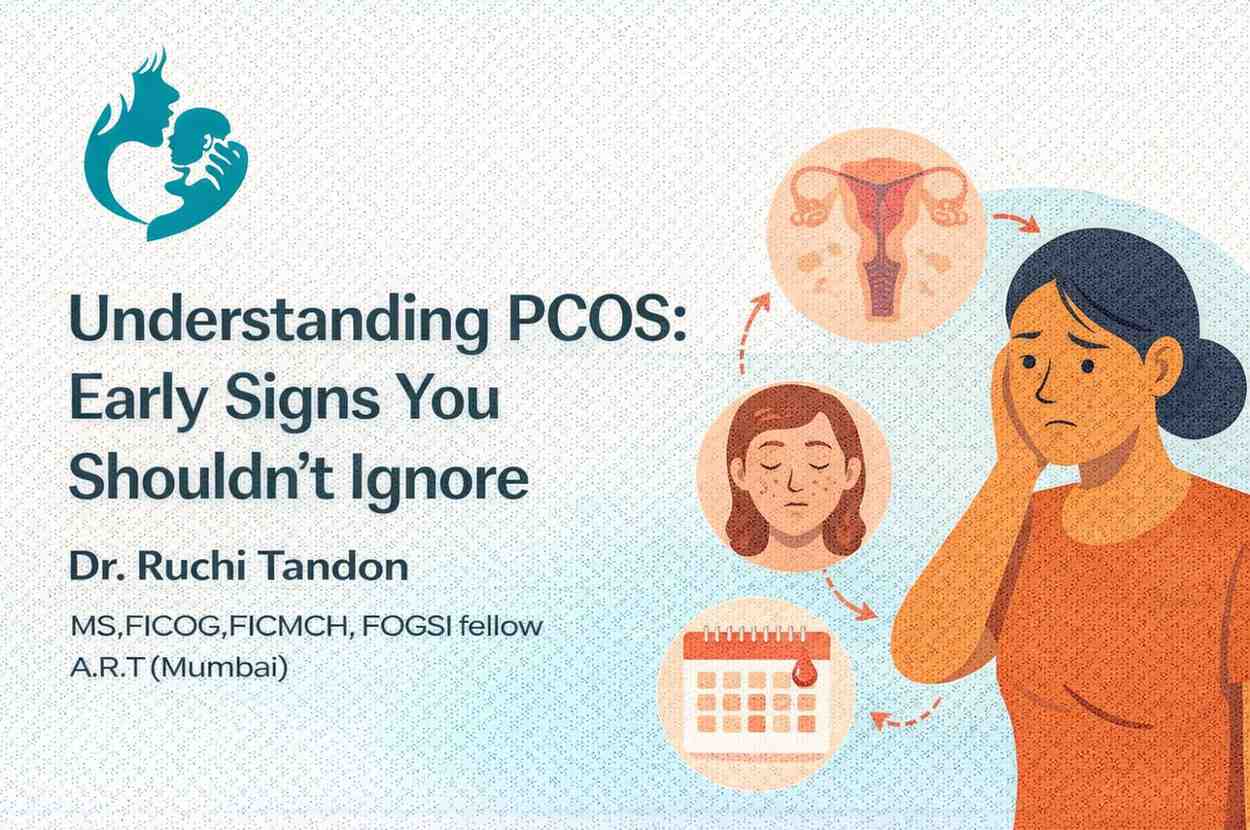
Understanding PCOS: Early Signs You Shouldn’t Ignore

PCOS doctor in South Delhi

Polycystic Ovary Syndrome (PCOS) is becoming increasingly common among women of reproductive age, yet many still struggle to identify its early symptoms. Often, the signs are subtle and easily dismissed as stress, poor lifestyle habits, or temporary hormonal changes. However, paying attention to these signals can make a big difference in managing the condition effectively. If you notice persistent symptoms, consulting the best gynecologist in South Delhi can help you get timely guidance and clarity.

What Is PCOS?

PCOS is a hormonal imbalance that affects the functioning of the ovaries. Women with this condition may experience irregular ovulation, higher levels of male hormones (androgens), and sometimes small fluid-filled sacs in the ovaries. While the exact cause is not fully understood, factors like genetics, insulin resistance, and lifestyle play a role.

Early diagnosis is important because untreated PCOS can increase the risk of infertility, diabetes, weight gain, and even heart-related issues later in life.

Early Signs You Shouldn’t Ignore

Irregular Periods

Irregular menstrual cycle tops the commonest signs of PCOS. This could mean missed periods, very light bleeding, or cycles that stretch beyond 35 days. If your periods are unpredictable for several months, it’s time to seek advice from a trusted PCOS doctor in South Delhi.

Excessive Hair Growth or Acne

Higher androgen levels can lead to unwanted facial hair, chest hair, or stubborn acne that doesn’t respond to regular skincare treatments. These symptoms are often brushed aside as cosmetic concerns, but they may indicate an underlying hormonal issue.

Sudden Weight Gain

Many women with PCOS struggle with unexplained weight gain, especially around the abdomen. Insulin resistance makes it harder for the body to process sugar effectively, leading to increased fat storage.

Thinning Hair on the Scalp

While hair growth may increase in unwanted areas, some women experience hair thinning or hair loss on the scalp. This pattern is another hormonal red flag.

Difficulty Conceiving

Irregular ovulation can make it challenging to conceive. If you have been trying for pregnancy without success and also notice other symptoms, seeking professional evaluation is essential. A good gynecologist in South Delhi can recommend appropriate tests and guide you on the next steps.

Why Early Diagnosis Matters?

Ignoring the early signs of PCOS can lead to long-term complications. Over time, the condition may increase the risk of type 2 diabetes, high cholesterol, and endometrial issues. The good news is that PCOS can be managed effectively with lifestyle changes, medication, and regular monitoring.

Balanced nutrition, regular exercise, stress management, and medical support all play a role in controlling symptoms. Personalized PCOS treatment in South Delhi often includes hormonal therapy, insulin-sensitizing medications, and fertility-focused care when needed.

When Should You See a Doctor?

If your symptoms persist for more than two or three months, don’t ignore them. Early action can prevent complications and improve your quality of life. Choosing the best gynecologist in South Delhi ensures you receive accurate diagnosis, compassionate care, and a treatment plan tailored to your body’s needs.

PCOS is manageable with the right support. Listening to your body and seeking medical advice at the right time can make all the difference in protecting your long-term health and well-being.

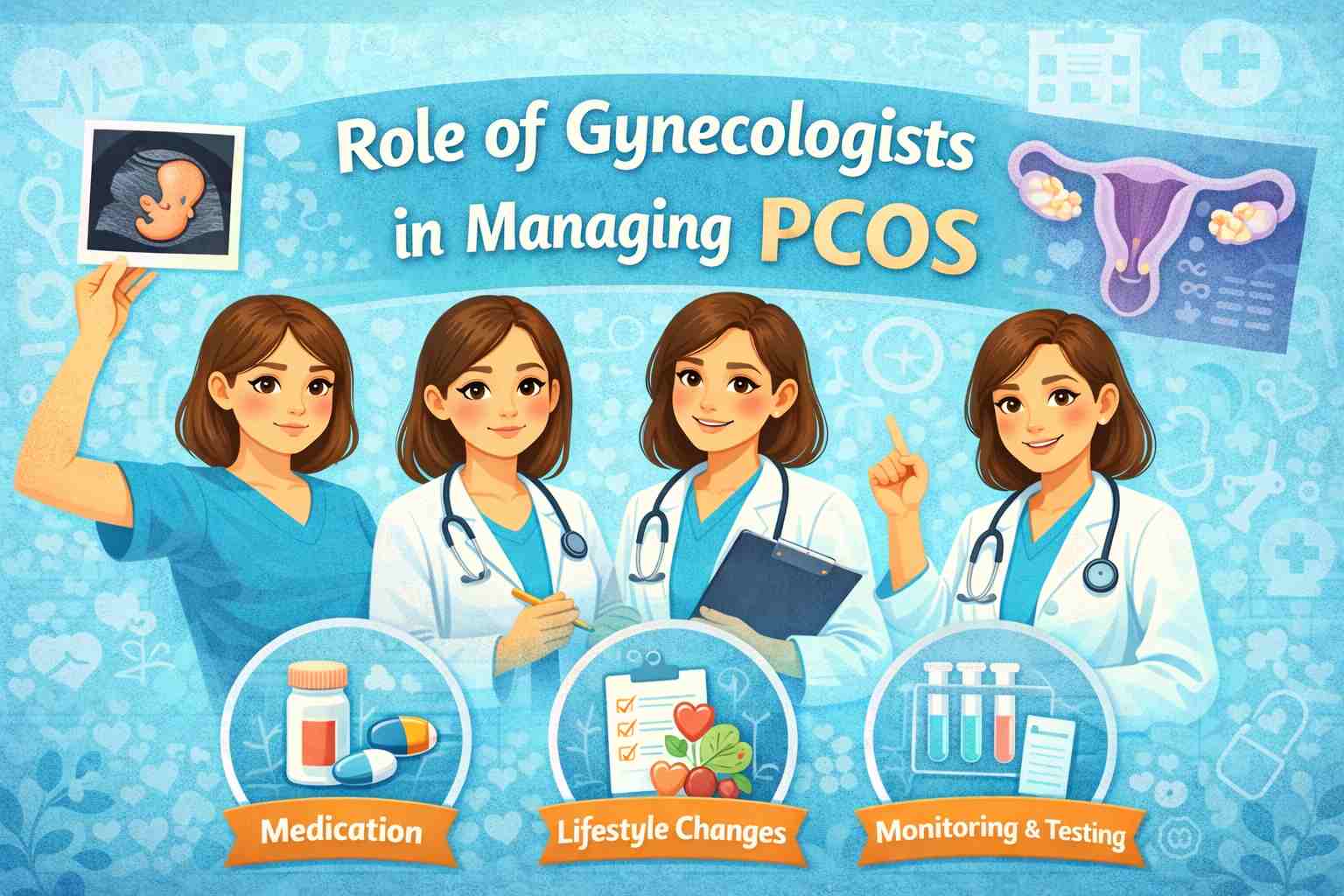
Role of Gynecologists in Managing PCOS

best gynecologist doctor in South Delhi

The best gynecologist doctor in South Delhi plays a crucial role in helping women understand, manage, and live well with Polycystic Ovary Syndrome (PCOS). PCOS is a common hormonal disorder that affects women of reproductive age and can impact menstrual health, fertility, weight, and overall well-being. Since symptoms vary widely from one woman to another, professional gynecological care becomes essential for accurate diagnosis and long-term management.

Understanding PCOS and Its Impact on Women’s Health

PCOS is characterized by hormonal imbalance, irregular menstrual cycles, and the presence of multiple small cysts in the ovaries. Women with PCOS may experience symptoms such as acne, excessive hair growth, weight gain, mood changes, and difficulty conceiving. Beyond physical symptoms, the condition can also affect emotional health, leading to stress and anxiety if left unmanaged.

Early diagnosis is key to preventing complications such as diabetes, heart disease, and infertility. This is where timely consultation with an experienced gynecologist becomes invaluable.

Accurate Diagnosis and Individualized Assessment

A gynecologist begins PCOS management with a thorough evaluation, which includes understanding medical history, menstrual patterns, lifestyle habits, and family history. Diagnostic tools such as ultrasound scans, blood tests, and hormone level assessments help confirm the condition.

Between symptoms and long-term health risks, choosing the best gynecologist in South Delhi ensures that diagnosis is not rushed or generalized. Instead, the focus remains on understanding how PCOS uniquely affects each patient, allowing for a more personalized care plan.

Creating a Personalized Treatment Plan

PCOS does not have a one-size-fits-all treatment. Gynecologists tailor treatment plans based on a woman’s age, symptoms, and future goals such as pregnancy. Management may include regulating menstrual cycles, controlling hormone levels, and addressing visible symptoms like acne or hair growth.

Lifestyle modification is often the foundation of PCOS management. Gynecologists guide patients on diet changes, weight management, and physical activity that can significantly reduce symptoms. In the middle of treatment planning, medication may be introduced to regulate periods, improve insulin sensitivity, or support ovulation when needed.

A skilled PCOS doctor in South Delhi ensures that medical treatment and lifestyle guidance work hand in hand for sustainable results.

Fertility Support and Reproductive Guidance

For women trying to conceive, PCOS can be emotionally challenging. Gynecologists play a vital role in fertility counseling by monitoring ovulation, prescribing fertility-supporting medications, and offering reassurance throughout the journey.

They also help patients understand when advanced reproductive techniques may be necessary and ensure that decisions are made with clarity and confidence. Emotional support during this phase is just as important as medical care, and a compassionate gynecologist helps reduce anxiety related to fertility concerns.

Long-Term Monitoring and Preventive Care

PCOS is a lifelong condition that requires regular follow-ups. Gynecologists monitor hormonal balance, metabolic health, and menstrual regularity over time. Preventive care includes screening for diabetes, cholesterol issues, and cardiovascular risks, which are more common in women with PCOS.

By maintaining consistent medical supervision, women can avoid complications and lead a healthy, balanced life. With proper guidance from the best gynecologist doctor in South Delhi, managing PCOS becomes a structured, supportive, and empowering journey rather than a constant struggle.

How PCOS Affects Ovulation and Fertility?

PCOS doctor in South Delhi

PCOS doctor in South Delhi is a phrase many women search for when irregular periods, stubborn acne, or difficulty conceiving become part of everyday life. Polycystic Ovary Syndrome (PCOS) is one of the most common hormonal disorders affecting women of reproductive age, and its impact on ovulation plays a major role in fertility challenges. Understanding how PCOS works is the first step toward managing it effectively and improving the chances of conception.

Understanding PCOS: A Hormonal Imbalance

PCOS is primarily a hormonal condition where the ovaries produce higher-than-normal levels of androgens (male hormones). This imbalance interferes with the normal development and release of eggs during the menstrual cycle. Instead of a single mature egg being released each month, multiple small follicles may form in the ovaries but fail to ovulate.

This disruption affects the regularity of periods and makes predicting ovulation difficult, which directly impacts fertility.

How PCOS Disrupts Ovulation?

Ovulation depends on a precise balance of hormones such as estrogen, progesterone, luteinizing hormone (LH), and follicle-stimulating hormone (FSH). In women with PCOS, this balance is disturbed. Elevated insulin levels, commonly seen in PCOS, stimulate the ovaries to produce more androgens. High androgen levels prevent follicles from maturing properly.

As a result, ovulation may be delayed, irregular, or may not occur at all. Without regular ovulation, natural conception becomes more challenging.

PCOS and Its Effect on Fertility

Irregular or absent ovulation is the main reason PCOS affects fertility, but it’s not the only factor. Women with PCOS may also experience poor egg quality, changes in the uterine lining, and hormonal fluctuations that make implantation difficult. Despite these challenges, it’s important to know that PCOS does not mean permanent infertility.

With timely diagnosis and the right PCOS treatment in South Delhi, many women successfully conceive, either naturally or with medical support.

The Role of Lifestyle and Medical Care

Lifestyle changes can significantly improve ovulation in women with PCOS. Maintaining a healthy weight, eating a balanced diet, exercising regularly, and managing stress help regulate insulin levels and restore hormonal balance. Even a modest weight loss can trigger more regular ovulation in some women.

Medical support is equally important. A good gynecologist in South Delhi can guide patients through hormone evaluations, ultrasound monitoring, and customized treatment plans that may include ovulation-inducing medications.

Hope for Women Trying to Conceive

PCOS is a lifelong condition, but its symptoms and fertility-related effects can be managed with the right approach. Early intervention, regular follow-ups, and personalized care improve ovulation patterns and increase the chances of a healthy pregnancy.

If you’re struggling with irregular cycles or difficulty conceiving, consulting a specialist for PCOS treatment in South Delhi can help you take confident steps toward better reproductive health and fertility outcomes.

PCOS in Teenagers: Early Signs Parents Should Watch

PCOS doctor in South Delhi

Polycystic Ovary Syndrome (PCOS) is no longer a condition seen only in adult women. Increasingly, teenagers are being diagnosed with PCOS, often after months or even years of overlooked symptoms. Consulting a PCOS doctor in South Delhi at the right time can make a significant difference in managing the condition early and preventing long-term health complications.

What Is PCOS and Why Early Detection Matters?

PCOS is a hormonal disorder that affects the normal functioning of the ovaries. In teenagers, its symptoms can overlap with normal pubertal changes, which makes early detection tricky. However, ignoring early warning signs may lead to issues such as irregular periods, insulin resistance, fertility problems later in life, and emotional stress during crucial developmental years.

Parents play a vital role in spotting subtle changes and seeking timely medical advice.

Early Signs of PCOS Parents Should Watch For

1. Irregular Menstrual Cycles

While irregular periods are common in the first year after menarche, cycles that remain unpredictable, absent, or excessively heavy beyond two years may indicate PCOS.

2. Excessive Hair Growth or Hair Thinning

Unusual hair growth on the face, chest, or back (hirsutism), or noticeable thinning of scalp hair, may point to hormonal imbalance caused by elevated androgen levels.

3. Persistent Acne

Teen acne is common, but acne that is severe, cystic, or resistant to regular treatments can be a red flag.

4. Sudden or Unexplained Weight Gain

PCOS is often associated with insulin resistance, making weight management difficult despite a healthy diet and activity.

5. Darkened Skin Patches (Acanthosis Nigricans)

Dark, velvety patches on the neck, underarms, or groin area may signal insulin resistance linked to PCOS.

Emotional and Mental Health Indicators

PCOS doesn’t just affect physical health. Teenagers may experience mood swings, anxiety, low self-esteem, or signs of depression due to hormonal changes and body image concerns. Seeking guidance from an experienced best gynecologist in South Delhi can help address both physical symptoms and emotional well-being.

When Should Parents Seek Medical Advice?

If multiple symptoms persist for several months, it’s important not to dismiss them as “just teenage changes.” A gynecologist may recommend hormonal tests, ultrasound evaluations, and lifestyle assessments to confirm the diagnosis.

Early intervention often focuses on lifestyle modifications, balanced nutrition, physical activity, and, when necessary, medical treatment tailored to the teenager’s age and needs.

Supporting Your Teen Through PCOS

Open communication is key. Encourage healthy habits without blame or pressure, and reassure your child that PCOS is manageable with the right care. Early diagnosis empowers teenagers to understand their bodies better and take control of their health journey.

In conclusion, recognizing the early signs of PCOS can help parents protect their child’s long-term reproductive and metabolic health. Timely consultation with a trusted PCOS doctor in South Delhi ensures personalized care, early management, and a healthier future for your teenager.

How PCOS Affects Teenagers: Symptoms & Early Diagnosis Tips

PCOS doctor in South Delhi

When a family visits a PCOS doctor in South Delhi because their teenager has been struggling with irregular cycles or sudden physical changes, one of the first things they learn is that Polycystic Ovary Syndrome (PCOS) often begins much earlier than most people realize. While PCOS is commonly discussed in relation to adult women, many girls start experiencing symptoms quietly during their teenage years—sometimes without even knowing something is wrong.

Why PCOS in Teens Is Often Overlooked?

Teenage bodies are naturally going through massive hormonal shifts, so it’s easy for symptoms of PCOS to blend in with what many assume is “normal puberty.” Irregular periods, acne, mood swings, or weight changes are usually dismissed as temporary teenage issues. But when these symptoms become persistent or unusually intense, they may indicate early signs of PCOS.

Early diagnosis plays a huge role in helping teens manage symptoms and avoid long-term complications like insulin resistance, fertility problems, or emotional stress. That’s why awareness—both for teens and their families—is incredibly important.

Common Symptoms of PCOS in Teenagers

1.     Irregular or Missed Periods

The most common sign is a menstrual cycle that never settles into a pattern. While it’s normal for teens to have slightly irregular periods at first, going months without a cycle or experiencing extremely heavy bleeding can signal PCOS.

2.     Persistent Acne

Acne that doesn’t respond to regular skincare or gets worse over time may be linked to excess androgens—hormones that are often elevated in girls with PCOS.

3.     Excess Facial or Body Hair

Hair growth on the chin, upper lip, chest, or stomach can be especially distressing for teenagers. This is one of the symptoms that most clearly points toward hormonal imbalance.

4.     Sudden or Unexplained Weight Gain

Some teens with PCOS struggle with weight even if they’re eating normally or staying active. Insulin resistance is a common factor.

5.     Hair Thinning on the Scalp

Another sign that many girls don’t associate with PCOS is hair loss or thinning, especially around the crown area.

6.     Mood Changes

Teenagers may experience heightened anxiety, low mood, or frustration due to hormonal fluctuations and body-image concerns caused by PCOS symptoms.

How Early Diagnosis Helps Teens?

The earlier PCOS is identified, the easier it is to manage. A timely diagnosis helps:

  • Regulate menstrual cycles
  • Reduce acne and excess hair
  • Manage weight more effectively
  • Improve mood and emotional stability
  • Prevent long-term metabolic issues

Doctors usually recommend a combination of lifestyle changes, supportive therapy, and sometimes medication to balance hormones. Teens who receive early guidance often see significant improvements over time.

What Parents Should Look Out For?

Parents should pay attention to patterns rather than isolated incidents. If a teen is constantly struggling with irregular cycles, unusual hair growth, emotional distress, or stubborn acne, it’s worth seeking professional advice. Open, gentle communication is key—many teens feel embarrassed discussing these topics unless approached with understanding.

Final Thoughts

PCOS can feel confusing and overwhelming for teenagers, but early support makes a world of difference. With proper guidance, lifestyle adjustments, and medical care, teens can manage symptoms effectively and lead healthy, confident lives. If you suspect PCOS or want a trusted opinion, consulting an experienced gynecologist in Greater Kailash can provide clarity, reassurance, and the right direction forward.

Weight Management Strategies for Women with PCOS

PCOS doctor in South Delhi

Polycystic Ovary Syndrome (PCOS) is more than just a reproductive issue; it’s a hormonal condition that frequently makes weight management feel like an uphill battle. The stubborn weight gain is often rooted in insulin resistance, where your body struggles to efficiently use the insulin it produces.

For women dealing with this, getting weight under control is essential not just for how you look, but for regulating menstrual cycles, improving fertility potential, and shielding against future health issues like Type 2 diabetes. Starting this journey with professional advice is crucial; consulting a dedicated PCOS doctor in South Delhi is the smart first step. They can look closely at your unique hormonal picture and design a treatment plan that actually works for you.

The Kitchen Strategy: Calming Insulin Spikes

You don’t need to starve yourself to manage PCOS weight; you need to eat in a way that soothes your insulin levels. This is the heart of the matter.

Prioritize Fiber and Complex Carbs

Think of refined, white carbohydrates (like sugary drinks or white bread) as fueling quick, high insulin spikes. To counter this, swap them out for high-fiber, low-glycemic-index (GI) foods. This includes legumes, most vegetables, oats, and brown rice. Fiber acts like a brake, slowing down sugar absorption and reducing the insulin demand.

Balance Every Plate

Ensure each meal and snack contains lean protein (chicken, fish, paneer, tofu) and healthy fats (nuts, seeds, avocado). This dynamic duo keeps you feeling full longer and drastically helps stabilize blood sugar, minimizing the intense cravings PCOS often triggers.

Don’t Skip Meals

Irregular eating throws your blood sugar into a frenzy. Aim for consistent meal timing to maintain stability and prevent your body from holding onto fat in response to perceived stress or deprivation.

Movement Matters: Exercise for Hormones

Exercise for PCOS should be about hormonal support, not about burning calories in a punishing way. Overtraining can actually increase cortisol (a stress hormone), which works against weight loss.

Embrace Strength Training

Building muscle is non-negotiable. Muscle tissue is significantly more efficient at using glucose, directly improving insulin sensitivity—the main battleground of PCOS. You don’t need heavy weights; bodyweight exercises and resistance bands work great.

Find Joyful Movement

Aim for about 150 minutes of moderate exercise weekly. This could be dancing, a brisk walk in the park, or swimming. Crucially, pick activities you genuinely enjoy so they become a sustainable habit, rather than a dreaded chore. This mindful approach is a key part of effective PCOS treatment in South Delhi.

Lifestyle Anchor: Stress, Sleep, and Support

Hormones are exquisitely sensitive to lifestyle factors. Ignoring sleep or chronic stress is like trying to fix a leak while the tap is still running.

Optimize Your Sleep

Lack of sleep increases the stress hormone cortisol, which directly encourages your body to store fat around the abdomen. Aim for 7 to 9 hours of quality, uninterrupted sleep. Establishing a fixed bedtime routine is powerful medicine.

Master Your Stress

Find sustainable ways to switch off your ‘fight or flight’ mode. Practicing yoga, spending time outdoors, or committing to five minutes of daily deep breathing can lower chronic inflammation and cortisol, helping your body return to a balanced state.

Tackling PCOS weight challenges requires a comprehensive, compassionate strategy. It’s about healing your body from the inside out. For women seeking the highest level of care and diagnostic accuracy, finding the best gynaecologist in South Delhi who specializes in hormonal health will ensure you receive the personalized, science-backed guidance needed to turn your health around. You are not alone in this fight, and with the right strategy and support, real progress is absolutely achievable.

How PCOS Affects Fertility and Pregnancy?

Infertility Specialist in Greater Kailash

Polycystic Ovary Syndrome (PCOS) is way more than just a struggle with weight or acne; it’s a hormonal condition that directly messes with a woman’s ability to conceive and carry a pregnancy. For those navigating the difficult journey toward motherhood, understanding this connection is the first crucial step. If you’re currently facing unexplained difficulty getting pregnant, consulting an Infertility Specialist in Greater Kailash who focuses on endocrine-related fertility issues can offer the precise diagnostic and treatment guidance you need.

The Fertility Hurdle: Anovulation

The primary reason PCOS causes infertility is simple: it stops ovulation from happening reliably. A normal menstrual cycle involves a mature egg being released from the ovary each month. In women with PCOS, high levels of androgens (often called “male hormones”) and insulin resistance disrupt the delicate hormone balance required for the egg follicle to fully mature and release the egg.

Instead of ovulating, the ovaries develop many small, fluid-filled sacs—the “cysts” that give the syndrome its name. Without a regular, predictable release of an egg, conception becomes difficult, if not impossible. This condition, called anovulation, means that even when a woman does get pregnant, the hormonal imbalances that enabled the pregnancy might still pose a risk.

Pregnancy Risks to Be Aware Of

Getting pregnant is only half the battle; maintaining a healthy pregnancy is the next challenge. For women with PCOS, the underlying metabolic issues and hormonal fluctuations increase the risk of certain complications.

The most common concerns include:

·        Miscarriage

Studies show that women with PCOS face a higher risk of miscarriage, particularly in the first trimester. This is thought to be tied to insulin resistance and elevated androgen levels negatively impacting the uterine lining.

·        Gestational Diabetes Mellitus (GDM)

Since insulin resistance is a core feature of PCOS, it’s not surprising that these women are much more likely to develop GDM, which requires careful management during pregnancy.

·        Preeclampsia

This serious complication involves a sudden rise in blood pressure and can affect the mother’s organs.

·        Preterm Birth

Women with PCOS have an increased chance of delivering their baby before 37 weeks.

Working closely with a specialized professional, such as a dedicated PCOS doctor in South Delhi, is essential for monitoring these risks. They will implement management strategies, like dietary control, medication, and frequent check-ups, to improve both maternal and fetal outcomes.

Moving Towards a Healthy Conception

The good news is that PCOS is highly treatable, and the vast majority of women with this condition can go on to conceive and have healthy babies. Treatment typically begins with lifestyle adjustments, especially targeted weight loss (even a modest 5-10% loss can restore ovulation) and a diet focused on managing insulin levels.

If lifestyle changes don’t work, medical interventions become the next step. These may include ovulation-inducing drugs or, in some cases, assisted reproductive technologies like IVF. Every case is unique, requiring a personalized approach. By seeking expert care from a PCOD specialist doctor in South Delhi, you can receive a comprehensive treatment plan that addresses your specific hormonal profile, maximizing your chances of a smooth conception and a successful pregnancy. This journey demands patience, but with the right medical support, becoming a mother is a very achievable goal.