Ectopic pregnancy (tubal pregnancy) -the facts!
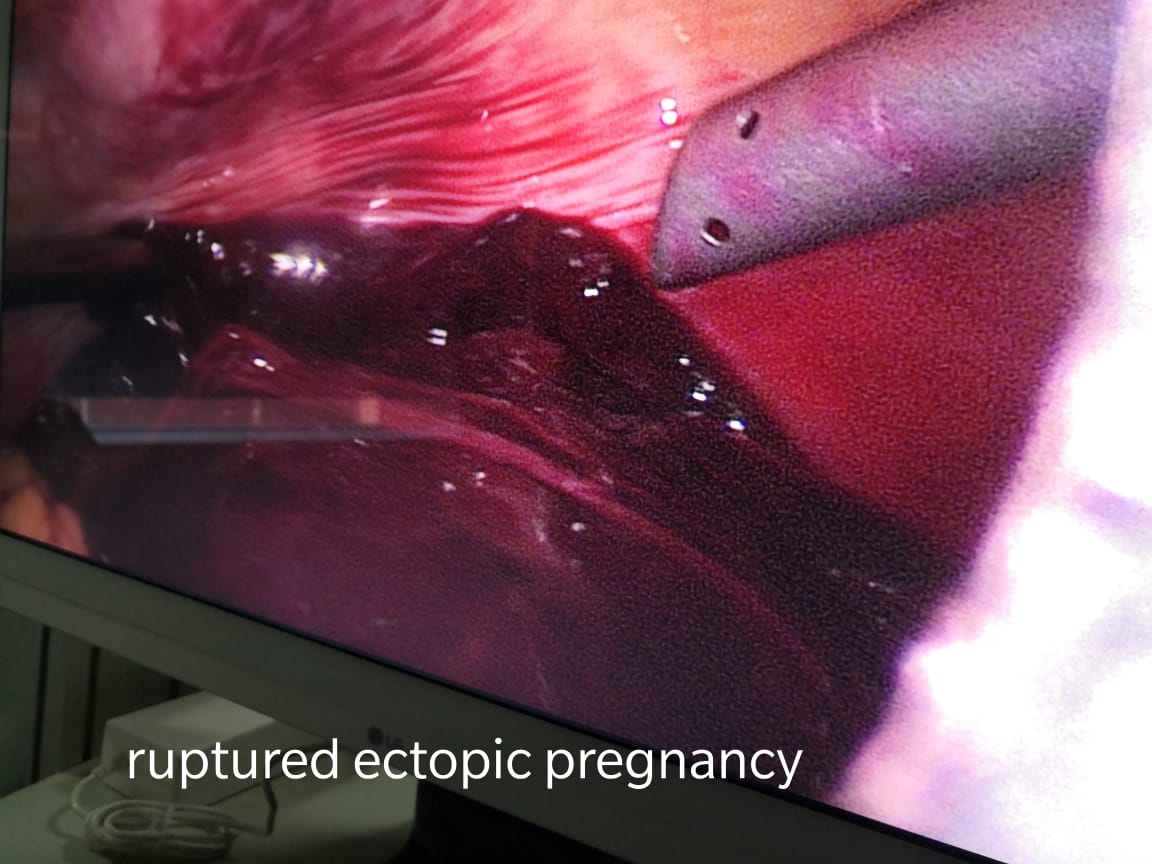
What is ectopic pregnancy? From fertilization to delivery, pregnancy occurs after a number of steps in a woman’s body. One of these steps is when a fertilized egg travels to the uterus to attach itself. In the case of an ectopic pregnancy, the fertilized egg doesn’t attach to the uterus. Instead, it may attach to the fallopian …
Read More!

Pregnancy after IVF treatment
Many infertile couples need treatment in different forms including Assisted Reproductive Techniques. In Vitro Fertilization and Embryo Transfer is the most advanced method of infertility treatment. Management of these pregnancies is difficult as the couples and treating doctors have undue concern and apprehension and worry about outcome of such pregnancies. IVF Pregnancy Test When can …
Read More!
Second opinion in your High risk pregnancy- choose the best Gynecologist
What conditions may lead to a high-risk pregnancy? The following list represents the most common conditions that can lead to a high-risk pregnancy, but note that not all women with these conditions will have a high-risk pregnancy. If you have diabetes before you become pregnant, you will likely be referred to a maternal-fetal medicine specialist …
Read More!
First trimester in your first time pregnancy- what to expect
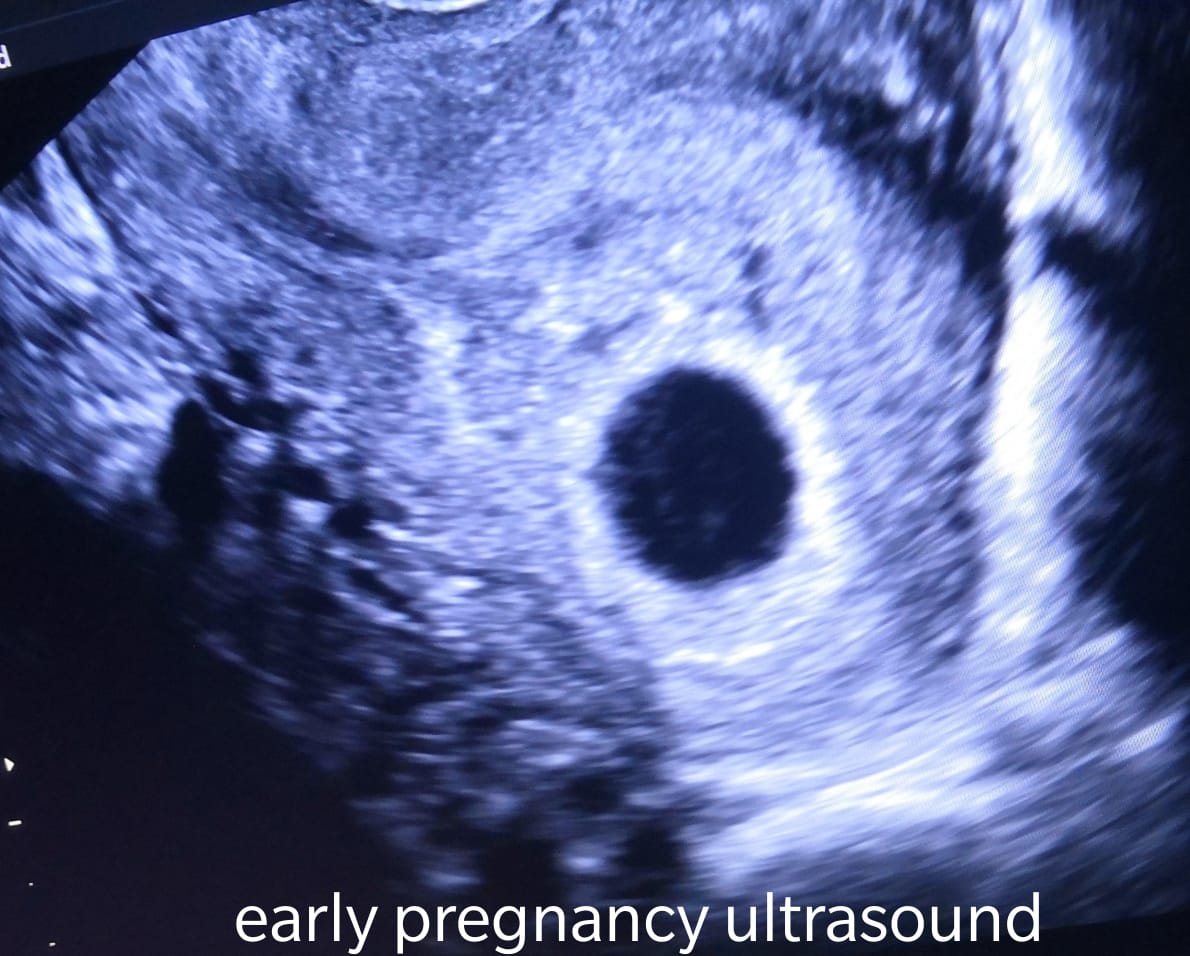
You have just gotten the big news! You are pregnant! The feeling when you get confirmation from your Gynecologist doctor, is amazing! Having a child is the most precious, amazing and scariest thing ever! Don’t worry though, I know it seems as if there is so much to do before the baby comes and there …
Read More!
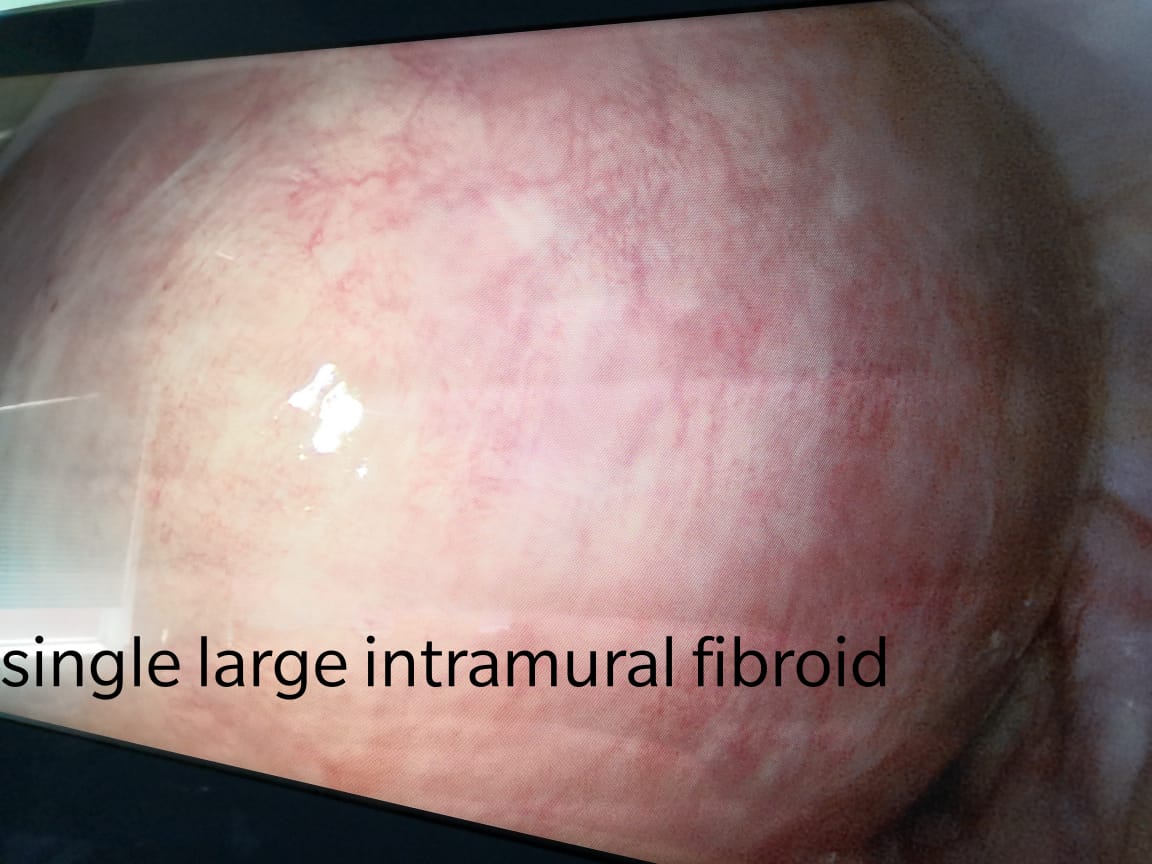
Living with a fibroid
What are uterine fibroids? Fibroids are benign tumors made of smooth muscle cells and fibrous connective tissue. They develop in the uterus. It is estimated that 70-80% of women will develop fibroids in their lifetime—however, not everyone will develop symptoms or require treatment. The most important characteristic of fibroids is that they are not cancer, …
Read More!
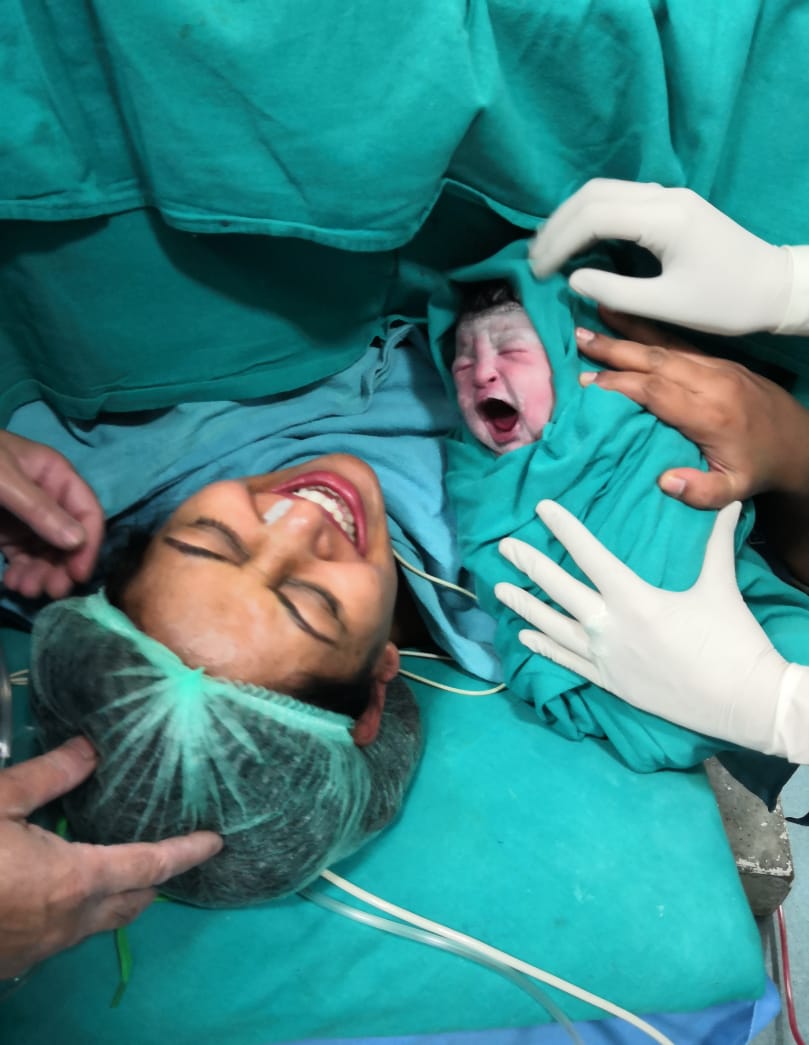
Painless delivery and water birthing – the things you should know
What is Painless Delivery? Painless delivery refers to the use of an epidural injection which is given by an anaesthesiologist trained in epidural injection for pain relief during labour. It is injected in the lower of back, and a plastic tube is placed through which drugs are released around the spinal cord. It is mostly …
Read More!

Why choose Dr.Ruchi Tandon as your Gynecologist?
Let’s answer a more honest question first, What should you look for in your Gynecologist? Trust and comfort. Once you have shortlisted a few doctors you would like to meet, schedule an appointment with them to help you decide which one to stick with. Over the course of your nine months, you will form a …
Read More!
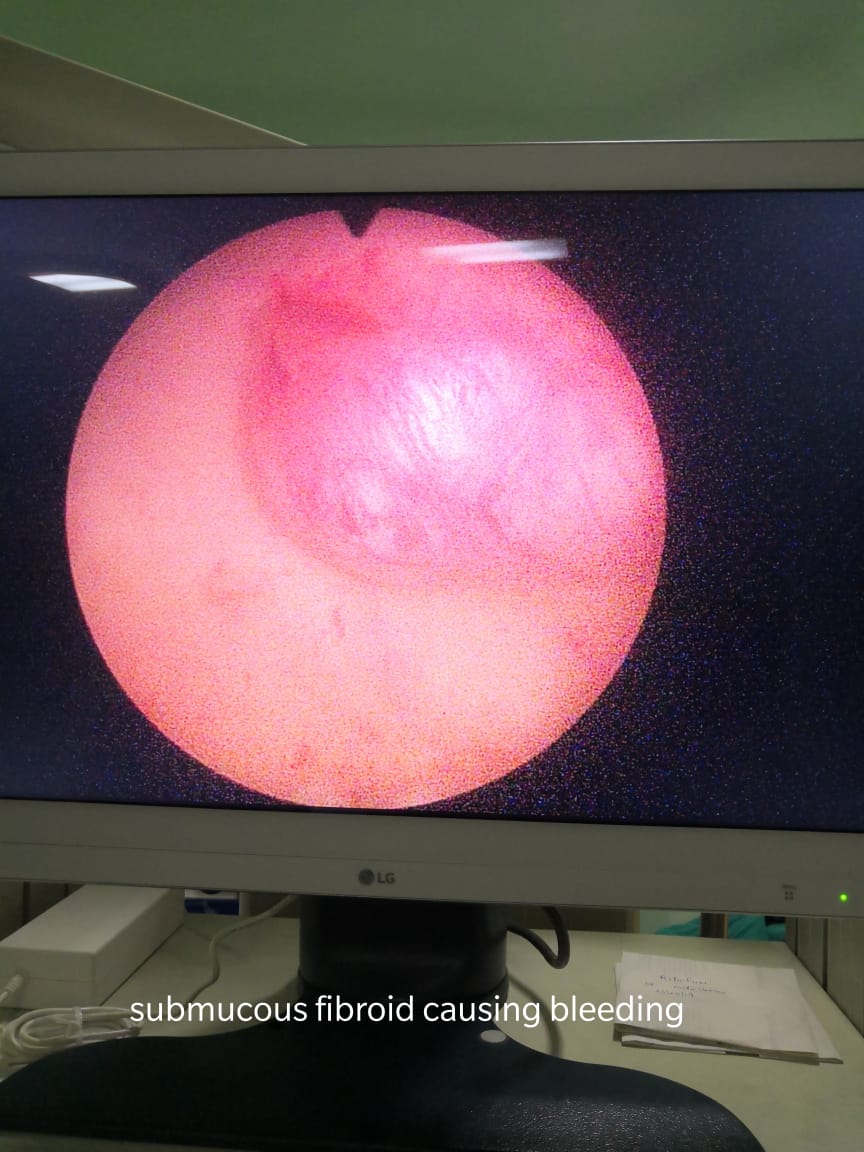
Heavy period – how to manage it?
What is menorrhagia? Menorrhagia is a heavy or prolonged menstrual bleeding. Many women have this type of abnormal uterine bleeding. It can be related to a number of conditions including problems with the uterus, hormone problems, or other rare conditions. While heavy bleeding can make it tough to take part in normal daily life at …
Read More!
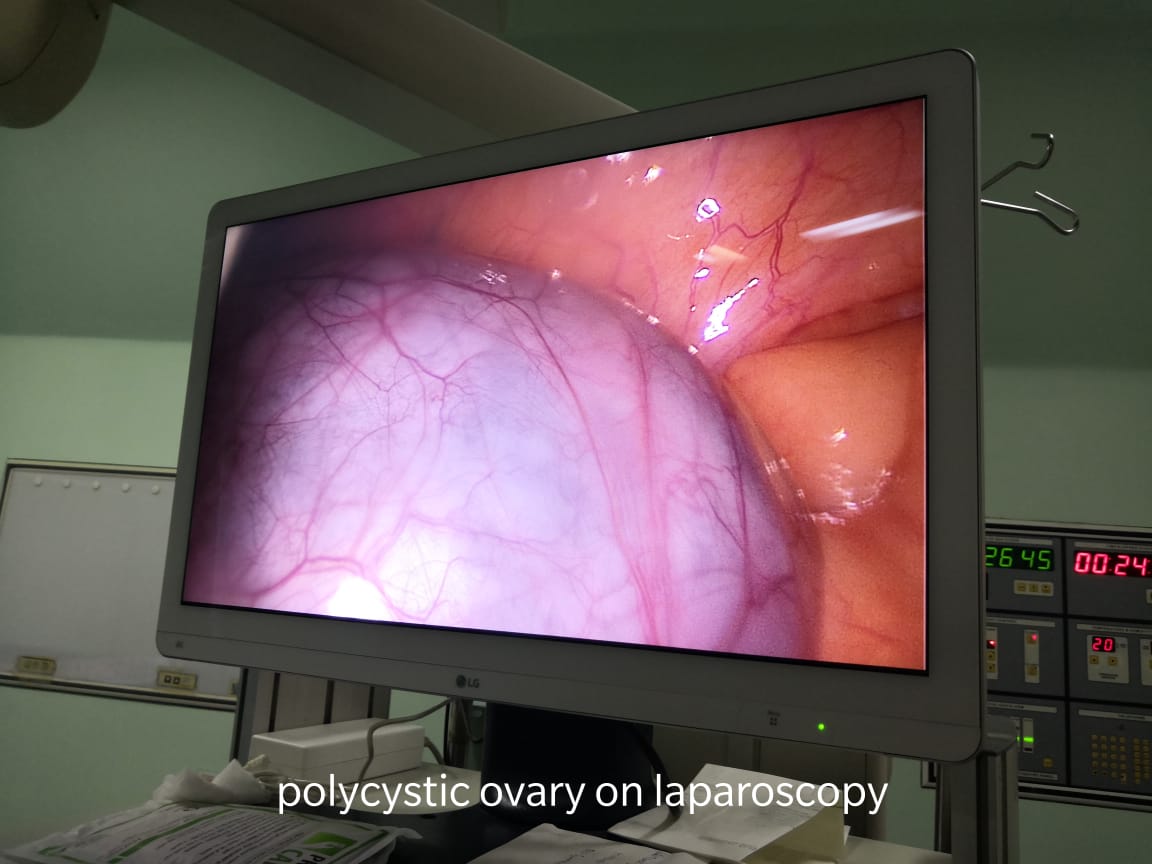
PCOS in your 30’s, how it can affect you?
Polycystic ovary syndrome (PCOS) is a common condition that affects how a woman’s ovaries work. The 3 main features of PCOS are: Irregular periods – which means your ovaries do not regularly release eggs (anovulation) excess androgen – high levels of “male” hormones in your body, which may cause physical signs such as excess facial or body hair polycystic
Read More!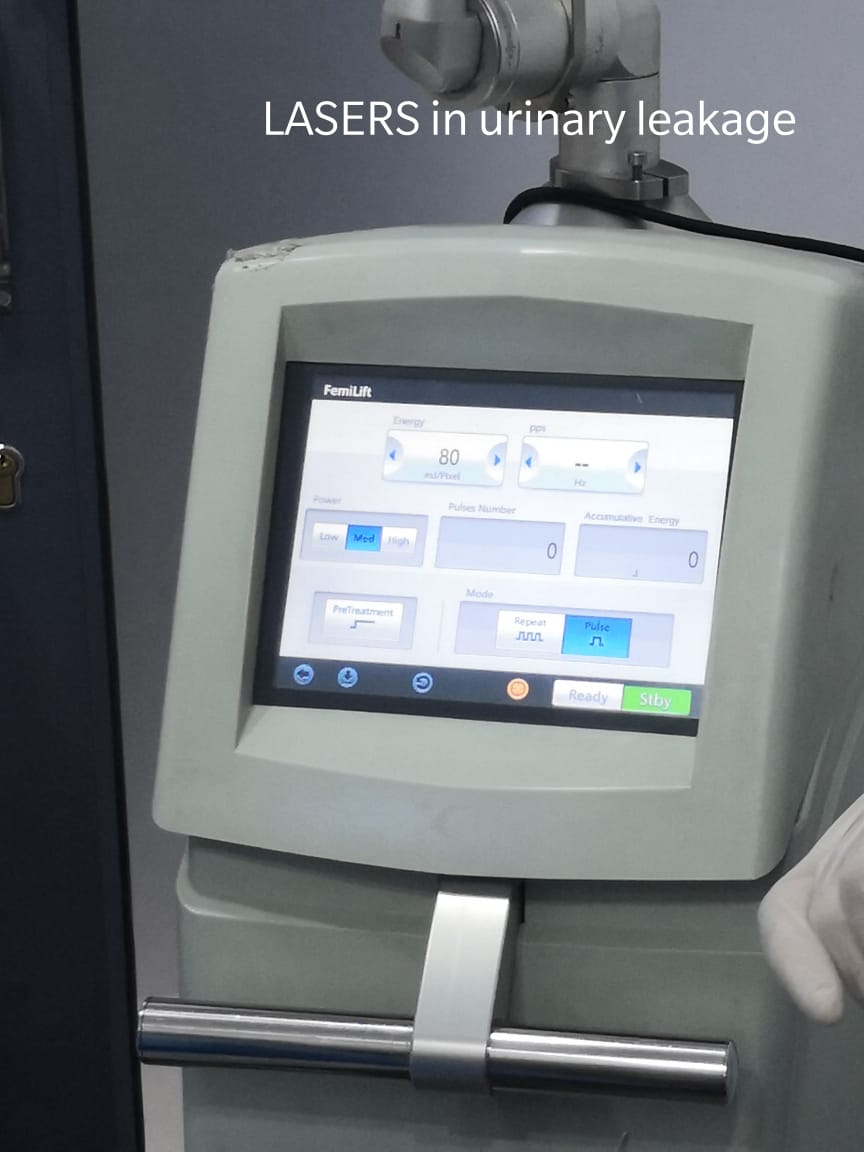
Urinary leakage in women, why does it happen?
What is stress incontinence? Stress incontinence is the inability to control your urge to urinate in certain circumstances. It’s a serious and embarrassing disorder and can lead to social isolation. Any pressure placed on the abdomen and bladder can lead to the involuntary loss of urine. It’s important to remember that the term “stress” is …
Read More!