The Link Between PCOS and Mood Swings: How to Cope?

good gynecologist in South Delhi

Polycystic Ovary Syndrome (PCOS) is a condition that affects a large number of women during their reproductive years. Most people know it for its physical symptoms like irregular periods, acne, or weight gain. But what often doesn’t get enough attention is its emotional side. Mood swings, irritability, and even long phases of sadness are very common with PCOS. These changes can make day-to-day life harder to manage, and that’s why speaking to a good gynecologist in South Delhi is so important. A specialist can help explain why your hormones affect your mood and guide you toward effective solutions.

Why PCOS Affects Your Emotions?

PCOS is largely a hormonal disorder, and when hormones are out of balance, they impact much more than just your periods. Higher levels of insulin and androgens can affect brain chemistry, which leads to mood swings, anxiety, or even depressive episodes. On top of that, dealing with acne, hair growth, or fertility issues adds to emotional stress. Many women end up feeling caught in a cycle: their PCOS symptoms increase their stress, and stress, in turn, makes the symptoms worse.

Common Emotional Struggles

Women dealing with PCOS often report:

  • Irritability or sudden anger that comes without warning.
  • Worry and anxiety, especially about fertility or body image.
  • Low moods or depression, which may become ongoing.
  • Loss of confidence, usually because of weight changes or visible symptoms.

It’s important to understand that these struggles are not just in your imagination. They are part of how PCOS affects the body, and with the right support, they can be managed.

Practical Ways to Cope with Mood Swings

Focus on Food and Fitness
Eating balanced meals with whole grains, proteins, and vegetables helps keep blood sugar steady, which in turn stabilizes mood. Regular exercise also releases endorphins, which act as natural mood lifters.

Find Stress-Busting Habits
Activities like yoga, meditation, or even walking outdoors can make a big difference. Many women also find that writing down their thoughts in a journal helps them stay grounded.

Prioritize Sleep
Sleep often gets overlooked, but it is essential for hormonal balance. Aiming for 7–8 hours of rest can reduce irritability and improve energy levels.

Seek Professional Help
Counseling or therapy is not just for “serious cases.” Talking to a professional gives you tools to handle stress and negative thoughts more effectively. When combined with medical care, such as PCOS treatment in South Delhi, the results are often much better.

Connect With Others
Sometimes, just knowing that other women are going through the same thing can be very comforting. Joining a support group or opening up to a trusted friend can ease the emotional burden.

Final Thoughts

PCOS is more than just a physical condition—it takes a toll on mental health too. The mood swings, low confidence, and stress can feel overwhelming, but with small lifestyle changes, medical support, and self-care, it is possible to feel better. Don’t ignore the emotional side of PCOS; giving it the same attention as the physical symptoms can transform your overall well-being.

And remember, professional help is always available. Whether it’s managing PCOS symptoms or even seeking care for something like vaginismus treatment in Delhi, reaching out to the right specialist is the first step toward feeling like yourself again.

AI & Fertility Treatments – A Quick Guide

a pregnancy doctor in south Delhi

When it comes to growing a family, emotions often run high, and the search for answers can be overwhelming. Couples in South Delhi who meet with a pregnancy doctor in south Delhi know the journey involves plenty of questions: What are the best treatment options? Will I ever hold my baby? Over the past few years, artificial intelligence (AI) has quietly entered infertility clinics, making a noticeable difference in how doctors help their patients move one step closer to their dreams.

Real Stories Meet Real Science

Infertility isn’t just a medical issue—it’s deeply personal. Many couples have spent years saving, researching, and hoping for good news. Today, AI brings new hope by helping doctors interpret complex data more accurately. Imagine walking into a clinic, anxious and unsure, and learning that your doctor has the ability to analyse hormone tests and medical histories using sophisticated AI software. This isn’t cold technology; it’s a tool that supports doctors as they guide patients through the emotional and medical maze of fertility care.

For example, some IVF centres now use AI to study embryo development. Instead of relying only on the trained eye of specialists, clinics can use AI image analysis to select embryos with the highest chance of success. This means fewer failed cycles and faster answers—results that matter to patients dealing with financial and emotional stress. The best gyno doctor in south Delhi often combines this technology with a compassionate approach, discussing all options and ensuring people feel heard and respected at every step.

Why Patients Trust Modern Infertility Care?

One couple may visit after years of disappointment, while another may be seeking reassurance about their first treatment. Both deserve clarity, empathy, and individualized care. AI helps doctors quickly sift through test results, making each appointment more productive and less stressful. Wearable monitors and easy-to-read reports mean patients get feedback in real time, allowing for faster adjustments and more confidence along the way.

Greater Kailash: Personal Touch With Cutting-Edge Help

Searching for an infertility specialist in greater Kailash can feel daunting, but AI makes it easier for people to feel hopeful. Patients in this area often benefit from AI tools that review medical records and suggest treatment strategies with impressive accuracy. But advanced technology is only part of the equation. Local doctors understand that, in the end, the empathy they express—the way they listen to worries and explain challenging concepts—matters just as much as the most advanced computer in the clinic.

If you’re exploring options for fertility care in South Delhi or Greater Kailash, know that today’s field combines the very best of technology with true human compassion. Let AI handle the numbers, and trust your local specialists to guide you through one of life’s most important journeys.

Can Endometriosis Go Undetected? Why Early Diagnosis Matters?

Best Gynecologist in Greater Kailash

Endometriosis is one of those conditions that often hides in plain sight. Many women live with its symptoms for years, mistaking them for something else or simply learning to endure the pain. Visiting the Best Gynecologist in Greater Kailash can often be the first step in uncovering what’s really going on. But why does endometriosis go undetected so often? And why does an early diagnosis make such a big difference?

Why Endometriosis Often Goes Undetected?

Endometriosis occurs when tissue similar to the lining of the uterus grows outside it, leading to pain, inflammation, and sometimes fertility issues. The tricky part? Its symptoms often overlap with other common conditions. Painful periods, pelvic discomfort, bloating, or even digestive issues can all be signs of endometriosis, but they’re also associated with conditions like IBS or regular menstrual cramps.

Because of this overlap, many women are misdiagnosed or brushed off with the assumption that their pain is just “part of being a woman.” On average, it can take 7–10 years to get a proper diagnosis of endometriosis for a woman. That’s nearly a decade of living with discomfort, unanswered questions, and in many cases, worsening symptoms.

Why Early Diagnosis Matters?

The sooner endometriosis is identified, the better the outcome for the patient. Early diagnosis means early treatment, and that can make a huge difference in preserving fertility, managing pain, and improving quality of life.

Delaying treatment can lead to complications. As endometriosis progresses, it can cause scarring and adhesions, which not only increase pain but may also make surgical treatment more complex. For women who wish to conceive, early detection improves the chances of maintaining reproductive health.

Beyond the physical benefits, early diagnosis also provides peace of mind. Knowing what’s behind the symptoms allows women to take control of their health, seek the right specialists, and explore effective treatment options. An endometriosis specialist in Delhi can guide patients through advanced treatment plans, ranging from medication to minimally invasive surgeries, tailored to individual needs.

Taking Charge of Your Health

If you suspect that your symptoms are more than just “normal period pain,” it’s worth seeking expert help. Keep track of your symptoms; how often they occur, how severe they are, and how they affect your daily life. This information can help your gynecologist in making an accurate assessment.

Remember, your pain is valid. And it’s worth investigating.

The Bottom Line

Endometriosis may go undetected for years, but it doesn’t have to. Awareness, open communication with your doctor, and timely consultations can shorten the path to diagnosis. Whether you’re struggling with chronic pelvic pain, irregular cycles, or fertility issues, consulting the right specialists can make all the difference. Don’t hesitate to take the next step for your health, whether it’s meeting an endometriosis expert or even a trusted PCOS doctor in South Delhi, because the right diagnosis changes everything.

Unexplained Infertility: Why It Happens and What Can Be Done?

best gynecologist in South Delhi

For many couples, starting a family feels like a natural next step. But when conception doesn’t happen despite months or even years of trying, it can be heartbreaking and confusing. Some couples go through extensive testing only to hear a frustrating diagnosis: unexplained infertility. If you’re facing this situation, finding the best gynecologist in South Delhi is often the first step toward clarity and hope.

What Does “Unexplained Infertility” Really Mean?

Unexplained infertility is diagnosed when standard fertility tests, including semen analysis, ovulation tracking, and checks for blocked fallopian tubes, come back normal, yet pregnancy still doesn’t occur. It affects roughly 10–20% of couples experiencing fertility issues. While the term sounds like there are no answers, in reality, it simply means that the cause isn’t easily detected with current testing methods.

There are likely subtle reasons behind it; minor hormonal imbalances, undetected egg or sperm quality issues, or even slight abnormalities in the uterine lining, that routine tests don’t catch. Lifestyle factors like high stress, poor sleep, and environmental exposures may also play a quiet role.

Why Does It Happen?

The truth is that fertility is complex. Successful conception depends on multiple systems working in perfect sync. Even tiny disruptions, like delayed ovulation, poor egg quality, or mild immune system irregularities, can interfere with conception without showing up on basic tests. Age is also a big factor. As women reach their mid-30s, egg quality declines, and this may contribute to unexplained infertility even when everything else appears normal.

Sometimes, the issue could be timing. Many couples don’t realize that the fertile window is smaller than expected, and missing it regularly can make conception much harder.

What Can Be Done?

While an “unexplained” label can feel discouraging, it doesn’t mean there’s no path forward. With the right support and a tailored approach, many couples go on to conceive successfully.

Here’s how doctors typically help:

  • Lifestyle changes: Simple steps like maintaining a healthy weight, reducing stress, improving sleep, and quitting smoking or alcohol can make a big difference.
  • Ovulation tracking: Advanced monitoring helps ensure intercourse or insemination happens at the right time.
  • Medications: Fertility drugs such as Clomiphene or Letrozole can stimulate ovulation and improve chances of conception.
  • Intrauterine insemination (IUI): A minimally invasive procedure that increases the likelihood of sperm meeting the egg.
  • IVF (In Vitro Fertilization): Often recommended when other treatments don’t work, IVF bypasses many hidden barriers to conception.

Working with an infertility specialist in Greater Kailash can make all the difference. These experts go beyond basic tests to look deeper into subtle factors that may be interfering with fertility, offering targeted solutions that give couples the best chance at success.

Finding Hope Again

If you’ve been struggling with unexplained infertility, know that you’re not alone and you’re not without options. With compassionate care, advanced treatments, and a personalized plan, there’s real hope for building the family you dream of.

Whether it’s fertility support or even vaginismus treatment in Greater Kailash, reaching out to an experienced gynecologist can be the first step toward understanding your body and moving closer to parenthood.

How Vaginismus Affects Relationships and What Couples Can Do?

vaginismus treatment in Delhi

Intimacy is often seen as a core part of a healthy relationship. But when pain or discomfort gets in the way, it can impact not only physical closeness but also emotional bonding. Vaginismus, a condition where the vaginal muscles involuntarily tighten during penetration, is one such challenge that can deeply affect couples. While options like vaginismus treatment in Delhi are available, it’s important to first understand how this condition influences relationships and what partners can do to support each other through it.

How Vaginismus Impacts Relationships?

For many couples, the struggle with vaginismus is more than just physical. It can lead to a mix of emotions: frustration, guilt, sadness, and sometimes even resentment. One partner may feel rejected or unwanted, while the other may feel anxious or ashamed for not being able to engage in pain-free intimacy. Over time, this can create distance, making communication difficult and intimacy more stressful than comforting.

The emotional weight of vaginismus can also spill into day-to-day life. Some couples may start avoiding conversations about intimacy altogether to prevent conflict or embarrassment. Others might find their self-esteem taking a hit, worrying about their compatibility or future together. This emotional disconnect can be as painful as the physical discomfort itself.

Why Open Communication Matters?

It might feel easier to stay silent about the issue, but avoiding the conversation only makes things worse. Instead, partners need to create a safe space for open dialogue. Sharing fears, frustrations, and expectations can reduce the emotional burden and help each partner feel understood. Many couples find that involving a counselor or therapist creates a neutral space where they can talk freely about their concerns without fear of judgment.

The Role of Professional Help

One of the biggest steps toward healing is seeking medical support. Consulting the best gynecologist in South Delhi can provide clarity on whether vaginismus is linked to physical, emotional, or combined factors. Gynecologists may recommend a combination of pelvic floor therapy, counseling, and guided exercises to gradually reduce pain and discomfort.

Couples should approach this as a team effort. It’s not just about one person “fixing” the problem; it’s about walking the path of recovery together. Attending appointments together, practicing patience during treatment, and celebrating small milestones can make the journey more manageable.

Rebuilding Intimacy Beyond Penetration

Intimacy is more than intercourse. While treatment progresses, couples can explore other ways to stay connected, like emotional bonding, non-penetrative physical intimacy, or spending quality time together. Shifting the focus away from penetration can relieve pressure and help couples rediscover closeness without fear or pain at the center of their relationship.

Final Thoughts

Vaginismus can challenge even the strongest relationships, but with understanding, patience, and the right professional help, it doesn’t have to define a couple’s future. Whether it’s through medical treatment, therapy, or emotional support, addressing the issue as a team makes all the difference. For those also facing related conditions, options like fibroids treatment in South Delhi are available, ensuring that couples can access comprehensive care for both physical and emotional well-being.

Breaking the Stigma: Why Open Conversations About Gynecological Health Matter?

pregnancy doctor in South Delhi

When you walk into a pregnancy doctor in South Delhi for a consultation, chances are you carry more than just medical questions. Many women carry years of silence, fear, or embarrassment around their gynecological health. For generations, topics like menstrual health, reproductive issues, and sexual well-being have been shrouded in stigma. This silence often delays care, worsens conditions, and leaves women feeling isolated. It’s time to change that.

Why We Need to Talk About It?

The human body is complex, but talking about it shouldn’t be taboo. Gynecological health isn’t just about fertility or pregnancy; it includes everything from menstrual cycles and hormonal balance to sexual health and chronic conditions. Yet, in many households, these conversations are avoided entirely, often brushed off as “private matters.”

This culture of silence can have serious consequences. Many women delay visiting a gynecologist even when they experience symptoms like severe cramps, irregular bleeding, or pelvic pain. For some, these issues are normalized; for others, they’re too “embarrassing” to talk about. In reality, early diagnosis and treatment of gynecological issues can make a world of difference.

Drawbacks of Staying Silent

When women don’t speak openly about their health, they miss out on timely intervention. Conditions like endometriosis, fibroids, and infections often worsen if not addressed early. Even common hormonal imbalances, such as those caused by Polycystic Ovary Syndrome (PCOS), can spiral into long-term complications if left untreated.

PCOS is a prime example. It affects millions of women worldwide, often causing irregular periods, acne, weight gain, and even fertility struggles. Many women in urban areas now actively seek PCOS treatment in South Delhi, but countless others suffer in silence because they’re too hesitant to talk about their symptoms. Silence doesn’t make the problem go away; it makes it worse.

Importance of Gynecological Care

Breaking this stigma starts with normalizing conversations. Discussing gynecological health shouldn’t feel shameful; it’s simply part of maintaining overall well-being. Women need safe spaces to voice their concerns, whether at home, in schools, or at clinics.

Doctors play a key role here. A supportive, approachable gynecologist can help patients feel heard and understood. Instead of rushing through consultations, good doctors encourage questions and educate women about their bodies. This makes care more collaborative and far less intimidating.

How Friends and Families Can Help?

Support systems matter just as much as medical care. Families and friends can create a judgment-free environment where women feel comfortable discussing their health. For example, a teenager shouldn’t feel embarrassed about sharing her period struggles with her mother, nor should a newlywed hesitate to talk about intimacy-related issues. Open communication helps women access the right medical help without feeling guilty or ashamed.

Moving Toward a Healthier Future

When women have the courage to speak up, and when society listens, the stigma loses its power. Schools can integrate reproductive health education. Communities can host awareness programs. Families can normalize discussions. Each small step creates a culture where women prioritize their well-being without fear.

Gynecological health isn’t a side topic; it’s central to women’s overall health. The more we talk about it, the more we empower women to take charge of their bodies, seek help early, and make informed decisions about their care.

If you’re dealing with menstrual irregularities, hormonal imbalances, fertility issues, or simply need a routine check-up, don’t put it off. Prioritize your health. For compassionate, expert care, consult the best gyno doctor in South Delhi and take the first step toward breaking the silence for good.

Top 5 Myths About PCOS Treatment Busted by Experts

PCOS doctor in South Delhi

If you’ve recently been diagnosed with Polycystic Ovary Syndrome (PCOS), you’re not alone. Millions of women across India face this hormonal imbalance that affects everything from their periods to their fertility. While searching for the right treatment, you might come across a flood of advice online and offline, but not all of it is accurate. That’s why consulting a trusted PCOS doctor in South Delhi is crucial to get the facts straight. In this blog, we’ll clear up some of the most common myths about PCOS treatment, as explained by leading experts.

Myth 1: PCOS can be completely cured

Truth: Unfortunately, PCOS is a long-term hormonal disorder and cannot be “cured” in the traditional sense. However, that doesn’t mean you’re stuck with its symptoms forever. With the right lifestyle changes, medications, and support from a qualified specialist, PCOS can be managed very effectively. Many women go on to lead healthy lives, conceive naturally, and keep their symptoms under control. The goal of treatment is not a one-time cure but sustainable symptom management and hormone regulation.

Myth 2: You can’t get pregnant if you have PCOS

Truth: This is one of the most damaging myths. While PCOS can affect ovulation and make conception more challenging, it does not mean you’re infertile. Many women with PCOS conceive naturally, and others may need a bit of medical support. Today, fertility treatments have advanced significantly, and with the guidance of the best gynecologist in South Delhi, your chances of becoming pregnant are higher than ever. Early diagnosis and personalized treatment plans make a huge difference.

Myth 3: You must take birth control pills forever

Truth: Birth control pills are often prescribed to regulate menstrual cycles and control acne and excess hair growth. However, they are not the only treatment option. They also don’t “fix” PCOS; they simply manage some of the symptoms. Long-term use is not mandatory for everyone. Depending on your symptoms, age, and family planning goals, your doctor may recommend other treatments like insulin sensitizers, anti-androgens, or even natural approaches such as lifestyle modification and supplements.

Myth 4: Weight loss alone can reverse PCOS

Truth: Weight management plays a big role in controlling PCOS symptoms, especially for women who are overweight. However, weight loss is not a guaranteed solution or a one-size-fits-all approach. Even women with a normal BMI can suffer from PCOS and its complications. Treatment must be holistic, including dietary changes, exercise, stress reduction, and sometimes medication. PCOS is a hormonal disorder, not just a weight issue.

Myth 5: All PCOS symptoms are the same for every woman

Truth: PCOS manifests differently in every woman. Some may struggle with acne and irregular periods, while others face severe hair thinning or fertility issues. This is why a blanket treatment approach doesn’t work. You need a plan tailored to your symptoms, body type, and medical history. A good gynecologist in South Delhi will help assess your unique needs and guide you on the right path toward managing PCOS effectively.

Final Thoughts

There’s a lot of misinformation out there about PCOS, which can lead to fear, confusion, and even inaction. But with the right knowledge and medical support, PCOS is manageable. Whether you’re newly diagnosed or have been battling it for years, don’t let myths dictate your health decisions. Always consult with an experienced medical professional who understands your condition inside out.

Can You Get Pregnant If You Have Vaginismus?

gynecologist doctor in South Delhi

Vaginismus is a condition that often goes unspoken, yet it affects many women around the world. It can feel frustrating, confusing, and even isolating. One of the most common questions that arises for women dealing with vaginismus is: Can I still get pregnant? If you’re searching for guidance, consulting a gynecologist doctor in South Delhi is often the first step toward understanding your options and finding hope.

What Is Vaginismus?

Vaginismus is a condition where the vaginal muscles tighten up involuntarily when there is an attempt at penetration, whether during sexual intercourse, a pelvic exam, or even when inserting a tampon. This tightening can be painful and can make intercourse difficult or, in some cases, seemingly impossible.

This response isn’t something within your control. It’s a reflex often triggered by anxiety, fear, or past trauma. But just because penetration is difficult does not automatically mean that pregnancy is out of reach.

Is Pregnancy Possible?

The short answer is: Yes, it is possible to get pregnant with vaginismus.

However, the ability to conceive depends on the severity of the condition and how it affects your sexual relationship. In cases where some level of penetration is possible, even if it’s limited or painful, pregnancy can occur if ejaculation happens inside the vagina. Sperm are remarkably resilient and capable of reaching the egg even if intercourse isn’t fully penetrative.

For women with more severe vaginismus, where penetration is not possible at all, natural conception through intercourse becomes more challenging, but it doesn’t mean you’re out of options. Assisted reproductive techniques such as intrauterine insemination (IUI) or in vitro fertilization (IVF) can bypass the need for penetrative sex altogether. 

Understanding the Emotional Impact

The physical side of vaginismus is just one part of the story. Emotionally, it can leave couples feeling disconnected, anxious, or discouraged, especially when trying to conceive. If you and your partner are experiencing emotional strain, it’s important to seek not just medical, but also psychological support. Counseling or sex therapy can make a huge difference.

Taking the First Step Toward Healing

Many women find that once they begin to address the root causes of vaginismus, whether emotional, physical, or both, their bodies begin to respond in new ways. Physical therapy, pelvic floor exercises, cognitive-behavioural therapy, and guided use of vaginal dilators are just a few of the evidence-based approaches used in treatment.

Don’t let embarrassment or stigma prevent you from seeking help. Vaginismus is more common than most people think, and it is treatable. Many women who once thought pregnancy was impossible have gone on to conceive and carry healthy pregnancies after addressing the condition.

If you’re in South Delhi and struggling with this issue, don’t hesitate to consult a compassionate and experienced professional. Whether you’re trying to conceive or simply looking to reclaim comfort in your intimate life, support and the best vaginismus treatment in Greater Kailash are available.

Best and Worst Foods for PCOS: A Nutritionist’s Perspective

PCOS treatment in South Delhi

Polycystic Ovary Syndrome (PCOS) is more than just a hormonal imbalance; it’s a lifestyle condition that requires a thoughtful and consistent approach to both nutrition and wellness. If you’ve recently been diagnosed or are exploring PCOS treatment in South Delhi, you’re likely already aware of how much your daily food choices can influence symptoms like irregular periods, weight gain, mood swings, and insulin resistance. As a nutritionist working closely with women managing PCOS, I’ve seen firsthand how food can either be healing or harmful.

Let’s take a practical look at the best and worst foods for PCOS, so you can begin making mindful changes that truly support your body.

Best Foods for PCOS

1.     Low-Glycemic Index (GI) Foods

Managing blood sugar is essential for controlling PCOS symptoms. Foods with a low glycemic index help stabilize insulin levels, which can reduce the severity of symptoms. Whole grains like quinoa, oats, barley, and brown rice are great choices. Vegetables like broccoli, spinach, and cauliflower are also excellent low-GI options.

2.     Lean Proteins

Protein slows down the digestion of carbohydrates and promotes satiety, which is important for maintaining a healthy weight. Include foods like eggs, tofu, lentils, beans, grilled chicken, and Greek yogurt in your meals.

3.     Healthy Fats

Good fats can improve hormone balance and support heart health, an important concern for women with PCOS. Avocados, nuts, seeds (especially flax and chia seeds), olive oil, and fatty fish like salmon are ideal.

4.     Fiber-Rich Foods

When it comes to maintaining digestive health, fiber has an important role to play. Additionally, it can also help regulate blood sugar levels. Load up on fibrous vegetables, fruits with skin, legumes, and whole grains.

5.     Anti-Inflammatory Foods

Since chronic inflammation is common in PCOS, include foods that naturally fight inflammation. Turmeric, green tea, berries, leafy greens, and nuts can help soothe inflammation and reduce oxidative stress.

Worst Foods for PCOS

1.     Refined Carbohydrates

White bread, pasta, sugary cereals, and pastries may spike insulin levels and worsen PCOS symptoms. These foods are stripped of their nutrients and can lead to energy crashes and increased cravings.

2.     Sugar and Sweetened Beverages

Sodas, packaged juices, energy drinks, and sweets are high in sugar and low in nutrients. Consistent consumption can increase insulin resistance, a core concern in PCOS.

3.     Dairy (in some cases)

While dairy isn’t harmful to everyone, some women with PCOS may find that reducing or eliminating milk, cheese, and cream helps manage acne and bloating. Choose plant-based alternatives like almond or oat milk if needed.

4.     Processed Meats and Fast Foods

High in saturated fats and sodium, items like sausages, bacon, burgers, and fries contribute to inflammation and weight gain. Avoiding these can dramatically improve hormonal health.

5.     Trans Fats

Often found in packaged snacks, margarine, and baked goods, trans fats can increase the risk of heart disease and worsen insulin sensitivity, two key risks already elevated in women with PCOS.

Final Thoughts

PCOS doesn’t have a one-size-fits-all solution, but nutrition is a powerful lever. Small, consistent changes in diet can reduce symptoms, regulate cycles, improve skin health, and even boost fertility. If you’re navigating PCOS, take the time to understand what your body needs and respond with kindness and nourishment.

And remember, a holistic approach often gives the best results. Whether you’re exploring fibroids treatment in South Delhi or seeking a trusted vaginismus doctor in Greater Kailash, always choose healthcare providers who look at the complete picture of women’s wellness.

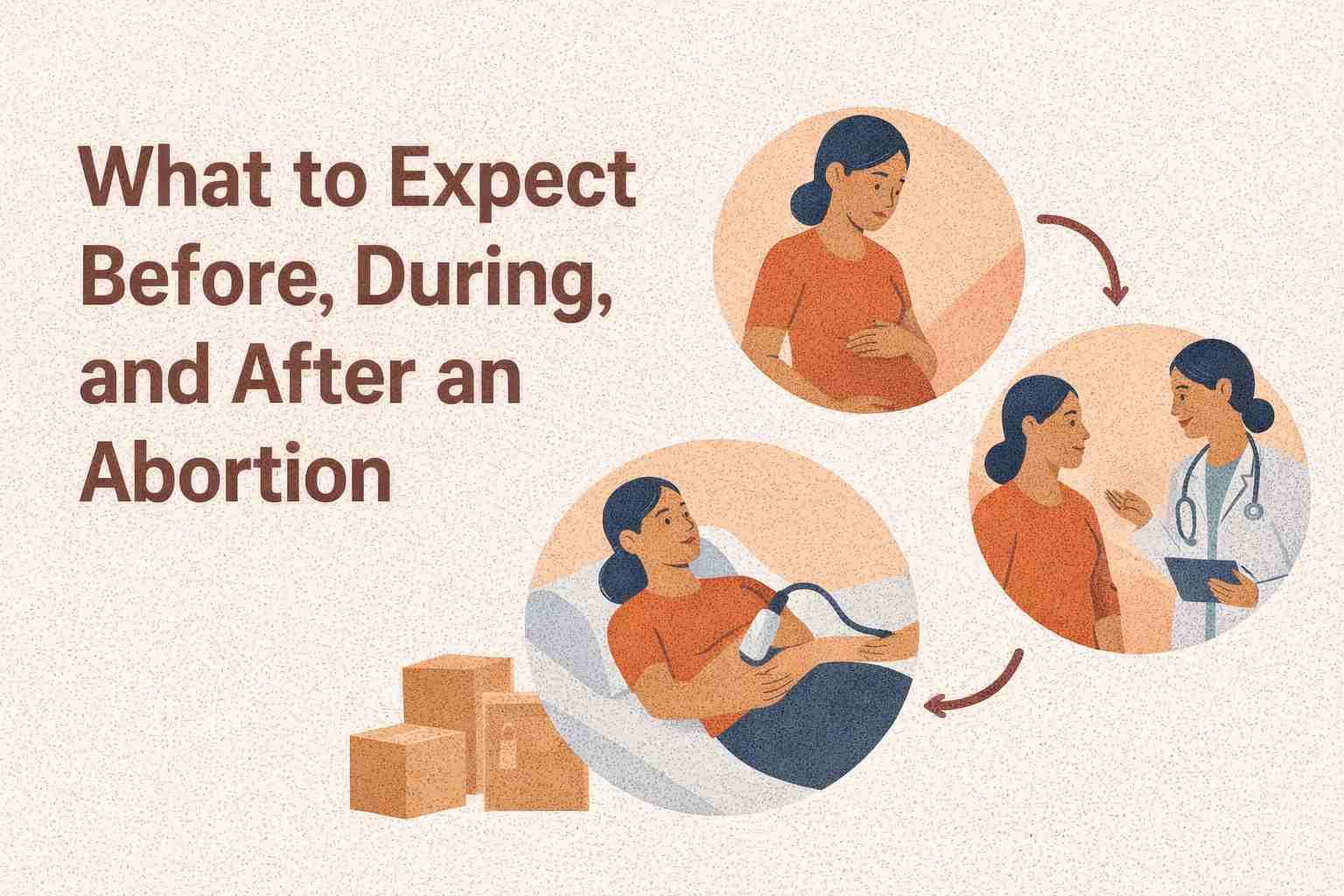
Can You Get Pregnant After an Abortion? Myths vs. Facts.

best gynecologist in South Delhi

When it comes to reproductive health, few topics are as clouded with misinformation as abortion. A commonly asked question is, “Can you get pregnant after an abortion?” The short and simple answer is yes, but let’s dig a little deeper. Understanding what’s myth and what’s fact is essential for making informed decisions about your health. Whether you’re recovering physically or emotionally after an abortion, consulting the best gynecologist in South Delhi can make all the difference in your journey toward healing and planning your future.

Myth 1: You Can’t Get Pregnant After an Abortion

Fact: One of the most persistent myths is that an abortion causes permanent infertility. In truth, most women can get pregnant again soon after an abortion—sometimes within a few weeks. Abortion, whether surgical or medical, generally does not affect your long-term fertility. If the procedure is done safely under medical supervision, your reproductive system remains healthy and functional.

However, it’s crucial to follow post-procedure care guidelines and attend follow-up appointments to ensure your body has healed properly. Infections or complications, although rare, can have an impact if left untreated. That’s why having access to the best abortion clinic in Delhi is vital for your reproductive well-being.

Myth 2: Abortion Causes Hormonal Imbalances That Prevent Pregnancy

Fact: Abortions do not cause long-term hormonal disruption. While you may experience temporary hormonal shifts (similar to what happens during a menstrual cycle), these usually balance out within a few days or weeks. Your body resumes its natural cycle soon after the procedure. In fact, ovulation can occur as early as two weeks post-abortion, which means you could technically become pregnant again before your next period.

Myth 3: You Should Wait for Months Before Trying Again

Fact: Medically speaking, if there were no complications during your abortion, it is generally safe to try for pregnancy after your first normal period returns. That said, many healthcare providers recommend waiting until you’ve had at least one menstrual cycle to give your body and mind time to heal.

Emotional readiness is just as important as physical recovery. Whether you’re planning to conceive again or not, talking to a trusted gynecologist can help you navigate the decision that’s right for you.

Myth 4: Multiple Abortions Will Make You Infertile

Fact: One or two medically safe abortions are unlikely to affect your fertility. However, repeated abortions, especially if not performed under proper medical care, may carry risks such as uterine scarring (Asherman’s syndrome). Again, the key is safety and quality of care. The better the medical support, the fewer the risks. Always opt for licensed professionals and well-reviewed clinics.

Planning Your Future After an Abortion

If you’re wondering about contraception, family planning, or trying to conceive again, it’s best to have a candid conversation with a specialist. They can guide you based on your medical history, age, and future plans.

Pregnancy after abortion is not only possible but also common. You are not alone, and you’re not without options. Reach out for support, ask questions, and trust your body to heal and carry you forward.

For compassionate, professional care, consider consulting the best gynecologist in Greater Kailash, who can provide guidance tailored to your needs and help you plan your next steps with confidence and clarity.