
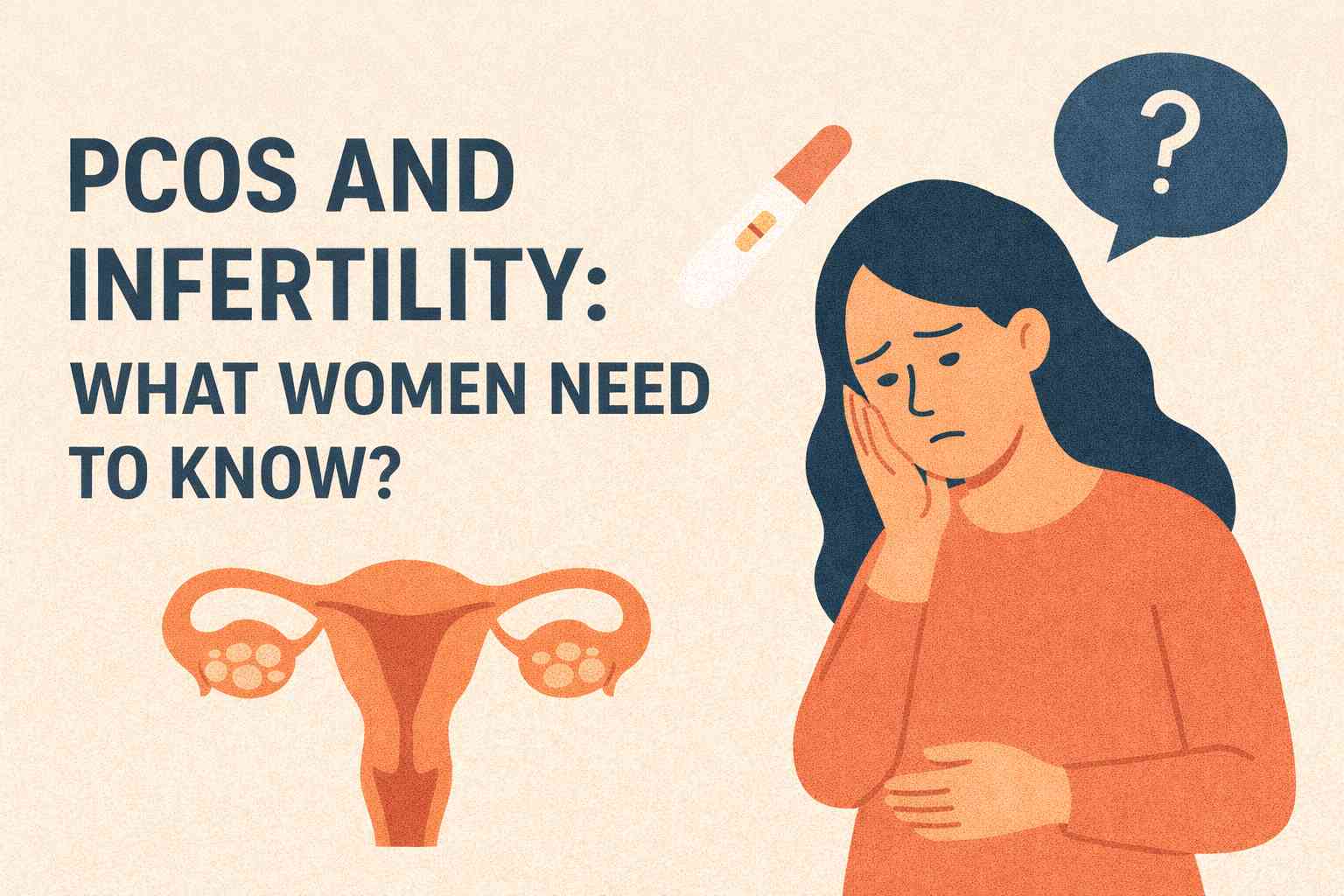
When a woman visits an infertility specialist in Greater Kailash, one of the most common concerns she expresses is the fear that PCOS may prevent her from becoming a mother. Polycystic Ovary Syndrome, or PCOS, affects millions of women, yet so many still feel confused or overwhelmed by the diagnosis. Understanding what PCOS is—and how it actually impacts fertility—can help women make clearer, more confident decisions about their health.
What Exactly Is PCOS?
PCOS is a hormonal condition in which the ovaries don’t function as they should. Many women with PCOS have irregular cycles, difficulty ovulating, or higher-than-normal levels of certain hormones. Some may develop small cysts on the ovaries, while others may not. The symptoms vary widely, which is why two women with PCOS can have completely different experiences.
Common signs include irregular periods, weight fluctuations, acne, excess facial hair, and difficulty conceiving. But not everyone has all these symptoms, and that’s what often makes PCOS feel confusing.
Why PCOS Affects Fertility?
Fertility challenges arise mainly because PCOS can disrupt ovulation. If ovulation doesn’t happen regularly—or doesn’t happen at all—conception becomes harder. Some women ovulate only a few times a year, making it difficult to predict their fertile window.
Hormonal imbalances also play a major role. Higher levels of androgens (male hormones) and insulin resistance are common in PCOS, and both can interfere with regular reproductive functioning.
The important thing to remember is this: PCOS does not mean infertility. Many women with PCOS conceive naturally, and countless others become pregnant with simple medical support.
How PCOS Is Managed and Treated?
Right in the middle of these concerns, many women seek PCOS treatment in South Delhi, where doctors often take a customized, patient-friendly approach. Treatment plans depend on symptoms, age, future family plans, and overall health.
Here are the most common ways PCOS is managed:
1. Lifestyle and Nutrition Support
Diet and exercise play a huge role. A balanced diet can help manage insulin resistance, and regular physical activity can improve ovulation patterns.
2. Medication for Hormones and Ovulation
Doctors may prescribe medicines to regulate periods, reduce androgen levels, or induce ovulation. These medications help the body get into a more balanced rhythm.
3. Fertility Treatments When Needed
For women actively trying to conceive, treatments like ovulation induction, IUI, or IVF may be recommended. These methods have helped countless women with PCOS achieve healthy pregnancies.
Emotional Wellness Matters Too
The emotional side of PCOS is often overlooked. Dealing with irregular periods, weight changes, or conception struggles can take a toll on mental health. Women are encouraged to seek support, communicate openly with their doctor, and remember that they are not alone—PCOS is one of the most treatable causes of infertility.
Final Thoughts
PCOS may complicate the fertility journey, but it rarely closes the door. With early diagnosis, the right lifestyle choices, and proper medical guidance, women can manage symptoms effectively and improve their chances of conception. For personalized care, evaluation, and dependable support, connecting with the best gynecologist in South Delhi can make all the difference.