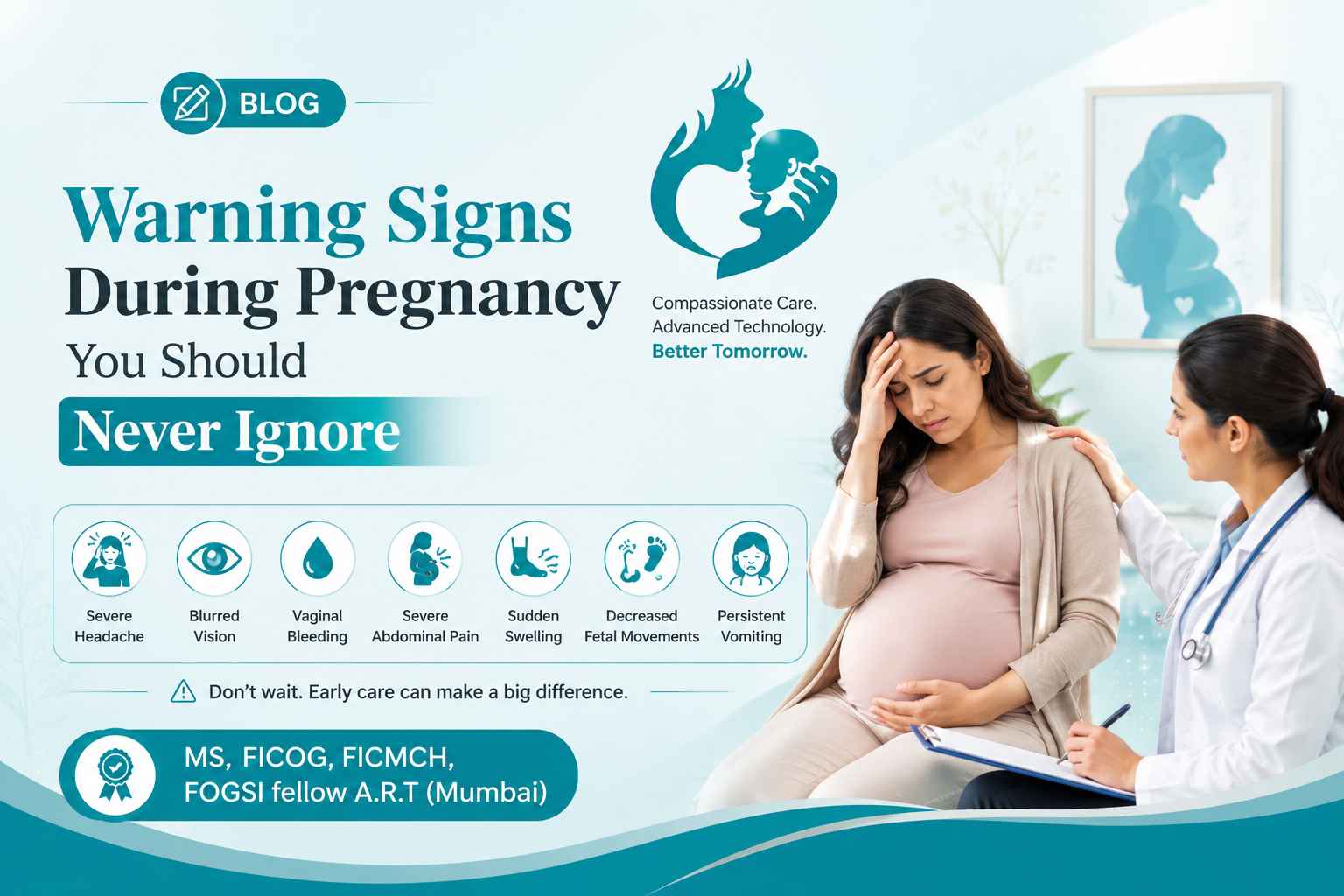
Warning Signs During Pregnancy You Should Never Ignore

best gyno doctor in South Delhi

Pregnancy is often described as a beautiful journey, but it also comes with its fair share of uncertainties. While many symptoms are normal, some signs should never be brushed aside. Consulting the best gyno doctor in South Delhi at the right time can make all the difference in ensuring both maternal and fetal well-being. Being aware of warning signals helps you act promptly and avoid complications.

Severe Abdominal Pain

Mild cramping can be common, especially in early pregnancy. However, intense or persistent abdominal pain could signal something serious, such as an ectopic pregnancy or placental issues. If the pain is sharp or accompanied by dizziness or bleeding, seek medical help immediately.

Vaginal Bleeding

Light spotting can occur, particularly in the first trimester, but heavy bleeding is never normal. It may indicate miscarriage, placental problems, or preterm labor. Any unexpected bleeding should be evaluated by the best gynecologist in South Delhi without delay.

Persistent Headaches and Vision Problems

Frequent headaches, blurred vision, or sensitivity to light may be signs of high blood pressure or preeclampsia. These conditions can pose serious risks if not treated in time. Don’t ignore these symptoms, especially in the second or third trimester.

Reduced Baby Movements

Feeling your baby move is reassuring. If you notice a sudden decrease or absence of movements, it could be a sign that the baby is in distress. Monitoring kick counts and reporting any unusual patterns to your doctor is crucial.

Swelling of Hands and Face

Some swelling is normal during pregnancy, particularly in the feet. However, sudden or excessive swelling in the hands and face may indicate underlying complications like preeclampsia. This should be checked promptly.

High Fever

A fever during pregnancy can sometimes point to infections that may affect both mother and baby. If your temperature rises above normal and is accompanied by chills or body aches, it’s best to consult a healthcare provider right away.

Painful Urination

Burning or discomfort while urinating can indicate a urinary tract infection (UTI). If left untreated, UTIs can lead to more serious complications, including kidney infections or premature labor.

Severe Nausea and Vomiting

While morning sickness is common, extreme nausea and vomiting (hyperemesis gravidarum) can lead to dehydration and nutritional deficiencies. This condition needs medical attention to ensure proper hydration and nourishment.

Staying Proactive Matters

Every pregnancy is different, and listening to your body is important. Regular check-ups, open communication with your doctor, and awareness of warning signs can help prevent complications. Women with conditions like PCOS should be even more cautious and consider consulting a trusted PCOS doctor in South Delhi for specialized guidance.

Final Thoughts

Ignoring unusual symptoms during pregnancy can have serious consequences. When in doubt, always err on the side of caution and seek medical advice. Early intervention not only protects your health but also ensures a safer journey for your baby.

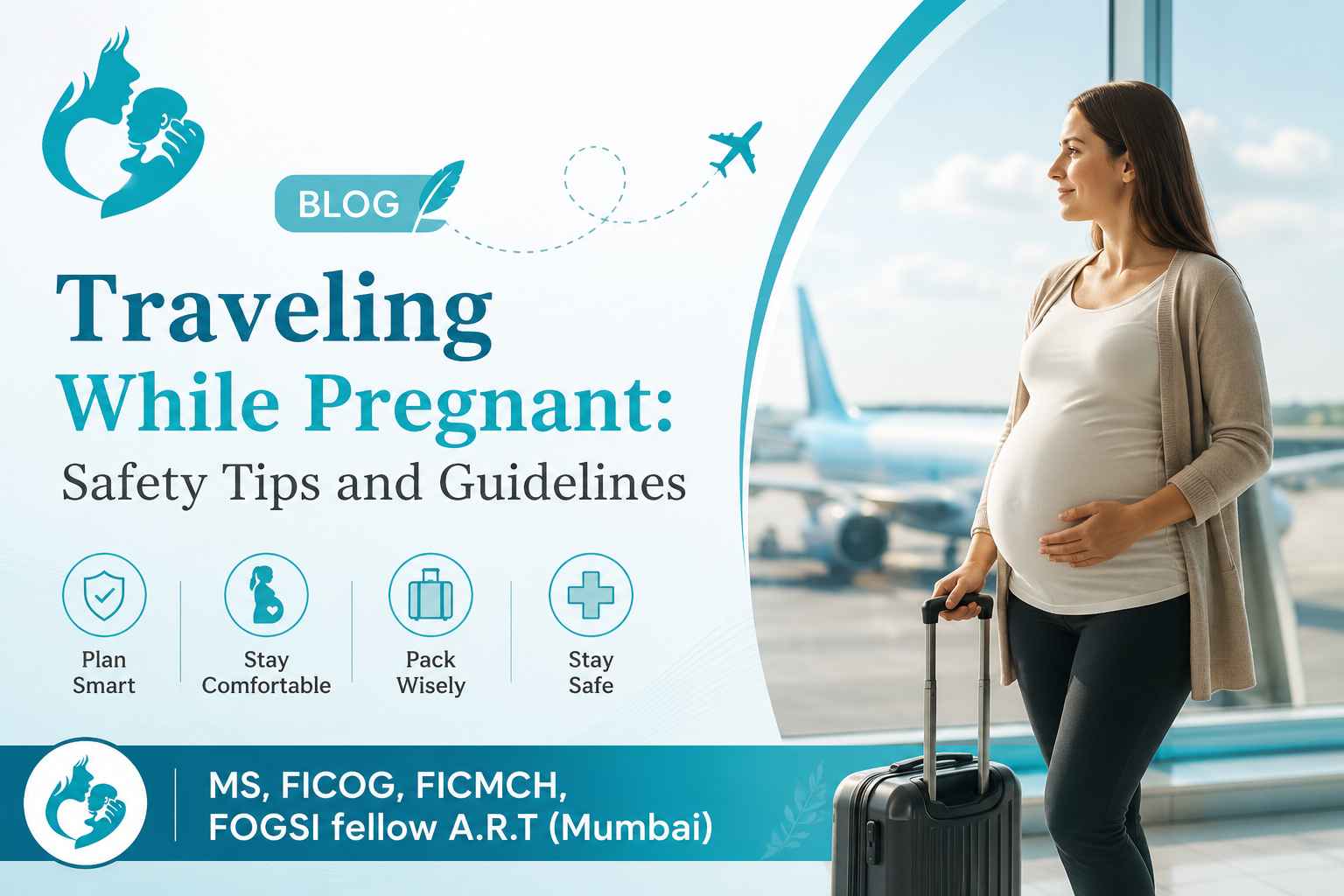
Traveling While Pregnant: Safety Tips and Guidelines

pregnancy doctor in South Delhi

Pregnancy doesn’t mean putting your travel plans completely on hold; it simply calls for a little extra care and thoughtful planning. Whether it’s a short road trip or a long-haul flight, traveling while pregnant can be safe and enjoyable when you take the right precautions.

Check with Your Doctor First

Before making any travel arrangements, it’s always wise to consult your healthcare provider. Every pregnancy is different, and your doctor can guide you based on your medical history and current condition. If you’re under the care of a pregnancy doctor in South Delhi, they can advise you on the safest time to travel and any specific restrictions you should follow.

Choose the Right Time to Travel

The second trimester (weeks 14 to 28) is often considered the best time for travel. Morning sickness usually subsides by then, and energy levels are relatively higher. Traveling in the third trimester may be more uncomfortable and could come with added risks, especially if complications arise.

Stay Comfortable During the Journey

No matter how you’re traveling, comfort should be a priority. Wear loose, breathable clothing and comfortable footwear. If you’re flying or taking a long car ride, try to move around every hour or so to improve blood circulation and reduce the risk of swelling or blood clots. Carry a small pillow or cushion to support your lower back.

Stay Hydrated and Eat Smart

Dehydration can lead to fatigue and discomfort, so keep a water bottle handy and sip regularly. Pack healthy snacks like fruits, nuts, and crackers to maintain your energy levels. Avoid street food or anything that might upset your stomach, especially when traveling to unfamiliar places.

Carry Medical Essentials

Always keep your prenatal records, doctor’s contact details, and any prescribed medications with you. It’s also helpful to research nearby hospitals or clinics at your destination, just in case you need medical assistance. If you have a high-risk pregnancy, consulting the best high-risk pregnancy specialist doctor in Delhi before your trip can give you added confidence and clarity.

Be Mindful of Travel Modes

Air travel is generally safe for pregnant women up to a certain point, but it’s important to check airline policies regarding pregnancy. When traveling by car, always wear a seatbelt with the lap belt positioned below your belly. Avoid bumpy roads or overly long journeys without breaks.

Listen to Your Body

Perhaps the most important tip is to stay in tune with how you feel. If you experience discomfort, dizziness, or unusual symptoms, don’t ignore them. Take rest breaks when needed and avoid pushing yourself too hard.

Plan a Relaxed Itinerary

Instead of packing your schedule with too many activities, opt for a slower pace. Choose accommodations that offer comfort and easy access to essential services. If needed, consulting the best gynecologist in South Delhi before your trip can help you prepare better for a stress-free experience.

Traveling during pregnancy can be a beautiful way to unwind and create special memories before your baby arrives. With the right precautions and a little planning, you can enjoy your journey while keeping both you and your baby safe.

How AI is Transforming Prenatal Care: What Patients Should Know?

best gyno doctor in South Delhi

Pregnancy is one of the most important journeys in a woman’s life, and access to the right care can make all the difference. Today, technology is reshaping how prenatal care is delivered, making it more accurate, accessible, and personalized. Even when consulting the best gynecologist in South Delhi, patients are now benefiting from tools powered by artificial intelligence (AI) that enhance both diagnosis and care management.

Understanding AI in Prenatal Care

Artificial intelligence in healthcare refers to systems that can analyze medical data, identify patterns, and assist doctors in making informed decisions. In prenatal care, AI is being used to monitor fetal development, predict potential risks, and improve overall maternal health outcomes.

Rather than replacing doctors, AI acts as a support system. It enables healthcare providers to detect issues earlier and offer timely interventions, which is especially critical during pregnancy.

Early Detection of Risks

One of the biggest advantages of AI in prenatal care is its ability to identify complications early. AI-powered tools can analyze ultrasound images, blood test results, and patient history to detect conditions such as gestational diabetes, preeclampsia, or fetal abnormalities.

This early detection allows doctors to create proactive treatment plans. Patients working with the best gynaecologist in South Delhi can expect more precise monitoring and better-informed recommendations throughout their pregnancy.

Personalized Pregnancy Care

Every pregnancy is unique, and AI helps tailor care to individual needs. By analyzing data from thousands of similar cases, AI systems can suggest personalized nutrition plans, lifestyle adjustments, and medical interventions.

For example, wearable devices connected to AI platforms can track vital signs such as heart rate, sleep patterns, and physical activity. These insights help doctors adjust care plans in real time, ensuring both mother and baby stay healthy.

Improved Ultrasound and Imaging Accuracy

AI is significantly enhancing the accuracy of prenatal imaging. Advanced algorithms can detect subtle abnormalities in ultrasound scans that may be missed by the human eye. This not only improves diagnostic precision but also reduces anxiety for expecting parents by providing clearer and more reliable results.

Additionally, AI tools can standardize imaging interpretations, ensuring consistency across different clinics and practitioners.

Better Patient Engagement and Support

AI-powered apps and virtual assistants are also improving patient engagement. These tools provide reminders for appointments, medication schedules, and routine check-ups. They can answer common pregnancy-related questions and offer guidance at any time.

This continuous support helps patients feel more informed and confident throughout their journey, especially when combined with expert care from the best gyno doctor in South Delhi.

What Patients Should Keep in Mind?

While AI offers many benefits, it’s important to remember that it complements—not replaces—medical expertise. Patients should continue to rely on qualified healthcare professionals for final decisions and personalized advice.

It’s also essential to choose healthcare providers who use AI responsibly and maintain strict data privacy standards.

Final Thoughts

AI is revolutionizing prenatal care by making it more proactive, precise, and patient-centered. From early risk detection to personalized treatment plans, these advancements are helping ensure safer pregnancies and healthier outcomes. By combining modern technology with expert medical guidance, expecting mothers can experience a new level of confidence and care throughout their pregnancy journey.

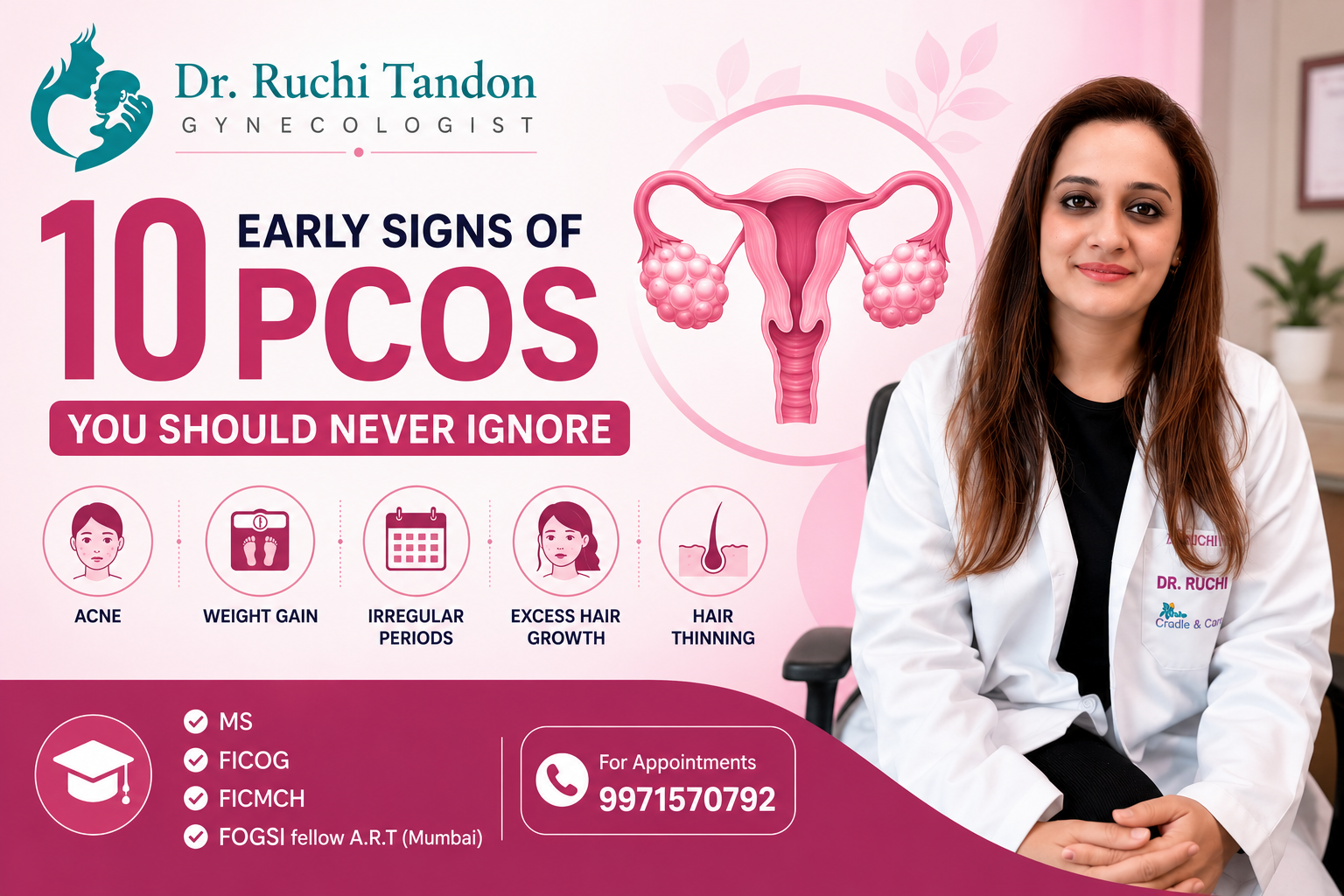
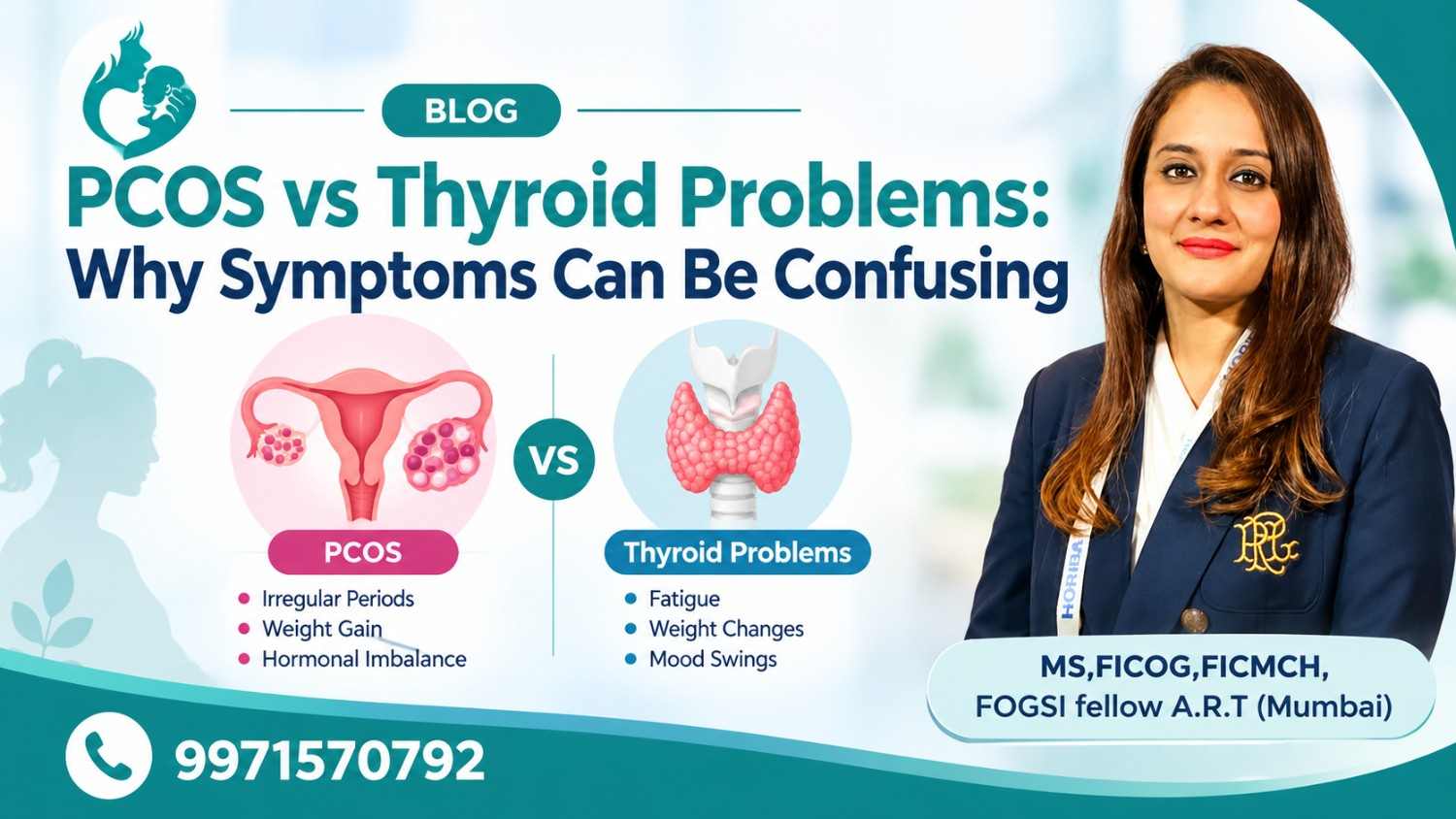
Understanding PCOS: Early Signs You Shouldn’t Ignore

PCOS doctor in South Delhi

Polycystic Ovary Syndrome (PCOS) is becoming increasingly common among women of reproductive age, yet many still struggle to identify its early symptoms. Often, the signs are subtle and easily dismissed as stress, poor lifestyle habits, or temporary hormonal changes. However, paying attention to these signals can make a big difference in managing the condition effectively. If you notice persistent symptoms, consulting the best gynecologist in South Delhi can help you get timely guidance and clarity.

What Is PCOS?

PCOS is a hormonal imbalance that affects the functioning of the ovaries. Women with this condition may experience irregular ovulation, higher levels of male hormones (androgens), and sometimes small fluid-filled sacs in the ovaries. While the exact cause is not fully understood, factors like genetics, insulin resistance, and lifestyle play a role.

Early diagnosis is important because untreated PCOS can increase the risk of infertility, diabetes, weight gain, and even heart-related issues later in life.

Early Signs You Shouldn’t Ignore

Irregular Periods

Irregular menstrual cycle tops the commonest signs of PCOS. This could mean missed periods, very light bleeding, or cycles that stretch beyond 35 days. If your periods are unpredictable for several months, it’s time to seek advice from a trusted PCOS doctor in South Delhi.

Excessive Hair Growth or Acne

Higher androgen levels can lead to unwanted facial hair, chest hair, or stubborn acne that doesn’t respond to regular skincare treatments. These symptoms are often brushed aside as cosmetic concerns, but they may indicate an underlying hormonal issue.

Sudden Weight Gain

Many women with PCOS struggle with unexplained weight gain, especially around the abdomen. Insulin resistance makes it harder for the body to process sugar effectively, leading to increased fat storage.

Thinning Hair on the Scalp

While hair growth may increase in unwanted areas, some women experience hair thinning or hair loss on the scalp. This pattern is another hormonal red flag.

Difficulty Conceiving

Irregular ovulation can make it challenging to conceive. If you have been trying for pregnancy without success and also notice other symptoms, seeking professional evaluation is essential. A good gynecologist in South Delhi can recommend appropriate tests and guide you on the next steps.

Why Early Diagnosis Matters?

Ignoring the early signs of PCOS can lead to long-term complications. Over time, the condition may increase the risk of type 2 diabetes, high cholesterol, and endometrial issues. The good news is that PCOS can be managed effectively with lifestyle changes, medication, and regular monitoring.

Balanced nutrition, regular exercise, stress management, and medical support all play a role in controlling symptoms. Personalized PCOS treatment in South Delhi often includes hormonal therapy, insulin-sensitizing medications, and fertility-focused care when needed.

When Should You See a Doctor?

If your symptoms persist for more than two or three months, don’t ignore them. Early action can prevent complications and improve your quality of life. Choosing the best gynecologist in South Delhi ensures you receive accurate diagnosis, compassionate care, and a treatment plan tailored to your body’s needs.

PCOS is manageable with the right support. Listening to your body and seeking medical advice at the right time can make all the difference in protecting your long-term health and well-being.

The Emotional Impact of Infertility on Couples

best infertility specialist in Greater Kailash

Infertility is not just a medical condition—it is an emotional journey that quietly reshapes relationships, self-worth, and future plans. For many couples, the dream of starting a family feels natural and expected. When that dream faces delays or uncertainty, the emotional weight can be overwhelming. While medical guidance from the best infertility specialist in Greater Kailash plays a crucial role, the emotional healing process is just as important.

The Silent Grief Couples Carry

One of the most difficult aspects of infertility is the silent grief that comes with it. Unlike other losses, infertility is often invisible. There are no rituals, no public acknowledgments—just a quiet cycle of hope and disappointment month after month. Couples may feel isolated, especially when friends and family announce pregnancies or celebrate milestones.

This ongoing uncertainty can trigger feelings of guilt, shame, and inadequacy. Many individuals start questioning their bodies, their lifestyle choices, and even their worth. Over time, this emotional strain can build up, affecting mental well-being.

How It Affects Relationships?

Infertility doesn’t impact just one partner; it influences the dynamic between both. Communication often changes. Some couples grow closer, leaning on each other for support. Others may struggle with unspoken frustration or emotional withdrawal.

There may be differences in coping styles. One partner might want to discuss every detail, while the other prefers silence. Financial stress from treatments, frequent doctor visits, and lifestyle adjustments can further intensify tension. Seeking guidance from a compassionate medical professional, such as the best infertility doctor in Greater Kailash, can sometimes ease part of this burden by offering clarity and realistic expectations.

The Emotional Toll of Treatments

Fertility treatments come with their own emotional rollercoaster. Hormonal changes can influence mood, sleep, and overall mental health. The anticipation before each test result can be nerve-wracking. A negative result often feels like a personal setback, even though infertility is rarely anyone’s fault.

At this stage, couples often benefit from holistic support. Alongside fertility experts, consulting a good gynecologist in South Delhi for overall reproductive health can help patients feel more informed and reassured. Having a trusted doctor who listens without judgment can significantly reduce anxiety.

Social Pressure and Cultural Expectations

In a society where parenthood is often considered a natural next step after marriage, infertility can invite unwanted advice and insensitive comments. Questions like “Any good news?” may seem harmless to others, but can deeply hurt those struggling privately.

The pressure becomes heavier during family gatherings and festivals. Couples may begin avoiding social events to escape conversations that feel intrusive. Emotional fatigue sets in, and self-esteem may decline.

The Importance of Emotional Support

Professional counseling, support groups, and open conversations between partners can make a meaningful difference. Infertility is not a reflection of failure; it is a medical condition that deserves empathy and understanding.

Building a support system—whether through friends, therapists, or healthcare providers—helps couples navigate this journey with resilience. A skilled and empathetic medical team, including the best gynecologist in South Delhi, can address both physical and emotional concerns, ensuring couples do not feel alone in the process.

Moving Forward Together

While infertility can test patience and emotional strength, many couples emerge stronger when they face it as a team. Honest communication, realistic expectations, and compassionate medical guidance are key.

If you or someone you know is struggling, remember that seeking help is not a sign of weakness. Consulting the best infertility specialist in Greater Kailash can be the first step toward clarity, hope, and renewed confidence—both medically and emotionally.

Role of Gynecologists in Managing PCOS

best gynecologist doctor in South Delhi

The best gynecologist doctor in South Delhi plays a crucial role in helping women understand, manage, and live well with Polycystic Ovary Syndrome (PCOS). PCOS is a common hormonal disorder that affects women of reproductive age and can impact menstrual health, fertility, weight, and overall well-being. Since symptoms vary widely from one woman to another, professional gynecological care becomes essential for accurate diagnosis and long-term management.

Understanding PCOS and Its Impact on Women’s Health

PCOS is characterized by hormonal imbalance, irregular menstrual cycles, and the presence of multiple small cysts in the ovaries. Women with PCOS may experience symptoms such as acne, excessive hair growth, weight gain, mood changes, and difficulty conceiving. Beyond physical symptoms, the condition can also affect emotional health, leading to stress and anxiety if left unmanaged.

Early diagnosis is key to preventing complications such as diabetes, heart disease, and infertility. This is where timely consultation with an experienced gynecologist becomes invaluable.

Accurate Diagnosis and Individualized Assessment

A gynecologist begins PCOS management with a thorough evaluation, which includes understanding medical history, menstrual patterns, lifestyle habits, and family history. Diagnostic tools such as ultrasound scans, blood tests, and hormone level assessments help confirm the condition.

Between symptoms and long-term health risks, choosing the best gynecologist in South Delhi ensures that diagnosis is not rushed or generalized. Instead, the focus remains on understanding how PCOS uniquely affects each patient, allowing for a more personalized care plan.

Creating a Personalized Treatment Plan

PCOS does not have a one-size-fits-all treatment. Gynecologists tailor treatment plans based on a woman’s age, symptoms, and future goals such as pregnancy. Management may include regulating menstrual cycles, controlling hormone levels, and addressing visible symptoms like acne or hair growth.

Lifestyle modification is often the foundation of PCOS management. Gynecologists guide patients on diet changes, weight management, and physical activity that can significantly reduce symptoms. In the middle of treatment planning, medication may be introduced to regulate periods, improve insulin sensitivity, or support ovulation when needed.

A skilled PCOS doctor in South Delhi ensures that medical treatment and lifestyle guidance work hand in hand for sustainable results.

Fertility Support and Reproductive Guidance

For women trying to conceive, PCOS can be emotionally challenging. Gynecologists play a vital role in fertility counseling by monitoring ovulation, prescribing fertility-supporting medications, and offering reassurance throughout the journey.

They also help patients understand when advanced reproductive techniques may be necessary and ensure that decisions are made with clarity and confidence. Emotional support during this phase is just as important as medical care, and a compassionate gynecologist helps reduce anxiety related to fertility concerns.

Long-Term Monitoring and Preventive Care

PCOS is a lifelong condition that requires regular follow-ups. Gynecologists monitor hormonal balance, metabolic health, and menstrual regularity over time. Preventive care includes screening for diabetes, cholesterol issues, and cardiovascular risks, which are more common in women with PCOS.

By maintaining consistent medical supervision, women can avoid complications and lead a healthy, balanced life. With proper guidance from the best gynecologist doctor in South Delhi, managing PCOS becomes a structured, supportive, and empowering journey rather than a constant struggle.

How Early Pregnancy Detection Impacts Abortion Options

abortion clinic in Delhi

Finding a trusted abortion clinic in Delhi often starts with early pregnancy awareness. Detecting pregnancy at an early stage gives women more control, safer choices, and better medical guidance. The timing of detection directly influences the type of abortion available, recovery experience, and overall well-being.

Why Early Pregnancy Detection Matters?

Early pregnancy detection usually happens within the first few weeks after a missed period. At this stage, the body has undergone minimal hormonal and physical changes, making medical management simpler and safer. Early awareness allows women to explore their options calmly rather than feeling rushed due to advancing gestation.

Medical experts consistently stress that early diagnosis reduces health risks and opens the door to less invasive procedures.

Expanded Abortion Options in Early Stages

When pregnancy is identified early, women may be eligible for medication-based abortion methods. These options are non-surgical, discreet, and effective when supervised by a qualified medical professional. Consulting the best gynecologist in South Delhi during this phase ensures correct evaluation, safe administration, and emotional reassurance throughout the process.

Early options generally involve shorter recovery times, fewer complications, and minimal disruption to daily life.

Legal and Medical Advantages of Timely Detection

Indian abortion laws outline gestational limits for different procedures. Early pregnancy confirmation ensures women remain well within legal boundaries, avoiding unnecessary stress or delays. It also allows doctors to recommend the safest medical approach based on individual health conditions.

Timely detection enables clinics to provide complete counseling, address concerns, and plan the procedure responsibly without urgency.

Emotional Well-Being and Informed Decision-Making

Beyond physical safety, early detection supports emotional stability. Women are given more time to understand their situation, weigh personal circumstances, and make confident decisions. This window allows discussions with healthcare providers and access to mental health support if needed.

Many women report feeling more empowered when decisions are made early, without the pressure of limited options.

Access to Trusted and Safe Healthcare Facilities

Early diagnosis improves access to reputable medical facilities, including a certified abortion centre in Delhi that prioritizes patient safety, confidentiality, and ethical care. Early visits allow healthcare teams to offer comprehensive guidance, follow-up care, and preventive health advice for the future.

Such centers are better equipped to manage early procedures efficiently and compassionately.

Long-Term Health and Recovery Benefits

Early abortion procedures are associated with faster physical recovery and lower risk of complications. Women can return to their routines sooner and experience less physical discomfort. Follow-up care is also simpler when procedures are performed in early stages.

Ultimately, early pregnancy detection empowers women with choice, safety, and peace of mind when seeking care from the best abortion clinic in South Delhi.

PCOS in Teenagers: Early Signs Parents Should Watch

PCOS doctor in South Delhi

Polycystic Ovary Syndrome (PCOS) is no longer a condition seen only in adult women. Increasingly, teenagers are being diagnosed with PCOS, often after months or even years of overlooked symptoms. Consulting a PCOS doctor in South Delhi at the right time can make a significant difference in managing the condition early and preventing long-term health complications.

What Is PCOS and Why Early Detection Matters?

PCOS is a hormonal disorder that affects the normal functioning of the ovaries. In teenagers, its symptoms can overlap with normal pubertal changes, which makes early detection tricky. However, ignoring early warning signs may lead to issues such as irregular periods, insulin resistance, fertility problems later in life, and emotional stress during crucial developmental years.

Parents play a vital role in spotting subtle changes and seeking timely medical advice.

Early Signs of PCOS Parents Should Watch For

1. Irregular Menstrual Cycles

While irregular periods are common in the first year after menarche, cycles that remain unpredictable, absent, or excessively heavy beyond two years may indicate PCOS.

2. Excessive Hair Growth or Hair Thinning

Unusual hair growth on the face, chest, or back (hirsutism), or noticeable thinning of scalp hair, may point to hormonal imbalance caused by elevated androgen levels.

3. Persistent Acne

Teen acne is common, but acne that is severe, cystic, or resistant to regular treatments can be a red flag.

4. Sudden or Unexplained Weight Gain

PCOS is often associated with insulin resistance, making weight management difficult despite a healthy diet and activity.

5. Darkened Skin Patches (Acanthosis Nigricans)

Dark, velvety patches on the neck, underarms, or groin area may signal insulin resistance linked to PCOS.

Emotional and Mental Health Indicators

PCOS doesn’t just affect physical health. Teenagers may experience mood swings, anxiety, low self-esteem, or signs of depression due to hormonal changes and body image concerns. Seeking guidance from an experienced best gynecologist in South Delhi can help address both physical symptoms and emotional well-being.

When Should Parents Seek Medical Advice?

If multiple symptoms persist for several months, it’s important not to dismiss them as “just teenage changes.” A gynecologist may recommend hormonal tests, ultrasound evaluations, and lifestyle assessments to confirm the diagnosis.

Early intervention often focuses on lifestyle modifications, balanced nutrition, physical activity, and, when necessary, medical treatment tailored to the teenager’s age and needs.

Supporting Your Teen Through PCOS

Open communication is key. Encourage healthy habits without blame or pressure, and reassure your child that PCOS is manageable with the right care. Early diagnosis empowers teenagers to understand their bodies better and take control of their health journey.

In conclusion, recognizing the early signs of PCOS can help parents protect their child’s long-term reproductive and metabolic health. Timely consultation with a trusted PCOS doctor in South Delhi ensures personalized care, early management, and a healthier future for your teenager.

PCOS and Infertility: What Women Need to Know?

infertility specialist in Greater Kailash

When a woman visits an infertility specialist in Greater Kailash, one of the most common concerns she expresses is the fear that PCOS may prevent her from becoming a mother. Polycystic Ovary Syndrome, or PCOS, affects millions of women, yet so many still feel confused or overwhelmed by the diagnosis. Understanding what PCOS is—and how it actually impacts fertility—can help women make clearer, more confident decisions about their health.

What Exactly Is PCOS?

PCOS is a hormonal condition in which the ovaries don’t function as they should. Many women with PCOS have irregular cycles, difficulty ovulating, or higher-than-normal levels of certain hormones. Some may develop small cysts on the ovaries, while others may not. The symptoms vary widely, which is why two women with PCOS can have completely different experiences.

Common signs include irregular periods, weight fluctuations, acne, excess facial hair, and difficulty conceiving. But not everyone has all these symptoms, and that’s what often makes PCOS feel confusing.

Why PCOS Affects Fertility?

Fertility challenges arise mainly because PCOS can disrupt ovulation. If ovulation doesn’t happen regularly—or doesn’t happen at all—conception becomes harder. Some women ovulate only a few times a year, making it difficult to predict their fertile window.

Hormonal imbalances also play a major role. Higher levels of androgens (male hormones) and insulin resistance are common in PCOS, and both can interfere with regular reproductive functioning.

The important thing to remember is this: PCOS does not mean infertility. Many women with PCOS conceive naturally, and countless others become pregnant with simple medical support.

How PCOS Is Managed and Treated?

Right in the middle of these concerns, many women seek PCOS treatment in South Delhi, where doctors often take a customized, patient-friendly approach. Treatment plans depend on symptoms, age, future family plans, and overall health.

Here are the most common ways PCOS is managed:

1.     Lifestyle and Nutrition Support

Diet and exercise play a huge role. A balanced diet can help manage insulin resistance, and regular physical activity can improve ovulation patterns.

2.     Medication for Hormones and Ovulation

Doctors may prescribe medicines to regulate periods, reduce androgen levels, or induce ovulation. These medications help the body get into a more balanced rhythm.

3.     Fertility Treatments When Needed

For women actively trying to conceive, treatments like ovulation induction, IUI, or IVF may be recommended. These methods have helped countless women with PCOS achieve healthy pregnancies.

Emotional Wellness Matters Too

The emotional side of PCOS is often overlooked. Dealing with irregular periods, weight changes, or conception struggles can take a toll on mental health. Women are encouraged to seek support, communicate openly with their doctor, and remember that they are not alone—PCOS is one of the most treatable causes of infertility.

Final Thoughts

PCOS may complicate the fertility journey, but it rarely closes the door. With early diagnosis, the right lifestyle choices, and proper medical guidance, women can manage symptoms effectively and improve their chances of conception. For personalized care, evaluation, and dependable support, connecting with the best gynecologist in South Delhi can make all the difference.

Microbiome and Pregnancy How Gut Health Impacts Your Baby

pregnancy doctor in South Delhi

When you’re pregnant, you’re thinking about a million things. You’re eating right, trying to get enough sleep, and avoiding all the wrong stuff. But there’s a new player in town that science is just starting to understand, and it might be one of the most important factors for your baby’s long-term health: your gut microbiome. It’s a hot topic, and it’s something every pregnancy doctor in South Delhi is now discussing with expecting mothers. The trillions of tiny bacteria living in your gut aren’t just helping you digest your lunch; they’re laying the foundation for your baby’s future health.

What is Microbiome?

So what exactly is this microbiome? Think of it as a bustling city of trillions of microbes—mostly bacteria—living inside your digestive tract. This isn’t a bad thing; these are your microscopic helpers. They break down food your body can’t, they produce essential vitamins, and they are the frontline soldiers of your immune system. When this gut city is diverse and thriving with good bacteria, you’re healthier. When the bad guys start to take over, things can go wrong.

Importance of Microbiome for the Baby

Here’s the incredible part. A baby is born with a nearly sterile gut. They get their first big dose of microbes during the journey through the birth canal. It’s like a bacterial baptism, giving them a starter kit of their mom’s own bacteria. Breast milk continues this process, providing more good bugs and the food they need to thrive. This initial seeding is critical. It teaches the baby’s brand-new immune system what to attack and what to ignore, which can influence their risk of allergies, asthma, and even obesity later in life. The best gynecologist in South Delhi will tell you that establishing this healthy foundation is one of the most important gifts you can give your child.

Okay, so how do you support a healthy gut for you and your baby? It’s simpler than you think.

  • Feed the good guys: Load up on fiber-rich foods like fruits, vegetables, lentils, and whole grains. This is what the good bacteria love to eat.
  • Bring in reinforcements: Add fermented foods like plain yogurt, kefir, or kimchi to your diet. These are full of beneficial live bacteria (probiotics).
  • Avoid the nukes: Only take antibiotics when absolutely necessary and prescribed by your doctor, as they can wipe out both good and bad bacteria.
  • Chill out: High stress levels can negatively impact your gut. Find ways to relax, whether it’s through gentle yoga, meditation, or just a walk in the park.

Conclusion

Taking care of your gut during pregnancy isn’t about being perfect. It’s about being mindful. By making a few simple tweaks to your diet and lifestyle, you’re not just improving your own health; you’re actively programming your baby’s immune system for a healthier future. It’s a powerful connection that we’re only beginning to appreciate. If you’re curious to learn more about how you can support your microbiome, don’t hesitate to have a conversation with a good gynecologist in South Delhi.