How Weight Training Can Help Manage PCOS Symptoms?

PCOD specialist doctor in South Delhi

Polycystic Ovary Syndrome (PCOS) affects millions of women worldwide, causing symptoms like irregular periods, weight gain, and hormonal imbalances. While medical intervention is crucial, lifestyle changes—especially incorporating weight training—can significantly ease symptoms and improve overall well-being. Let’s explore how lifting weights can become a powerful ally in managing PCOS.

Balancing Hormones Through Strength Training

Weight training helps regulate hormones, which is vital for women with PCOS. Strength exercises increase insulin sensitivity, reducing insulin resistance—a common concern for those with PCOS. This, in turn, stabilizes blood sugar levels and decreases excessive androgen production, alleviating symptoms like acne, excessive hair growth, and irregular cycles.

A gynecologist doctor in South Delhi might recommend regular strength training as part of a comprehensive treatment plan. Pairing exercise with proper medical care can enhance results and provide long-term relief.

Boosting Metabolism and Managing Weight

One of the biggest challenges with PCOS is managing weight. Strength training boosts muscle mass, which naturally increases resting metabolic rate. More muscles mean more calorie burn, even at rest. This makes weight loss more sustainable and helps prevent the visceral fat accumulation often associated with PCOS.

Women looking for a good gynecologist in South Delhi may find that their doctor suggests combining weight training with a balanced diet. Together, these lifestyle changes can create a synergistic effect, helping regulate menstrual cycles and improve fertility outcomes.

Reducing Stress and Enhancing Mood

PCOS often comes with emotional struggles, including anxiety and depression. Weight training releases endorphins—the body’s natural mood lifters. Regular sessions can reduce cortisol (the stress hormone) levels, which is particularly beneficial for women with PCOS, as chronic stress can exacerbate symptoms.

Incorporating mindful movement and focusing on personal progress can build self-esteem, empowering women to feel more in control of their bodies and health. This holistic approach is something a PCOD specialist doctor in South Delhi may encourage alongside medical treatments.

Improving Cardiovascular Health

Women with PCOS are at higher risk of developing cardiovascular issues. Weight training strengthens the heart, lowers blood pressure, and improves cholesterol profiles. Combined with aerobic exercises, it forms a well-rounded fitness regimen that protects long-term heart health.

Getting Started with Weight Training

For beginners, starting with bodyweight exercises like squats, lunges, and push-ups is an excellent way to build a foundation. Gradually incorporating free weights or resistance bands can enhance workouts.

Working with a certified fitness trainer or seeking guidance from a healthcare provider ensures a safe and effective workout plan tailored to individual needs. Tracking progress, staying consistent, and celebrating small victories can make the journey enjoyable and sustainable.

Final Thoughts

Managing PCOS requires a multifaceted approach, and weight training is a game-changer for many women. By balancing hormones, promoting weight loss, reducing stress, and improving heart health, it addresses several core concerns of PCOS. Consulting with a gynecologist doctor in South Delhi or a PCOD specialist doctor in South Delhi ensures you receive expert advice and personalized care. Pairing this with a commitment to strength training can pave the way to a healthier, more vibrant life.

If you’re ready to take charge of your health, consider integrating weight training into your routine. It might just be the missing piece to managing your PCOS symptoms and unlocking your full potential.

PCOS vs. PCOD – Understanding the Difference and Its Impact on Women’s Health

Polycystic Ovary Syndrome (PCOS) and Polycystic Ovary Disease (PCOD) are two conditions that are often confused due to their similar names and overlapping symptoms. However, they are distinct medical issues with unique characteristics and implications for women’s health. Knowing the actual differences between these two conditions is important in effective management of both conditions.

What is PCOS?

PCOS is a hormonal disorder that affects women of reproductive age. It is characterized by an imbalance in reproductive hormones, leading to irregular menstrual cycles, excessive androgen (male hormone) levels, and the development of small fluid-filled sacs or cysts on the ovaries. While the exact cause of PCOS is unknown, it is believed to be linked to genetic, environmental, and lifestyle factors. Consulting the best PCOS specialist doctor in South Delhi for diagnosis and treatment is crucial.

Common symptoms of PCOS include:

  • Irregular or absent menstrual periods
  • Excessive growth of hair on the face, chest, or back (hirsutism)
  • Acne and oily skin
  • Weight gain or difficulty losing weight
  • Thinning hair or male-pattern baldness
  • Difficulty conceiving due to ovulation issues

PCOS is also associated with insulin resistance, which increases the risk of developing type 2 diabetes, obesity, and cardiovascular diseases. Early diagnosis and intervention can help manage these risks.

What is PCOD?

PCOD, or Polycystic Ovary Disease, is a condition where the ovaries produce immature or partially mature eggs, which can develop into cysts over time. Unlike PCOS, PCOD is primarily a result of lifestyle factors such as poor diet, lack of exercise, and stress.

Key features of PCOD include:

  • Enlarged ovaries with multiple cysts
  • Irregular menstrual cycles
  • Hormonal imbalances leading to skin and hair issues
  • Weight gain

Although PCOD can cause discomfort and affect fertility, it is generally considered less severe than PCOS. Women with PCOD can often manage their symptoms with lifestyle changes, such as adopting a balanced diet, regular physical activity, and stress management techniques.

Key Differences Between PCOS and PCOD

  1. Severity: PCOS is a more severe endocrine disorder with long-term health implications, while PCOD is a milder condition that can often be managed with lifestyle modifications.
  2. Cause: PCOS is primarily hormonal, with genetic and environmental influences, whereas PCOD is more closely related to lifestyle factors.
  3. Impact on Fertility: PCOS is a leading cause of infertility due to ovulation issues, while women with PCOD usually retain their fertility with proper management.
  4. Symptoms: PCOS often involves systemic issues like insulin resistance and metabolic complications, while PCOD symptoms are usually limited to the reproductive system.

Impact on Women’s Health

Both PCOS and PCOD can significantly impact a woman’s physical and emotional well-being. Untreated PCOS can lead to chronic health issues such as diabetes, heart disease, and depression. On the other hand, unmanaged PCOD can result in prolonged menstrual irregularities and fertility challenges.

Conclusion

Understanding the differences between PCOS and PCOD is essential for timely diagnosis and effective treatment. Women experiencing symptoms like irregular periods, excessive hair growth, or difficulty conceiving should seek medical advice from a good gynecologist in South Delhi. With the right approach, both conditions can be managed, ensuring better health outcomes and improved quality of life.

Understanding Menstrual Irregularities: Could It Be Fibroids?

fibroids surgeon in South Delhi

Menstrual irregularities are a common concern among women, often signaling underlying health issues. These irregularities can affect daily life and overall well-being, from heavy bleeding to unpredictable cycles. One of the potential culprits behind such disruptions is fibroids and, in such cases, it is highly important to consult an experienced fibroids surgeon in South Delhi. But what are fibroids, and how can they influence your menstrual health? Let us have a look.

What Are Fibroids?

Also known as uterine leiomyomas, fibroids are non-cancerous growths that develop in or around the uterus. They vary in size, shape, and location, with some being as small as a seed and others growing large enough to distort the uterus. While fibroids are generally benign, their impact on health can range from minimal to significant, depending on factors such as size, number, and location.

How Fibroids Cause Menstrual Irregularities?

One of the hallmark symptoms of fibroids is abnormal menstrual bleeding. Women with fibroids may experience:

Heavy Menstrual Bleeding (Menorrhagia): Fibroids can increase the volume and duration of menstrual flow, sometimes leading to anemia.

Prolonged Periods: Menstruation lasting longer than usual is another common sign.

Frequent or Irregular Periods: Fibroids can disrupt the regularity of the menstrual cycle, causing periods to occur more frequently or unpredictably.

Painful Periods (Dysmenorrhea): Fibroids can contribute to severe cramping and pelvic discomfort during menstruation.

The exact mechanism behind these symptoms often depends on the location of the fibroids. Submucosal fibroids, which grow beneath the uterine lining, are more likely to cause heavy bleeding, while intramural or subpetrosal fibroids may exert pressure on surrounding organs, leading to other complications.

Are Fibroids the Only Cause?

It’s important to note that not all menstrual irregularities are due to fibroids. Hormonal imbalances, polycystic ovary syndrome (PCOS), endometriosis, and thyroid disorders are other potential causes. Lifestyle factors, stress, and changes in body weight can also play a role.

When to Seek Medical Advice?

If you notice any significant changes in your menstrual cycle—such as heavy bleeding, prolonged periods, or severe pain—it’s essential to consult a healthcare professional. Early diagnosis can help identify fibroids or other conditions and ensure timely treatment.

What Are the Treatment Options for Fibroids?

Fibroid management ranges from watchful waiting to medical interventions. Mild cases may not require immediate action, while others might benefit from medications, minimally invasive procedures, or surgery. Discussing your symptoms and treatment goals with a doctor is crucial for determining the best approach.

Take Charge of Your Health

Understanding the potential link between menstrual irregularities and fibroids empowers women to prioritize their reproductive health. By staying informed and seeking medical care when needed from a good gynecologist in South Delhi, you can manage symptoms effectively and maintain a better quality of life.

How to Talk to Your Doctor About Fibroids? Key Questions to Ask.

fibroids surgeon in South Delhi

Uterine fibroids frequently affect women, especially during their childbearing years. While they are usually benign, fibroids can cause significant discomfort and disrupt daily life. Whether you’re newly diagnosed or seeking treatment options, having a productive conversation with your fibroids surgeon in South Delhi is essential. Preparing for this discussion can help ensure you receive the best possible care. Here are key questions to ask and tips on how to approach this important dialogue.

Understanding the Diagnosis

Start by gaining clarity about your condition. Fibroids vary in size, number, and location, all of which can influence symptoms and treatment options. Here are some questions to ask:

  • What are uterine fibroids? How do they develop?
  • What type of fibroids do I have? Are they located inside, outside, or within the uterine wall?
  • How large are my fibroids, and how many are present?
  • Do my fibroids pose any risks to my overall health or fertility?

Understanding the specifics of your diagnosis can help you make informed decisions about managing your fibroids.

Evaluating Symptoms

Fibroid symptoms can range from mild to severe. Common issues include heavy menstrual bleeding, pelvic pain, and pressure on the bladder or rectum. Discuss your symptoms in detail to guide your treatment plan. Consider asking:

  • Are my symptoms typical for someone with fibroids?
  • Can my symptoms worsen over time?
  • What are the warning signs of potential complications?

Tracking your symptoms beforehand can provide useful insights for your doctor, helping them better understand how fibroids affect your daily life.

Exploring Treatment Options

Fibroid treatment isn’t one-size-fits-all. It depends on factors such as your age, overall health, the severity of your symptoms, and whether you plan to have children. Key questions include:

  • What are my treatment options?
  • Are there non-surgical methods, such as medication or lifestyle changes, that could help?
  • What surgical treatments are available, and what are their risks and benefits?
  • Will this treatment impact my future fertility?

It’s essential to understand the pros and cons of each treatment approach and weigh them against your personal health goals.

Considering Long-Term Care

Even after treatment, fibroids can recur. Discussing long-term care and follow-up plans is vital. Ask:

  • How likely are my fibroids to return after treatment?
  • What can I do to prevent future fibroids?
  • How often should I schedule follow-up appointments?

By addressing these concerns, you can stay proactive about your health and minimize future disruptions.

Tips for a Productive Conversation

Prepare a list of questions and symptoms

Write down everything you want to discuss to avoid forgetting during the appointment.

Bring medical records

Share relevant test results or imaging reports with your doctor.

Be honest about your concerns

Whether it’s fear of surgery or worries about fertility, being open can help your doctor tailor their recommendations to your needs.

Ask for clarification

Don’t hesitate to request simpler explanations if medical jargon is confusing.

By preparing for your appointment and asking the right questions, you can take an active role in managing your fibroid health. This collaborative approach with a good gynecologist in South Delhi ensures you receive personalized care that aligns with your lifestyle and goals.

Different Types of Uterine Fibroids. What Women Should Know?

Different Types of Uterine Fibroids. What Women Should Know?

Uterine fibroids are harmless tumors that form in the uterus. While many are small and don’t cause problems, others can lead to pain or complications. There are several different types of uterine fibroids, each with its own characteristics and potential effects. Some uterine fibroids may require the help of an experienced fibroids surgeon in South Delhi for treatment.

What Are the Types of Uterine Fibroids?

Intramural Fibroids

  • Location: These fibroids grow within the muscular wall of the uterus.
  • Symptoms: Intramural fibroids may not cause symptoms, but they can result in heavy bleeding, pelvic pain, and pressure on the bladder or rectum.
  • Treatment: The choice of treatment for intramural fibroids will be determined by how much the symptoms are affecting the patient’s quality of life.

Subserosal Fibroids

  • Location: These fibroids grow on the outside surface of the uterus.
  • Symptoms: Subserosal fibroids may cause abdominal pain, bloating, and pressure on nearby organs. If they become large enough, they can also interfere with fertility.
  • Treatment: Treatment for subserosal fibroids may include observation, medication, or surgery.

Submucosal Fibroids

  • Location: These fibroids grow beneath the inner lining of the uterus.
  • Symptoms: Submucosal fibroids are often associated with heavy bleeding, anemia, and pelvic pain. They can also interfere with fertility.
  • Treatment: Treatment for submucosal fibroids typically involves surgery, such as myomectomy or hysterectomy.

Pedunculated Fibroids

  • Location: These fibroids are attached to the uterus by a stalk or peduncle.
  • Symptoms: Pedunculated fibroids can cause pelvic pain, pressure, and heavy bleeding. They may also twist or degenerate, leading to severe complications.
  • Treatment: Treatment for pedunculated fibroids may include observation, medication, or surgery to remove the fibroid or the entire uterus.

Cervical Fibroids

  • Location: These fibroids grow in the cervix, the lower, narrow part of the uterus.
  • Symptoms: Cervical fibroids can cause abnormal bleeding, pelvic pain, and difficulty with intercourse.
  • Treatment: Treatment for cervical fibroids typically involves surgery, such as myomectomy or hysterectomy.

What Are the Factors that Affect Symptoms and Treatment?

The size, location, and number of uterine fibroids can all affect the severity of symptoms and the most appropriate treatment. Other factors that may influence treatment decisions include the patient’s age, fertility desires, and overall health.

What is the Diagnosis for Uterine Fibroids?

Uterine fibroids are typically diagnosed through a physical examination, pelvic ultrasound, or MRI scan. In some cases, a hysteroscopy or laparoscopy may be necessary to confirm the diagnosis or evaluate the extent of the fibroids.

What Are the Treatment Options for Uterine Fibroids?

The treatment options available for uterine fibroids include:

  • Observation: If the fibroids are small and asymptomatic, they may be monitored without treatment.
  • Medication: Hormonal medications can be effective in regulating menstrual cycles and reducing excessive bleeding.
  • Myomectomy: The surgery removes fibroids without affecting the uterus.
  • Hysterectomy: This surgical procedure involves removing the uterus, often along with the ovaries.

The choice of treatment will depend on the individual patient’s circumstances and preferences. Before making a decision, it’s crucial to talk to a fibroids surgeon in South Delhi about the potential advantages and drawbacks of each option.

Living with Uterine Fibroids

Many women with uterine fibroids can live normal, healthy lives. If you have been diagnosed with uterine fibroids, it is important to manage your symptoms and seek appropriate treatment. By working closely with a good gynecologist in South Delhi, you can develop a personalized treatment plan that meets your specific needs.

How to Maintain Healthy Vaginal Hygiene?

How to Maintain Healthy Vaginal Hygiene?

Vaginal health one of the most overlooked topic despite being an essential aspect of overall well-being. Maintaining proper vaginal hygiene is crucial to prevent infections, discomfort, and other health issues. If any discomfort or infection is noticed, you must consult a good gynecologist in South Delhi. Here’s a comprehensive guide to help you care for your vaginal health.

Understanding the Vagina

The vagina is a self-cleaning organ. It has a natural balance of bacteria, which helps to keep it healthy. However, certain factors can disrupt this balance, leading to infections.

Daily Hygiene Practices

Gentle Cleansing

Use mild, unscented soap and warm water to gently clean the external area of the vagina. Avoid using harsh soaps, douches, or scented products, as these can irritate the delicate tissues.

Avoid Over-Washing

Washing the vaginal area too frequently can disrupt the natural balance of bacteria.

Wipe Front to Back

Wipe properly from front and back after using the toilet to prevent bacterial infection from anus to vagina.

Cotton Underwear

Opt for breathable cotton underwear to allow the vaginal area to stay dry and ventilated. Avoid wearing tight-fitting or synthetic fabrics.

Change Pads or Tampons Regularly

During menstruation, change pads or tampons every 4-8 hours to prevent bacterial growth.

Avoid Scented Products

Many feminine hygiene products, such as sprays and deodorants, contain chemicals that can irritate the vagina.

How to Prevent Infections?

Safe Sex Practices

Condoms should be used during sexual intercourse. It is the best way to prevent the spread of sexually transmitted infections (STIs).

Avoid Irritants

Be mindful of irritants like bubble baths, scented soaps, and harsh fabrics that can cause vaginal irritation.

Manage Stress

Excessive stress can affect the immune system. In such cases, the risk of infection becomes high. Meditation and yoga might help relieve stress and calm mind.

Know Your Body

Pay attention to any changes in your vaginal discharge, odor, or sensation. If you notice anything unusual, immediately consult a gynecologist in Greater Kailash.

When to See a Doctor?

Unusual Discharge

If you experience a change in the color, consistency, or odor of your vaginal discharge, consult a doctor.

Itching or Burning

Persistent itching or burning in the vaginal area could be a sign of an infection or irritation.

Painful Sex

Pain during sexual intercourse can be a symptom of various health conditions.

Pelvic Pain

If there is persistent pain in the pelvis, contact a good gynecologist without wasting any time.

Additional Tips

Stay Hydrated

Drinking plenty of water helps maintain the overall health of your body, including the vaginal area.

Avoid Tight Clothing

Tight clothing can trap moisture and heat, creating a breeding ground for bacteria.

Pelvic Floor Exercises

Strengthening your pelvic floor muscles can help improve vaginal health and prevent urinary incontinence.

By following these guidelines, you can maintain optimal vaginal health and prevent common issues. If you have any concerns or questions, don’t hesitate to consult with a healthcare provider.

For any gynecology-related concerns, consult Dr. Ruchi Tandon, an experienced and renowned pregnancy doctor in South Delhi.

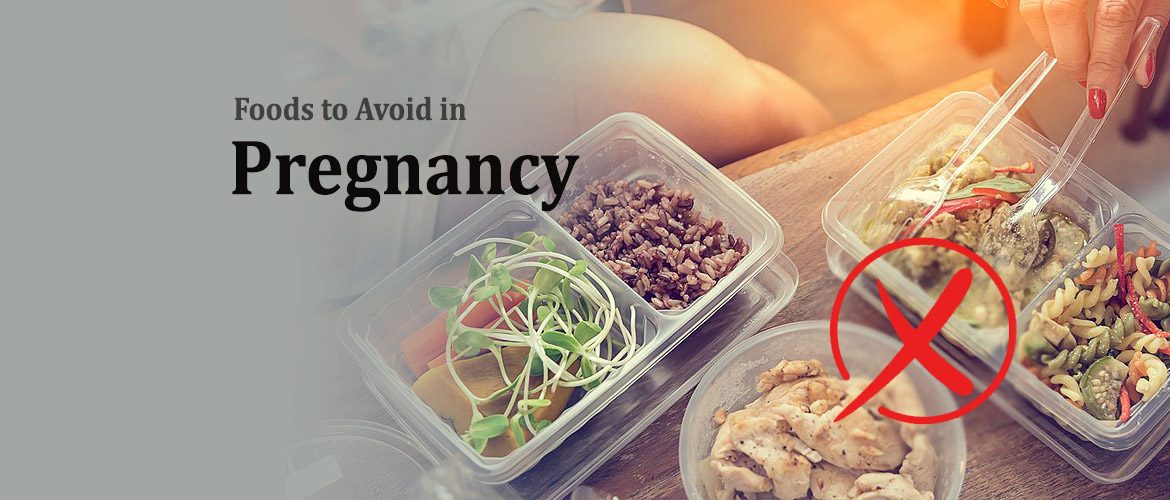
Foods You Should Avoid During Pregnancy

Foods You Should Avoid During Pregnancy

Pregnancy is a beautiful journey of creating new life, but it also comes with dietary adjustments to ensure the health of both mother and baby. While there’s a world of delicious foods to enjoy, certain items can pose risks. Those foods should be avoided during your pregnancy. A good gynecologist in South Delhi can help you prepare a list of such food items. However, here are some foods we have searched for that should be avoided during pregnancy.

What Not to Eat During Pregnancy?

Fish with High Mercury

Mercury, a heavy metal, can harm a developing baby’s nervous system. Do not eat fish high in mercury like king mackerel, shark, swordfish, and tilefish. Opt for safer options like salmon, shrimp, pollock, and cod, limiting intake to two to three servings per week.

Raw Fish and Shellfish

Raw fish and shellfish can harbor bacteria and parasites harmful to expecting mothers and their babies. This includes sushi, sashimi, ceviche, and raw oysters. Cooked versions of these foods are generally safe.

Undercooked Meat and Eggs

Similar to raw fish, undercooked meat and eggs can harbor harmful bacteria like salmonella. Ensure all meat (including poultry) is cooked thoroughly until there’s no pink in the center. Eggs should be cooked firmly with solid yolks and whites. You can consult with a pregnancy doctor in South Delhi to know the serious side effects of the condition.

Unpasteurized Dairy Products

Unpasteurized milk and milk products like cheese haven’t undergone a process to eliminate harmful bacteria. This can lead to infections like listeria, which can be serious for pregnant women. Stick to pasteurized dairy products for safety.

Soft Cheeses

Cheeses like feta, brie, camembert, gorgonzola, and blue cheese are often made with unpasteurized milk and should be avoided. Choose harder cheeses like cheddar, parmesan, or mozzarella that are pasteurized.

Deli Meats and Hot Dogs

Deli meats, hot dogs, and sausages can support the growth of listeria bacteria due to storage and processing methods. While the risk is low, it’s best to avoid them or heat them until steaming hot before consumption. However, whether you should eat such foods or not must be consulted with a good gynecologist in South Delhi.

Sprouts

Raw sprouts like alfalfa, clover, and mung bean can grow harmful bacteria like E. coli. Avoid raw sprouts entirely and opt for thoroughly cooked varieties.

Unwashed Fruits and Vegetables

Washing fruits and vegetables thoroughly removes dirt, pesticides, and bacteria that can be harmful during pregnancy.

Processed Foods

Processed foods are often high in sodium, unhealthy fats, and added sugars. While an occasional indulgence is okay, focus on a balanced diet rich in whole foods for optimal nutrition.

Excessive Caffeine and Alcohol

Limit caffeine intake from coffee, tea, and soda to 200mg per day. Alcohol consumption should be completely avoided throughout pregnancy.

For more details on the diet during pregnancy, consult Dr. Ruchi Tandon, an experienced pregnancy doctor in South Delhi.

What Are the Signs Indicating That Labor Is Near?

What Are the Signs Indicating That Labor Is Near?

As your due date approaches, the excitement along with a touch of nervousness builds. You’re eager to meet your little one, but those last few weeks can feel like an eternity.  One way to ease the anticipation is to familiarize yourself with the signs that labor is on the horizon. Knowing the signs will make you consult with a good gynecologist in South Delhi on time. In this blog, we will talk about some signs indicating that your little one is about to come.

What Are the Signs That Tell Your Labor is Near?

Lightening: Many women experience a shift in their center of gravity as their baby descends lower into the pelvis. This can happen weeks or even hours before labor starts, and it often brings relief from heartburn but can lead to increased bathroom trips due to pressure on the bladder.

Braxton Hicks Contractions: Throughout pregnancy, you may have experienced tightenings in your belly – these are Braxton Hicks contractions. This is your body’s way of practicing for the real deal. As labor nears, these practice contractions may become more frequent and intense, but they should be irregular and not progressively stronger. If required, consult with a pregnancy doctor in South Delhi.

Losing the Mucus Plug: The cervix is sealed by a plug of mucus throughout pregnancy. This plug can dislodge with a pinkish or bloody discharge in the days or weeks leading up to labor. It’s not always a dramatic event, and sometimes the mucus plug comes away in pieces.

Your Water Breaking: This dramatic sign doesn’t happen for everyone, but in some cases, the amniotic sac surrounding the baby ruptures. This releases a gush of clear or slightly yellowish fluid. If your water breaks, contact a good gynecologist in South Delhi and head to the hospital – labor is likely imminent.

Backache Blues: Back pain is a common pregnancy woe, but as labor approaches, it may intensify and become a more constant feature. This is because your baby is positioning itself for delivery, putting pressure on your lower back.

Nesting Frenzy: The urge to clean, organize, and prepare for the baby’s arrival is a well-known pregnancy phenomenon. This “nesting instinct” can kick into high gear as labor nears, with a sudden burst of energy to get everything in order.

Decreased Appetite and Weight Gain: As your baby fills more space in your uterus, you might find yourself feeling less hungry and your weight gain may slow down or even stop.

Energy Levels: Some women experience a surge of energy in the days or weeks before labor, while others feel extra tired. Don’t fight it, listen to your body and rest when you need to.

For the best gynecological advice, consult Dr. Ruchi Tandon, an experienced pregnancy doctor in South Delhi.

Medical Abortion – What You Should Know

Medical Abortion - What You Should Know

In recent years, the landscape of reproductive healthcare has evolved, offering women more choices and autonomy over their bodies. One such option gaining prominence is medical abortion, a safe and effective method for terminating early pregnancies. Especially, when done in the best abortion clinic in South Delhi. In this blog post, we will explore what medical abortion is, its process, benefits, and considerations.

Understanding Medical Abortion

Medical abortion, also known as non-surgical abortion, involves the use of medication to terminate a pregnancy. It is typically recommended for pregnancies up to 10 weeks gestation. The two primary medications used in this process are mifepristone and misoprostol (should only be taken under the prescription of a good gynecologist in South Delhi). Mifepristone is taken first, blocking the hormone progesterone necessary for pregnancy. Misoprostol is then taken 24 to 48 hours later to induce contractions and expel the uterine contents.

Benefits of Medical Abortion

Non-Invasive

Unlike surgical procedures, medical abortion does not require anesthesia or invasive techniques. It allows women to undergo the process in the comfort of their homes under the guidance of healthcare professionals.

Privacy and Confidentiality

Medical abortion provides a more private and confidential option for women who may prefer to keep their reproductive choices discreet. This contributes to a sense of control over the decision-making process.

Reduced Risk of Infection

Since medical abortion does not involve surgical instruments entering the body, the risk of infection is minimized. This makes it a safer option for many women, especially in regions with limited access to healthcare facilities. However, regular appointments with a good gynecologist in South Delhi may be required during the initial stages.

Considerations and Precautions

Medical Supervision

While medical abortion can be done at home, it is crucial to have access to medical supervision. Healthcare professionals can provide guidance, monitor the process, and intervene if necessary. In this first place, it is advised to undergo the process in the best abortion clinic in South Delhi.

Gestational Limitations

Medical abortion is often advised during the early stages of pregnancy. It is essential for women to be aware of the gestational limit within which this method is considered safe and effective.

Aftercare

Adequate aftercare is necessary to monitor any potential complications. Women should follow up with a gynecologist in Greater Kailash and be aware of warning signs that may indicate the need for medical attention.

Conclusion

Medical abortion represents a significant stride in reproductive healthcare, affording women the autonomy to make choices that align with their circumstances and beliefs. As with any medical procedure, it is crucial to approach it with informed decision-making and under the guidance of healthcare professionals.

By understanding the process, benefits, and considerations associated with medical abortion, women can make empowered choices that prioritize their health and well-being. Ultimately, the availability of diverse reproductive options contributes to a more inclusive and compassionate healthcare landscape.

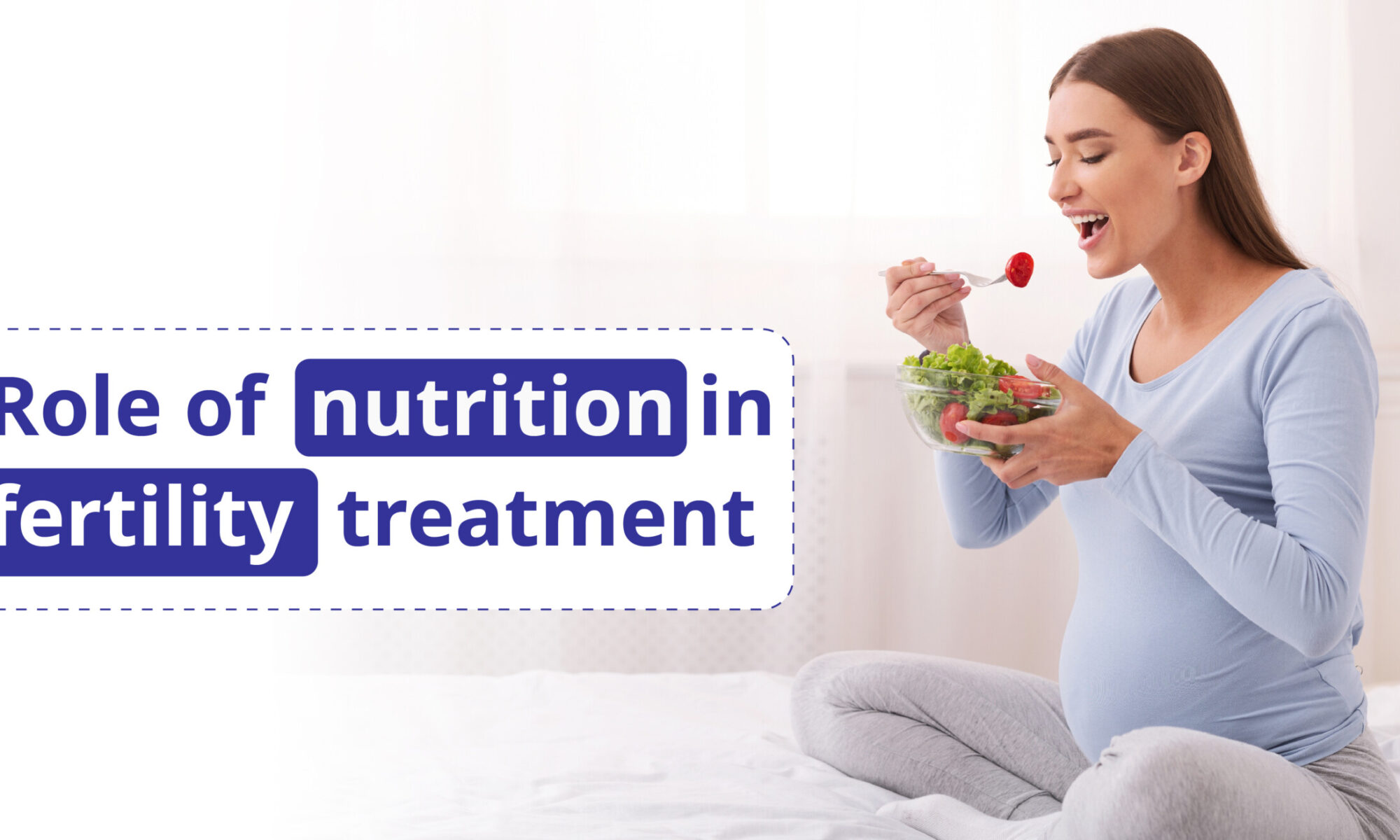
What is The Role of Nutrition in Fertility?

What is The Role of Nutrition in Fertility?

For couples embarking on the journey to parenthood, the significance of nutrition in fertility cannot be overstated. The delicate interplay between diet and reproductive health plays a pivotal role in optimizing the chances of conception. This guide by an experienced infertility specialist in Greater Kailash will explore the key aspects of how nutrition influences fertility and what couples can do to support their reproductive well-being.

Fertility and Nutrition – An Important Combination

Balanced Diet for Hormonal Harmony

A well-balanced diet is the cornerstone of hormonal balance, a crucial factor in fertility. Essential nutrients such as vitamins, minerals, and antioxidants play a vital role in regulating hormonal levels, ensuring optimal function of the reproductive system. For instance, adequate intake of vitamin D has been linked to improved fertility in both men and women, promoting healthy egg and sperm development.

Omega-3 Fatty Acids for Reproductive Health

Omega-3 fatty acids, commonly found in fatty fish, flaxseeds, and walnuts, contribute to the health of reproductive organs. These essential fats support the formation of cell membranes and play a role in hormone production. Research suggests that a diet rich in omega-3 fatty acids may enhance fertility by improving egg quality and promoting a conducive environment for implantation. Consult a good gynecologist in South Delhi to know what you should include in your diet.

Antioxidants: Guardians of Reproductive Cells

The journey to conception is marked by the constant threat of oxidative stress, which can damage reproductive cells. Antioxidants act as vigilant guardians, neutralizing free radicals and protecting both sperm and eggs from oxidative damage. Fruits and vegetables, particularly those rich in vitamins C and E, are excellent sources of antioxidants, offering a natural defense mechanism against oxidative stress.

Maintaining a Healthy Weight

Weight management is a critical aspect of fertility. Both obesity and being underweight can disrupt hormonal balance, leading to irregular menstrual cycles and decreased fertility. Achieving and maintaining a healthy weight through a balanced diet and regular exercise can significantly improve reproductive outcomes.

The Impact of Lifestyle Choices

Beyond diet, lifestyle choices play a pivotal role in fertility. Limiting alcohol intake and avoiding tobacco and recreational drugs can positively influence fertility in both men and women. Caffeine consumption should also be moderated, as excessive intake has been associated with fertility issues. An experienced infertility specialist in Greater Kailash will guide you better about the positives and negatives of certain foods.

Supplements as Fertility Aids

In certain cases, supplements can serve as valuable fertility aids. Folic acid, for example, is essential for preventing neural tube defects in the developing fetus. Additionally, fertility-specific supplements containing a combination of vitamins and minerals may be recommended for couples undergoing fertility treatments.

Get the right guidance and best treatment for fertility issues by Dr. Ruchi Tandon, a good gynecologist in South Delhi.