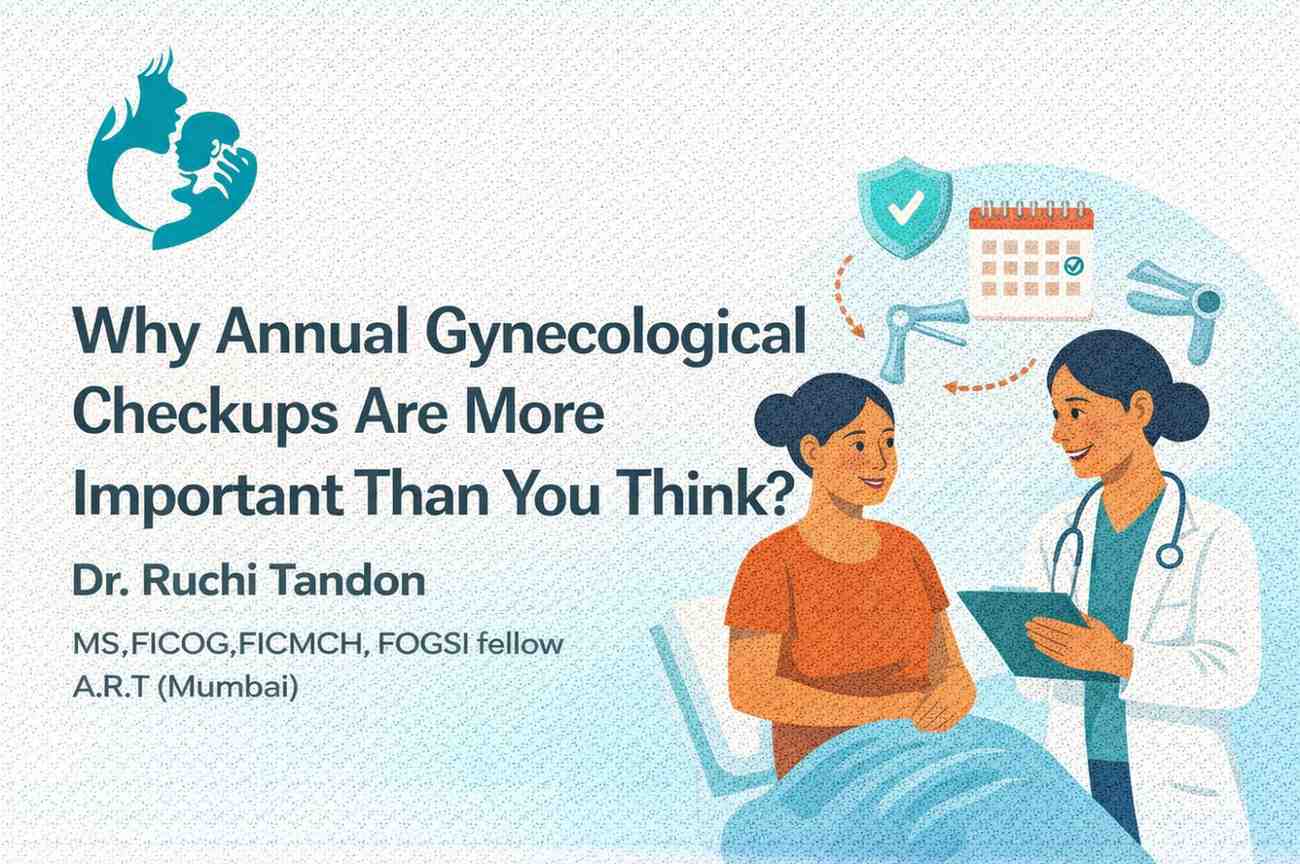
Why Annual Gynecological Checkups Are More Important Than You Think?

best gynaecologist in South Delhi

When life gets busy, women often put their own health at the bottom of the priority list. Work deadlines, family responsibilities, and social commitments usually come first. But scheduling a yearly visit with the best gynaecologist in South Delhi can be one of the most important decisions you make for your long-term well-being. An annual checkup is not just about addressing problems—it’s about preventing them before they begin.

Many women believe they only need to see a doctor when something feels wrong. However, several gynecological conditions develop silently. Issues like fibroids, ovarian cysts, thyroid imbalances, and even early-stage cervical changes may not show clear symptoms in the beginning. A routine visit to a trusted gynecologist in South Delhi ensures that any hidden concerns are detected early, making treatment simpler and more effective.

Early Detection Can Make All the Difference

Preventive care is powerful. During an annual exam, your doctor may recommend screenings such as a Pap smear, breast examination, pelvic ultrasound, or hormonal tests, depending on your age and medical history. These tests are designed to catch potential health issues before they become serious.

For women dealing with irregular periods, acne, unexplained weight gain, or excessive hair growth, consulting a qualified PCOS doctor in South Delhi during your yearly checkup can help identify conditions like PCOS at an early stage. Early diagnosis allows better lifestyle management and reduces the risk of long-term complications such as diabetes or fertility challenges.

It’s Not Just About Reproductive Health

Gynecological visits are often misunderstood as being relevant only for pregnancy or menstrual concerns. In reality, they cover much more. Your annual appointment is an opportunity to discuss mental health changes, sexual wellness, contraception options, menopause symptoms, and even bone health.

Women in their 20s may focus on cycle regularity and contraception, while women in their 40s and 50s may need guidance on perimenopause and hormonal balance. An experienced gynecologist in Greater Kailash or the nearby area understands these evolving needs and provides guidance tailored to your life stage.

Building a Comfortable Doctor–Patient Relationship

Another overlooked benefit of annual checkups is trust. When you visit the same doctor regularly, you build a relationship based on comfort and understanding. This makes it easier to discuss sensitive concerns without hesitation. Whether it’s unusual discharge, low libido, mood swings, or fertility questions, having a familiar medical professional by your side can make conversations less intimidating.

Consistency also helps your doctor track patterns over time—changes in menstrual cycles, recurring infections, or gradual hormonal shifts are easier to identify when there’s a documented history.

Prevention Is Always Better Than Cure

Certain conditions, like cervical cancer, breast abnormalities, and reproductive infections, can progress quietly. Regular screenings dramatically lower risks through early detection. Even lifestyle advice offered during these visits—regarding diet, exercise, stress management, and supplements—can contribute to long-term health improvements.

Think of your annual gynecological visit as a wellness investment rather than a medical obligation. It empowers you with knowledge about your body and gives you clarity about what is normal and what needs attention.

In the long run, prioritizing your yearly appointment with a trusted gynecologist in South Delhi can save you from unnecessary complications and emotional stress. Your health deserves consistent care, not occasional attention. Annual checkups are not just routine—they are a proactive step toward a healthier, more confident you.
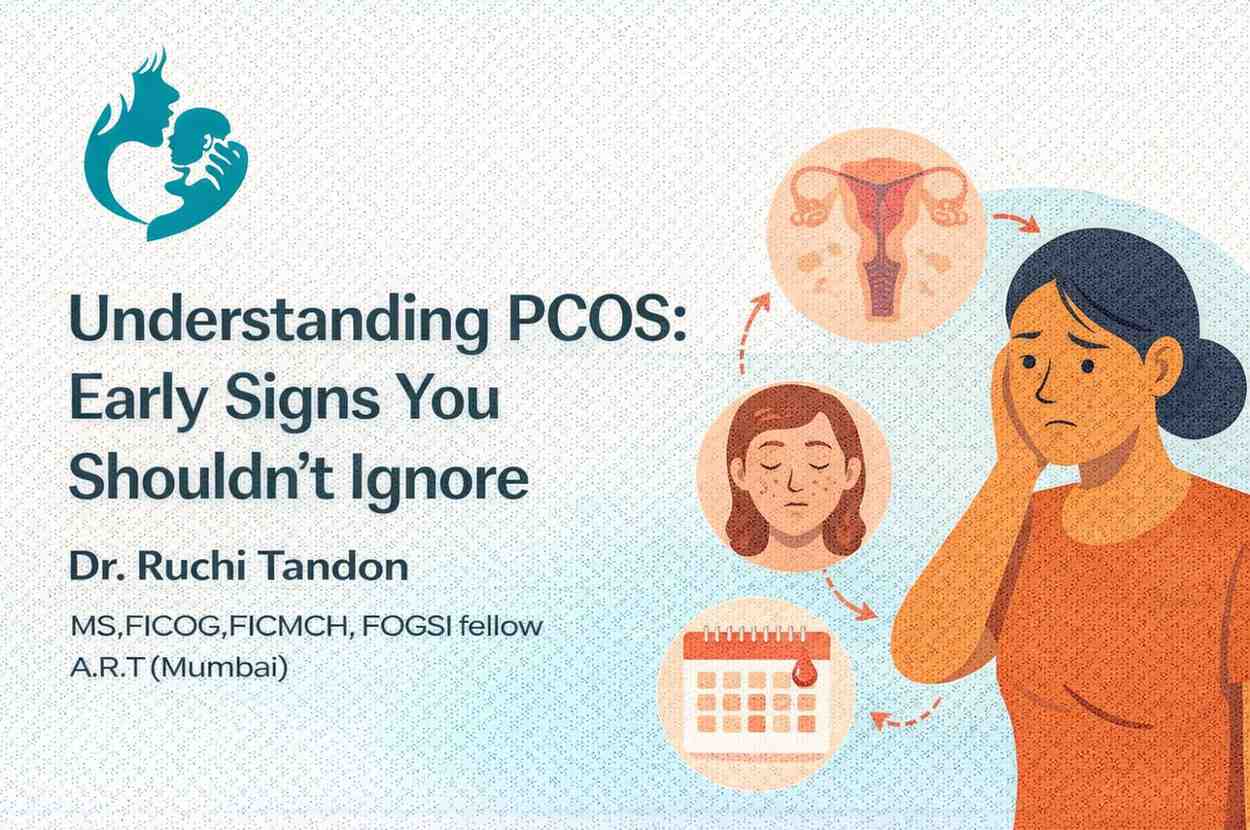
Understanding PCOS: Early Signs You Shouldn’t Ignore

PCOS doctor in South Delhi

Polycystic Ovary Syndrome (PCOS) is becoming increasingly common among women of reproductive age, yet many still struggle to identify its early symptoms. Often, the signs are subtle and easily dismissed as stress, poor lifestyle habits, or temporary hormonal changes. However, paying attention to these signals can make a big difference in managing the condition effectively. If you notice persistent symptoms, consulting the best gynecologist in South Delhi can help you get timely guidance and clarity.

What Is PCOS?

PCOS is a hormonal imbalance that affects the functioning of the ovaries. Women with this condition may experience irregular ovulation, higher levels of male hormones (androgens), and sometimes small fluid-filled sacs in the ovaries. While the exact cause is not fully understood, factors like genetics, insulin resistance, and lifestyle play a role.

Early diagnosis is important because untreated PCOS can increase the risk of infertility, diabetes, weight gain, and even heart-related issues later in life.

Early Signs You Shouldn’t Ignore

Irregular Periods

Irregular menstrual cycle tops the commonest signs of PCOS. This could mean missed periods, very light bleeding, or cycles that stretch beyond 35 days. If your periods are unpredictable for several months, it’s time to seek advice from a trusted PCOS doctor in South Delhi.

Excessive Hair Growth or Acne

Higher androgen levels can lead to unwanted facial hair, chest hair, or stubborn acne that doesn’t respond to regular skincare treatments. These symptoms are often brushed aside as cosmetic concerns, but they may indicate an underlying hormonal issue.

Sudden Weight Gain

Many women with PCOS struggle with unexplained weight gain, especially around the abdomen. Insulin resistance makes it harder for the body to process sugar effectively, leading to increased fat storage.

Thinning Hair on the Scalp

While hair growth may increase in unwanted areas, some women experience hair thinning or hair loss on the scalp. This pattern is another hormonal red flag.

Difficulty Conceiving

Irregular ovulation can make it challenging to conceive. If you have been trying for pregnancy without success and also notice other symptoms, seeking professional evaluation is essential. A good gynecologist in South Delhi can recommend appropriate tests and guide you on the next steps.

Why Early Diagnosis Matters?

Ignoring the early signs of PCOS can lead to long-term complications. Over time, the condition may increase the risk of type 2 diabetes, high cholesterol, and endometrial issues. The good news is that PCOS can be managed effectively with lifestyle changes, medication, and regular monitoring.

Balanced nutrition, regular exercise, stress management, and medical support all play a role in controlling symptoms. Personalized PCOS treatment in South Delhi often includes hormonal therapy, insulin-sensitizing medications, and fertility-focused care when needed.

When Should You See a Doctor?

If your symptoms persist for more than two or three months, don’t ignore them. Early action can prevent complications and improve your quality of life. Choosing the best gynecologist in South Delhi ensures you receive accurate diagnosis, compassionate care, and a treatment plan tailored to your body’s needs.

PCOS is manageable with the right support. Listening to your body and seeking medical advice at the right time can make all the difference in protecting your long-term health and well-being.

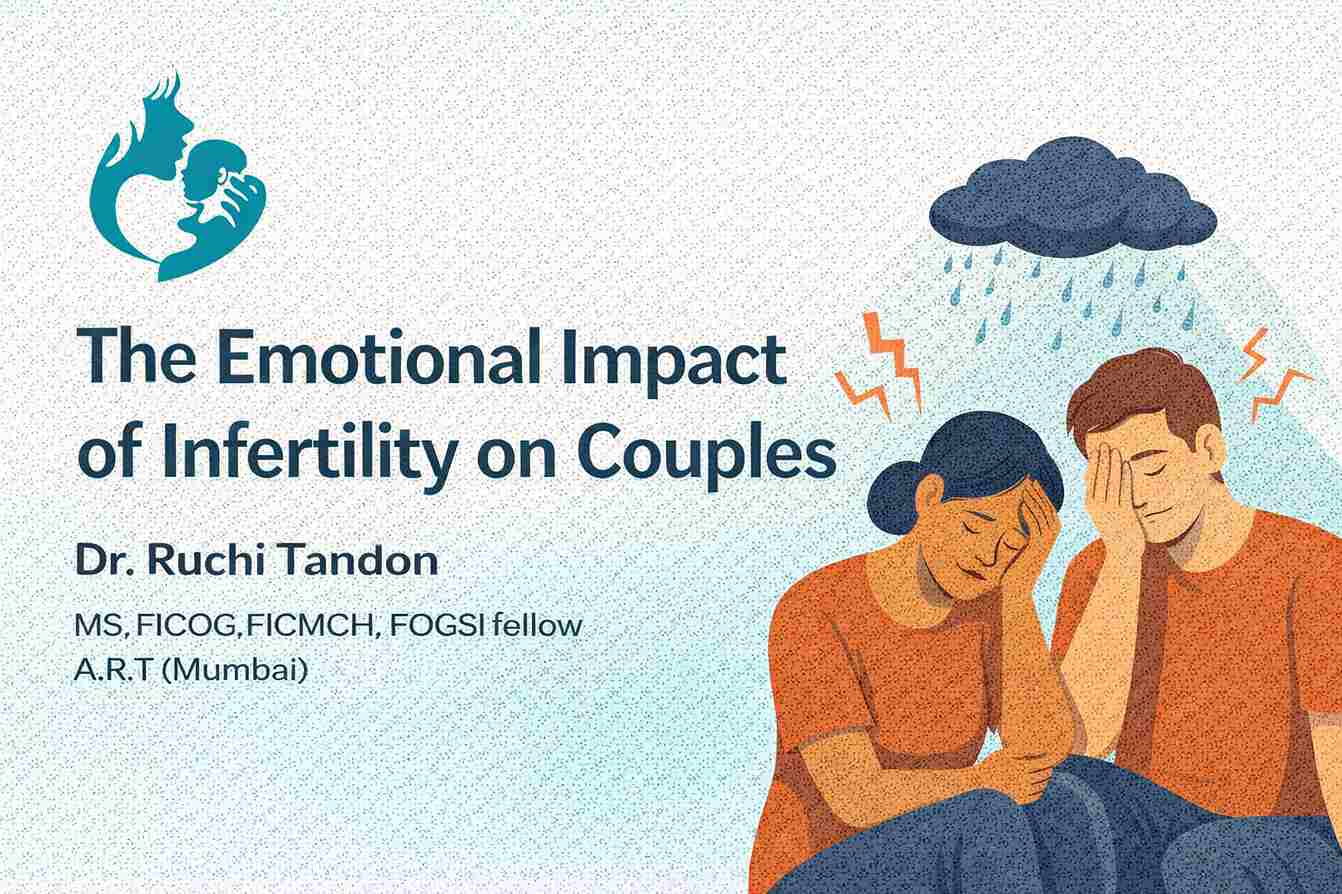
The Emotional Impact of Infertility on Couples

best infertility specialist in Greater Kailash

Infertility is not just a medical condition—it is an emotional journey that quietly reshapes relationships, self-worth, and future plans. For many couples, the dream of starting a family feels natural and expected. When that dream faces delays or uncertainty, the emotional weight can be overwhelming. While medical guidance from the best infertility specialist in Greater Kailash plays a crucial role, the emotional healing process is just as important.

The Silent Grief Couples Carry

One of the most difficult aspects of infertility is the silent grief that comes with it. Unlike other losses, infertility is often invisible. There are no rituals, no public acknowledgments—just a quiet cycle of hope and disappointment month after month. Couples may feel isolated, especially when friends and family announce pregnancies or celebrate milestones.

This ongoing uncertainty can trigger feelings of guilt, shame, and inadequacy. Many individuals start questioning their bodies, their lifestyle choices, and even their worth. Over time, this emotional strain can build up, affecting mental well-being.

How It Affects Relationships?

Infertility doesn’t impact just one partner; it influences the dynamic between both. Communication often changes. Some couples grow closer, leaning on each other for support. Others may struggle with unspoken frustration or emotional withdrawal.

There may be differences in coping styles. One partner might want to discuss every detail, while the other prefers silence. Financial stress from treatments, frequent doctor visits, and lifestyle adjustments can further intensify tension. Seeking guidance from a compassionate medical professional, such as the best infertility doctor in Greater Kailash, can sometimes ease part of this burden by offering clarity and realistic expectations.

The Emotional Toll of Treatments

Fertility treatments come with their own emotional rollercoaster. Hormonal changes can influence mood, sleep, and overall mental health. The anticipation before each test result can be nerve-wracking. A negative result often feels like a personal setback, even though infertility is rarely anyone’s fault.

At this stage, couples often benefit from holistic support. Alongside fertility experts, consulting a good gynecologist in South Delhi for overall reproductive health can help patients feel more informed and reassured. Having a trusted doctor who listens without judgment can significantly reduce anxiety.

Social Pressure and Cultural Expectations

In a society where parenthood is often considered a natural next step after marriage, infertility can invite unwanted advice and insensitive comments. Questions like “Any good news?” may seem harmless to others, but can deeply hurt those struggling privately.

The pressure becomes heavier during family gatherings and festivals. Couples may begin avoiding social events to escape conversations that feel intrusive. Emotional fatigue sets in, and self-esteem may decline.

The Importance of Emotional Support

Professional counseling, support groups, and open conversations between partners can make a meaningful difference. Infertility is not a reflection of failure; it is a medical condition that deserves empathy and understanding.

Building a support system—whether through friends, therapists, or healthcare providers—helps couples navigate this journey with resilience. A skilled and empathetic medical team, including the best gynecologist in South Delhi, can address both physical and emotional concerns, ensuring couples do not feel alone in the process.

Moving Forward Together

While infertility can test patience and emotional strength, many couples emerge stronger when they face it as a team. Honest communication, realistic expectations, and compassionate medical guidance are key.

If you or someone you know is struggling, remember that seeking help is not a sign of weakness. Consulting the best infertility specialist in Greater Kailash can be the first step toward clarity, hope, and renewed confidence—both medically and emotionally.

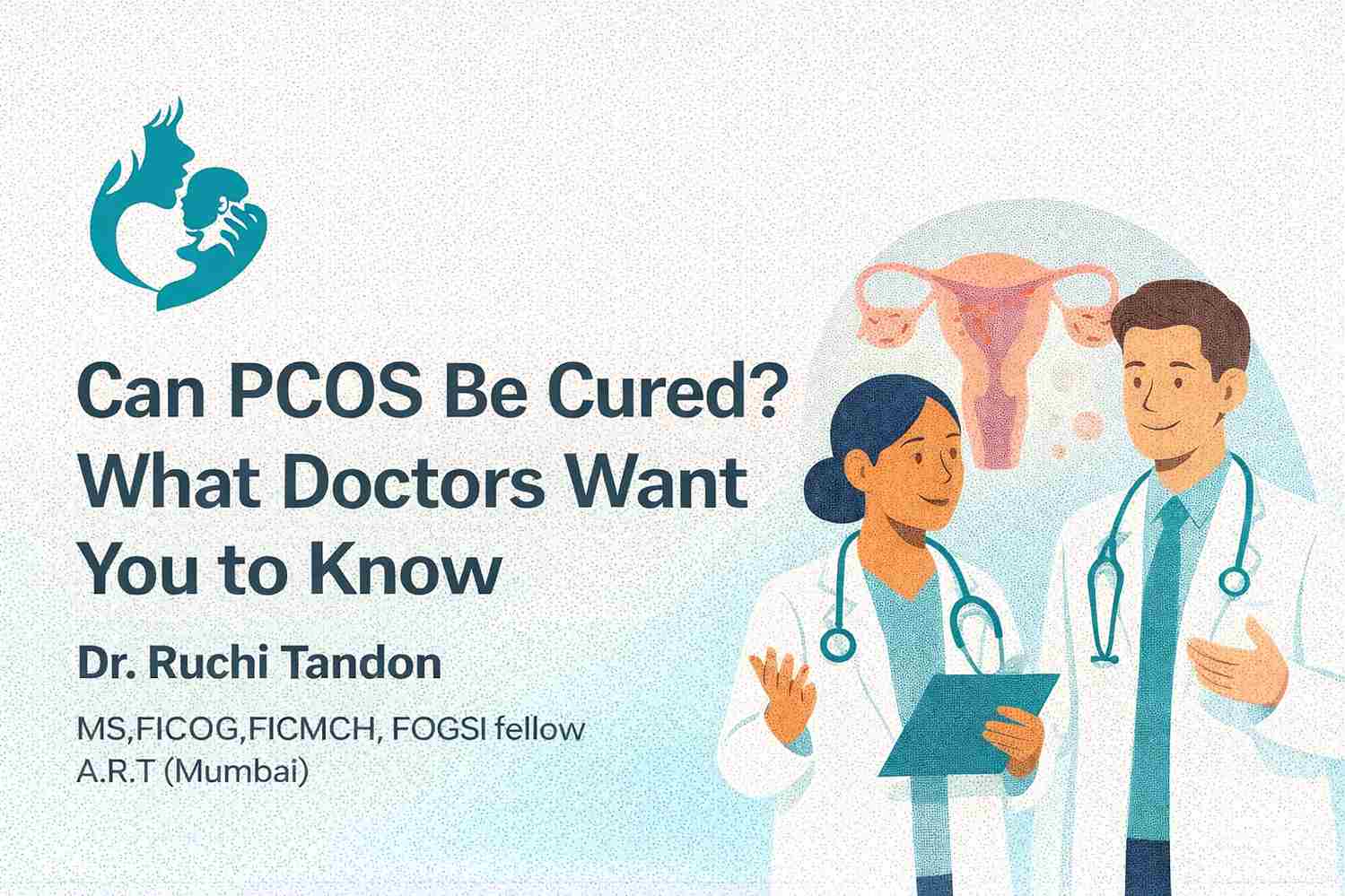
Can PCOS Be Cured? What Doctors Want You to Know

PCOS treatment in South Delhi

When women first search for answers about irregular periods, weight gain, or hormonal acne, they often end up consulting a gynecologist doctor in South Delhi with one pressing question: Can PCOS be cured? Although Polycystic Ovary Syndrome (PCOS) affects women worldwide, many aspects of the condition are still misunderstood. Doctors agree that while PCOS may not have a permanent “cure,” it can be effectively managed, allowing women to live healthy, fulfilling lives.

Understanding PCOS Beyond the Myths

PCOS is linked to hormonal changes that impact ovulation and ovarian function. It is commonly linked with irregular menstrual cycles, excess androgen (male hormone) levels, and polycystic ovaries. However, not every woman with PCOS experiences the same symptoms. Some struggle with fertility, while others face skin issues, mood changes, or metabolic concerns.

One common misconception is that PCOS only affects overweight women. In reality, lean women can also have PCOS. Doctors emphasize that early diagnosis plays a crucial role in preventing long-term complications such as diabetes, heart disease, and infertility.

Can PCOS Really Be Cured?

Medical experts are clear on one point: PCOS is a chronic condition, not a short-term illness. This means it cannot be “cured” in the traditional sense. However, the good news is that symptoms can be controlled effectively through a combination of lifestyle changes, medical treatment, and ongoing monitoring.

With the right approach, many women experience regular periods, improved fertility, reduced acne, and better emotional well-being. This is why doctors focus more on management rather than a one-time solution.

Treatment Depends on Your Symptoms

There is no one-size-fits-all plan for PCOS. Treatment is tailored based on a woman’s age, symptoms, and reproductive goals. Options may include:

  • Making dietary improvements and maintaining a regular workout routine
  • Medications to regulate periods or manage insulin resistance
  • Treatments for acne or excess hair growth
  • Fertility-focused care for women planning pregnancy

For women seeking specialized care, PCOS treatment in South Delhi often includes a holistic approach that addresses both hormonal balance and long-term health risks.

Why Lifestyle Changes Matter So Much?

Doctors consistently stress that lifestyle management is the foundation of PCOS care. Even a modest weight loss of 5–10% can significantly improve symptoms in many women. Regular physical activity helps improve insulin sensitivity, while a nutrient-rich diet supports hormonal balance.

Stress management is equally important. Chronic stress can worsen hormonal imbalances, making symptoms harder to control. Simple practices like yoga, meditation, or consistent sleep routines can make a noticeable difference.

Fertility and PCOS: What to Expect

PCOS is one of the most common causes of ovulation-related infertility, but it does not mean pregnancy is impossible. PCOS does not eliminate the possibility of pregnancy, as many women conceive naturally or with professional medical care. Doctors reassure patients that with timely intervention and proper guidance, fertility outcomes are often very positive.

Choosing the Best gynecologist doctor in South Delhi ensures personalized fertility planning, accurate diagnosis, and emotional support throughout the journey.

The Takeaway Doctors Want You to Remember

PCOS may be lifelong, but it does not have to control your life. With early diagnosis, consistent care, and informed choices, symptoms can be managed successfully. Regular follow-ups, lifestyle awareness, and expert medical guidance make all the difference—especially when supported by trusted PCOS treatment in South Delhi.