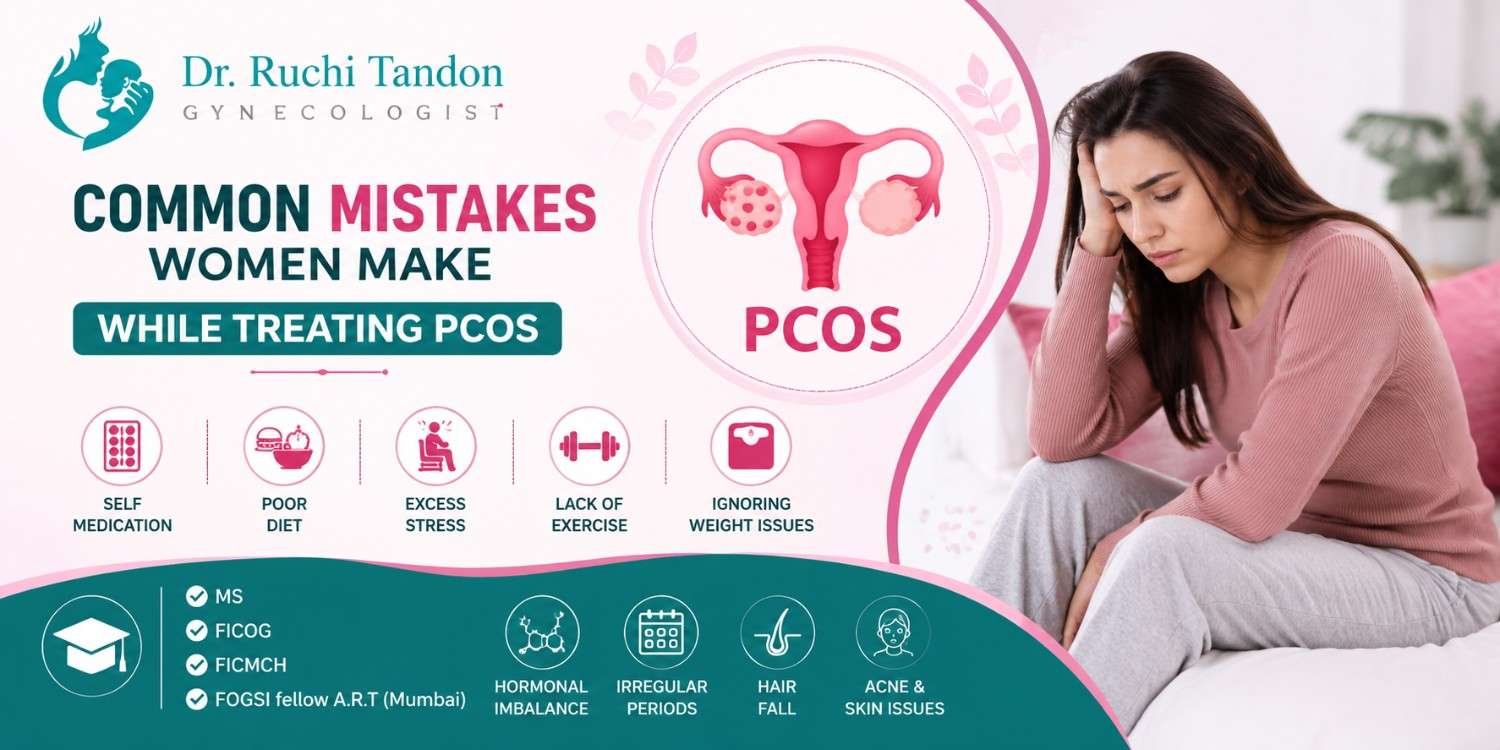
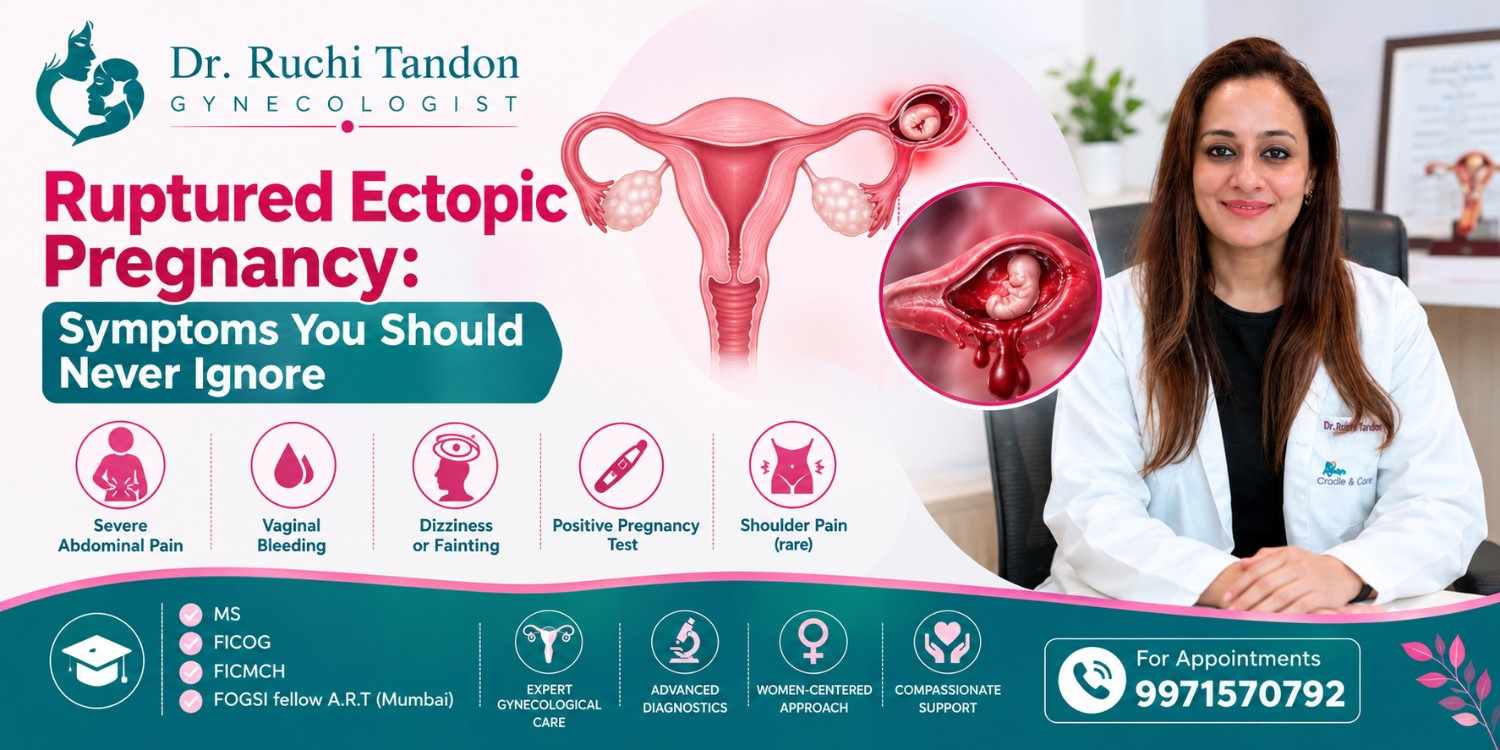
Ruptured Ectopic Pregnancy: Symptoms You Should Never Ignore

ectopic pregnancy treatment in South Delhi

A ruptured ectopic pregnancy is a serious medical emergency that requires immediate ectopic pregnancy treatment in South Delhi. An ectopic pregnancy occurs when a fertilized egg implants outside the uterus, most commonly in a fallopian tube. As the pregnancy grows, the tube may rupture and cause internal bleeding. Recognising the warning signs early can be life-saving.

What Happens During a Ruptured Ectopic Pregnancy?

In a normal pregnancy, the implantation of the fertilised egg occurs inside the uterus. In an ectopic pregnancy, implantation occurs elsewhere, where the pregnancy cannot develop safely. If the affected fallopian tube ruptures, significant internal bleeding can occur.

Not every ectopic pregnancy causes obvious symptoms at first. This is why early pregnancy assessment is particularly important when there is abdominal pain, vaginal bleeding, or other concerning symptoms.

Symptoms You Should Never Ignore

Seek emergency medical attention if you experience symptoms such as:

  • Sudden or severe pain in the lower abdomen or pelvis, particularly on one side
  • Vaginal bleeding or spotting during early pregnancy
  • Pain that may extend to the shoulder, especially when accompanied by weakness or abdominal pain
  • Dizziness, fainting, extreme weakness, or a feeling that you may collapse
  • Pale, clammy skin or a rapid heartbeat
  • Severe abdominal tenderness or increasing pain

These symptoms can indicate internal bleeding and should not be managed at home. If you are pregnant or believe you may be pregnant and develop severe pain, bleeding, dizziness, or fainting, seek emergency medical care immediately.

Who May Be at Higher Risk?

Several factors may increase the likelihood of ectopic pregnancy, including a previous ectopic pregnancy, damage or disease affecting the fallopian tubes, certain fertility treatments, pelvic infections, and previous tubal surgery. However, an ectopic pregnancy can also occur in women without known risk factors.

Conditions such as PCOS do not automatically mean that a woman will develop an ectopic pregnancy, although women undergoing fertility treatment may require appropriate early pregnancy monitoring. Women seeking PCOS treatment in South Delhi should discuss their individual reproductive plans and pregnancy risks with a qualified gynecologist.

How Is Ectopic Pregnancy Diagnosed and Treated?

Doctors generally evaluate symptoms, pregnancy hormone levels, and ultrasound findings to determine where the pregnancy is located. Treatment depends on factors such as whether the pregnancy has ruptured, the amount of internal bleeding, pregnancy hormone levels, and the patient’s overall condition.

A ruptured ectopic pregnancy usually requires urgent surgical management to control internal bleeding and remove the ectopic pregnancy. Timely diagnosis and treatment can significantly reduce the risk of serious issues.

If you are looking for ectopic pregnancy treatment in South Delhi, choose a gynecologist who can provide timely assessment and coordinate emergency care when required. Women with complicated pregnancies may also benefit from consultation with high risk pregnancy doctors in South Delhi, particularly when previous pregnancy complications or other risk factors are present.

Don’t Ignore Warning Signs

A ruptured ectopic pregnancy can become life-threatening within a short period. Severe one-sided abdominal pain, vaginal bleeding, dizziness, fainting, shoulder pain, or sudden weakness during early pregnancy should never be ignored.

Early pregnancy evaluation is important whenever symptoms are concerning. Choosing an experienced and the best gynecologist in South Delhi for appropriate assessment and follow-up can help identify complications early and support safer pregnancy care.
Personalized Gynecology: Why One Treatment Doesn’t Work for Every Woman

best gynecologist in South Delhi

Women’s health is deeply individual. Two women may experience similar symptoms, such as irregular periods, pelvic pain, infertility, heavy bleeding, or hormonal changes, but the underlying causes can be completely different. This is why modern gynecology increasingly focuses on personalized care rather than applying the same treatment approach to every patient.

Why Personalized Gynecological Care Matters

A woman’s age, menstrual history, reproductive goals, medical history, lifestyle, hormone levels, and previous treatments can all influence diagnosis and treatment decisions. For example, irregular periods may be associated with PCOS in one woman, thyroid dysfunction in another, or perimenopausal changes in someone else.

A personalized approach begins with understanding the complete clinical picture. Depending on the concern, a gynecologist may recommend a physical examination, blood tests, ultrasound, hormonal evaluation, or other appropriate investigations before suggesting treatment.

This approach helps ensure that treatment addresses the underlying problem rather than simply managing symptoms.

Personalized Treatment for Different Reproductive Goals

Gynecological care also changes according to a woman’s stage of life and reproductive plans. A woman seeking contraception will have different priorities from someone planning pregnancy or undergoing fertility treatment.

Similarly, pregnancy care needs to be tailored according to individual risk factors. Women with conditions such as hypertension, diabetes, previous pregnancy complications, or other medical concerns may require closer monitoring and specialist management. Consulting experienced high risk pregnancy doctors in South Delhi can be particularly important when pregnancy involves additional maternal or fetal risks.

The Role of Experience in Individualized Care

Choosing a gynecologist is not simply about finding someone who treats a particular condition. It is also about finding a doctor who listens carefully, explains available options, evaluates risks and benefits, and develops a treatment plan suited to the individual patient.

Women looking for the best gynecologist in South Delhi should consider factors such as clinical experience, qualifications, approach to patient communication, range of gynecological services, and access to appropriate diagnostic facilities.

For women living around Green Park and nearby areas, consulting the best gynecologist in Green Park Delhi can provide convenient access to personalized gynecological evaluation and ongoing care.

Personalized Care Means Shared Decision-Making

Effective gynecology is not only about prescribing medication or recommending a procedure. It involves discussing the diagnosis, treatment choices, expected outcomes, possible risks, and alternatives with the patient. This allows women to participate actively in decisions concerning their health.

The best gynecologist doctor in South Delhi should therefore combine medical expertise with attentive, individualized care. Whether the concern involves menstrual disorders, fertility, pregnancy, menopause, pelvic pain, or routine preventive care, treatment should be based on the woman, not simply the condition.

Personalized gynecology recognizes an important reality: there is no single treatment that is right for every woman. Individual assessment, evidence-based medical decisions, and ongoing communication can help create safer and more meaningful healthcare experiences at every stage of a woman’s life.

Pregnancy After 35: Is It Always High Risk?

pregnancy doctor in South Delhi

For many women, starting or expanding a family after the age of 35 is becoming increasingly common. Career goals, financial planning, personal choices, and advances in fertility care have made later pregnancies more achievable than ever. However, one question continues to worry many expectant mothers: Is pregnancy after 35 always considered high risk?

The answer is no. While age can increase the likelihood of certain complications, many women in their late 30s and even early 40s experience healthy pregnancies and deliver healthy babies with proper medical care.

Why Is Pregnancy After 35 Given Special Attention?

After the age of 35, a woman’s body naturally undergoes changes that may increase the chances of conditions such as gestational diabetes, high blood pressure, or chromosomal abnormalities in the baby. The risk of miscarriage and preterm birth also becomes slightly higher compared to younger pregnancies.

However, age alone does not determine the outcome. Your overall health, lifestyle, medical history, and the quality of prenatal care play a much bigger role. Regular consultations with an experienced pregnancy doctor in South Delhi can help identify potential concerns early and ensure that both mother and baby remain healthy throughout the journey.

Factors That May Increase Pregnancy Risks

Not every woman over 35 has the same level of risk. Certain factors deserve closer monitoring, including:

  • Pre-existing diabetes or hypertension
  • Obesity
  • Thyroid disorders
  • Multiple pregnancies (twins or triplets)
  • Previous pregnancy complications
  • Fertility treatments

If these conditions are present, your obstetrician may recommend additional scans, blood tests, or more frequent prenatal visits to ensure timely intervention whenever needed.

Healthy Pregnancy Is Still Possible

A pregnancy after 35 can progress normally with the right approach. Simple lifestyle habits make a significant difference:

  • Eat a balanced, nutrient-rich diet.
  • Stay physically active with your doctor’s guidance.
  • Take prescribed prenatal vitamins regularly.
  • Avoid smoking and alcohol.
  • Attend every scheduled prenatal appointment.

Women with hormonal disorders, particularly PCOS, should also seek appropriate treatment before conception. Consulting a qualified PCOS doctor in South Delhi can improve hormonal balance and increase the chances of a healthy pregnancy.

When Is a Pregnancy Truly High Risk?

A pregnancy is classified as high risk when there are medical conditions that significantly increase the chances of complications for the mother or baby. While maternal age contributes to the assessment, it is not the only deciding factor.

Experienced high risk pregnancy doctors in South Delhi carefully evaluate each patient’s health, monitor fetal development, and create personalized care plans. Their expertise helps manage complex pregnancies while reducing potential risks through timely medical intervention.

Modern Medicine Has Improved Pregnancy Outcomes

Medical advancements have transformed maternal care over the last few decades. Better prenatal screening, improved fetal monitoring, minimally invasive procedures, and specialized maternity care have significantly improved outcomes for women above 35.

In some cases, women with gynecological conditions such as fibroids or endometriosis may require treatment before planning pregnancy. When surgery becomes necessary, advanced options like robotic surgery in South Delhi offer greater precision, smaller incisions, faster recovery, and better fertility preservation in selected patients.

Final Thoughts

Pregnancy after 35 should not automatically be viewed with fear. Although certain risks become more common with age, they can often be managed successfully through early diagnosis, healthy lifestyle choices, and regular prenatal care. Every pregnancy is unique, and age is only one part of the overall picture. With proper medical guidance and timely monitoring, many women over 35 enjoy smooth pregnancies and welcome healthy babies into the world.

Common Mistakes Women Make While Treating PCOS

PCOS doctor in South Delhi

Polycystic Ovary Syndrome (PCOS) affects millions of women of reproductive age across the globe. While the condition is manageable, many women unknowingly make mistakes that delay recovery or worsen symptoms. PCOS is not just about irregular periods or weight gain; it can also affect fertility, metabolism, skin health, and emotional well-being. Understanding what to avoid is just as important as following the right treatment plan.

Ignoring Early Symptoms

Many women dismiss irregular menstrual cycles, acne, excessive facial hair, or sudden weight gain as temporary issues. Unfortunately, delaying medical attention allows hormonal imbalance to progress. Seeking timely advice from the best gynecologist in Greater Kailash can help identify PCOS early and prevent long-term complications such as infertility and diabetes.

Depending Only on Home Remedies

Healthy eating and natural remedies can support overall wellness, but they cannot replace medical treatment. Drinking herbal teas or trying internet-based solutions without proper evaluation often leads to disappointment. Every woman experiences PCOS differently, making personalized treatment essential for effective symptom management.

Skipping Follow-Up Appointments

PCOS is a long-term condition that requires regular monitoring. Some women stop visiting their doctor once their menstrual cycles improve or symptoms become less noticeable. However, hormone levels, blood sugar, and ovarian health should be monitored periodically to ensure the treatment remains effective.

Focusing Only on Weight Loss

Weight management plays an important role in controlling PCOS, but it is not the only solution. Women with a healthy body weight can also develop PCOS. A complete treatment plan should address hormonal balance, nutrition, physical activity, stress management, and reproductive health rather than concentrating solely on the number shown on the weighing scale.

Self-Medicating Without Medical Advice

Taking hormonal medications or supplements based on recommendations from friends or social media can be risky. Every treatment should be tailored according to age, symptoms, future pregnancy plans, and overall health. Consulting an experienced PCOS doctor in South Delhi ensures safe and evidence-based care.

Underestimating the Role of Lifestyle

Medication alone cannot control PCOS. A sedentary lifestyle, poor sleep, excessive stress, and unhealthy eating habits may continue to trigger hormonal imbalance. Regular exercise, balanced meals rich in protein and fiber, adequate hydration, and proper sleep are all important parts of successful PCOS management.

Ignoring Fertility Planning

Many women assume they can think about fertility only when they decide to conceive. However, untreated PCOS may affect ovulation and increase the risk of pregnancy-related complications. Women planning a family should discuss their reproductive goals with specialists, especially if they may require guidance from high risk pregnancy doctors in South Delhi for comprehensive pregnancy care.

Comparing Their Treatment With Others

PCOS does not follow a one-size-fits-all approach. A treatment that works well for one woman may not be suitable for another. Factors such as age, body weight, hormone levels, insulin resistance, and reproductive goals influence the treatment strategy. Consulting the best gyno doctor in South Delhi helps create a personalized plan that delivers better long-term results.

Conclusion

Managing PCOS requires patience, consistency, and professional guidance. Avoiding common mistakes like self-medication, ignoring symptoms, skipping follow-ups, and relying only on quick fixes can make a significant difference in overall health. With timely diagnosis, lifestyle improvements, and individualized treatment, women with PCOS can successfully manage their symptoms, improve fertility, and enjoy a healthier quality of life.

Precautions to Take in the First 3 Months of Pregnancy

Precautions to Take in the First 3 Months of Pregnancy

Pregnancy is the dream of every woman and this is the reason they should know each and everything to follow when they conceive. When a woman conceives, her body starts preparing itself for several changes. Such changes will help her to carry her pregnancy to term. And during such changes, she needs to take extra care of herself for a safe delivery and baby. To confirm your pregnancy and related tests, book your appointment with one of the best Pregnancy Doctor in South Delhi.

Follow the below-given precautions in the first 3 months of pregnancy to avoid various pregnancy-related problems or complications.

Stay Hydrated

During pregnancy, the blood volume increases to work as a support system of oxygen and requirements of fetus nutrients, so you need to have more fluids during the first 3 months of pregnancy. Your body will start going through sudden changes which will increase the fluid intake demands. You should consider having lots of fresh juices, water, and healthy fruit shakes to stay hydrated this time.

Take Prenatal Vitamins

Taking prenatal vitamins is necessary to prevent birth defects and you should take them as per prescribed by your gynecologist. The early period of pregnancy is important for both mother and the fetus and it is important that you take vitamins or other supplements for folic acid and iron to prevent anemia which is a common disease during pregnancy.

Say No to Alcohol and Caffeine

Just like tobacco, caffeine, and alcohol cause risks for the mother and the fetus. Alcohol causes learning disabilities and affects the cognitive functions of the fetus. Too much caffeine will lead to premature labor and congenital disabilities. Strongly say no to colas, chocolates, sodas, green, and even black tea or coffee as they contain high amounts of caffeine.

Keep an Eye on your Weight

Maintain a healthy lifestyle and have a healthy BMI before getting pregnant. Being overweight can increase pregnancy risks, especially in the first 3 months, so you should check with a dietitian or a nutritionist to get a healthy diet plan.

What’s More?

  • Apart from such food-related precautions, you should avoid carrying overweight and try to avoid traveling.
  • Any medicines after conceiving are dangerous if that is not prescribed by your gynecologists such as fever medicines, cold, cough any kind of aches, etc.
  • Avoid listening to music and watching videos or movies on high volume as it may cause disturbance to the fetus and mother as well.

Dr. Ruchi Tandon is one of the best Top Pregnancy Doctor in South Delhi who will give you the best treatment and suggestions for safe delivery.