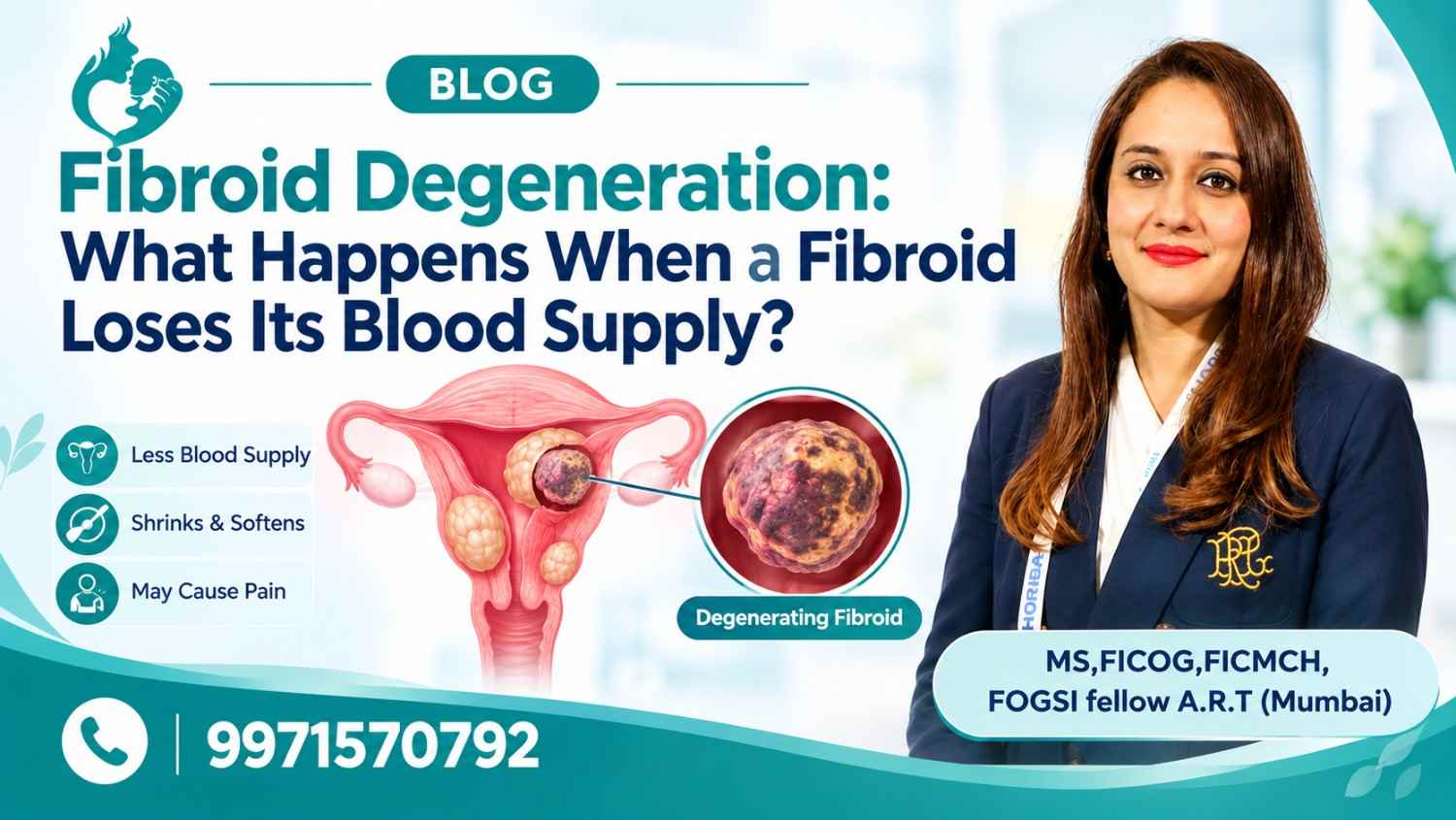
Fibroid Degeneration: What Happens When a Fibroid Loses Its Blood Supply?

best fibroid doctor in South Delhi

Uterine fibroids are non-cancerous growths that develop in or around the uterus and may cause symptoms such as heavy menstrual bleeding, pelvic pressure, abdominal discomfort, or frequent urination. When a fibroid grows faster than its blood supply can support, part of the fibroid may receive inadequate oxygen and nutrients, resulting in fibroid degeneration. If you are experiencing sudden or persistent pelvic pain, consulting the best fibroid doctor in South Delhi can help determine whether degeneration or another condition is responsible.

What Is Fibroid Degeneration?

Fibroid degeneration occurs when the blood supply to a fibroid becomes insufficient. Since fibroids are dependent on blood vessels for oxygen and nutrients, reduced blood flow can cause changes within the fibroid tissue.

Degeneration does not mean that the fibroid has become cancerous. In most cases, it is a benign process associated with the fibroid outgrowing its blood supply. It can occur in different forms, with red degeneration being particularly associated with pregnancy and sudden pelvic pain.

Why Does a Fibroid Lose Its Blood Supply?

Several factors may contribute to reduced blood flow to a fibroid. Rapid fibroid growth can cause its internal blood supply to become inadequate. Changes in the uterus during pregnancy may also affect circulation around a fibroid.

In some situations, degeneration can occur after procedures that intentionally reduce the blood supply to fibroids, such as uterine artery embolization. The resulting reduction in blood flow causes the fibroid to shrink over time.

What Are the Common Types of Fibroid Degeneration?

Types of Degeneration What Happens Possible Symptoms
Red Degeneration Blood flow and oxygen supply become reduced, causing tissue changes Sudden pelvic or abdominal pain, tenderness
Hyaline Degeneration Fibroid tissue develops areas of decreased cellular activity Often no symptoms; may cause pressure
Cystic Degeneration Degenerated tissue can develop fluid-filled spaces Pelvic discomfort or pressure
Calcification Calcium deposits develop within an older or degenerating fibroid Usually few symptoms


What Symptoms Can Occur?

The symptoms depend on the type, size, and location of the fibroid. Some women may not experience any noticeable symptoms. Others can develop sudden pelvic pain, abdominal tenderness, low-grade fever, nausea, or a feeling of pressure.

Pain caused by degeneration may gradually improve as the inflammatory response settles. However, severe, persistent, or rapidly worsening pain should not automatically be attributed to fibroids because conditions such as ovarian problems, pregnancy-related complications, or pelvic infections can produce similar symptoms.

How Is Fibroid Degeneration Diagnosed?

A gynecologist in Greater Kailash may evaluate your symptoms and medical history before performing a pelvic examination and imaging, commonly an ultrasound. Depending on the clinical situation, MRI may provide more detailed information about the fibroid’s location, size, and internal characteristics.

The treatment approach depends on the severity of the condition and diagnostic report. For women seeking fibroids treatment in South Delhi, a gynecologist may recommend observation and symptom management when degeneration is uncomplicated. Persistent symptoms or large, symptomatic fibroids may require further treatment based on individual factors such as age, fertility plans, fibroid location, and severity of symptoms.

When Should You See a Doctor?

Sudden severe pelvic pain, heavy bleeding, fever, fainting, or pain associated with a possible pregnancy warrants prompt medical evaluation. Even when symptoms appear consistent with fibroid degeneration, proper assessment is important because several gynecological conditions can have overlapping symptoms.

Conclusion

Fibroid degeneration is generally a benign change that occurs when a fibroid does not receive enough blood supply. Although it can cause significant pain, the condition does not automatically indicate cancer. Timely evaluation can help identify the cause of symptoms and determine whether monitoring, medication, or a procedure is appropriate. Women with concerns about fibroids or related hormonal symptoms can also discuss their overall reproductive health with a qualified specialist, including the best PCOS doctor in South Delhi, when PCOS-related concerns coexist.
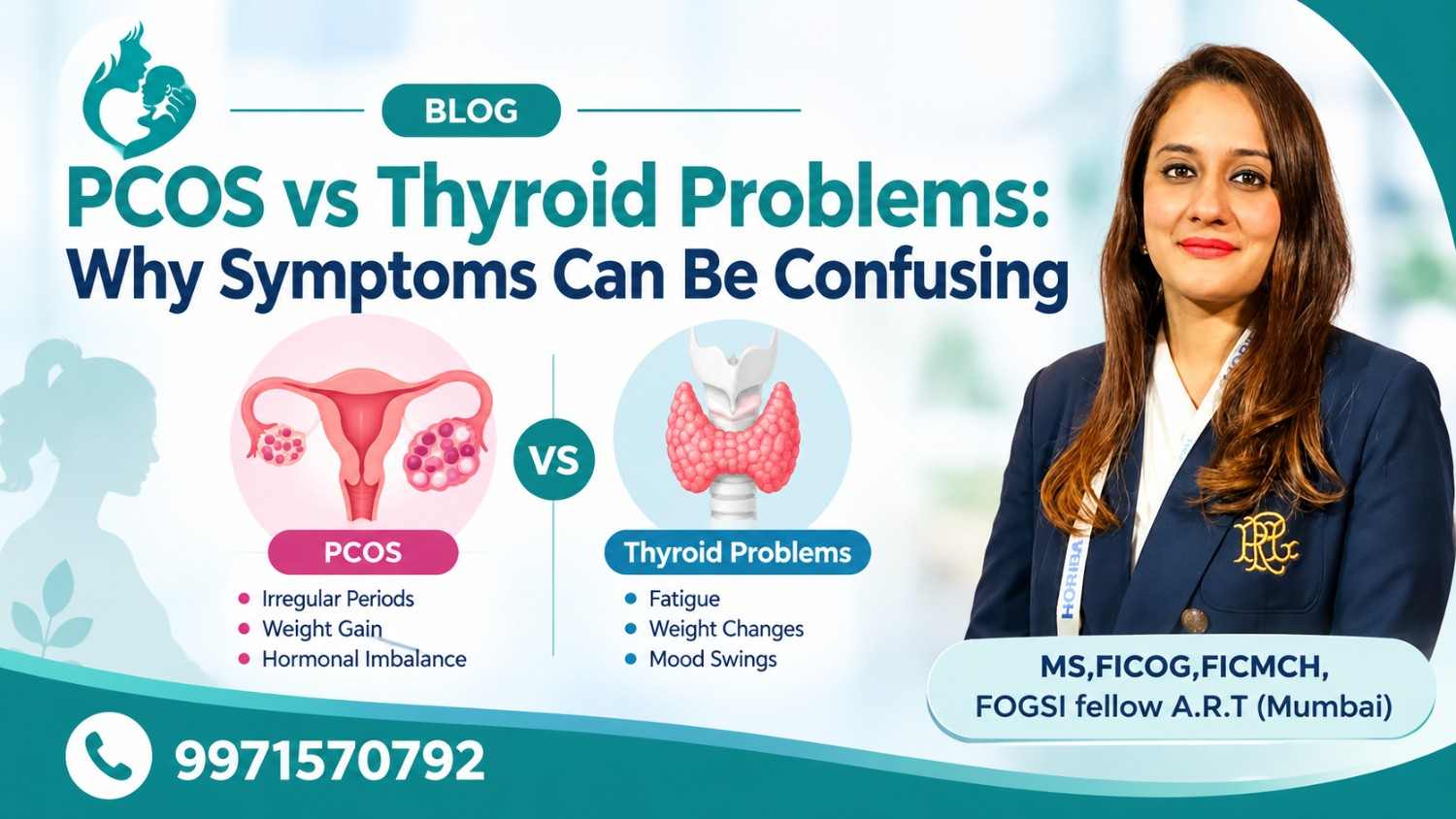
PCOS vs Thyroid Problems: Why Symptoms Can Be Confusing

PCOS doctor in South Delhi

Polycystic ovary syndrome (PCOS) and thyroid disorders are two common hormonal conditions that can affect women during different stages of life. Although they are separate health conditions, their symptoms can sometimes overlap. Irregular periods, unexplained weight changes, tiredness, mood changes, and difficulty conceiving may occur with both, making it difficult to understand the underlying cause without proper evaluation by a PCOS doctor in South Delhi.

Knowing the differences between PCOS and thyroid problems can help women seek appropriate medical care instead of relying only on symptoms.

PCOS and Thyroid Problems: What Is the Difference?

PCOS is a hormonal and metabolic condition often associated with irregular ovulation, increased androgen activity, and changes in insulin sensitivity. Common symptoms may include irregular or absent periods, acne, excessive facial or body hair, weight gain, and fertility difficulties.

Thyroid disorders occur when the thyroid gland produces too little or too much thyroid hormone. Hypothyroidism, in particular, may cause fatigue, weight gain, dry skin, constipation, menstrual changes, and difficulty conceiving. Hyperthyroidism can cause symptoms such as unexplained weight loss, anxiety, increased heart rate, sweating, and menstrual irregularities.

Because menstrual and metabolic symptoms can overlap, a clinical assessment is important.

Why Can PCOS and Thyroid Symptoms Look Similar?

Hormones influence several systems in the body, including menstruation, metabolism, energy levels, mood, and reproductive health. Therefore, an imbalance involving the ovaries or thyroid gland may produce similar symptoms.

For example, a woman with PCOS may experience irregular periods and weight gain, while hypothyroidism can also contribute to menstrual irregularities and changes in body weight. Both conditions may also be associated with fertility problems.

However, symptoms alone cannot establish whether a woman has PCOS, a thyroid disorder, or both.

Symptom PCOS Thyroid Problems
Irregular periods Common Possible
Weight changes Common Common
Acne/excess hair growth More characteristic Less typical
Fatigue Possible Common with hypothyroidism
Fertility difficulties Possible Possible
Thyroid test abnormalities Not diagnostic Common


How Are PCOS and Thyroid Problems Diagnosed?

A gynecologist may review your menstrual history, symptoms, medical history, and physical findings before recommending appropriate investigations. Depending on the situation, blood tests may include thyroid-stimulating hormone (TSH), free thyroid hormone levels, glucose-related tests, and other hormone assessments.

PCOS diagnosis is based on clinical assessment and established diagnostic criteria rather than a single blood test. Ultrasound may be recommended in selected cases, but the presence of polycystic-appearing ovaries alone does not necessarily mean a woman has PCOS.

If symptoms suggest an underlying hormonal problem, consulting a qualified and best gynecologist in South Delhi can help identify the appropriate diagnostic pathway.

When Should You Consult a Doctor?

Persistent menstrual irregularities, unexplained weight changes, excessive hair growth, acne, ongoing fatigue, or difficulty becoming pregnant should not be ignored. Early evaluation can help identify the underlying cause and guide appropriate management.

For women diagnosed with PCOS, PCOS treatment in South Delhi may include lifestyle changes, menstrual cycle management, treatment for androgen-related symptoms, metabolic assessment, and fertility-focused care when required. Treatment is individualized according to symptoms, reproductive goals, and overall health.

A qualified gynecologist in Greater Kailash can also help determine whether thyroid testing or other investigations are appropriate when symptoms overlap.

Final Takeaway

PCOS and thyroid disorders can share several symptoms, particularly changes in menstruation, weight, energy, and fertility. However, they have different underlying causes and require different approaches to management. If you are experiencing persistent hormonal or menstrual symptoms, professional evaluation is more reliable than trying to identify the condition based on symptoms alone.

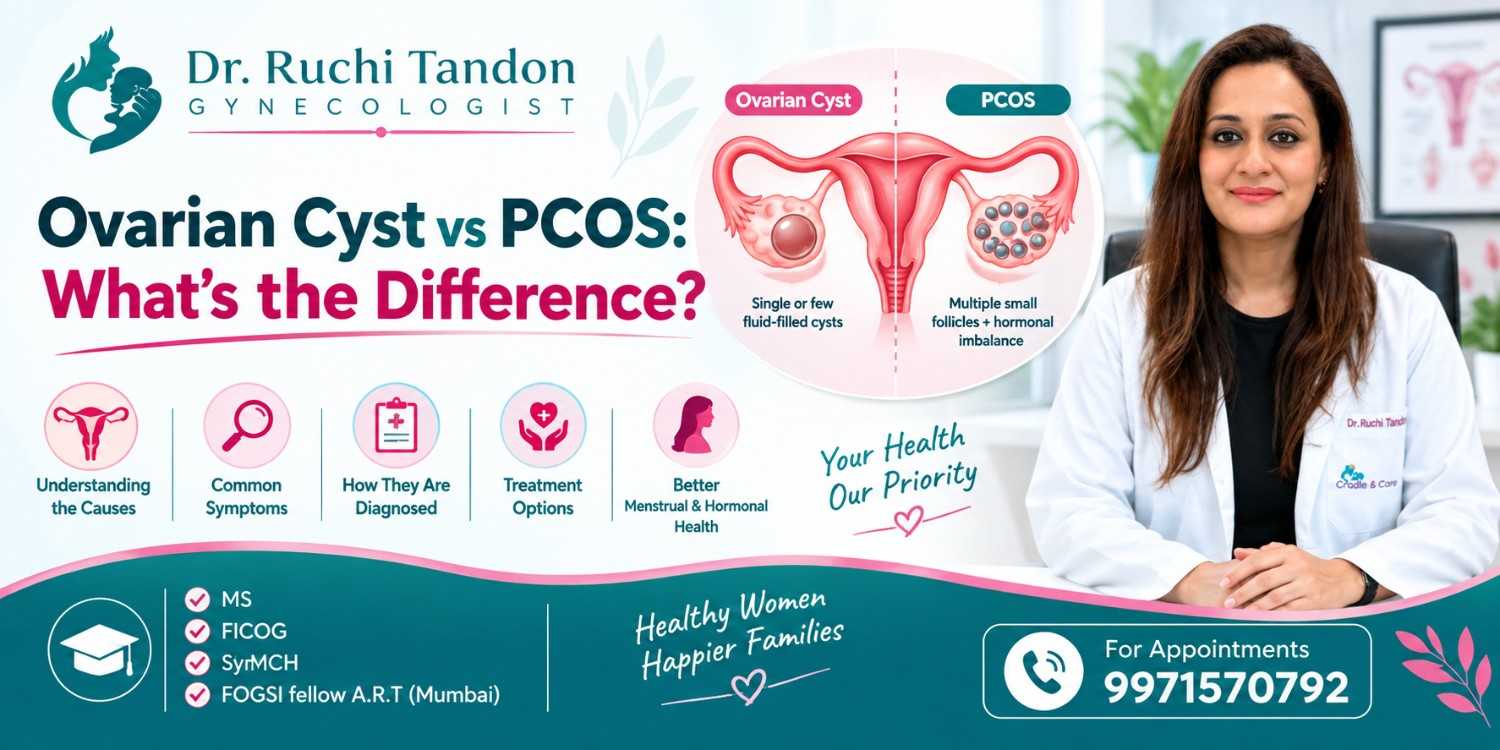
Ovarian Cyst vs PCOS: What’s the Difference?

best ovarian cyst doctor in South Delhi

Ovarian cysts and PCOS (polycystic ovary syndrome) are often confused because both can involve the ovaries and may cause irregular periods. However, they are different conditions with different causes, symptoms, and treatment approaches. If you are experiencing persistent pelvic discomfort, irregular cycles, or concerns about an ovarian cyst, consulting the best ovarian cyst doctor in South Delhi can help determine the underlying cause through a detailed evaluation.

What Is an Ovarian Cyst?

An ovarian cyst is a fluid-filled sac or, in some cases, a solid or mixed mass that develops in or on an ovary. Many ovarian cysts are functional, meaning they develop as part of the normal menstrual cycle. In most cases, these cysts are harmless and may not require any treatment.

Some cysts, however, can become large or cause symptoms such as pelvic pain, abdominal fullness, painful periods, or discomfort during intercourse. Certain types of cysts, including endometriomas and dermoid cysts, may require closer monitoring or treatment.

Diagnosis usually involves a medical history, pelvic examination, and ultrasound. The appropriate management depends on the cyst’s type, size, appearance, symptoms, and the woman’s age and reproductive plans.

What Is PCOS?

PCOS is a hormonal and metabolic condition that can affect ovulation, menstrual cycles, androgen levels, and metabolism. Women with PCOS may experience irregular or infrequent periods, acne, increased facial or body hair, difficulty with ovulation, or weight-related concerns.

Despite its name, having multiple follicles on the ovaries is not by itself enough to diagnose PCOS. A healthcare professional considers the overall clinical picture, including symptoms, menstrual history, hormone-related findings, and sometimes ultrasound results.

If irregular periods or symptoms suggestive of hormonal imbalance continue, consulting a PCOS doctor in South Delhi can help establish an appropriate diagnosis and management plan.

Ovarian Cyst vs. PCOS – Key Differences.

Feature Ovarian Cyst PCOS
What it is A cyst or sac in/on the ovary A hormonal and metabolic disorder
Main concern Cyst characteristics, size, and symptoms Ovulation, hormones, and metabolic health
Period changes May occur with some cysts Commonly irregular or infrequent
Ultrasound May show a distinct cyst May show increased ovarian follicles in some women
Treatment Observation, medicines, or surgery depending on the cyst Lifestyle measures and medicines based on individual needs


Can PCOS Cause Ovarian Cysts?

Now this is a bit confusing. PCOS does not simply mean having ovarian cysts. The ovaries of some women with PCOS may contain numerous small follicles, but these are not the same as a typical ovarian cyst.

The best gynaecologist doctor in South Delhi will generally assess symptoms, menstrual patterns, medical history, examination findings, and relevant investigations rather than relying on an ultrasound finding alone.

When Should You See a Gynaecologist?

Medical evaluation is particularly important when periods remain irregular, pelvic pain persists, symptoms suddenly worsen, or an ovarian cyst has already been identified. Sudden severe pelvic or abdominal pain, especially with vomiting, weakness, or fainting, requires prompt medical attention because complications such as ovarian torsion or cyst rupture can sometimes occur.

For women seeking the best gynaecologist in Green Park Delhi, an individualized assessment can help distinguish PCOS from an ovarian cyst and identify whether monitoring, medication, lifestyle management, or another treatment approach is appropriate.

Conclusion

Ovarian cysts and PCOS may both involve the ovaries, but they are not interchangeable diagnoses. An ovarian cyst is a structural finding, while PCOS is a broader hormonal and metabolic condition. Understanding the difference can prevent unnecessary worry and help ensure appropriate treatment. If you have persistent menstrual changes or ovarian-related symptoms, a qualified gynaecologist can guide you through the necessary evaluation.

Can Abortion Affect Your Next Pregnancy?

best abortion doctor in Delhi

For many women, the decision to have an abortion is followed by an important question: Can abortion affect my chances of having a healthy pregnancy in the future? In most cases, a properly performed abortion does not reduce future fertility or prevent a woman from having a normal pregnancy. However, the method used, complications, and overall reproductive health can influence future pregnancy outcomes.

If you are concerned about fertility after an abortion, consulting the best abortion doctor in Delhi can help you understand your individual situation rather than relying on general information.

Does Abortion Affect Fertility?

A medically supervised abortion, when performed using an appropriate method and with proper follow-up care, generally does not affect a woman’s ability to conceive later. Both medical abortion and surgical abortion are considered safe when recommended and performed according to established medical standards.

However, complications such as an untreated infection or significant injury to the uterus can potentially affect reproductive health. This is why choosing qualified medical care and attending follow-up appointments is important.

What Can Influence Your Next Pregnancy?

Your future pregnancy may depend on several factors besides a previous abortion, including age, menstrual health, existing gynecological conditions, previous pregnancies, and overall health.

Factor Possible relevance to future pregnancy
Uncomplicated abortion Usually does not affect fertility
Untreated infection May affect reproductive health
Uterine injury Rare complication that may require treatment
Existing gynecological condition Can independently influence conception or pregnancy
Follow-up care Helps identify and manage complications early

It is also important to remember that having difficulty conceiving after an abortion does not necessarily mean the abortion caused infertility. Fertility can change over time, and conditions such as PCOS, endometriosis, thyroid disorders, age-related changes, or male-factor infertility may also contribute.

When Should You See a Gynecologist?

If you have previously undergone an abortion and are planning another pregnancy, a preconception consultation can be useful. Your doctor may review your medical history, menstrual cycle, previous pregnancy details, medications, and any complications associated with the abortion.

You should seek medical advice if you experience persistent pelvic pain, unusual vaginal discharge, abnormal bleeding, fever, irregular periods, or difficulty conceiving.

Choosing the best Gynecologist doctor in South Delhi can help you receive individualized guidance based on your reproductive history rather than following generic advice.

Choosing the Right Abortion Care

If you are considering an abortion, proper medical assessment is important before deciding on a treatment approach. The doctor may determine the pregnancy duration, assess your health, and discuss suitable options and possible risks.

Women looking for a gynecologist in South Delhi should consider factors such as appropriate medical qualifications, experience, safe clinical practices, privacy, and availability of follow-up care. Similarly, when searching for the best abortion clinic in South Delhi, it is important to choose a properly equipped and medically supervised facility.

Can You Have a Healthy Pregnancy After Abortion?

Yes. Most women can conceive and have a healthy pregnancy after an uncomplicated abortion. Having an abortion in the past does not automatically mean that your next pregnancy will be high-risk.

If you are planning pregnancy after an abortion, discuss your individual history with a qualified gynecologist. Appropriate preconception care, healthy lifestyle choices, and timely medical evaluation can help you prepare for your next pregnancy with greater confidence.