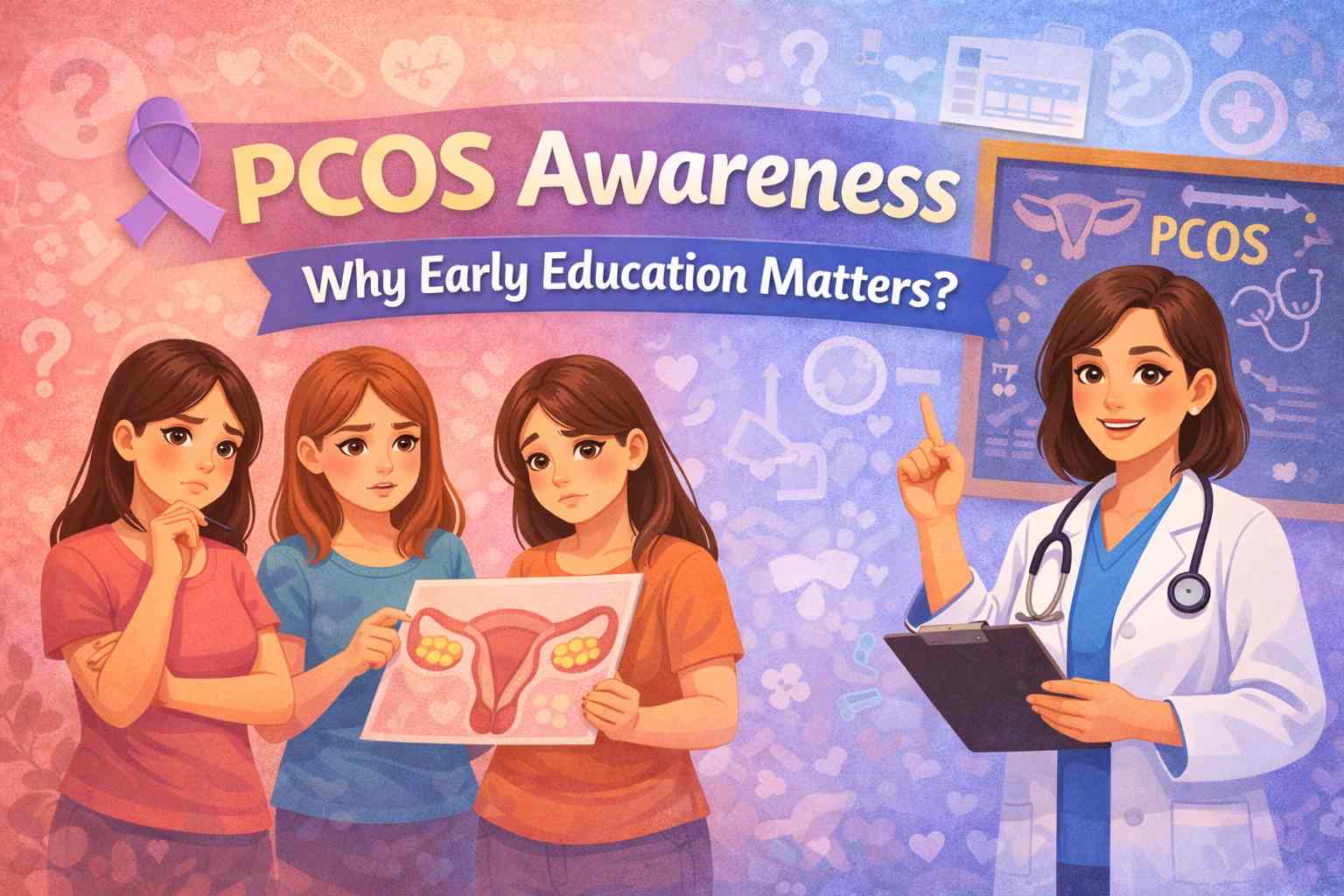
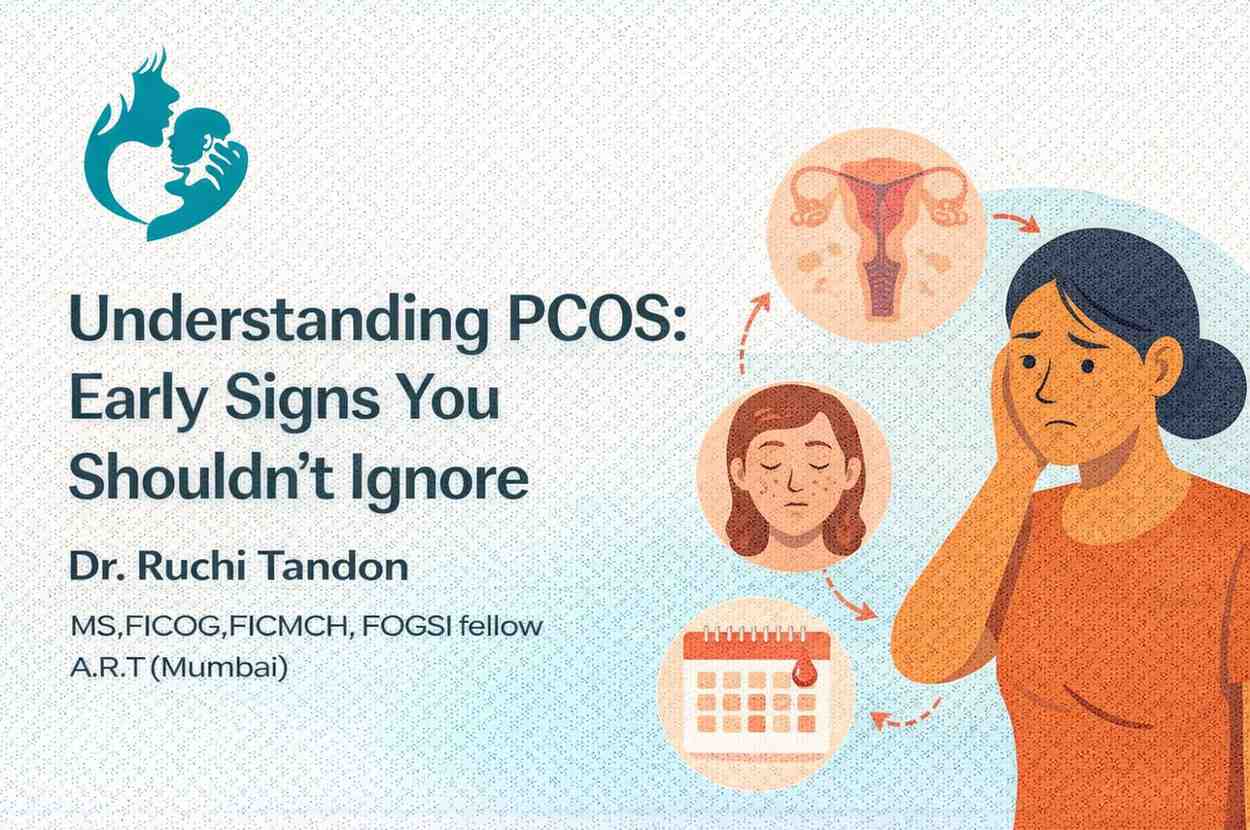
PCOS Awareness: Why Early Education Matters?

Best gynaecologist in South Delhi

Best gynaecologist in South Delhi frequently observe that Polycystic Ovary Syndrome (PCOS) has become increasingly common among women and even teenage girls. Despite its prevalence, many women remain unaware of what PCOS truly is and how early education can significantly impact long-term health. PCOS is a hormonal condition that affects ovarian function, menstrual cycles, and overall metabolic health, making awareness essential from a young age.

What Is PCOS and Why Is It Often Missed?

PCOS is characterized by hormonal imbalance, irregular ovulation, and elevated androgen levels. Common symptoms include irregular or missed periods, acne, excessive facial or body hair, unexplained weight gain, and difficulty conceiving. In adolescents, these signs are often mistaken for normal hormonal changes during puberty, leading to delayed diagnosis. This lack of awareness allows the condition to progress unnoticed, increasing future health risks.

The Importance of Early Education

Early education helps girls and women recognize what is normal and what is not when it comes to menstrual health. When young women understand their bodies, they are more likely to seek medical advice at the right time. Awareness also helps remove the stigma surrounding periods and hormonal disorders, encouraging open discussions at home, in schools, and within communities.

Education empowers women to ask informed questions and make better health decisions. It also helps parents and caregivers identify warning signs early, ensuring timely medical intervention before complications develop.

Managing PCOS Through Timely Care

One of the biggest advantages of early diagnosis is the ability to manage PCOS effectively through lifestyle changes and medical support. Regular exercise, a balanced diet, stress reduction, and proper sleep can significantly improve symptoms. Seeking professional guidance for PCOS treatment in South Delhi allows women to receive personalized care plans that address hormonal balance, menstrual regularity, and fertility concerns.

Early treatment also reduces the risk of associated conditions such as insulin resistance, type 2 diabetes, high cholesterol, and cardiovascular issues.

Mental and Emotional Well-Being

PCOS doesn’t just affect physical health—it can take a toll on emotional well-being too. Issues like body image concerns, anxiety, depression, and fertility-related stress are common. Early counselling and reassurance help women understand that PCOS is manageable and that they are not alone in their journey. Emotional support plays a key role in long-term treatment success.

Building a Healthier Future

Raising awareness about PCOS is about prevention, empowerment, and long-term wellness. Early education enables women to take control of their health before complications arise. With the right guidance and timely intervention from the best gynaecologist in South Delhi, women with PCOS can lead healthy, confident, and fulfilling lives.

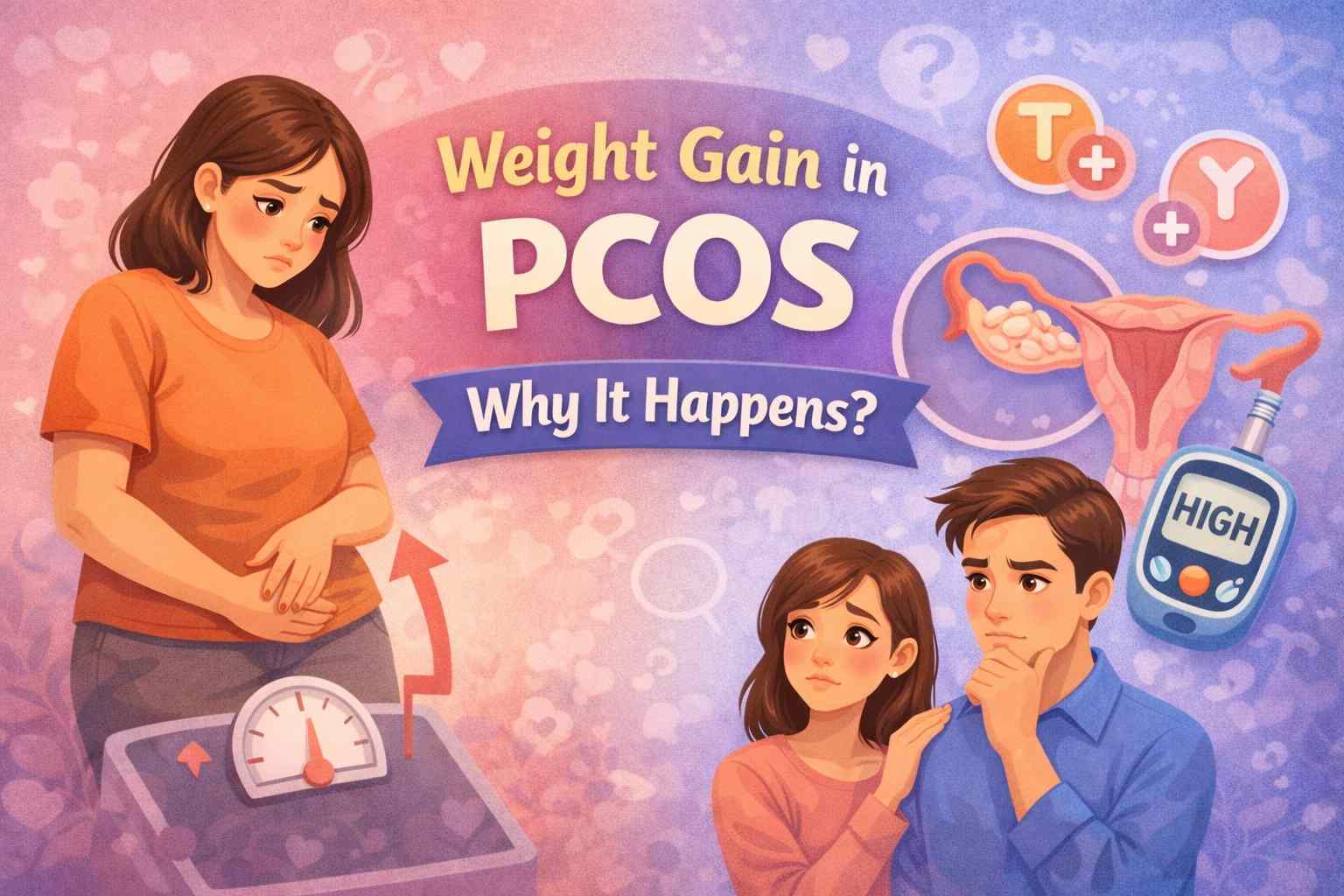
Weight Gain in PCOS: Why It Happens?

good gynecologist in South Delhi

If you’re searching for a good gynecologist in South Delhi because unexplained weight gain has become a constant struggle, Polycystic Ovary Syndrome (PCOS) could be an underlying reason. PCOS is one of the most common hormonal disorders affecting women of reproductive age, and weight gain is often one of its most frustrating symptoms. Knowing why this happens is the first step to ensure its effective management.

The Hormonal Imbalance Behind PCOS

PCOS primarily affects how a woman’s hormones function. One of the key issues is an increase in androgens, commonly known as “male hormones.” Elevated androgen levels can slow down metabolism, promote fat storage (especially around the abdomen), and make weight loss harder than usual. Even with a healthy diet and regular exercise, many women with PCOS find the scale refusing to budge.

Insulin Resistance: A Major Contributor

Another major reason for weight gain in PCOS is insulin resistance. Insulin helps the body use glucose for energy, but in many women with PCOS, the body doesn’t respond properly to insulin. As a result, insulin levels rise, encouraging the body to store excess glucose as fat. This creates a cycle where weight gain worsens insulin resistance, and insulin resistance further promotes weight gain.

Slower Metabolism and Fat Distribution

PCOS doesn’t just cause weight gain—it also affects where the weight shows up. Many women notice increased fat around the waist and lower abdomen. This central weight gain is linked to hormonal imbalances and is often associated with fatigue, cravings, and low energy levels, making lifestyle changes even more challenging.

At this stage, professional guidance becomes essential. Seeking timely PCOS treatment in South Delhi can help address hormonal imbalance, improve insulin sensitivity, and create a personalized plan that includes medical support, nutrition, and lifestyle changes rather than relying on crash diets or guesswork.

Emotional Stress and Lifestyle Factors

Weight gain in PCOS is not only physical—it’s emotional too. Stress, poor sleep, anxiety, and low self-esteem can worsen hormonal fluctuations. Emotional eating and irregular routines may unintentionally add to weight gain, making it important to approach PCOS management holistically rather than focusing only on calories.

Why Early Medical Support Matters?

Left unmanaged, PCOS-related weight gain can increase the risk of type 2 diabetes, infertility, and menstrual irregularities. Some women may also face unintended pregnancies or need reproductive guidance, making access to comprehensive women’s healthcare important. Clinics that provide integrated services—from hormonal care to reproductive counseling—play a vital role, whether one is seeking long-term PCOS management or services like a trusted abortion centre in Delhi as part of broader reproductive healthcare.

Final Thoughts

Weight gain in PCOS is not a personal failure—it’s a medical condition driven by complex hormonal and metabolic factors. With the right diagnosis, expert care, and sustainable lifestyle adjustments, it can be managed effectively. Consulting experienced specialists for PCOS treatment and overall women’s health—whether through a good gynecologist in South Delhi or a reliable abortion centre in Delhi—can help women regain control of their health and confidence.

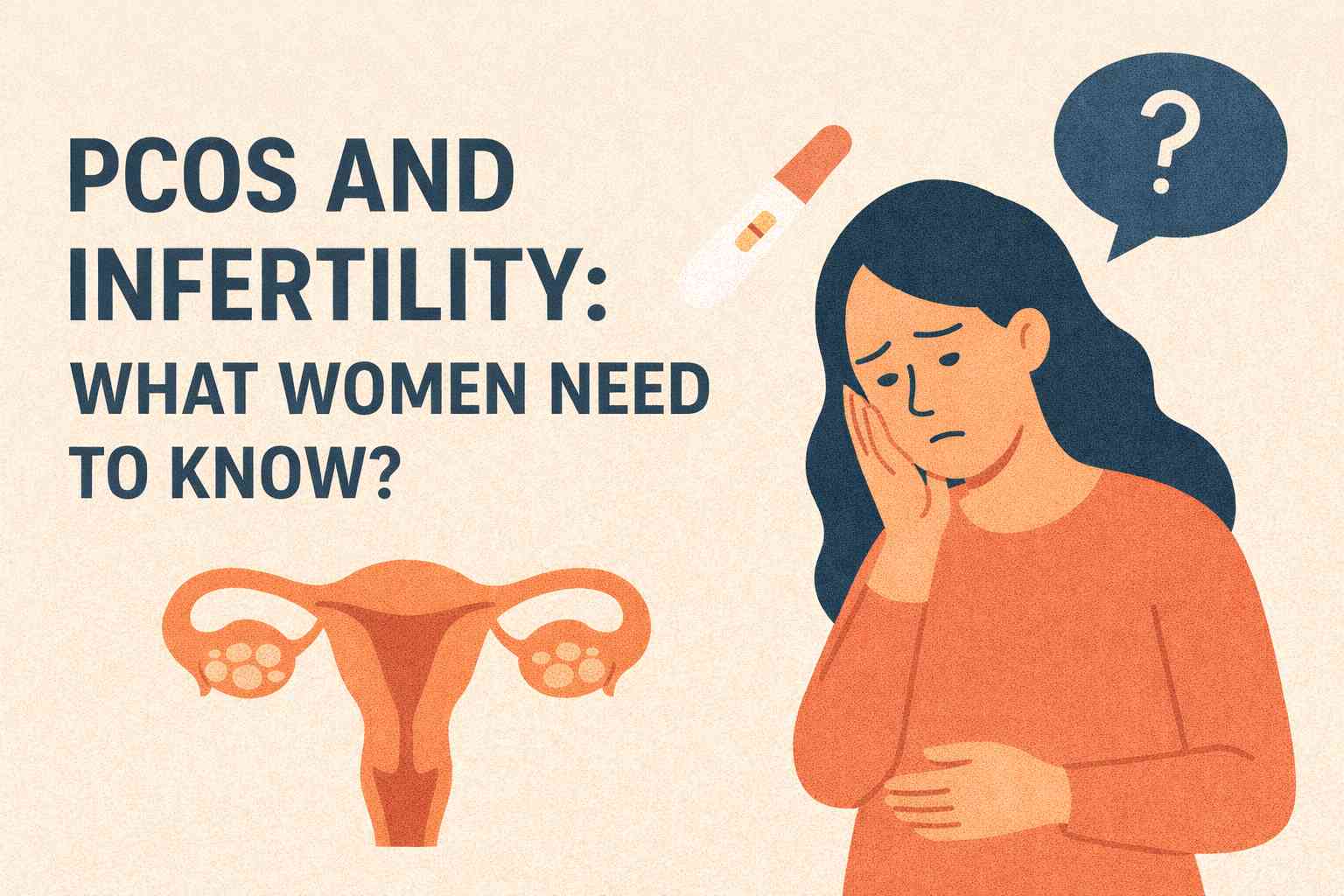
PCOS and Infertility: What Women Need to Know?

infertility specialist in Greater Kailash

When a woman visits an infertility specialist in Greater Kailash, one of the most common concerns she expresses is the fear that PCOS may prevent her from becoming a mother. Polycystic Ovary Syndrome, or PCOS, affects millions of women, yet so many still feel confused or overwhelmed by the diagnosis. Understanding what PCOS is—and how it actually impacts fertility—can help women make clearer, more confident decisions about their health.

What Exactly Is PCOS?

PCOS is a hormonal condition in which the ovaries don’t function as they should. Many women with PCOS have irregular cycles, difficulty ovulating, or higher-than-normal levels of certain hormones. Some may develop small cysts on the ovaries, while others may not. The symptoms vary widely, which is why two women with PCOS can have completely different experiences.

Common signs include irregular periods, weight fluctuations, acne, excess facial hair, and difficulty conceiving. But not everyone has all these symptoms, and that’s what often makes PCOS feel confusing.

Why PCOS Affects Fertility?

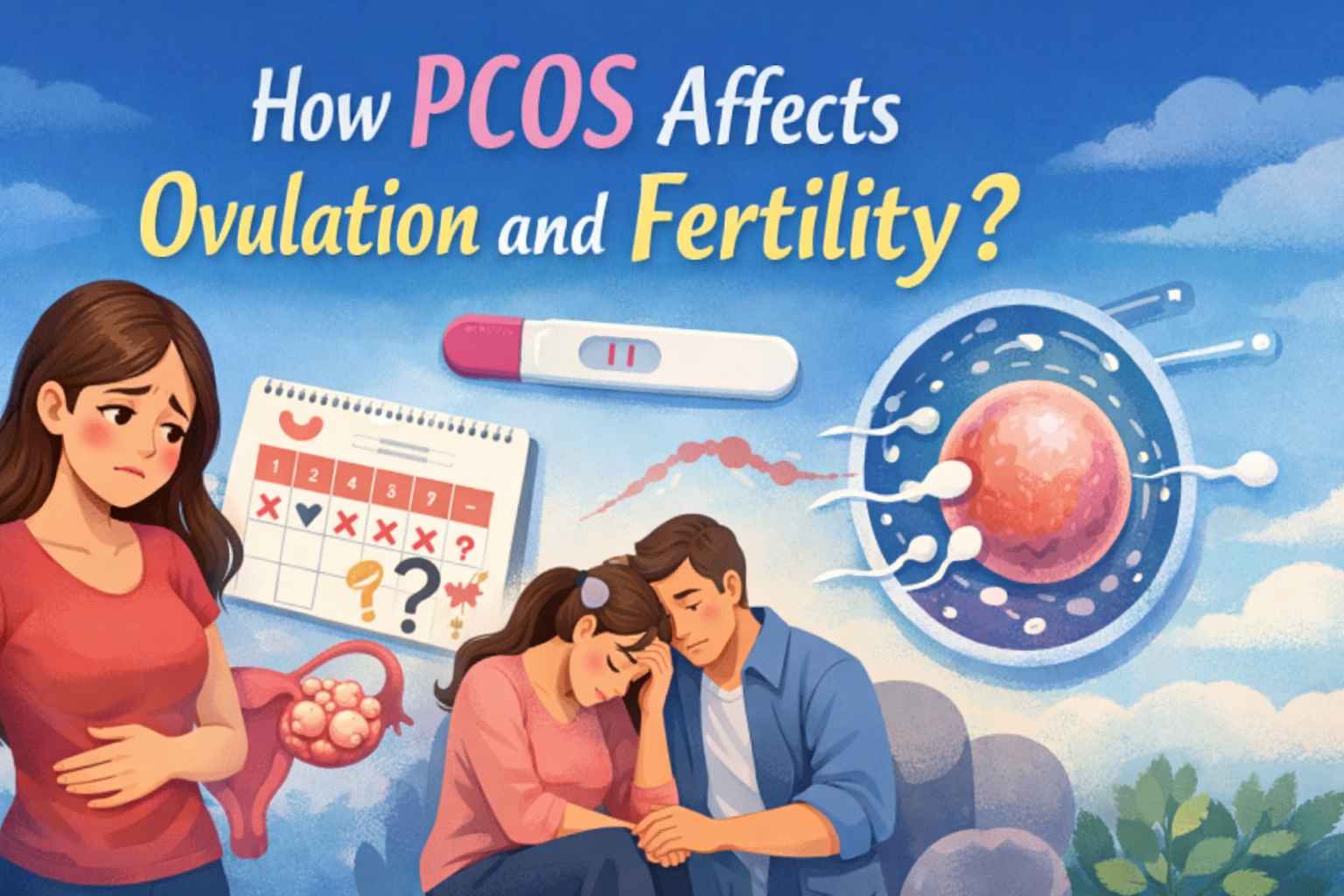
Fertility challenges arise mainly because PCOS can disrupt ovulation. If ovulation doesn’t happen regularly—or doesn’t happen at all—conception becomes harder. Some women ovulate only a few times a year, making it difficult to predict their fertile window.

Hormonal imbalances also play a major role. Higher levels of androgens (male hormones) and insulin resistance are common in PCOS, and both can interfere with regular reproductive functioning.

The important thing to remember is this: PCOS does not mean infertility. Many women with PCOS conceive naturally, and countless others become pregnant with simple medical support.

How PCOS Is Managed and Treated?

Right in the middle of these concerns, many women seek PCOS treatment in South Delhi, where doctors often take a customized, patient-friendly approach. Treatment plans depend on symptoms, age, future family plans, and overall health.

Here are the most common ways PCOS is managed:

1.     Lifestyle and Nutrition Support

Diet and exercise play a huge role. A balanced diet can help manage insulin resistance, and regular physical activity can improve ovulation patterns.

2.     Medication for Hormones and Ovulation

Doctors may prescribe medicines to regulate periods, reduce androgen levels, or induce ovulation. These medications help the body get into a more balanced rhythm.

3.     Fertility Treatments When Needed

For women actively trying to conceive, treatments like ovulation induction, IUI, or IVF may be recommended. These methods have helped countless women with PCOS achieve healthy pregnancies.

Emotional Wellness Matters Too

The emotional side of PCOS is often overlooked. Dealing with irregular periods, weight changes, or conception struggles can take a toll on mental health. Women are encouraged to seek support, communicate openly with their doctor, and remember that they are not alone—PCOS is one of the most treatable causes of infertility.

Final Thoughts

PCOS may complicate the fertility journey, but it rarely closes the door. With early diagnosis, the right lifestyle choices, and proper medical guidance, women can manage symptoms effectively and improve their chances of conception. For personalized care, evaluation, and dependable support, connecting with the best gynecologist in South Delhi can make all the difference.

Can Women With PCOS Get Pregnant Naturally? Expert Insights

PCOS treatment in South Delhi

If you have Polycystic Ovary Syndrome (PCOS), the question “Can I get pregnant?” can feel like it’s hanging over everything. It’s a heavy weight, full of anxiety and uncertainty. You read conflicting things online, and it’s easy to feel discouraged. So let’s cut through the noise and get straight to it: Yes, absolutely. Getting pregnant naturally with PCOS is a very real possibility for many women. The journey might look a little different, but it’s far from a closed door. Effective PCOS treatment in South Delhi and beyond often starts with understanding that your body isn’t broken; it just plays by a different set of rules.

The Big Hurdle: Irregular Ovulation

So, what’s the actual problem? In simple terms, PCOS creates a hormonal imbalance that messes with ovulation—the monthly release of an egg. While some women have a cycle you could set a clock to, a woman with PCOS might have a completely unpredictable schedule. You might ovulate some months but not others, or have very long cycles. Getting pregnant naturally is a numbers game, and it’s hard to win when you don’t know when, or even if, an egg is being released. The key isn’t to “cure” the PCOS, but to manage the symptoms and encourage your body to ovulate more regularly.

Your Game Plan for Boosting Natural Fertility

This is where you can take back some control. For a huge number of women with PCOS, lifestyle changes can be powerful enough to kickstart ovulation.

Your Lifestyle is Your First Medicine

Think of food and movement as your first line of attack. Because many women with PCOS have some level of insulin resistance (meaning the body doesn’t handle sugar well), focusing on a balanced diet can work wonders. This doesn’t mean a crazy restrictive diet. It means focusing on whole foods, lean proteins, healthy fats, and lots of fiber. Cutting back on processed junk and sugary drinks can help balance your insulin levels, which in turn can help balance your reproductive hormones. Combine that with regular, moderate exercise—like brisk walking, swimming, or yoga—and you have a powerful combination for encouraging your body to do its thing.

This is where having a personalized plan is crucial. Working with a professional to guide you is a smart move. Finding the best gyno doctor in South Delhi for you means finding someone who will listen and help create a realistic lifestyle and tracking plan.

When to Bring in the Experts?

Making these changes is a huge step, but what if months go by and you’re still not pregnant? Don’t panic. This is normal, and it’s the point where you might need a little extra help. After trying for six months to a year (depending on your age), it’s time to have a chat with your doctor about the next steps. They might suggest medications like Clomid or Letrozole, which are simple pills designed to stimulate ovulation. For many women, this is the little nudge their body needs.

If lifestyle changes and first-line medications don’t result in a pregnancy, it doesn’t mean it’s over. It just means it’s time to see a specialist who lives and breathes this stuff. Your doctor may recommend seeing an infertility specialist in Greater Kailash who can offer more advanced diagnostics and treatment options. The bottom line is this: PCOS is a hurdle, not a roadblock. With the right approach and the right team on your side, building your family is absolutely within reach.

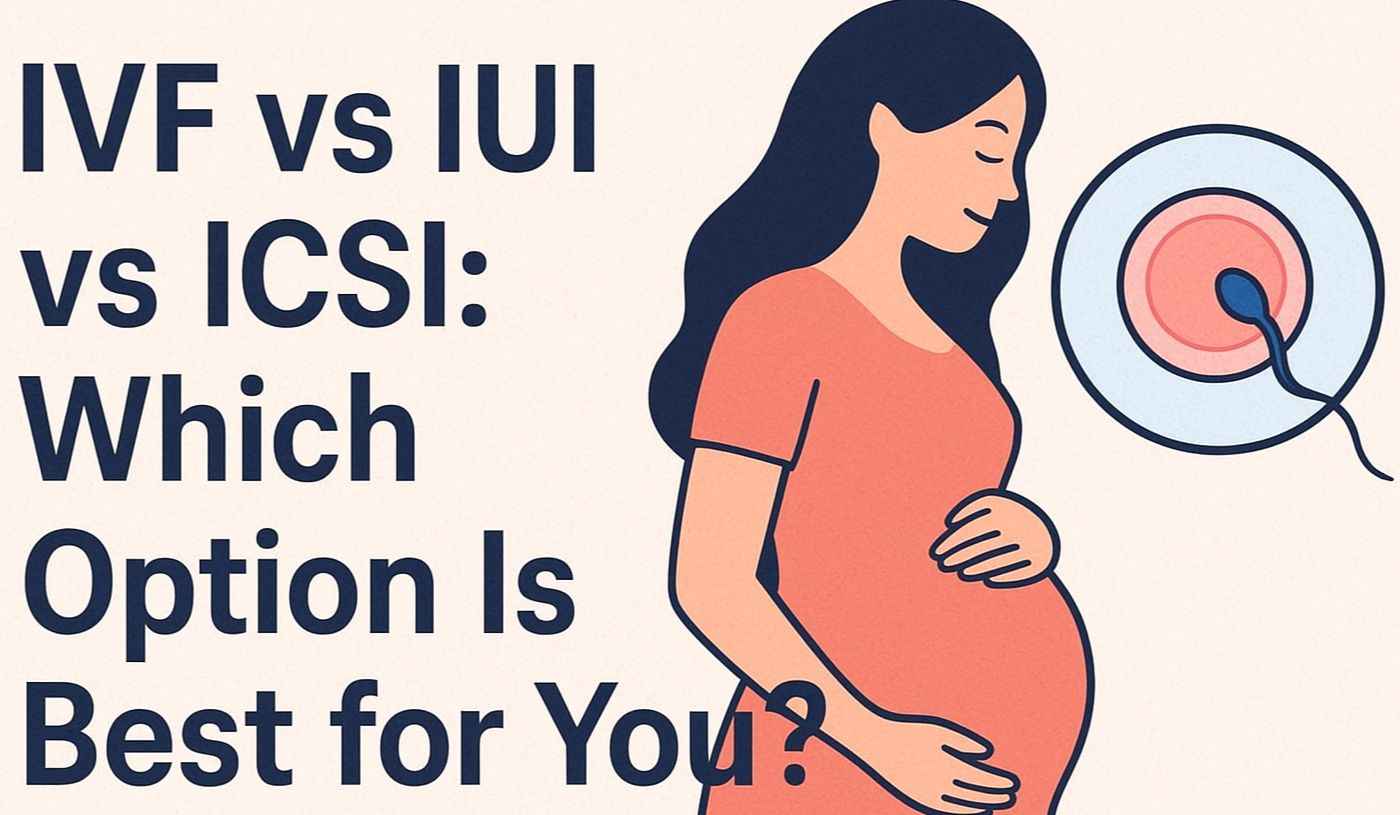
IVF vs IUI vs ICSI: Which Option Is Best for You?

infertility specialist in Greater Kailash

Navigating the world of fertility treatments can feel like learning a new language. You’re faced with a confusing alphabet soup of acronyms—IUI, IVF, ICSI—and it can be overwhelming. If you’re just starting this journey, a conversation with an infertility specialist in Greater Kailash can feel like a whirlwind of new information. So, let’s take a breath and break down what these common treatments really are, in simple terms, so you can understand your options better.

IUI: The Introductory Step

Think of Intrauterine Insemination (IUI) as giving the sperm a helpful head start. In this procedure, specially washed and concentrated sperm are placed directly into the uterus right around the time of ovulation. The goal is simple: to bypass the vagina and cervix, cutting down the sperm’s travel time and putting them much closer to the egg.

Who is it for?

IUI is often the first line of treatment for couples with unexplained infertility, mild male factor issues (like slightly low sperm count or motility), or issues with cervical mucus. It’s a less invasive and less expensive option compared to IVF, making it a logical starting point for many.

IVF: The Major League

In Vitro Fertilization (IVF) is what most people think of as the “test-tube baby” procedure. It’s a much more involved process. The “in vitro” part literally means “in glass.” With IVF, fertilization happens outside the body in a lab. The process involves stimulating the ovaries to produce multiple eggs, retrieving those eggs in a minor surgical procedure, and then combining them with sperm in a petri dish. If fertilization is successful, the resulting embryos are monitored for a few days before one or two are transferred back into the uterus.

Who is it for?

IVF is a more powerful treatment used for a wider range of issues, including blocked fallopian tubes, more severe male factor infertility, or diminished ovarian reserve. For others, especially when initial steps haven’t been successful or for conditions being managed as part of PCOS treatment in South Delhi, the journey might lead to IVF.

ICSI: The Precision Tool

Intracytoplasmic Sperm Injection (ICSI) isn’t a separate treatment from IVF; it’s a specialized part of it. Think of it as the special forces of fertilization. During a standard IVF procedure, the eggs and sperm are simply mixed in a dish, and we hope for the best. With ICSI, an embryologist takes a single, healthy-looking sperm and, using a microscopic needle, injects it directly into the center of an egg.

Who is it for?

ICSI is a game-changer for couples dealing with severe male factor infertility. If the sperm count is very low, motility is poor, or the sperm have an abnormal shape, they may not be able to fertilize an egg on their own, even in a petri dish. ICSI bypasses this problem entirely.

So, What’s the Right Choice?

There is no single “best” option. The right path for you depends entirely on your specific diagnosis, your age, your medical history, and your personal circumstances. IUI might be the perfect start for one couple, while another might need to go straight to IVF with ICSI. The only way to know for sure is to get a complete fertility workup and have an open conversation with an expert. A consultation with the best gynecologist in South Delhi who specializes in fertility will help you understand your unique situation and create a treatment plan that gives you the best possible chance of success.

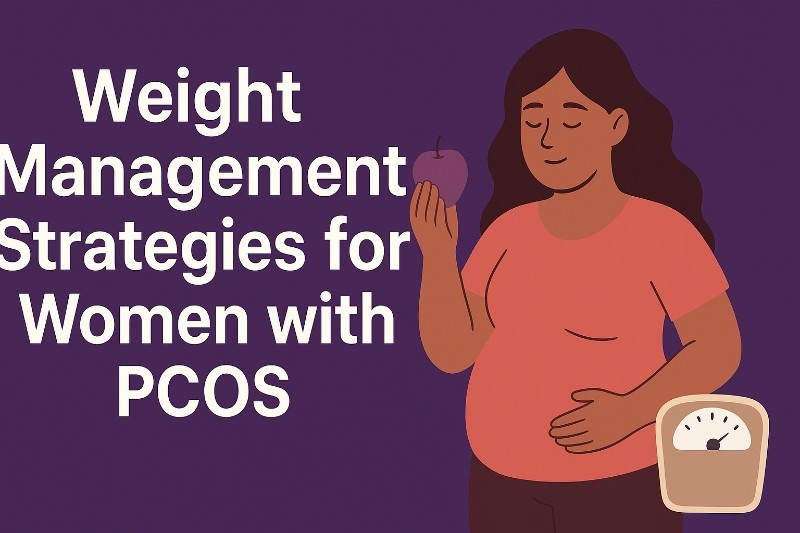
Weight Management Strategies for Women with PCOS

PCOS doctor in South Delhi

Polycystic Ovary Syndrome (PCOS) is more than just a reproductive issue; it’s a hormonal condition that frequently makes weight management feel like an uphill battle. The stubborn weight gain is often rooted in insulin resistance, where your body struggles to efficiently use the insulin it produces.

For women dealing with this, getting weight under control is essential not just for how you look, but for regulating menstrual cycles, improving fertility potential, and shielding against future health issues like Type 2 diabetes. Starting this journey with professional advice is crucial; consulting a dedicated PCOS doctor in South Delhi is the smart first step. They can look closely at your unique hormonal picture and design a treatment plan that actually works for you.

The Kitchen Strategy: Calming Insulin Spikes

You don’t need to starve yourself to manage PCOS weight; you need to eat in a way that soothes your insulin levels. This is the heart of the matter.

Prioritize Fiber and Complex Carbs

Think of refined, white carbohydrates (like sugary drinks or white bread) as fueling quick, high insulin spikes. To counter this, swap them out for high-fiber, low-glycemic-index (GI) foods. This includes legumes, most vegetables, oats, and brown rice. Fiber acts like a brake, slowing down sugar absorption and reducing the insulin demand.

Balance Every Plate

Ensure each meal and snack contains lean protein (chicken, fish, paneer, tofu) and healthy fats (nuts, seeds, avocado). This dynamic duo keeps you feeling full longer and drastically helps stabilize blood sugar, minimizing the intense cravings PCOS often triggers.

Don’t Skip Meals

Irregular eating throws your blood sugar into a frenzy. Aim for consistent meal timing to maintain stability and prevent your body from holding onto fat in response to perceived stress or deprivation.

Movement Matters: Exercise for Hormones

Exercise for PCOS should be about hormonal support, not about burning calories in a punishing way. Overtraining can actually increase cortisol (a stress hormone), which works against weight loss.

Embrace Strength Training

Building muscle is non-negotiable. Muscle tissue is significantly more efficient at using glucose, directly improving insulin sensitivity—the main battleground of PCOS. You don’t need heavy weights; bodyweight exercises and resistance bands work great.

Find Joyful Movement

Aim for about 150 minutes of moderate exercise weekly. This could be dancing, a brisk walk in the park, or swimming. Crucially, pick activities you genuinely enjoy so they become a sustainable habit, rather than a dreaded chore. This mindful approach is a key part of effective PCOS treatment in South Delhi.

Lifestyle Anchor: Stress, Sleep, and Support

Hormones are exquisitely sensitive to lifestyle factors. Ignoring sleep or chronic stress is like trying to fix a leak while the tap is still running.

Optimize Your Sleep

Lack of sleep increases the stress hormone cortisol, which directly encourages your body to store fat around the abdomen. Aim for 7 to 9 hours of quality, uninterrupted sleep. Establishing a fixed bedtime routine is powerful medicine.

Master Your Stress

Find sustainable ways to switch off your ‘fight or flight’ mode. Practicing yoga, spending time outdoors, or committing to five minutes of daily deep breathing can lower chronic inflammation and cortisol, helping your body return to a balanced state.

Tackling PCOS weight challenges requires a comprehensive, compassionate strategy. It’s about healing your body from the inside out. For women seeking the highest level of care and diagnostic accuracy, finding the best gynaecologist in South Delhi who specializes in hormonal health will ensure you receive the personalized, science-backed guidance needed to turn your health around. You are not alone in this fight, and with the right strategy and support, real progress is absolutely achievable.

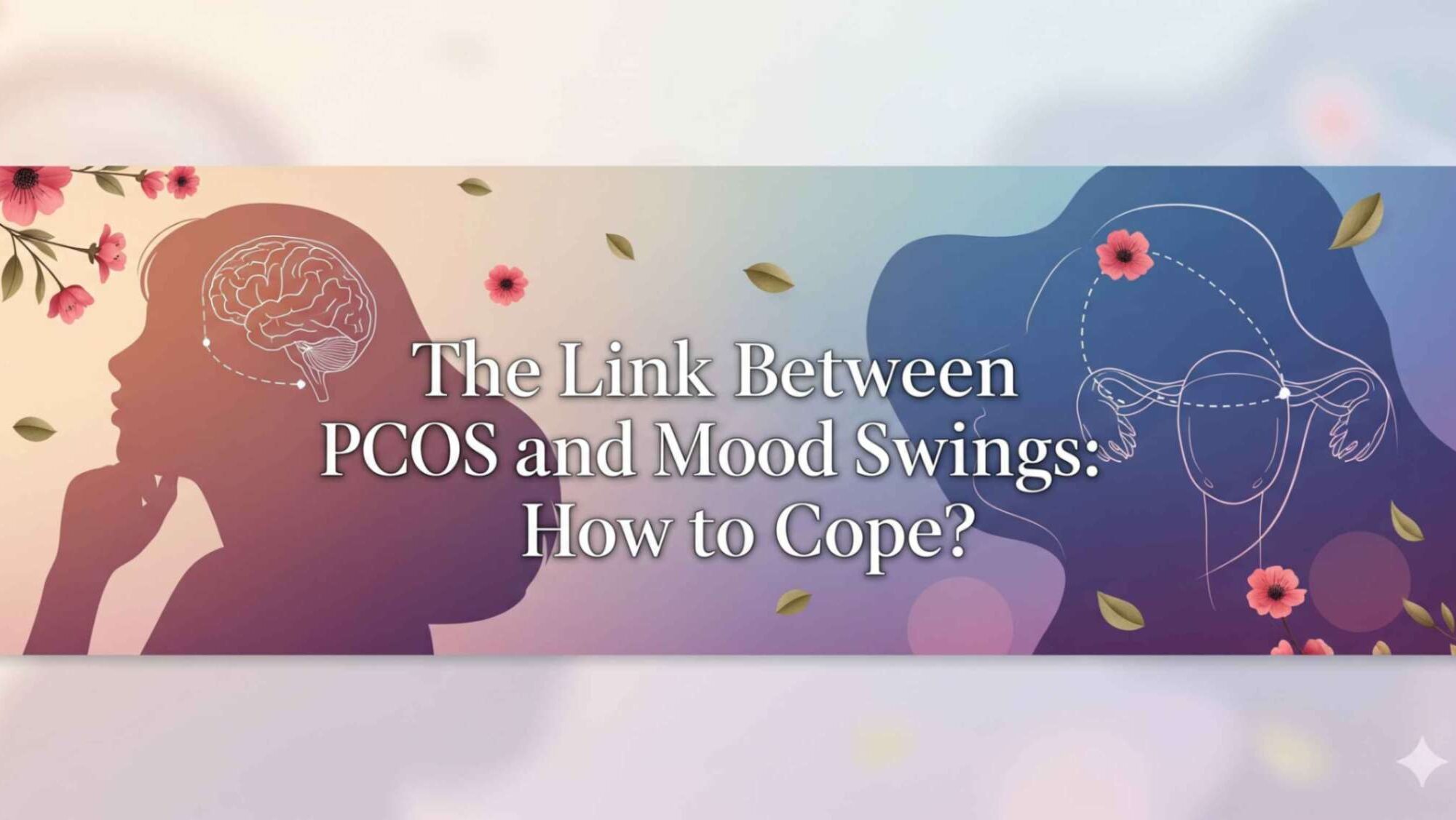
The Link Between PCOS and Mood Swings: How to Cope?

good gynecologist in South Delhi

Polycystic Ovary Syndrome (PCOS) is a condition that affects a large number of women during their reproductive years. Most people know it for its physical symptoms like irregular periods, acne, or weight gain. But what often doesn’t get enough attention is its emotional side. Mood swings, irritability, and even long phases of sadness are very common with PCOS. These changes can make day-to-day life harder to manage, and that’s why speaking to a good gynecologist in South Delhi is so important. A specialist can help explain why your hormones affect your mood and guide you toward effective solutions.

Why PCOS Affects Your Emotions?

PCOS is largely a hormonal disorder, and when hormones are out of balance, they impact much more than just your periods. Higher levels of insulin and androgens can affect brain chemistry, which leads to mood swings, anxiety, or even depressive episodes. On top of that, dealing with acne, hair growth, or fertility issues adds to emotional stress. Many women end up feeling caught in a cycle: their PCOS symptoms increase their stress, and stress, in turn, makes the symptoms worse.

Common Emotional Struggles

Women dealing with PCOS often report:

  • Irritability or sudden anger that comes without warning.
  • Worry and anxiety, especially about fertility or body image.
  • Low moods or depression, which may become ongoing.
  • Loss of confidence, usually because of weight changes or visible symptoms.

It’s important to understand that these struggles are not just in your imagination. They are part of how PCOS affects the body, and with the right support, they can be managed.

Practical Ways to Cope with Mood Swings

Focus on Food and Fitness
Eating balanced meals with whole grains, proteins, and vegetables helps keep blood sugar steady, which in turn stabilizes mood. Regular exercise also releases endorphins, which act as natural mood lifters.

Find Stress-Busting Habits
Activities like yoga, meditation, or even walking outdoors can make a big difference. Many women also find that writing down their thoughts in a journal helps them stay grounded.

Prioritize Sleep
Sleep often gets overlooked, but it is essential for hormonal balance. Aiming for 7–8 hours of rest can reduce irritability and improve energy levels.

Seek Professional Help
Counseling or therapy is not just for “serious cases.” Talking to a professional gives you tools to handle stress and negative thoughts more effectively. When combined with medical care, such as PCOS treatment in South Delhi, the results are often much better.

Connect With Others
Sometimes, just knowing that other women are going through the same thing can be very comforting. Joining a support group or opening up to a trusted friend can ease the emotional burden.

Final Thoughts

PCOS is more than just a physical condition—it takes a toll on mental health too. The mood swings, low confidence, and stress can feel overwhelming, but with small lifestyle changes, medical support, and self-care, it is possible to feel better. Don’t ignore the emotional side of PCOS; giving it the same attention as the physical symptoms can transform your overall well-being.

And remember, professional help is always available. Whether it’s managing PCOS symptoms or even seeking care for something like vaginismus treatment in Delhi, reaching out to the right specialist is the first step toward feeling like yourself again.

Breaking the Stigma: Why Open Conversations About Gynecological Health Matter?

pregnancy doctor in South Delhi

When you walk into a pregnancy doctor in South Delhi for a consultation, chances are you carry more than just medical questions. Many women carry years of silence, fear, or embarrassment around their gynecological health. For generations, topics like menstrual health, reproductive issues, and sexual well-being have been shrouded in stigma. This silence often delays care, worsens conditions, and leaves women feeling isolated. It’s time to change that.

Why We Need to Talk About It?

The human body is complex, but talking about it shouldn’t be taboo. Gynecological health isn’t just about fertility or pregnancy; it includes everything from menstrual cycles and hormonal balance to sexual health and chronic conditions. Yet, in many households, these conversations are avoided entirely, often brushed off as “private matters.”

This culture of silence can have serious consequences. Many women delay visiting a gynecologist even when they experience symptoms like severe cramps, irregular bleeding, or pelvic pain. For some, these issues are normalized; for others, they’re too “embarrassing” to talk about. In reality, early diagnosis and treatment of gynecological issues can make a world of difference.

Drawbacks of Staying Silent

When women don’t speak openly about their health, they miss out on timely intervention. Conditions like endometriosis, fibroids, and infections often worsen if not addressed early. Even common hormonal imbalances, such as those caused by Polycystic Ovary Syndrome (PCOS), can spiral into long-term complications if left untreated.

PCOS is a prime example. It affects millions of women worldwide, often causing irregular periods, acne, weight gain, and even fertility struggles. Many women in urban areas now actively seek PCOS treatment in South Delhi, but countless others suffer in silence because they’re too hesitant to talk about their symptoms. Silence doesn’t make the problem go away; it makes it worse.

Importance of Gynecological Care

Breaking this stigma starts with normalizing conversations. Discussing gynecological health shouldn’t feel shameful; it’s simply part of maintaining overall well-being. Women need safe spaces to voice their concerns, whether at home, in schools, or at clinics.

Doctors play a key role here. A supportive, approachable gynecologist can help patients feel heard and understood. Instead of rushing through consultations, good doctors encourage questions and educate women about their bodies. This makes care more collaborative and far less intimidating.

How Friends and Families Can Help?

Support systems matter just as much as medical care. Families and friends can create a judgment-free environment where women feel comfortable discussing their health. For example, a teenager shouldn’t feel embarrassed about sharing her period struggles with her mother, nor should a newlywed hesitate to talk about intimacy-related issues. Open communication helps women access the right medical help without feeling guilty or ashamed.

Moving Toward a Healthier Future

When women have the courage to speak up, and when society listens, the stigma loses its power. Schools can integrate reproductive health education. Communities can host awareness programs. Families can normalize discussions. Each small step creates a culture where women prioritize their well-being without fear.

Gynecological health isn’t a side topic; it’s central to women’s overall health. The more we talk about it, the more we empower women to take charge of their bodies, seek help early, and make informed decisions about their care.

If you’re dealing with menstrual irregularities, hormonal imbalances, fertility issues, or simply need a routine check-up, don’t put it off. Prioritize your health. For compassionate, expert care, consult the best gyno doctor in South Delhi and take the first step toward breaking the silence for good.

How PCOS Can Affect Vaginal Health: What You Need to Know?

best gynecologist in South Delhi

If you are searching for the best gynecologist in South Delhi, you might already be aware of the impact polycystic ovary syndrome can have on your overall health. But what about vaginal health specifically? Many women with PCOS focus on weight, periods, and fertility, often overlooking the direct effects this condition can have on the vagina and its delicate ecosystem.

PCOS, or polycystic ovary syndrome, is a hormonal disorder that affects millions of women worldwide. It disrupts the balance of reproductive hormones like estrogen, progesterone, and androgens. These changes can trigger a ripple effect on vaginal health, leading to issues that can affect your daily comfort, sexual wellbeing, and long-term confidence.

Vaginal Dryness and Discomfort

One of the most common complaints among women with PCOS is vaginal dryness. When estrogen levels are out of balance, the natural lubrication of the vagina can decrease. This can cause itching, burning, and pain during sex. Dryness can also increase the risk of tiny tears in the vaginal lining, making infections more likely.

Increased Risk of Infections

PCOS-related hormonal imbalances can change the pH level of the vagina. A healthy vagina typically has a slightly acidic environment that supports good bacteria and keeps harmful bacteria in check. With PCOS, the shift in hormones can allow bad bacteria to thrive, causing bacterial vaginosis or yeast infections more often.

Women with PCOS also have a higher chance of insulin resistance, which can affect blood sugar levels. High blood sugar can fuel the growth of yeast, making vaginal yeast infections even more common.

Impact on Libido and Sexual Health

PCOS can take a toll on libido. The hormonal shifts can dampen sexual desire, and vaginal dryness can make sex uncomfortable or even painful. This can lead to frustration, relationship strain, and a negative cycle where sex becomes something to avoid.

On top of that, many women with PCOS also deal with mental health issues like depression and anxiety, which can further reduce sexual interest. All these factors can combine to create a challenging situation for women trying to maintain an active and satisfying sex life.

PCOS Treatment and Vaginal Health

For those seeking PCOS treatment in South Delhi, it is important to look at the bigger picture. A holistic approach is key. This might involve balancing hormones with medication, managing insulin resistance through diet and exercise, and addressing vaginal symptoms directly.

If vaginal dryness is a major concern, over-the-counter lubricants can help. But for many women, getting to the root cause by working with a healthcare provider is the most effective route. Hormonal treatments, such as birth control pills or other therapies, can help restore estrogen levels and improve lubrication.

Lifestyle Changes to Support Vaginal Health

Beyond medical treatments, lifestyle changes can have a real impact. Eating a balanced diet, staying active, and managing stress can all help balance hormones and reduce the severity of PCOS symptoms. Staying hydrated is also crucial for keeping vaginal tissues healthy and moist.

Final Words

Living with PCOS can feel overwhelming, but understanding how it affects your vaginal health is a big step towards feeling better and more confident. Working with trusted professionals can make a huge difference. If you are dealing with PCOS and also experiencing pain or discomfort during sex, you might need a specialist. In that case, seeing a Vaginismus Doctor in South Delhi could be the right move.

Your health deserves attention and care. By taking action and getting the right help, you can manage PCOS and protect your vaginal health at the same time.

PCOS in Teens Recognizing and Addressing the Early Signs

PCOS treatment in South Delhi

Polycystic Ovary Syndrome (PCOS) is a common hormonal disorder that affects millions of women worldwide, including teenagers. While often associated with adulthood, PCOS frequently begins during adolescence. Unfortunately, it can be challenging to identify in teens due to its overlap with normal puberty changes. Early recognition and intervention are vital to managing the condition and reducing its long-term impact on health. For this, it is important to seek the best PCOS treatment in South Delhi.

What is PCOS?

PCOS is a hormonal imbalance that affects the ovaries, leading to irregular menstrual cycles, excess androgen (male hormones), and the presence of multiple cysts in the ovaries. It is a complex condition with no single cause, though genetic and environmental factors often play a role.

Recognizing Early Signs in Teens

Identifying PCOS in teens requires a keen understanding of its symptoms. While some changes may seem typical during puberty, persistent and severe symptoms warrant medical attention.

Irregular Periods

Although it’s normal for menstruation to be irregular in the first few years after a girl gets her first period, extreme irregularities—such as cycles longer than 35 days or fewer than eight periods a year—can be an early sign of PCOS.

Excessive Hair Growth (Hirsutism)

Unwanted hair growth on the face, chest, or back due to elevated androgen levels is a common PCOS symptom. This can be particularly distressing for teens and may impact their self-esteem.

Acne and Oily Skin

Severe acne that doesn’t respond to standard treatments may signal PCOS, especially when accompanied by other symptoms.

Weight Gain and Difficulty Losing Weight

Teens with PCOS often experience weight gain, particularly around the abdomen, which can exacerbate hormonal imbalances.

Thinning Hair or Hair Loss

Androgen excess can also cause scalp hair thinning, mimicking male-pattern baldness in some cases.

Dark Patches of Skin

A condition called acanthosis nigricans, characterized by dark, velvety skin patches in areas like the neck, armpits, and groin, is often associated with PCOS and insulin resistance.

Why Early Diagnosis Matters?

Detecting PCOS early allows teens to manage the condition effectively, preventing complications such as type 2 diabetes, cardiovascular issues, and infertility later in life. It also helps address emotional challenges, as symptoms like hirsutism and weight gain can impact mental health.

Addressing PCOS in Teens

Management of PCOS often involves a multidisciplinary approach, including lifestyle changes, medical treatments, and emotional support.

Healthy Diet and Exercise

Encouraging teens to adopt a balanced diet rich in whole foods and engage in regular physical activity can help regulate weight and improve insulin sensitivity.

Medical Interventions

Doctors may prescribe hormonal birth control to regulate periods and reduce androgen levels. Insulin-sensitizing medications like metformin can also be beneficial in managing symptoms.

Emotional Support and Counseling

PCOS can take a toll on a teen’s mental health. Providing emotional support and, if needed, professional counseling can help them navigate the condition with confidence.

Conclusion

PCOS in teens is a manageable condition when recognized early. By understanding the signs and seeking timely medical advice from the best gynecologist in South Delhi, parents and teens can work together to address the challenges posed by this hormonal disorder. With the right approach, teens with PCOS can lead healthy, fulfilling lives.