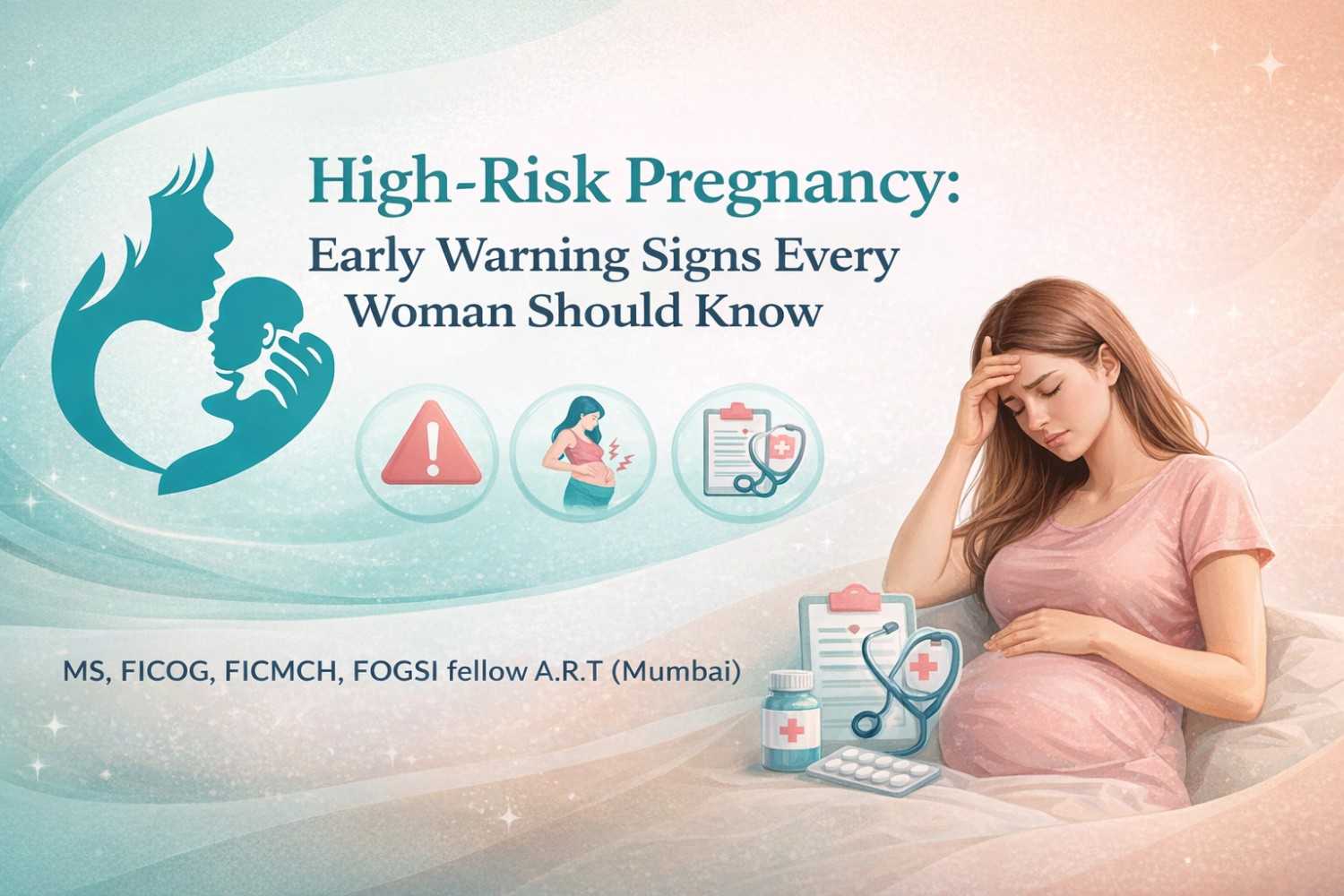
Pregnancy is often described as a beautiful journey, but for some women, it can come with added complications that require special attention. A high-risk pregnancy means that the mother, the baby, or both may face increased health challenges before, during, or after delivery. Consulting the best gynaecologist in South Delhi early on can make a significant difference in identifying risks and ensuring proper care.
What is a High-Risk Pregnancy?
A pregnancy is termed “high-risk” when there are potential complications that could affect the health of the mother or baby. These risks may arise due to pre-existing medical conditions, age (below 17 or above 35), lifestyle factors, or complications that develop during pregnancy, such as gestational diabetes or high blood pressure.
Understanding these risks is not meant to create fear, but to encourage awareness and timely medical intervention.
Early Warning Signs You Should Never Ignore
Recognizing the early signs of a high-risk pregnancy is crucial. Here are some symptoms that require immediate medical attention:
Severe or Persistent Abdominal Pain
Mild discomfort is common, but sharp or ongoing pain could indicate issues like ectopic pregnancy or placental problems.
Heavy Bleeding or Spotting
Light spotting is normal, especially in the early stages of pregnancy. However, heavy bleeding or clots may signal miscarriage or other serious complications.
Severe Headaches and Blurred Vision
These could be early signs of preeclampsia, a condition marked by high blood pressure that can become dangerous if untreated.
Swelling of Hands, Face, or Feet
While slight swelling is normal, sudden or excessive swelling may indicate underlying health issues.
Reduced Baby Movement
Later in pregnancy, a noticeable decrease in fetal movement should never be ignored and must be checked immediately.
Who is More at Risk?
Certain factors increase the likelihood of a high-risk pregnancy:
- Pre-existing conditions like diabetes, thyroid disorders, or hypertension
- Conditions like PCOS, where consulting a PCOS doctor in South Delhi becomes essential
- Multiple pregnancies (twins or more)
- History of miscarriage or premature birth
- Lifestyle habits such as smoking or poor nutrition
Regular prenatal check-ups help monitor these risks effectively.
How to Manage a High-Risk Pregnancy?
Managing a high-risk pregnancy requires a combination of medical care and lifestyle adjustments:
Regular Medical Check-ups
Frequent visits to a qualified specialist help track both maternal and fetal health.
Healthy Diet and Hydration
A balanced diet rich in nutrients supports the baby’s development and the mother’s well-being.
Stress Management
Emotional health plays a vital role. Practices like meditation, light exercise, and adequate rest can be beneficial.
Medication and Monitoring
In some cases, doctors may prescribe medications or recommend specific tests to prevent complications.
When to Seek Immediate Help?
If you experience any unusual symptoms such as intense pain, bleeding, dizziness, or sudden swelling, do not delay seeking medical care. Early intervention can prevent complications and ensure a safer pregnancy journey.
Final Thoughts
A high-risk pregnancy does not mean an unhealthy outcome—it simply requires extra care, awareness, and the right medical guidance. Staying informed about early warning signs empowers women to take timely action and protect their health and their baby’s future. Choosing the right pregnancy doctor in South Delhi ensures you receive expert care, personalized attention, and the support you need for a safe and healthy pregnancy.