How AI is Transforming Prenatal Care: What Patients Should Know?

best gyno doctor in South Delhi

Pregnancy is one of the most important journeys in a woman’s life, and access to the right care can make all the difference. Today, technology is reshaping how prenatal care is delivered, making it more accurate, accessible, and personalized. Even when consulting the best gynecologist in South Delhi, patients are now benefiting from tools powered by artificial intelligence (AI) that enhance both diagnosis and care management.

Understanding AI in Prenatal Care

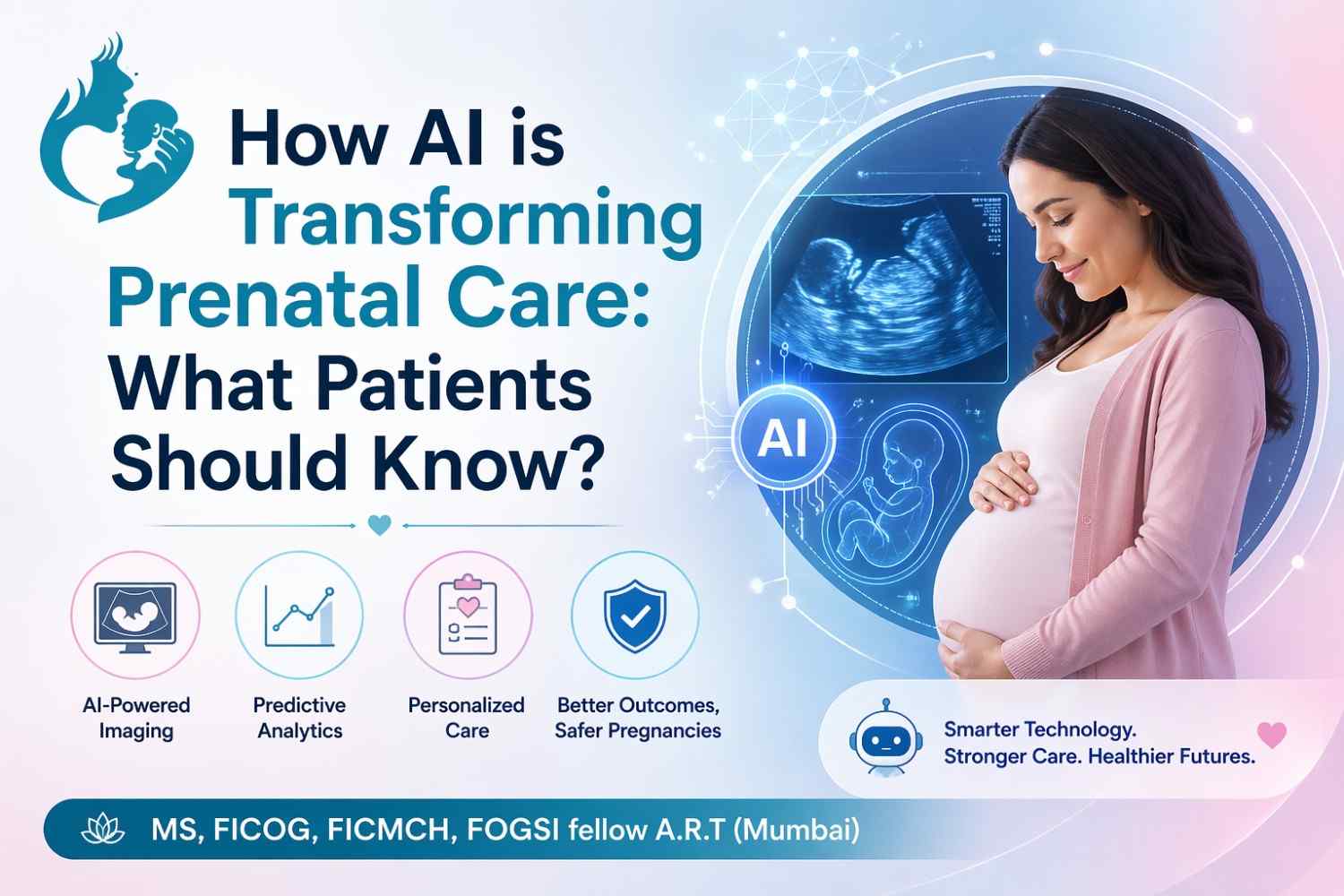
Artificial intelligence in healthcare refers to systems that can analyze medical data, identify patterns, and assist doctors in making informed decisions. In prenatal care, AI is being used to monitor fetal development, predict potential risks, and improve overall maternal health outcomes.

Rather than replacing doctors, AI acts as a support system. It enables healthcare providers to detect issues earlier and offer timely interventions, which is especially critical during pregnancy.

Early Detection of Risks

One of the biggest advantages of AI in prenatal care is its ability to identify complications early. AI-powered tools can analyze ultrasound images, blood test results, and patient history to detect conditions such as gestational diabetes, preeclampsia, or fetal abnormalities.

This early detection allows doctors to create proactive treatment plans. Patients working with the best gynaecologist in South Delhi can expect more precise monitoring and better-informed recommendations throughout their pregnancy.

Personalized Pregnancy Care

Every pregnancy is unique, and AI helps tailor care to individual needs. By analyzing data from thousands of similar cases, AI systems can suggest personalized nutrition plans, lifestyle adjustments, and medical interventions.

For example, wearable devices connected to AI platforms can track vital signs such as heart rate, sleep patterns, and physical activity. These insights help doctors adjust care plans in real time, ensuring both mother and baby stay healthy.

Improved Ultrasound and Imaging Accuracy

AI is significantly enhancing the accuracy of prenatal imaging. Advanced algorithms can detect subtle abnormalities in ultrasound scans that may be missed by the human eye. This not only improves diagnostic precision but also reduces anxiety for expecting parents by providing clearer and more reliable results.

Additionally, AI tools can standardize imaging interpretations, ensuring consistency across different clinics and practitioners.

Better Patient Engagement and Support

AI-powered apps and virtual assistants are also improving patient engagement. These tools provide reminders for appointments, medication schedules, and routine check-ups. They can answer common pregnancy-related questions and offer guidance at any time.

This continuous support helps patients feel more informed and confident throughout their journey, especially when combined with expert care from the best gyno doctor in South Delhi.

What Patients Should Keep in Mind?

While AI offers many benefits, it’s important to remember that it complements—not replaces—medical expertise. Patients should continue to rely on qualified healthcare professionals for final decisions and personalized advice.

It’s also essential to choose healthcare providers who use AI responsibly and maintain strict data privacy standards.

Final Thoughts

AI is revolutionizing prenatal care by making it more proactive, precise, and patient-centered. From early risk detection to personalized treatment plans, these advancements are helping ensure safer pregnancies and healthier outcomes. By combining modern technology with expert medical guidance, expecting mothers can experience a new level of confidence and care throughout their pregnancy journey.

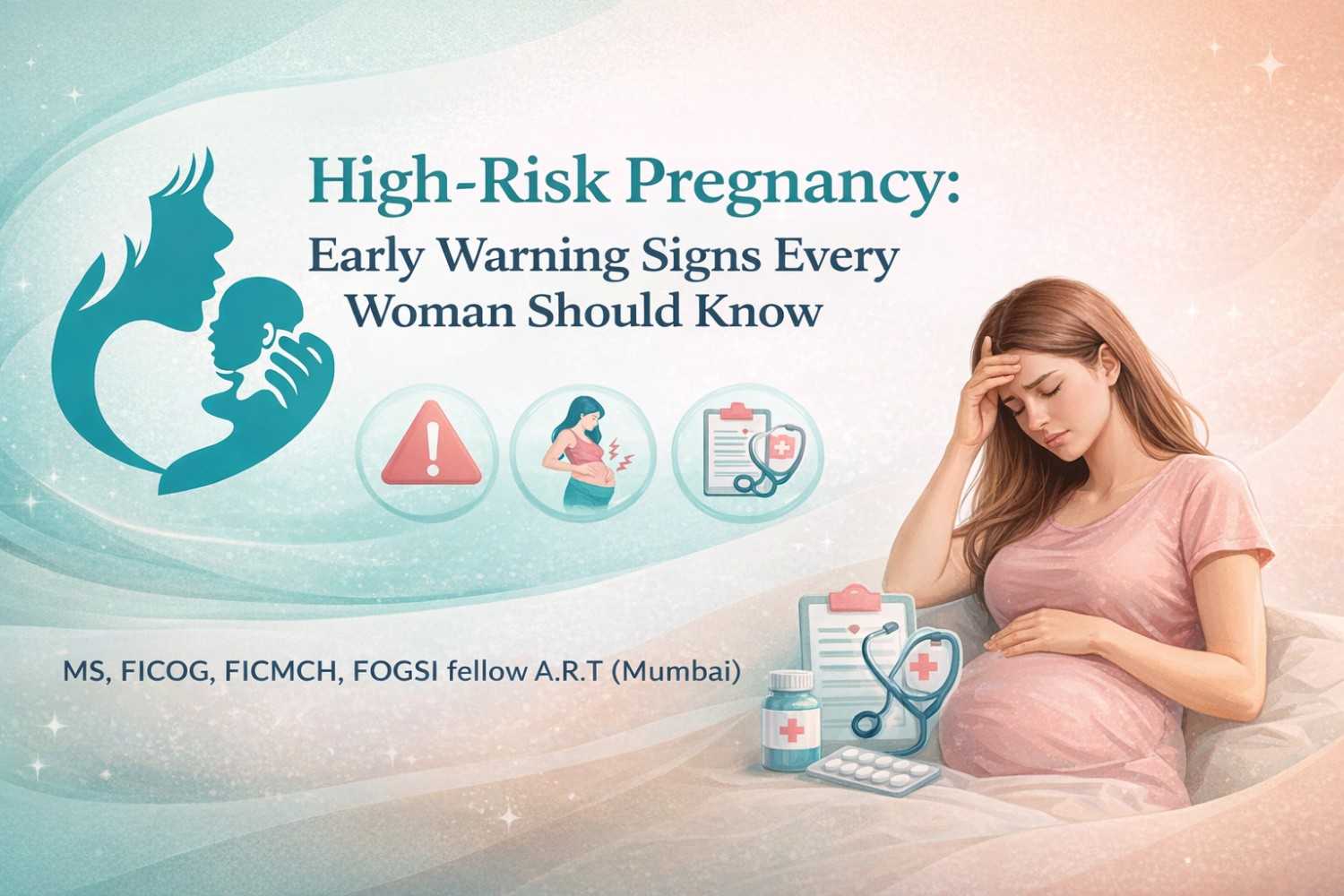
High-Risk Pregnancy: Early Warning Signs Every Woman Should Know

pregnancy doctor in South Delhi

Pregnancy is often described as a beautiful journey, but for some women, it can come with added complications that require special attention. A high-risk pregnancy means that the mother, the baby, or both may face increased health challenges before, during, or after delivery. Consulting the best gynaecologist in South Delhi early on can make a significant difference in identifying risks and ensuring proper care.

What is a High-Risk Pregnancy?

A pregnancy is termed “high-risk” when there are potential complications that could affect the health of the mother or baby. These risks may arise due to pre-existing medical conditions, age (below 17 or above 35), lifestyle factors, or complications that develop during pregnancy, such as gestational diabetes or high blood pressure.

Understanding these risks is not meant to create fear, but to encourage awareness and timely medical intervention.

Early Warning Signs You Should Never Ignore

Recognizing the early signs of a high-risk pregnancy is crucial. Here are some symptoms that require immediate medical attention:

Severe or Persistent Abdominal Pain

Mild discomfort is common, but sharp or ongoing pain could indicate issues like ectopic pregnancy or placental problems.

Heavy Bleeding or Spotting

Light spotting is normal, especially in the early stages of pregnancy. However, heavy bleeding or clots may signal miscarriage or other serious complications.

Severe Headaches and Blurred Vision

These could be early signs of preeclampsia, a condition marked by high blood pressure that can become dangerous if untreated.

Swelling of Hands, Face, or Feet

While slight swelling is normal, sudden or excessive swelling may indicate underlying health issues.

Reduced Baby Movement

Later in pregnancy, a noticeable decrease in fetal movement should never be ignored and must be checked immediately.

Who is More at Risk?

Certain factors increase the likelihood of a high-risk pregnancy:

  • Pre-existing conditions like diabetes, thyroid disorders, or hypertension
  • Conditions like PCOS, where consulting a PCOS doctor in South Delhi becomes essential
  • Multiple pregnancies (twins or more)
  • History of miscarriage or premature birth
  • Lifestyle habits such as smoking or poor nutrition

Regular prenatal check-ups help monitor these risks effectively.

How to Manage a High-Risk Pregnancy?

Managing a high-risk pregnancy requires a combination of medical care and lifestyle adjustments:

Regular Medical Check-ups

Frequent visits to a qualified specialist help track both maternal and fetal health.

Healthy Diet and Hydration

A balanced diet rich in nutrients supports the baby’s development and the mother’s well-being.

Stress Management

Emotional health plays a vital role. Practices like meditation, light exercise, and adequate rest can be beneficial.

Medication and Monitoring

In some cases, doctors may prescribe medications or recommend specific tests to prevent complications.

When to Seek Immediate Help?

If you experience any unusual symptoms such as intense pain, bleeding, dizziness, or sudden swelling, do not delay seeking medical care. Early intervention can prevent complications and ensure a safer pregnancy journey.

Final Thoughts

A high-risk pregnancy does not mean an unhealthy outcome—it simply requires extra care, awareness, and the right medical guidance. Staying informed about early warning signs empowers women to take timely action and protect their health and their baby’s future. Choosing the right pregnancy doctor in South Delhi ensures you receive expert care, personalized attention, and the support you need for a safe and healthy pregnancy.

Why Annual Gynecological Checkups Are More Important Than You Think?

best gynaecologist in South Delhi

When life gets busy, women often put their own health at the bottom of the priority list. Work deadlines, family responsibilities, and social commitments usually come first. But scheduling a yearly visit with the best gynaecologist in South Delhi can be one of the most important decisions you make for your long-term well-being. An annual checkup is not just about addressing problems—it’s about preventing them before they begin.

Many women believe they only need to see a doctor when something feels wrong. However, several gynecological conditions develop silently. Issues like fibroids, ovarian cysts, thyroid imbalances, and even early-stage cervical changes may not show clear symptoms in the beginning. A routine visit to a trusted gynecologist in South Delhi ensures that any hidden concerns are detected early, making treatment simpler and more effective.

Early Detection Can Make All the Difference

Preventive care is powerful. During an annual exam, your doctor may recommend screenings such as a Pap smear, breast examination, pelvic ultrasound, or hormonal tests, depending on your age and medical history. These tests are designed to catch potential health issues before they become serious.

For women dealing with irregular periods, acne, unexplained weight gain, or excessive hair growth, consulting a qualified PCOS doctor in South Delhi during your yearly checkup can help identify conditions like PCOS at an early stage. Early diagnosis allows better lifestyle management and reduces the risk of long-term complications such as diabetes or fertility challenges.

It’s Not Just About Reproductive Health

Gynecological visits are often misunderstood as being relevant only for pregnancy or menstrual concerns. In reality, they cover much more. Your annual appointment is an opportunity to discuss mental health changes, sexual wellness, contraception options, menopause symptoms, and even bone health.

Women in their 20s may focus on cycle regularity and contraception, while women in their 40s and 50s may need guidance on perimenopause and hormonal balance. An experienced gynecologist in Greater Kailash or the nearby area understands these evolving needs and provides guidance tailored to your life stage.

Building a Comfortable Doctor–Patient Relationship

Another overlooked benefit of annual checkups is trust. When you visit the same doctor regularly, you build a relationship based on comfort and understanding. This makes it easier to discuss sensitive concerns without hesitation. Whether it’s unusual discharge, low libido, mood swings, or fertility questions, having a familiar medical professional by your side can make conversations less intimidating.

Consistency also helps your doctor track patterns over time—changes in menstrual cycles, recurring infections, or gradual hormonal shifts are easier to identify when there’s a documented history.

Prevention Is Always Better Than Cure

Certain conditions, like cervical cancer, breast abnormalities, and reproductive infections, can progress quietly. Regular screenings dramatically lower risks through early detection. Even lifestyle advice offered during these visits—regarding diet, exercise, stress management, and supplements—can contribute to long-term health improvements.

Think of your annual gynecological visit as a wellness investment rather than a medical obligation. It empowers you with knowledge about your body and gives you clarity about what is normal and what needs attention.

In the long run, prioritizing your yearly appointment with a trusted gynecologist in South Delhi can save you from unnecessary complications and emotional stress. Your health deserves consistent care, not occasional attention. Annual checkups are not just routine—they are a proactive step toward a healthier, more confident you.

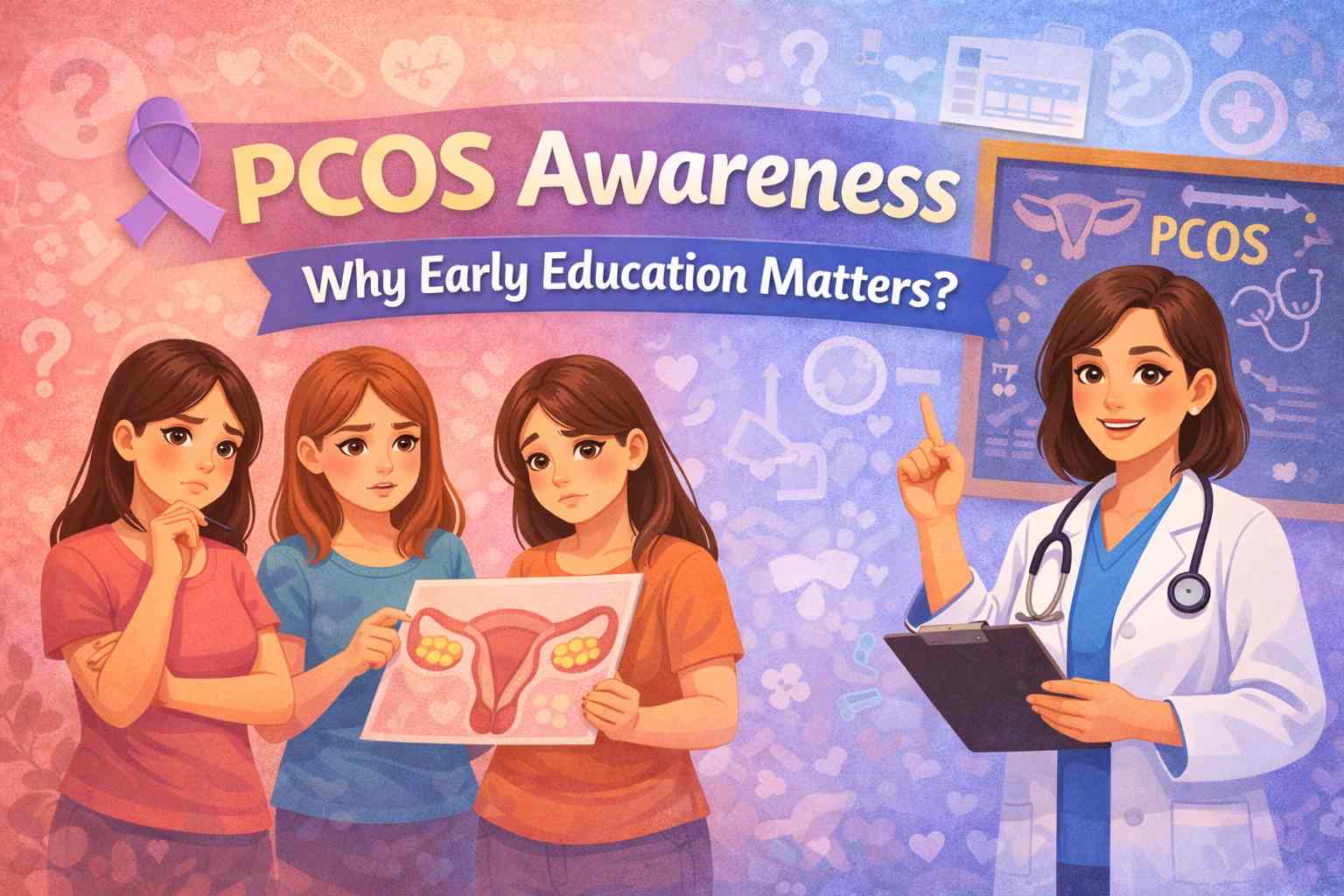
PCOS Awareness: Why Early Education Matters?

Best gynaecologist in South Delhi

Best gynaecologist in South Delhi frequently observe that Polycystic Ovary Syndrome (PCOS) has become increasingly common among women and even teenage girls. Despite its prevalence, many women remain unaware of what PCOS truly is and how early education can significantly impact long-term health. PCOS is a hormonal condition that affects ovarian function, menstrual cycles, and overall metabolic health, making awareness essential from a young age.

What Is PCOS and Why Is It Often Missed?

PCOS is characterized by hormonal imbalance, irregular ovulation, and elevated androgen levels. Common symptoms include irregular or missed periods, acne, excessive facial or body hair, unexplained weight gain, and difficulty conceiving. In adolescents, these signs are often mistaken for normal hormonal changes during puberty, leading to delayed diagnosis. This lack of awareness allows the condition to progress unnoticed, increasing future health risks.

The Importance of Early Education

Early education helps girls and women recognize what is normal and what is not when it comes to menstrual health. When young women understand their bodies, they are more likely to seek medical advice at the right time. Awareness also helps remove the stigma surrounding periods and hormonal disorders, encouraging open discussions at home, in schools, and within communities.

Education empowers women to ask informed questions and make better health decisions. It also helps parents and caregivers identify warning signs early, ensuring timely medical intervention before complications develop.

Managing PCOS Through Timely Care

One of the biggest advantages of early diagnosis is the ability to manage PCOS effectively through lifestyle changes and medical support. Regular exercise, a balanced diet, stress reduction, and proper sleep can significantly improve symptoms. Seeking professional guidance for PCOS treatment in South Delhi allows women to receive personalized care plans that address hormonal balance, menstrual regularity, and fertility concerns.

Early treatment also reduces the risk of associated conditions such as insulin resistance, type 2 diabetes, high cholesterol, and cardiovascular issues.

Mental and Emotional Well-Being

PCOS doesn’t just affect physical health—it can take a toll on emotional well-being too. Issues like body image concerns, anxiety, depression, and fertility-related stress are common. Early counselling and reassurance help women understand that PCOS is manageable and that they are not alone in their journey. Emotional support plays a key role in long-term treatment success.

Building a Healthier Future

Raising awareness about PCOS is about prevention, empowerment, and long-term wellness. Early education enables women to take control of their health before complications arise. With the right guidance and timely intervention from the best gynaecologist in South Delhi, women with PCOS can lead healthy, confident, and fulfilling lives.

Weight Management Strategies for Women with PCOS

PCOS doctor in South Delhi

Polycystic Ovary Syndrome (PCOS) is more than just a reproductive issue; it’s a hormonal condition that frequently makes weight management feel like an uphill battle. The stubborn weight gain is often rooted in insulin resistance, where your body struggles to efficiently use the insulin it produces.

For women dealing with this, getting weight under control is essential not just for how you look, but for regulating menstrual cycles, improving fertility potential, and shielding against future health issues like Type 2 diabetes. Starting this journey with professional advice is crucial; consulting a dedicated PCOS doctor in South Delhi is the smart first step. They can look closely at your unique hormonal picture and design a treatment plan that actually works for you.

The Kitchen Strategy: Calming Insulin Spikes

You don’t need to starve yourself to manage PCOS weight; you need to eat in a way that soothes your insulin levels. This is the heart of the matter.

Prioritize Fiber and Complex Carbs

Think of refined, white carbohydrates (like sugary drinks or white bread) as fueling quick, high insulin spikes. To counter this, swap them out for high-fiber, low-glycemic-index (GI) foods. This includes legumes, most vegetables, oats, and brown rice. Fiber acts like a brake, slowing down sugar absorption and reducing the insulin demand.

Balance Every Plate

Ensure each meal and snack contains lean protein (chicken, fish, paneer, tofu) and healthy fats (nuts, seeds, avocado). This dynamic duo keeps you feeling full longer and drastically helps stabilize blood sugar, minimizing the intense cravings PCOS often triggers.

Don’t Skip Meals

Irregular eating throws your blood sugar into a frenzy. Aim for consistent meal timing to maintain stability and prevent your body from holding onto fat in response to perceived stress or deprivation.

Movement Matters: Exercise for Hormones

Exercise for PCOS should be about hormonal support, not about burning calories in a punishing way. Overtraining can actually increase cortisol (a stress hormone), which works against weight loss.

Embrace Strength Training

Building muscle is non-negotiable. Muscle tissue is significantly more efficient at using glucose, directly improving insulin sensitivity—the main battleground of PCOS. You don’t need heavy weights; bodyweight exercises and resistance bands work great.

Find Joyful Movement

Aim for about 150 minutes of moderate exercise weekly. This could be dancing, a brisk walk in the park, or swimming. Crucially, pick activities you genuinely enjoy so they become a sustainable habit, rather than a dreaded chore. This mindful approach is a key part of effective PCOS treatment in South Delhi.

Lifestyle Anchor: Stress, Sleep, and Support

Hormones are exquisitely sensitive to lifestyle factors. Ignoring sleep or chronic stress is like trying to fix a leak while the tap is still running.

Optimize Your Sleep

Lack of sleep increases the stress hormone cortisol, which directly encourages your body to store fat around the abdomen. Aim for 7 to 9 hours of quality, uninterrupted sleep. Establishing a fixed bedtime routine is powerful medicine.

Master Your Stress

Find sustainable ways to switch off your ‘fight or flight’ mode. Practicing yoga, spending time outdoors, or committing to five minutes of daily deep breathing can lower chronic inflammation and cortisol, helping your body return to a balanced state.

Tackling PCOS weight challenges requires a comprehensive, compassionate strategy. It’s about healing your body from the inside out. For women seeking the highest level of care and diagnostic accuracy, finding the best gynaecologist in South Delhi who specializes in hormonal health will ensure you receive the personalized, science-backed guidance needed to turn your health around. You are not alone in this fight, and with the right strategy and support, real progress is absolutely achievable.

Infertility and Relationships – How to Cope as a Couple?

infertility specialist in Greater Kailash

Infertility can be overwhelming, and it often puts a strain on even the strongest relationships. For couples in Greater Kailash, seeing an infertility specialist in Greater Kailash can be a crucial step in understanding your options and starting treatment. But while medical support is essential, it’s just one part of the journey. How you support each other emotionally and mentally is just as important.

Facing External Pressures

Visiting abortion clinics in Delhi or fertility centers can bring up feelings of confusion and stress. People outside your relationship may offer well-meaning advice that only makes things harder. Family and friends may not understand the depth of your struggle, which can leave you feeling isolated. Acknowledging these pressures and talking about them as a couple can help you stay grounded.

Prioritize Open Communication

Honest, open conversations are vital. Instead of keeping worries to yourself, talk about them. Share your fears and hopes without judgment. Listening to each other helps you feel understood and less alone. Avoid blame and focus on supporting each other.

Protect Your Intimacy

Infertility can overshadow the physical and emotional closeness you once enjoyed. Medical treatments can turn intimacy into something mechanical and stressful. Find ways to reconnect outside of doctor’s visits and treatments. Go on a date, enjoy each other’s company, and rediscover what drew you together in the first place.

Seek Professional Support

Sometimes it helps to bring in an expert. A therapist or counselor who specializes in infertility can provide new perspectives and ways to cope. Couples therapy can strengthen your bond and help you navigate tough conversations. Remember, you don’t have to do this alone.

Find the Right Medical Support

Having a trusted medical partner is just as important. The best gynaecologist in South Delhi can guide you through medical decisions with compassion and expertise. A good doctor can ease your anxiety by helping you understand your options and what’s next.

Manage Financial Stress Together

Infertility treatments can be expensive, adding another layer of stress. Talk openly about your finances. Create a budget that supports your treatment goals without overwhelming your relationship. Being on the same page about money can reduce unnecessary tension.

Nurture Your Relationship

It’s easy to let infertility consume your lives, but remember to take breaks and enjoy your relationship outside of fertility challenges. Do something fun together that has nothing to do with infertility. This helps you remember why you’re in this together and what you love about each other.

Lean on Your Support System

Don’t be afraid to turn to people who care. Whether it’s family, friends, or a support group, having a safe space to talk about what you’re going through can help. Surround yourself with people who lift you up, not those who make you feel judged or misunderstood.

Conclusion

For those navigating these challenges, finding a good gynecologist in South Delhi can provide essential medical support. But just as importantly, remember to take care of your emotional bond as a couple. Infertility doesn’t define you. Working through it together can make your relationship even stronger. Keep talking, keep supporting each other, and remember that you’re in this together.

Early Signs of PCOD Every Woman Should Know

PCOD specialist doctor in South Delhi

Polycystic Ovarian Disease (PCOD) is more common than we think, yet often remains undiagnosed for years. For many women, the signs appear subtly and slowly, blending into everyday life and making it hard to recognize that something’s off. That’s why early awareness is key. If you’re starting to notice unusual changes in your body, it might be time to consult a PCOD specialist doctor in South Delhi who can help you understand what’s really going on.

What Are the Early Signs of PCOD?

1.     Irregular Periods

This is one of the most common and early signs of PCOD. Your menstrual cycle may stretch out unusually long, or you may skip periods altogether. For some women, the flow becomes abnormally heavy or very light. If your periods have never been regular or suddenly become inconsistent, it’s worth paying attention.

2.     Unexplained Weight Gain

Many women with PCOD notice sudden weight gain, especially around the abdomen. The frustrating part is that it often happens without any change in diet or lifestyle. This happens due to hormonal imbalances, particularly insulin resistance, which is a common feature of PCOD.

3.     Persistent Acne or Oily Skin

We all get the occasional breakout, but if you’re dealing with constant acne well into your adult years, especially around the jawline or chin, it could be hormonal. PCOD-related acne tends to be stubborn and doesn’t respond well to over-the-counter products.

4.     Thinning Hair or Hair Loss

Another early sign of PCOD is hair thinning or excessive hair fall. You might notice more strands on your pillow, in your brush, or even visible scalp patches. On the flip side, many women also experience excess facial or body hair—something they’ve never had to deal with before.

5.     Mood Swings and Fatigue

Hormonal imbalances caused by PCOD can affect your mood significantly. You may feel anxious, irritable, or even slightly depressed without knowing why. Fatigue is also a common symptom—feeling tired even after a full night’s sleep is a red flag worth noting.

6.     Dark Patches on the Skin

Some women develop dark, velvety patches of skin, usually around the neck, underarms, or inner thighs. This condition, known as acanthosis nigricans, is often linked to insulin resistance—a frequent companion of PCOD.

7.     Difficulty Getting Pregnant

One of the most heart-wrenching signs of PCOD comes when a woman starts trying for a baby and realizes that conceiving is harder than expected. PCOD can disrupt ovulation, making it more difficult to get pregnant naturally.

Recognizing these signs early and seeking proper medical advice can make a world of difference. PCOD is manageable, especially when diagnosed early. Lifestyle changes, the right medication, and regular check-ups can help you regain control of your health.

If any of these symptoms feel familiar, don’t ignore them. It’s not just “in your head” or something you should push through. Your body is trying to tell you something important. For proper diagnosis and treatment, consult the best gynaecologist in South Delhi who can guide you on your journey toward better health and balance.