When Is Abortion Considered Safe? A Complete Guide

best abortion clinic in Delhi

Deciding to end a pregnancy is deeply personal, and for many women, safety is the top concern. Whether you’re exploring options or seeking clarity, understanding when abortion is considered safe can help you make an informed choice. If you’re consulting a best abortion clinic in Delhi, one of the first things doctors will explain is that safety largely depends on timing, method, and proper medical supervision.

Understanding Safe Timing for Abortion

Abortion is generally safest when performed early in pregnancy. Most procedures carried out within the first trimester (up to 12 weeks) have a very low risk of complications. In fact, early-stage abortions are among the safest medical procedures when done under the guidance of a qualified professional.

There are two primary methods:

  • Medical abortion (using prescribed pills): Usually recommended up to 9 weeks of pregnancy.
  • Surgical abortion: Performed in a clinical setting and can be done safely in both early and slightly later stages, depending on medical advice.

As pregnancy progresses, the procedure may become more complex, which is why early consultation is always encouraged.

Factors That Determine Safety

Abortion safety isn’t just about timing; it also depends on several key factors:

  • Qualified healthcare provider: A trained gynecologist ensures the procedure is done correctly and safely.
  • Proper medical environment: Clean, well-equipped clinics reduce the risk of infection.
  • Accurate diagnosis: Confirming gestational age and overall health is essential before proceeding.
  • Follow-up care: Post-procedure monitoring helps ensure complete recovery.

Visiting a trusted facility, such as the best abortion clinic in South Delhi, ensures these standards are met, giving you both medical safety and emotional reassurance.

Medical vs. Surgical Abortion: What’s Safer?

Both methods are considered safe when performed under proper guidance. Medical abortion is less invasive and can be done at home under supervision, but it requires strict adherence to instructions. Surgical abortion, on the other hand, is quicker and completed in a clinical setting, often with immediate confirmation that the procedure is successful.

Your doctor will recommend the best option based on your pregnancy stage, health condition, and personal preference.

Common Concerns About Safety

It’s natural to worry about risks, but complications are rare when abortion is performed legally and medically. Some mild side effects like cramping, bleeding, or nausea are normal and temporary. Serious complications are uncommon and usually linked to unsafe or unregulated procedures.

That’s why avoiding unverified sources or self-medication without guidance is crucial. Professional consultation ensures both physical and mental well-being.

Special Health Considerations

Women with certain conditions, such as hormonal imbalances or reproductive disorders, may require extra care. For instance, those dealing with PCOD should consult a PCOD specialist doctor in South Delhi before proceeding. A specialist can assess hormonal health and guide the safest approach tailored to your body.

Emotional and Mental Well-being

Safety isn’t just physical; it’s emotional too. Making this decision can bring a mix of feelings, from relief to anxiety. Speaking openly with a doctor or counselor can help you process these emotions and feel more supported throughout the journey.

When to Seek Immediate Medical Help?

After an abortion, it’s important to watch for warning signs such as:

  • Excessive bleeding (soaking multiple pads in an hour)
  • Severe abdominal pain
  • High fever
  • Unusual discharge

Seek medical attention immediately if you encounter any of these problems. Prompt care can prevent complications and ensure a smooth recovery.

Final Thoughts

Abortion is considered safe when it is done early, under medical supervision, and in a hygienic setting. The key is not to delay seeking professional advice. Every woman’s situation is different, and personalized care makes all the difference.

If you’re unsure, don’t rely on guesswork; consult a qualified doctor who can guide you with clarity, compassion, and confidentiality. Making an informed decision is the first step toward protecting your health and well-being.

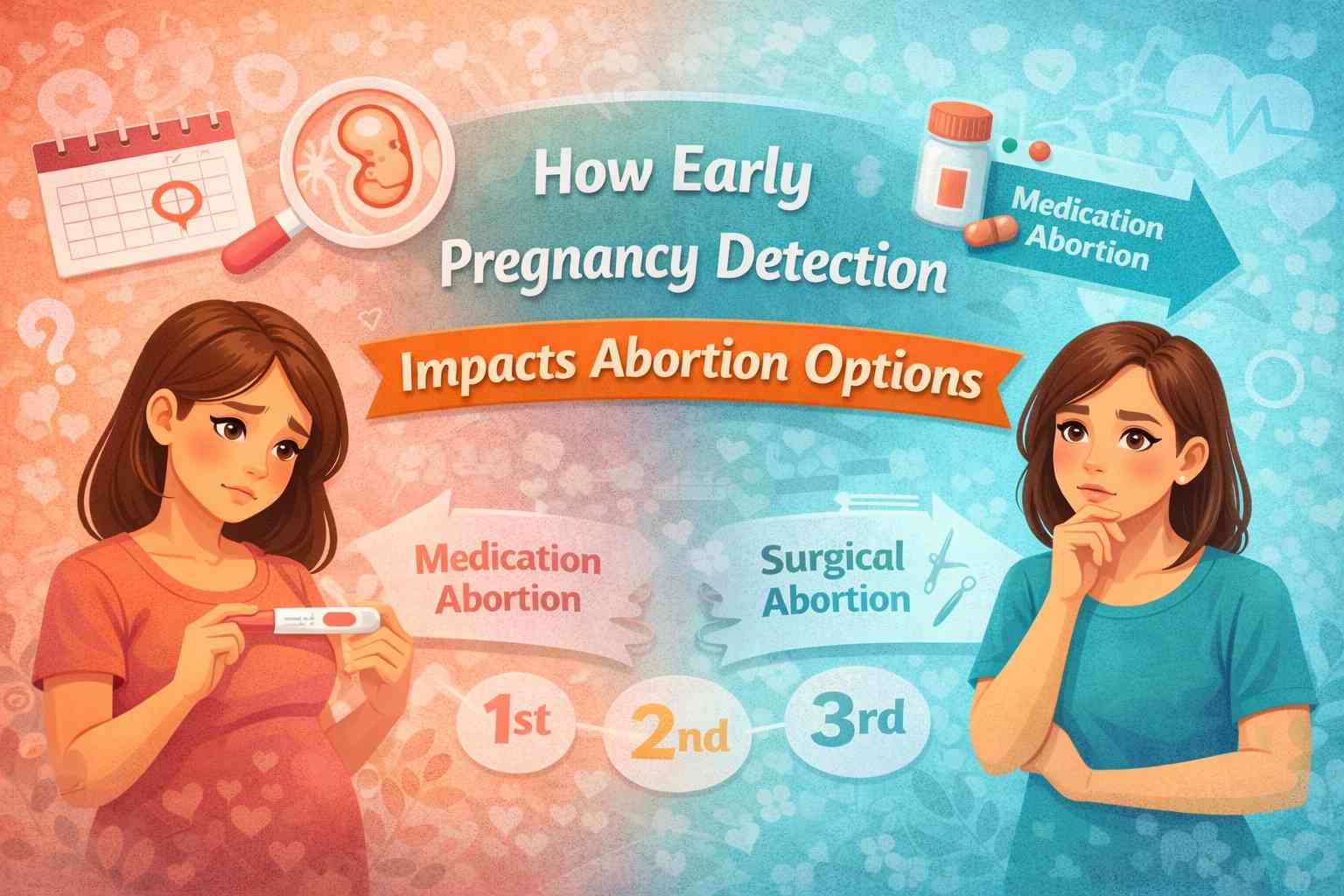
How Early Pregnancy Detection Impacts Abortion Options

abortion clinic in Delhi

Finding a trusted abortion clinic in Delhi often starts with early pregnancy awareness. Detecting pregnancy at an early stage gives women more control, safer choices, and better medical guidance. The timing of detection directly influences the type of abortion available, recovery experience, and overall well-being.

Why Early Pregnancy Detection Matters?

Early pregnancy detection usually happens within the first few weeks after a missed period. At this stage, the body has undergone minimal hormonal and physical changes, making medical management simpler and safer. Early awareness allows women to explore their options calmly rather than feeling rushed due to advancing gestation.

Medical experts consistently stress that early diagnosis reduces health risks and opens the door to less invasive procedures.

Expanded Abortion Options in Early Stages

When pregnancy is identified early, women may be eligible for medication-based abortion methods. These options are non-surgical, discreet, and effective when supervised by a qualified medical professional. Consulting the best gynecologist in South Delhi during this phase ensures correct evaluation, safe administration, and emotional reassurance throughout the process.

Early options generally involve shorter recovery times, fewer complications, and minimal disruption to daily life.

Legal and Medical Advantages of Timely Detection

Indian abortion laws outline gestational limits for different procedures. Early pregnancy confirmation ensures women remain well within legal boundaries, avoiding unnecessary stress or delays. It also allows doctors to recommend the safest medical approach based on individual health conditions.

Timely detection enables clinics to provide complete counseling, address concerns, and plan the procedure responsibly without urgency.

Emotional Well-Being and Informed Decision-Making

Beyond physical safety, early detection supports emotional stability. Women are given more time to understand their situation, weigh personal circumstances, and make confident decisions. This window allows discussions with healthcare providers and access to mental health support if needed.

Many women report feeling more empowered when decisions are made early, without the pressure of limited options.

Access to Trusted and Safe Healthcare Facilities

Early diagnosis improves access to reputable medical facilities, including a certified abortion centre in Delhi that prioritizes patient safety, confidentiality, and ethical care. Early visits allow healthcare teams to offer comprehensive guidance, follow-up care, and preventive health advice for the future.

Such centers are better equipped to manage early procedures efficiently and compassionately.

Long-Term Health and Recovery Benefits

Early abortion procedures are associated with faster physical recovery and lower risk of complications. Women can return to their routines sooner and experience less physical discomfort. Follow-up care is also simpler when procedures are performed in early stages.

Ultimately, early pregnancy detection empowers women with choice, safety, and peace of mind when seeking care from the best abortion clinic in South Delhi.

Abortion Pills: Everything You Need to Know Before Taking Them

best gynecologist in South Delhi

Making the decision to have an abortion is deeply personal and can come with a mix of emotions and concerns. If you’re considering a medical abortion, it’s important to understand the process, safety, and what to expect. Consulting the best gynecologist in South Delhi can help you make an informed decision while ensuring your health and well-being. In this guide, we’ll cover everything you need to know about abortion pills, their effectiveness, possible side effects, and when to seek medical help.

What Are Abortion Pills?

Abortion pills, also known as medical abortion, involve taking medications to terminate a pregnancy. The most commonly used drugs are Mifepristone and Misoprostol. These medications work together to induce abortion in the early weeks of pregnancy (usually up to 10 weeks).

  • Mifepristone (RU-486): This pill blocks progesterone, a hormone needed for pregnancy to continue. Without progesterone, the lining of the uterus breaks down, preventing the embryo from growing.
  • Misoprostol: Taken 24 to 48 hours after Mifepristone, this medication causes the uterus to contract and expel the pregnancy, similar to a miscarriage.

How Effective Are Abortion Pills?

When taken correctly, abortion pills have a success rate of 95-98% in terminating early pregnancies. However, the effectiveness can depend on how far along the pregnancy is and whether the medications are taken as prescribed. In some cases, a follow-up visit to a healthcare provider is necessary to ensure the abortion is complete.

What to Expect After Taking Abortion Pills?

A medical abortion is a process, and it’s essential to be prepared for what follows:

Bleeding and Cramping

  • Expect heavy bleeding and cramping after taking Misoprostol. This is a sign that the abortion process has begun.
  • Bleeding may continue for anywhere between a few days and up to two weeks.

Other Side Effects

  • Nausea, vomiting, diarrhea
  • Fever and chills
  • Fatigue and dizziness

These side effects typically fade within a few hours to days. If they continue or become more severe, consult a healthcare professional.

Who Should Avoid Abortion Pills?

Medical abortion may not be suitable for everyone. Avoid taking abortion pills if you:

  • Have an ectopic pregnancy (pregnancy outside the uterus)
  • Have a bleeding disorder or take blood-thinning medications
  • Have severe anemia
  • Are allergic to Mifepristone or Misoprostol

When to Seek Medical Help?

While abortion pills are generally safe, complications can arise. Contact a doctor immediately if you experience:

  • Heavy bleeding (saturating more than two pads per hour for two consecutive hours)
  • High fever (above 101°F) lasting more than 24 hours
  • Severe abdominal pain that doesn’t improve with painkillers
  • Foul-smelling discharge (a sign of infection)

Recovery and Aftercare

After a medical abortion, it’s crucial to:

  • Get adequate rest and stay hydrated
  • Refrain from lifting heavy objects or engaging in strenuous activities for a few days.
  • Refrain from sexual intercourse and tampon use for at least two weeks to prevent infections
  • Schedule a follow-up visit with a healthcare provider

Choosing the Right Medical Support

If you’re considering a medical abortion, always consult experienced healthcare professionals. The best abortion clinic in South Delhi will provide safe, confidential, and compassionate care, ensuring your physical and emotional well-being. Remember, your health comes first, and having the right guidance makes all the difference.

What Are the Most Common Causes of PCOD?

What Are the Most Common Causes of PCOD?

PCOD, or Polycystic Ovary Syndrome brings up a lot of unanswered questions. It’s a hormonal disorder affecting millions of women globally. This condition can cause a variety of symptoms including irregular periods, unwanted hair growth, and weight struggles. Consulting a PCOD specialist doctor in South Delhi is necessary if you experience these signs. But what exactly triggers it? The truth is, that the exact cause of PCOD remains a bit of a puzzle, but researchers have identified some key ones. Let’s delve into the most common factors behind this condition.

Common Causes of PCOD You Should Know

The Insulin Connection

Our bodies use insulin, a hormone, to regulate blood sugar levels. In women with PCOD, there’s often a glitch in this system. The body might produce excess insulin, or it might become resistant to its effects. This insulin imbalance can disrupt ovulation and boost androgen production (male hormones) in the ovaries, leading to the characteristic symptoms of PCOD.

The Genetic Link

PCOS can run in families, suggesting a genetic predisposition. If you have a close relative with the condition, you’re more likely to develop it yourself. Researchers are actively exploring the specific genes involved, hoping to unlock a deeper understanding of PCOD’s origins.

The Inflammation Factor

Recent studies suggest low-grade inflammation, a simmering immune response in the body, might play a role in PCOD. This inflammation can further increase androgen production and worsen insulin resistance, creating a vicious cycle.

The Weight Factor

While not the sole cause, weight gain is a common feature of PCOD. Excess fat tissue can contribute to insulin resistance, fueling hormonal imbalances. It’s important to remember, however, that PCOD can affect women of all body types.

The Lifestyle Factors

Certain lifestyle factors can influence your risk of PCOD. Chronic stress, for example, can disrupt hormonal balance. Maintaining a healthy weight through a balanced diet and regular exercise can be incredibly beneficial in managing PCOD symptoms.

How to Manage PCOD?

It’s important to understand that PCOD likely isn’t caused by a single factor, but rather a complex interplay of these elements. While the exact cause remains under investigation, this knowledge empowers women to take control. Here’s what you can do:

Talk to your doctor

Discuss your family history and any symptoms you’re experiencing with a PCOD specialist doctor in South Delhi. Early diagnosis and management are crucial.

Embrace a healthy lifestyle

Prioritize a balanced diet, regular exercise, and stress management techniques. These can significantly improve your well-being.

Stay informed

There’s ongoing research in PCOD. Talk to your doctor or join support groups to stay updated on the latest developments.

PCOD might throw a curveball, but understanding the potential causes empowers you to navigate the journey. Remember, you’re not alone. With the right knowledge and support, you can manage PCOD and live a fulfilling life.

Dr. Ruchi Tandon is a PCOD specialist in Greater Kailash. She also owns the best abortion clinic in South Delhi.

Medical Abortion – What You Should Know

Medical Abortion - What You Should Know

In recent years, the landscape of reproductive healthcare has evolved, offering women more choices and autonomy over their bodies. One such option gaining prominence is medical abortion, a safe and effective method for terminating early pregnancies. Especially, when done in the best abortion clinic in South Delhi. In this blog post, we will explore what medical abortion is, its process, benefits, and considerations.

Understanding Medical Abortion

Medical abortion, also known as non-surgical abortion, involves the use of medication to terminate a pregnancy. It is typically recommended for pregnancies up to 10 weeks gestation. The two primary medications used in this process are mifepristone and misoprostol (should only be taken under the prescription of a good gynecologist in South Delhi). Mifepristone is taken first, blocking the hormone progesterone necessary for pregnancy. Misoprostol is then taken 24 to 48 hours later to induce contractions and expel the uterine contents.

Benefits of Medical Abortion

Non-Invasive

Unlike surgical procedures, medical abortion does not require anesthesia or invasive techniques. It allows women to undergo the process in the comfort of their homes under the guidance of healthcare professionals.

Privacy and Confidentiality

Medical abortion provides a more private and confidential option for women who may prefer to keep their reproductive choices discreet. This contributes to a sense of control over the decision-making process.

Reduced Risk of Infection

Since medical abortion does not involve surgical instruments entering the body, the risk of infection is minimized. This makes it a safer option for many women, especially in regions with limited access to healthcare facilities. However, regular appointments with a good gynecologist in South Delhi may be required during the initial stages.

Considerations and Precautions

Medical Supervision

While medical abortion can be done at home, it is crucial to have access to medical supervision. Healthcare professionals can provide guidance, monitor the process, and intervene if necessary. In this first place, it is advised to undergo the process in the best abortion clinic in South Delhi.

Gestational Limitations

Medical abortion is often advised during the early stages of pregnancy. It is essential for women to be aware of the gestational limit within which this method is considered safe and effective.

Aftercare

Adequate aftercare is necessary to monitor any potential complications. Women should follow up with a gynecologist in Greater Kailash and be aware of warning signs that may indicate the need for medical attention.

Conclusion

Medical abortion represents a significant stride in reproductive healthcare, affording women the autonomy to make choices that align with their circumstances and beliefs. As with any medical procedure, it is crucial to approach it with informed decision-making and under the guidance of healthcare professionals.

By understanding the process, benefits, and considerations associated with medical abortion, women can make empowered choices that prioritize their health and well-being. Ultimately, the availability of diverse reproductive options contributes to a more inclusive and compassionate healthcare landscape.

Challenges and Solutions to Abortion – A Comprehensive Guide

Challenges and Solutions to Abortion - A Comprehensive Guide

The topic of abortion has long been a contentious issue, sparking intense debates and discussions around the world. As societies evolve, so do perspectives on reproductive rights, leading to a complex landscape of challenges and potential solutions. It is always a good idea to find the best abortion clinic in South Delhi for proper guidance and safe procedures. This blog will see some of the challenges and solutions to abortion.

Challenges to Abortion

Legal and Legislative Hurdles

One of the foremost challenges in the abortion debate lies in the legal and legislative frameworks that govern reproductive rights. In many regions, restrictive laws hinder access to safe and legal abortion services, placing a burden on women seeking to make personal choices about their bodies.

Stigma and Social Taboos

Abortion often carries a heavy societal stigma, making it difficult for individuals to discuss their experiences openly. This stigma can result in feelings of isolation and shame, contributing to the perpetuation of misinformation and misunderstanding surrounding the topic. In such cases, take the advice of the best Gynecologist in Greater Kailash.

Access to Safe and Affordable Services

Availability and affordability of safe abortion services remain a significant challenge, particularly in low-income communities. Limited access to healthcare facilities equipped to provide proper reproductive care can lead to unsafe practices, risking the health and lives of individuals seeking abortion. Thus, always find a safe and trustworthy abortion clinic in South Delhi.

Solutions to Abortion

Comprehensive Sex Education

Education plays a pivotal role in addressing challenges related to abortion. Implementing comprehensive sex education programs can empower individuals with the knowledge to make informed decisions about their reproductive health, reducing unintended pregnancies and the need for abortion.

Legal Reforms and Advocacy

Advocacy for legal reforms is crucial to ensuring that women have the right to make decisions about their bodies. Activists and organizations working towards reproductive rights play a pivotal role in challenging restrictive laws and advocating for policies that prioritize women’s health and autonomy.

Destigmatization Campaigns

Efforts to destigmatize abortion are essential in creating an environment where individuals feel safe discussing their experiences. Public awareness campaigns and storytelling initiatives can humanize the experiences of those who have undergone abortions, fostering empathy and understanding.

Increased Access to Healthcare Services

Improving access to affordable and comprehensive healthcare services, including reproductive healthcare, is vital. This involves not only expanding the availability of abortion services but also addressing broader healthcare disparities to ensure that individuals can access the care they need. Find the Best Gynecologist in Greater Kailash for the right advice and safe abortion.

Supportive Community Networks

Building supportive community networks can provide individuals facing unplanned pregnancies with the emotional and practical support they need. This includes fostering open dialogue, creating safe spaces for discussion, and connecting individuals with resources and guidance.

Safe Abortion – A Quick Guide

Safe Abortion - A Quick Guide

In a world where reproductive rights are at the forefront of social and political discussions, understanding safe abortion is crucial. Safe abortion is not just a medical procedure; it’s a complex intersection of healthcare, legislation, and societal attitudes.

It is always carried out in the best abortion clinic in South Delhi. In this quick guide, we’ll explore key aspects of safe abortion, shedding light on the medical, legal, and ethical dimensions of this critical reproductive choice.

The Importance of Accessible Healthcare: Ensuring Safe Abortion Services

Access to safe abortion services is a fundamental aspect of reproductive rights. Lack of accessibility can lead individuals to seek unsafe alternatives, jeopardizing their health and well-being. Advocacy for accessible healthcare is not merely a call for medical services but a demand for autonomy over one’s body and reproductive choices.

Legal Landscape: Navigating Abortion Laws

Abortion laws vary globally, and staying informed about the legal landscape is essential. Some regions embrace progressive policies, guaranteeing the right to safe abortion, while others impose restrictive measures. Understanding local laws is vital for individuals and healthcare providers alike, ensuring compliance and promoting reproductive rights within the confines of legal frameworks. The Best Gynecologist in Greater Kailash can guide you with this better.

Medical Advances: Exploring Safe Abortion Procedures

Advancements in medical technology have transformed abortion procedures, making them safer and more accessible. From medication abortions to minimally invasive surgical techniques, individuals now have a range of options tailored to their specific needs. Knowledge about these procedures empowers individuals to make informed choices about their reproductive health.

Destigmatizing Abortion: Fostering Supportive Societal Attitudes

One of the significant challenges in the realm of safe abortion is the persistent stigma associated with it. Destigmatizing abortion involves fostering open conversations, challenging misconceptions, and promoting empathy. Creating a supportive societal environment is crucial for those seeking safe abortion services or the best abortion clinic in South Delhi, ensuring they are met with understanding rather than judgment.

Mental Health Considerations: Navigating Emotional Well-being

The decision to undergo an abortion can evoke a range of emotions, and prioritizing mental health is paramount. Healthcare providers play a crucial role in offering comprehensive support, including counseling services. Acknowledging the emotional aspects of abortion is integral to holistic healthcare, ensuring that individuals feel heard and supported throughout the process.

Conclusion

Safe abortion is not just a medical procedure; it’s a facet of reproductive freedom that intersects with legal, societal, and emotional dimensions. Empowering individuals with information, fostering supportive environments, and advocating for accessible healthcare are essential steps toward ensuring that safe abortion remains a fundamental right for everyone.

In the journey towards reproductive justice, knowledge is power, and compassion is key. To know more, consult Dr. Ruchi Tandon, the best gynecologist in Greater Kailash.

A Quick Guide on Different Methods of Abortions

Abortion is a sensitive and complex topic that involves terminating a pregnancy. There are different types of abortion procedures available, which may vary depending on the stage of pregnancy and the woman’s individual circumstances. However, it is important to find the best abortion clinic in Delhi before opting for the procedure. Besides this, it is also necessary to find the best gynecologist in Delhi for the same. Here, we will discuss different methods of abortion.

Different Types of Abortion Methods

Medical Abortion

Medical abortion, also known as the abortion pill, is a non-surgical procedure used to terminate early pregnancies, typically up to 10 weeks gestation. It involves taking a few medications that work together to induce a miscarriage. One medicine is taken orally at the clinic followed by another one at home, usually within 24 to 48 hours later. This method is generally safe and effective, with the process resembling a heavy menstrual period. The medicine must be taken after guidance.

Aspiration Abortion

Aspiration abortion also referred to as suction or vacuum aspiration, is a common method used in the first trimester (up to 12 weeks) of pregnancy. It involves dilating the cervix and using a suction device to remove the contents of the uterus. This procedure can be performed in a healthcare provider’s office, clinic, or hospital setting. It is typically a quick procedure, lasting about 5-10 minutes, and recovery time is relatively short.

Dilation and Curettage (D&C)

D&C is a surgical abortion method used in the first trimester or early second trimester of pregnancy (up to 16 weeks). It involves dilating the cervix and removing the pregnancy using a suction device and a curette (a spoon-shaped instrument). The procedure is usually performed under local or general anesthesia in a clinic or hospital. D&C may be recommended in cases where the pregnancy has stopped developing or if there are certain complications.

Dilation and Evacuation (D&E)

D&E is a surgical procedure used for second-trimester abortions (from around 13 to 24 weeks gestation). It involves dilating the cervix and using suction and surgical instruments to remove the pregnancy. This procedure is usually performed in a hospital under general anesthesia. D&E may be necessary in cases where the pregnancy poses risks to the woman’s health or if there are fetal abnormalities.

Induction Abortion

Induction abortion is a method used in the second or third trimester of pregnancy (typically after 24 weeks) when the pregnancy is no longer viable or poses significant risks to the woman’s health. It involves the administration of medication to induce labor and deliver the fetus. This procedure is typically performed in a hospital, where the woman is closely monitored throughout the process.

The legality and availability of the procedure varies by country. These procedures are performed after proper documentation by experienced gynecologists. If you are looking for the best abortion clinic in South Delhi, consult Dr. Ruchi Tandon.

After Abortion Care – What You Should Know

Abortion sometimes becomes necessary considering the overall health of the expecting mother. While on the other hand, in some cases, there are personal reasons. However, abortion is not as taboo as our society thinks. Well, we will talk about some reasons for abortion in another post, here, our focus is to discuss the care one needs after abortion. The first and most important thing you need to do is find the best abortion clinic in south Delhi.

Let us now see what you should do after undergoing an abortion.

Care You Need After Abortion

After undergoing an abortion, it is important to take care of yourself both physically and emotionally. Here are some of the aftercare guidelines:

Rest and take it easy

It is normal to feel tired and emotional after an abortion. Take some time off work and enough rest.

Follow your doctor’s instructions

Your doctor will provide you with specific instructions on how to care for yourself after the abortion. Follow these instructions given carefully.

Avoid strenuous activity

Avoid any strenuous physical activity for at least a week after the abortion, and avoid lifting heavy objects.

Avoid Intercourse

You should avoid having sex for at least two weeks after the abortion, or until your doctor gives you the green light. 

Watch for signs of complications

Call your doctor if you experience heavy bleeding, fever, or severe abdominal pain.

Take care of your emotional health

It is common to experience a range of emotions after an abortion, including sadness, guilt, and anxiety. Take care of your emotional health by talking to a trusted friend or family member, seeking counseling, or joining a support group.

Remember, every woman’s experience is different, and it is important to follow your doctor’s specific instructions for aftercare.

What Are the Common Side Effects After Abortion?

After an abortion, there can be a range of physical and emotional side effects. Some of the common physical side effects of abortion include:

Bleeding

Bleeding and cramping after an abortion is normal. The bleeding may be heavy and last for several days to several weeks.

Pain

You may experience abdominal pain and cramps after an abortion. Pain medication may be prescribed to relieve the painful symptoms.

Infection

There is a risk of infection after an abortion. Signs of infection include fever, chills, and abdominal pain.

Nausea and vomiting

Some women may experience nausea and vomiting after an abortion.

Fatigue

You may feel tired and weak after an abortion.

Changes in the menstrual cycle

It is common to experience changes in your menstrual cycle after an abortion.

Emotional side effects

Many women experience emotional side effects after an abortion, such as guilt, sadness, and anxiety.

It is important to follow the instructions of your healthcare provider after an abortion to minimize the risk of complications and manage any side effects that may occur. If you experience severe or persistent symptoms contact Dr. Ruchi Tandon. She owns the best abortion clinic in south Delhi.

Painful periods in the covid 19 pandemic era

About dysmenorrhea

Menstruation occurs when the uterus sheds its lining once a month. Some pain, cramping, and discomfort during menstrual periods is normal. Excessive pain that causes you to miss work or school is not.

Painful menstruation is also called dysmenorrhea. There are two types of dysmenorrhea: primary and secondary.

Primary dysmenorrhea occurs in people who experience pain before and during menstruation. If you’ve had normal periods that become painful later in life, it may be secondary dysmenorrhea. A condition affecting the uterus or other pelvic organs, such as endometriosis or uterine fibroids, can cause this.

What are the causes?

It’s not always possible to identify the cause of painful menstrual periods. Some people are just at a higher risk of having painful periods.

These risks include:

  • being under age 20
  • having a family history of painful periods
  • smoking
  • having heavy bleeding with periods
  • having irregular periods
  • never having had a baby
  • reaching puberty before age 11

A hormone called prostaglandin triggers muscle contractions in your uterus that expel the lining. These contractions can cause pain and inflammation. The level of prostaglandin rises right before menstruation begins.

Painful menstrual periods can also be the result of an underlying medical condition, such as:

  • Premenstrual syndrome or PMS is a common condition that’s caused by hormonal changes in the body occurring 1 to 2 weeks before menstruation begins. Symptoms typically go away after bleeding begins.
  • Endometriosis .This is a painful medical condition in which cells from the lining of the uterus grow in other parts of the body, usually on the fallopian tubes, ovaries, or tissue lining the pelvis.
  • Fibroids are noncancerous tumors that can put pressure on the uterus or cause abnormal menstruation and pain, though they often don’t cause symptoms.
  • Pelvic inflammatory disease. PID is an infection of the uterus, fallopian tubes, or ovaries often caused by sexually transmitted bacteria that cause inflammation of the reproductive organs and pain.
  • This is a rare condition in which the uterine lining grows into the muscular wall of the uterus, causing inflammation, pressure, and pain. It can also cause longer or heavier periods.
  • Cervical stenosis. Cervical stenosis is a rare condition in which the cervix is so small or narrow that it slows menstrual flow, causing an increase of pressure inside the uterus that causes pain.

Home treatment

At-home treatments can be helpful in relieving painful menstrual periods. Types of things to try at home include:

using a heating pad on your pelvic area or back

massaging your abdomen

taking a warm bath

doing regular physical exercise

eating light, nutritious meals

practicing relaxation techniques or yoga

taking anti-inflammatory medications such as ibuprofen several days before you expect your period

taking vitamins and supplements such as:

  • Vitamin B6
  • Vitamin B1
  • Vitamin E
  • Omega 3 fatty acid
  • Calcium
  • Magnesium
  • raising your legs or lying with your knees bent
  • reducing your intake of salt, alcohol, caffeine, and sugar to prevent bloating

Dr. Ruchi Tandon, is a specialist Gynecologist , practicing in leading hospitals in South Delhi namely Max Smart superspeciality hospital ,saket, Apollo hospitals , with over 13 years experience in handling all kinds of period problems.