Missed or delayed period in Covid 19 pandemic

If you don’t have any known condition affecting your menstrual cycle, your period should start within 30 days of the start of your last period.

A period is officially considered late if it’s been more than 30 days since the start of your last period. After six weeks without bleeding, you can consider your late period a missed period.

Several things can delay your period, from basic lifestyle changes to chronic health conditions. Here’s a look at 10 potential culprits.

1. You’re stressed out

Your body’s stress response system is rooted in a part of your brain called the hypothalamus. While you may no longer be running from predators, your body is still hardwired to react as if you were.

When your stress level peaks, your brain tells your endocrine system to flood your body with hormones that switch on your fight-or-flight mode. These hormones suppress functions that aren’t essential to escaping an imminent threat, including those of your reproductive system.

If you’re under a lot of stress, your body can stay in fight-or-flight mode, which can make you temporarily stop ovulating. This lack of ovulation, in turn, can delay your period.

2. You’ve lost or gained weight

Severe changes in body weight can screw with your period’s timing. Extreme increases or decreases in body fat, for example, can lead to a hormonal imbalance that causes your period to come late or stop entirely.

In addition, severe calorie restriction affects the part of your brain that “talks” to your endocrine system, giving instructions for the production of reproductive hormones. When this communication channel is disrupted, hormones can get out of whack.

3. You’ve upped your workout intensity

A strenuous exercise regimen can also cause missed periods. This is most common in those who train for several hours a day. It happens because, whether intentionally or not, you’re burning way more calories than you’re taking in.

When you burn too many calories, your body doesn’t have enough energy to keep all its systems running. This can lead to a hormonal imbalance that throws off your menstrual cycle, leading to missed or late periods.

Periods typically go back to normal as soon as you lessen training intensity or increase your caloric intake.

4. You have PCOS

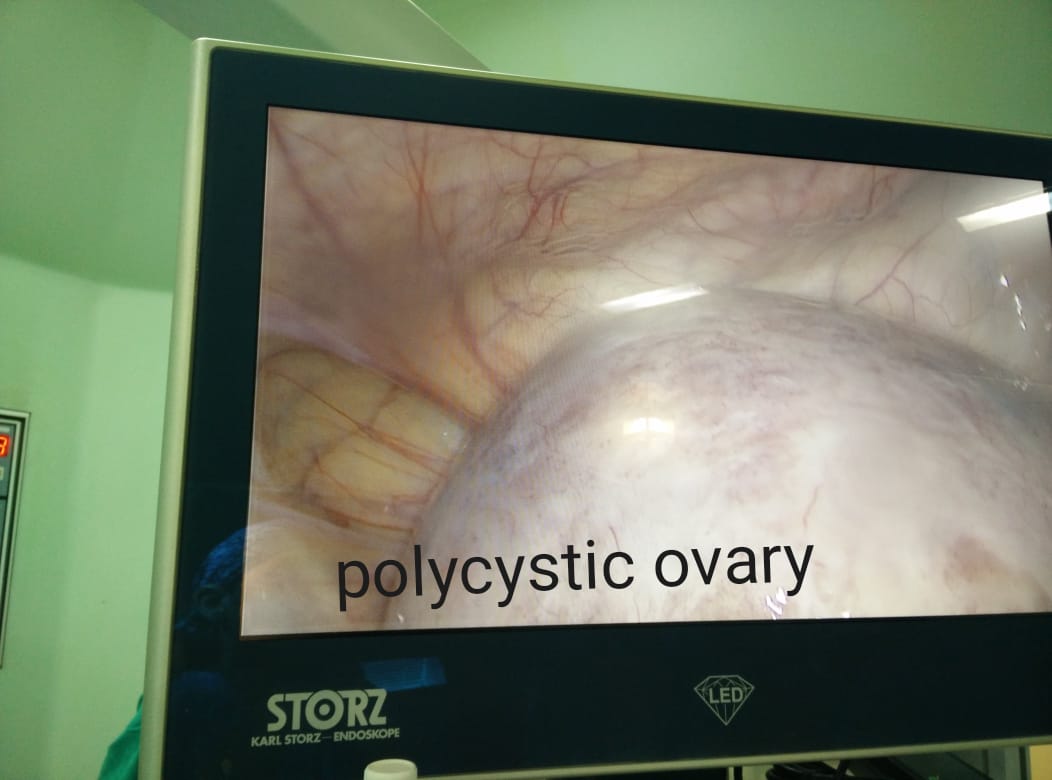
Polycystic ovary syndrome (PCOS) is a set of symptoms caused by an imbalance of reproductive hormones. People with PCOS don’t ovulate regularly. As a result, your periods may be lighter than normal, arrive at inconsistent times, or disappear altogether.

Other PCOS symptoms can include:

  • excess or course facial and body hair
  • acne on the face and body
  • thinning hair
  • weight gain or trouble losing weight
  • dark patches of skin, often on the neck creases, groin, and underneath breasts
  • skin tags in the armpits or neck
  • Infertility
5. You’re using hormonal birth control

Many love the pill because it makes their periods so regular. But it can sometimes have the opposite effect, especially during the first few months of use.

Similarly, when you stop taking the pill, it can take a few months for your cycle to get back to normal. As your body returns to its baseline hormone levels, you may miss your period for a few months.

If you’re using another hormonal birth control method, including an IUD, implant, or shot, you might completely stop getting your period.

6. You’re in perimenopause

Perimenopause is the time leading up to your menopausal transition. It typically starts in your mid- to late 40s. Perimenopause lasts for several years before your period stops completely.

For many, missed periods are the first sign of perimenopause. You may skip a period one month and be back on track for the following three. Or, you may skip your period three months in a row and find that it arrives unexpectedly, often lighter or heavier than you’re used to.

7. You’re in early menopause

Early menopause, also known as premature ovarian failure, happens when your ovaries stop working before you turn 40.

When your ovaries aren’t working the way they should, they don’t produce enough estrogen. As estrogen levels drop to all-time lows, you will begin to experience the symptoms of menopause.

Late or missed periods may be an early sign. You may also experience hot flashes, night sweats, and trouble sleeping.

Other signs of premature ovarian failure include:

  • vaginal dryness
  • trouble getting pregnant
  • decreased sexual desire
  • trouble concentrating
8. You have a thyroid condition

Your thyroid is a butterfly-shaped gland in your neck that produces hormones that help regulate many activities in your body, including your menstrual cycle. There are several common thyroid conditions, including hypothyroidism and hyperthyroidism.

Both hypothyroidism and hyperthyroidism can affect your menstrual cycle, causing irregularity, but hyperthyroidism is more likely to cause late or missed periods. Sometimes, your period may disappear for several months.

Other symptoms of a thyroid issue include:

  • heart palpitations
  • appetite changes
  • unexplained weight changes
  • nervousness or anxiety
  • slight hand tremors
  • fatigue
  • changes to your hair
  • trouble sleeping
The bottom line

Your period is generally considered late once it’s been at least 30 days since the start of your last period.

Many things can cause this to happen, from routine lifestyle changes to underlying medical conditions. If your period is regularly late, make an appointment with your Gynecologist to determine the cause.

Dr.Ruchi Tandon is a Gynecologist practicing in leading hospitals in South Delhi , namely Max Smart superspeciality hospital saket, Apollo hospitals , with over 13 years of experience in handling all kinds  of period problems.
How to go about Pregnancy in the covid 19 pandemic- Is it safe?

As the world puts a united front for the battle against the novel coronavirus, it has given rise to a series of complications, especially for those planning to welcome a newborn in their household. Since there is not enough data to understand the impact of COVID-19 on pregnant women, it is a nerve-wracking time for expectant mothers and families. Mothers across the country are anxious about the delay in hospital visits and the looming fear of coronavirus.

As per a report published by UNICEF, India is expected to witness a big surge in the number of babies born between the months of March to December this year. The report estimates that there will be 24.1 million births in India for the January to December 2020 period. With countrywide lockdown and containment area protocols, there may be huge disruptions in health services for expectant mothers and newborn babies.

Understandably, mothers-to-be and their families have a million questions about safe pregnancy and delivery in the times of coronavirus. We take a look at some of the challenging questions that mother to be are facing during this period of fear and uncertainty.

Can COVID-19 be passed from mother to her newborn baby or fetus?

As of now, no reports are confirming the fact that it can be transmitted from a mother to the baby. As per the WHO, an active virus has not been found in the samples of amniotic fluid and breastmilk. Moreover, the organization also recommends breastfeeding the newborn baby even if the mother is positive with COVID-19. However, it is important to strictly maintain personal hygiene before and after breastfeeding the baby.

Are pregnant women at an increased risk of contracting coronavirus?

As of now, there is not enough data to conclude that expectant mothers are an increased risk of getting severely sick due to COVID-19. However, since a woman’s body goes through a sea of change during pregnancy, it may leave her susceptible to contracting respiratory infections–including COVID-19. So, it is crucial to take the necessary precautions and practice personal hygiene.

Is it safe to give birth at hospital in the current circumstances?

For this decision, it is strongly recommended that you contact your medical care provider (your midwife and/or obstetrician) for further guidance. If you are planning to visit the hospital, it is crucial to wear a respirator and practice social distancing. You should also ask the medical care workers at the hospital all the questions you may have pertaining to coronavirus.

At this time most hospitals have banned the entry of any visitors and the policy varies from hospital to hospital. So, it is important to call up and check the visitor policies beforehand, in case you don’t want to be stuck in the room all alone. It is important to have a clear plan for where you want to give birth and prepare accordingly.

Should visitors be allowed after mother and baby are back home?

It is strongly recommended to not allow visitors home, especially if you live in a containment zone. So, avoid meeting friends and extended family members, as of now. Here are certain precautions you must follow:

  1. Wash your hands before touching the newborn
  2. If someone at home is sick, keep the baby away and take all necessary precautions
  3. Make sure to clean the frequently touched objects, especially around the newborn.

Don’t Fret

Unlike the Severe acute respiratory syndrome or SARS pandemic of 2003-2004, which was also caused by a Coronavirus, pregnant mothers are not in the higher risk bracket from COVID-19. During the SARS outbreak, pregnant women had a fatality risk of 25 per cent compared to 10 per cent of the general population. This is mostly based on a report on 9 pregnant women from Wuhan, China, the epicenter of the COVID-19 outbreak, who had COVID-induced pneumonia. The report, published in the Lancet, said none of the women, who were in their third trimester, developed severe illness, and all their babies were born healthy and Corona virus free. The World Health Organization (WHO) published a report on February 28 of 147 pregnant women, of whom, 64 were confirmed to have coronavirus, 82 were suspected to have the virus and one showed no symptoms. According to the report, only 8% of these women developed a severe condition and only 1% fell critically ill.

Immunity Matters

This does not mean pregnant women can afford to be complacent as the immunity system tends to dip during pregnancy, making the women vulnerable to various infections and diseases, including COVID-19. So, ensure that the diet contains immunity boosting and iron rich food, including fruits, leafy vegetables and nuts. You should also continue to take all the vitamin supplements the doctor may have prescribed.

Avoid These

Apart from following the standard guidelines like avoiding crowds and sick people, frequently washing hands and not touching the face, doctors recommend scrupulously maintaining social distancing, avoiding public areas and wearing a mask whenever you are outdoors.

Be Prepared

Given the stress on the healthcare system, and the possibility of infections from hospitals, you should check whether your doctor or hospital offers tele-medicine facilities. Don’t visit the hospital unless it is absolutely necessary, or for critical checkups. Never go without a clear appointment. Always keep your records handy, and insist that the doctor mail you any advice or medicine prescribed, so that you don’t make mistakes. Make sure you inform your doctor/health provider if you have any symptoms like fever, respiratory symptoms or even diarrhea, or if you have been in contact with someone who has tested positive for COVID-19. Avoid over the counter medications to treat cough and cold.

Deliver With Care

Because of the corona restrictions, many hospitals do not allow more than one visitor during your delivery. So, ensure that your spouse or partner is prepared for that, and have a backup in place in case he cannot be present there. Explain this to other members of your family and friends so that they do not arrive at the hospital. After the delivery, make sure that you have a backup support to take care of you and the baby, particularly if the original support system involved elders of the family.

Dr. Ruchi Tandon is a Gynecologist practicing in leading hospitals in South Delhi namely Max Smart superspeciality hospital saket, Apollo hospitals, with over 13 years clinical experience in handling all kinds of pregnancies safely in covid 19 pandemic.

Painful periods in the covid 19 pandemic era

About dysmenorrhea

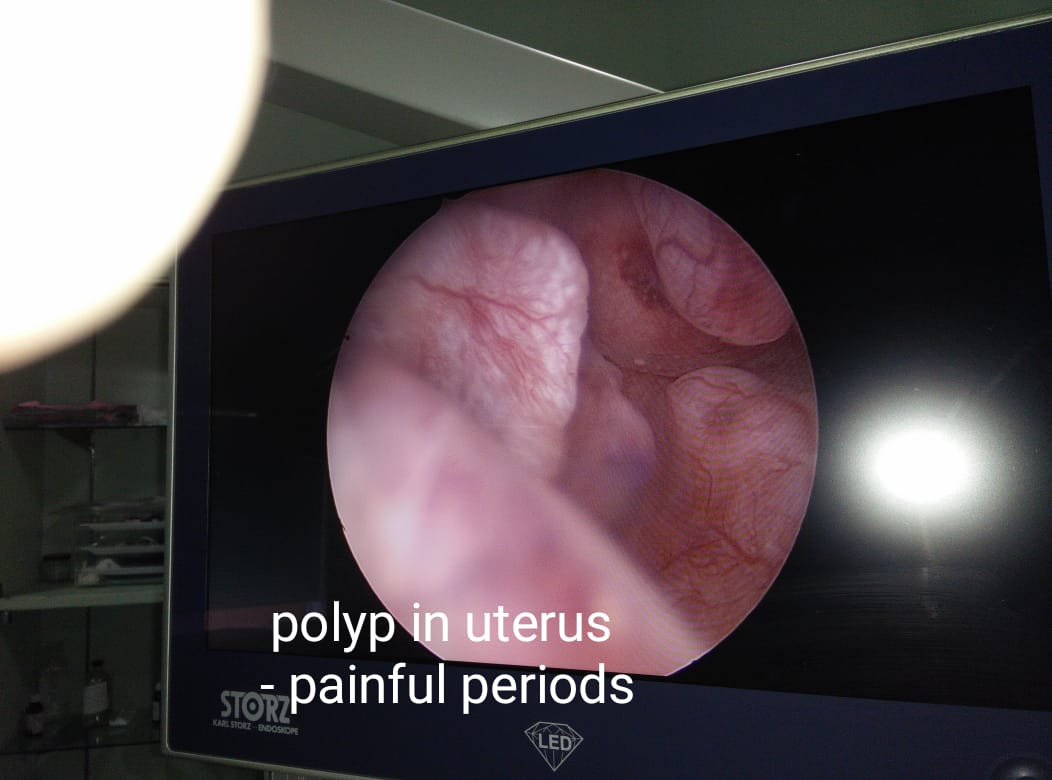
Menstruation occurs when the uterus sheds its lining once a month. Some pain, cramping, and discomfort during menstrual periods is normal. Excessive pain that causes you to miss work or school is not.

Painful menstruation is also called dysmenorrhea. There are two types of dysmenorrhea: primary and secondary.

Primary dysmenorrhea occurs in people who experience pain before and during menstruation. If you’ve had normal periods that become painful later in life, it may be secondary dysmenorrhea. A condition affecting the uterus or other pelvic organs, such as endometriosis or uterine fibroids, can cause this.

What are the causes?

It’s not always possible to identify the cause of painful menstrual periods. Some people are just at a higher risk of having painful periods.

These risks include:

  • being under age 20
  • having a family history of painful periods
  • smoking
  • having heavy bleeding with periods
  • having irregular periods
  • never having had a baby
  • reaching puberty before age 11

A hormone called prostaglandin triggers muscle contractions in your uterus that expel the lining. These contractions can cause pain and inflammation. The level of prostaglandin rises right before menstruation begins.

Painful menstrual periods can also be the result of an underlying medical condition, such as:

  • Premenstrual syndrome or PMS is a common condition that’s caused by hormonal changes in the body occurring 1 to 2 weeks before menstruation begins. Symptoms typically go away after bleeding begins.
  • Endometriosis .This is a painful medical condition in which cells from the lining of the uterus grow in other parts of the body, usually on the fallopian tubes, ovaries, or tissue lining the pelvis.
  • Fibroids are noncancerous tumors that can put pressure on the uterus or cause abnormal menstruation and pain, though they often don’t cause symptoms.
  • Pelvic inflammatory disease. PID is an infection of the uterus, fallopian tubes, or ovaries often caused by sexually transmitted bacteria that cause inflammation of the reproductive organs and pain.
  • This is a rare condition in which the uterine lining grows into the muscular wall of the uterus, causing inflammation, pressure, and pain. It can also cause longer or heavier periods.
  • Cervical stenosis. Cervical stenosis is a rare condition in which the cervix is so small or narrow that it slows menstrual flow, causing an increase of pressure inside the uterus that causes pain.

Home treatment

At-home treatments can be helpful in relieving painful menstrual periods. Types of things to try at home include:

using a heating pad on your pelvic area or back

massaging your abdomen

taking a warm bath

doing regular physical exercise

eating light, nutritious meals

practicing relaxation techniques or yoga

taking anti-inflammatory medications such as ibuprofen several days before you expect your period

taking vitamins and supplements such as:

  • Vitamin B6
  • Vitamin B1
  • Vitamin E
  • Omega 3 fatty acid
  • Calcium
  • Magnesium
  • raising your legs or lying with your knees bent
  • reducing your intake of salt, alcohol, caffeine, and sugar to prevent bloating

Dr. Ruchi Tandon, is a specialist Gynecologist , practicing in leading hospitals in South Delhi namely Max Smart superspeciality hospital ,saket, Apollo hospitals , with over 13 years experience in handling all kinds of period problems.
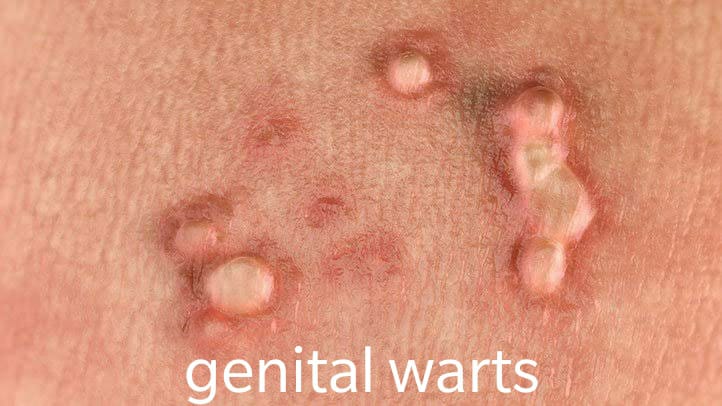
Vulval and vaginal skin infections

The vulva (Latin for womb or covering) consists of several layers that cover and protect the sexual organs and urinary opening. The fleshy outer lips of the vulva — the labia majora — are covered with pubic hair and contain fat that helps cushion the area. Inside the labia majora are the thinner, more pigmented and delicate flaps of skin called the labia minora. The labia minora join at the top to enclose the clitoris. The labia majora, labia minora, and clitoris are made up of erectile tissue, that is, tissue that can become engorged with blood.

The area between the labia minora, the vestibule, contains the openings to the urethra and the vagina, as well as the Bartholin’s glands, which are located on either side of the vaginal opening and produce lubricant for the vestibule. The flesh between the vaginal opening and the anus (not part of the vulva but often involved in vulvar skin problems) is the perineum. This is where the incision called an episiotomy is sometimes made during childbirth.

Getting a diagnosis for vulva skin conditionsVulvar skin conditions are highly treatable, but the treatment depends on the specific cause. And identifying the underlying diagnosis can be very challenging.

Tell your clinician about any other past or present medical conditions (including bladder and bowel issues) and any skin problems elsewhere on your body. For example, psoriasis anywhere on the body raises the risk of a vulvar condition known as lichen sclerosus. (This condition and others are described, below, in “Vulvar conditions and their treatment.”) Crohn’s disease, a chronic inflammatory intestinal disease, may cause abscesses or draining fistulas in the vulvar area, and vulvar skin problems are often one of its early symptoms. A mouth condition called lichen planus is another cause of vulvovaginal problems. (The term “lichen,” as applied to skin disorders, refers fancifully to skin lesions that resemble lichen on rocks.) Long-term treatment with oral steroids, immune suppressants, or antibiotics can affect vulvar skin and raise the risk infection.

Your clinician will want to know how you care for your vulvar skin, which can help identify possible sources of irritation. Even if you can’t pinpoint a change, that doesn’t mean your standard routine isn’t the culprit. Sometimes vulvar problems are the cumulative effect of long-term practices.

It’s often what you’ve done day after day, year after year, that causes the problem. If you wear abrasive clothing and engage in abrasive activities like bicycling or spinning class and wear tight workout clothes that expose your vulva to sweat or to detergent or soap residue, eventually it might catch up with you.

Report all the symptoms that concern you, including itching, burning, soreness, discharge, bumps, and any rashes the vulva. It will also help if you can provide a history of your symptoms and recall what seems to make them better or worse. Your clinician will examine the vulva, perhaps using a magnifying glass, and insert a speculum to inspect the vagina. She or he may test the pH (acid-base balance) of the vagina and take samples of secretions to examine under the microscope or culture for yeast. Remember, even if you’re seeing an experienced clinician, several visits may be needed to diagnose and improve certain vulvovaginal conditions.

The problem with self-treatment

When vaginal or vulvar itching occurs, women usually assume it’s a yeast infection and treat it with an over-the-counter antifungal cream. Often this does the trick, but not always. Instead, the cause of the symptoms might be dry skin, a sexually transmitted disease or bacterial infection, a less common strain of yeast that required special medication, or irritation by and allergic reactions to common products such as soaps, creams, and lotions.

If yeast isn’t the problem, an antifungal cream isn’t the solution. And if your skin is already irritated, you may exacerbate the problem by introducing preservatives (such as alcohol or propylene glycol) and other ingredients contained in many antifungal remedies. That’s why it’s important to see your gynecologist or dermatologist if a problem persists after you’ve tried a standard antifungal cream.

Another common response of women faced with a vaginal discharge or itch is to wash the vulvar skin vigorously, on the assumption that this will disinfect the area or remove irritants. But aggressive cleansing can add to the irritation. Until the problem is diagnosed, it’s best to follow a gentle skin care routine (see “Gentle vulvar care”). In fact, gentle cleansing applies whether you have a vulvar skin condition or not: Wash the area gently with your fingertips or a soft cloth and pat dry with a soft towel. Don’t use a rough washcloth, and don’t rub.

Vulvar skin conditions and their treatment

Several vulvar skin conditions are familiar from other areas of the body but may be difficult to recognize when they appear on the vulva. These include the following:

Eczema. This inflammatory skin condition disrupts the skin’s surface, causing red patches and thin cracks, weeping, and crust formation. On the vulva, crusts are less likely, but eczema may initiate a cycle of vulvar itching and scratching that leads to lichen simplex chronicus — thickened and intensely itchy skin. If eczema affects an area of the vulva called the vestibule, it may cause stinging and burning. Sometimes eczema appears in early childhood and its cause is unknown. More often, it begins with exposure to an irritant or allergen (see “How irritating”).

To diagnose vulvar ecz

Many things can cause an allergic reaction or irritate vulvar skin. Here are some of the leading suspects:

Irritants (on exposure, can cause immediate stinging or burning)

  • Soap, bubble baths and salts, detergent, shampoo, conditioner
    Adult or baby wipes
    Panty liners and their adhesives
    Nylon underwear, chemically treated clothing
    Vaginal secretions, sweat, and urine
    Douches, yogurt
    Spermicides, lubricants
    Perfume, talcum powder, deodorants
    Alcohol and astringents

Allergens (symptoms may not appear until several days after exposure)

  • Benzocaine
    Neomycin
    Chlorhexidine (in K-Y Jelly)
    Imidazole antifungal
    Propylene glycol (a preservative used in many products)
    Fragrances
    Tea tree oil
    Latex (in condoms and diaphragms)

Adapted from The V Book, by Elizabeth G. Stewart, M.D., and Paula Spencer (Bantam Books, 2002).

ema, the clinician will ask about your symptoms; your history of eczema, allergy, and related conditions; your vulvar cleansing habits; and any products the vulva has been exposed to. During the exam, she or he will look for redness, scaling, cracking, and thickening.

All eczema requires gentle skin care. In simple cases, patients use topical corticosteroid ointments twice a day for two to four weeks and then gradually reduce the frequency until the symptoms are gone. Severe cases may require a short course of a potent corticosteroid ointment.

During treatment, you must stop scratching, so your clinician may prescribe an antihistamine (usually taken at night to prevent daytime drowsiness). A cold pack can also help relieve itching.

Dr. Ruchi Tandon is a Gynecologist, practicing in leading hospitals in South Delhi namely, Max Smart superspeciality hospital, saket and Apollo hospitals. She has experience of over 13 years in handling all vulval skin lesions.

Vaginal infections – how to diagnose and treat

Vaginitis describes a few conditions that can cause infection or inflammation of your vagina. vulvovaginitis describes inflammation of both your vagina and your vulva. Your vulva is the external part of your genitals.

Read on to learn more about what causes different types of vaginal infections and what you can do about it.

What should I look for with a vaginal infection?

Some vaginal infections may not produce any symptoms. If you do develop symptoms, the most common are:

  • Vaginal itching
  • a change in the amount of discharge from your vagina
  • a change in the colour of your vaginal discharge
  • Pain or burning during mictutition
  • Pain during intercourse
  • Vaginal bleeding or spotting

The symptoms of vaginal infections will also vary based on the cause of your infection:

  • Bacterial infections typically cause grayish-white or yellow discharge. This discharge may have a fish-like odor that’s easily noticed after sex.
  • Yeast infections typically produce itching. If discharge is present, it may be thick and white and look like cottage cheese.
  • Trichomoniasis is a condition that can produce vaginal itching and odor. Discharge from this infection is typically greenish-yellow and may be frothy.

Vaginal infections aren’t life-threatening conditions. However, you should make an appointment to see your doctor if you:

  • have never had a vaginal infection before
  • have had a vaginal infection but are experiencing new symptoms
  • have had different or new sexual partners
  • develop a fever
  • believe you may be pregnant
  • have symptoms that return after treatment

If you experience vaginal irritation and have been diagnosed with yeast infections in the past, you may not need to see your doctor.

Yeast infections can be treated at home with over-the-counter vaginal antifungal medications. However, if you’re not sure that you have a yeast infection, it’s always wise to check with your doctor.

What causes vaginal infections?

Vaginal infections can have several causes. If you develop a vaginal infection, your doctor will diagnose and treat your infection based on its cause.

Common causes of vaginal infections include:

  • Bacterial infections. Certain bacteria are commonly found in your vagina. An overgrowth of these bacteria can cause bacterial vaginosis.
  • Yeast infections. Yeast infections are usually caused by a fungus called Candida albicans. Many things, including antibiotics, can reduce the number of antifungal bacteria in your vagina. This reduction can lead to an overgrowth of fungi and cause an infection.
  • Trichomoniasis. This vaginal infection is caused by a protozoan parasite that can be contracted through sexual intercourse.
  • Vaginal atrophy. This condition commonly occurs after menopause. It can also develop during other times in your life when your estrogen levels decline, such as while breastfeeding. Reduced hormone levels can cause vaginal thinning and dryness. These can lead to vaginal inflammation.
  • Irritants. Soaps, body washes, perfumes, and vaginal contraceptives can all irritate your vagina. This can cause inflammation. Tight-fitting clothes may also cause heat rashes that irritate your vagina.

In some cases, your doctor may not be able to determine the cause of your vaginal infection. This condition is known as nonspecific vulvovaginitis. It can occur in women of any age, but it’s more common in young girls that haven’t entered .

How are vaginal infections diagnosed?

To diagnose a vaginal infection, your doctor will ask you about your health history. They’ll also typically ask about your sexual health such as your current number of sexual partners and your history of past vaginal infections sexually transmitted infections ( STD).

Your doctor may also perform a pelvic exam. During this exam, your doctor may collect a sample of vaginal discharge. They’ll send this sample to a laboratory for analysis. This can help your doctor learn what’s causing your infection.

How are vaginal infections treated?

Treatment for vaginal infections will depend on what’s causing your infection. For example:

  • Metronidazole tablets, cream, or gel, or clindamycin cream or gel may be prescribed for a bacterial infection.
  • Antifungal creams or suppositories may be prescribed for a yeast infection.
  • Metronidazole or tinidazole tablets may be prescribed for trichomoniasis.
  • Estrogen creams or tablets may be prescribed for vaginal atrophy.

If your infection is caused by an irritant, such as soap, your doctor will recommend a different product to reduce irritation.

How can you prevent vaginal infections?

Not all vaginal infections can be prevented. Using a condom during sexual intercourse will help prevent the spread of STIs. It will also lower your risk of contracting them.

Proper hygiene can also help prevent some vaginal infections.

When possible, you should wear cotton underwear and pantyhose with a cotton crotch. This can lower your risk of developing vaginal inflammation and irritation. Some women develop inflammation and irritation from wearing less breathable fabrics.

Dr. Ruchi Tandon is a Gynecologist practicing in South Delhi , in leading hospitals , Max Smart superspeciality hospital and Apollo hospitals. She has experience of over 13 years in treatment of vaginal infections.

Fibroids in the time of covid pandemic

What are fibroids?

Fibroids are abnormal growths that develop in or on a woman’s uterus. Sometimes these tumors become quite large and cause severe abdominal pain and heavy periods. In other cases, they cause no signs or symptoms at all. The growths are typically benign, or noncancerous. The cause of fibroids is unknown.

Fibroids are also known by the following names:

  • leiomyomas
  • myomas
  • uterine myomas
  • fibromas
What are the different types of fibroids?

The type of fibroid a woman develops depends on its location in or on the uterus.

Intramural fibroids

Intramural fibroids are the most common type of fibroid. These types appear within the muscular wall of the uterus. Intramural fibroids may grow larger and can stretch your womb.

Subserosal fibroids

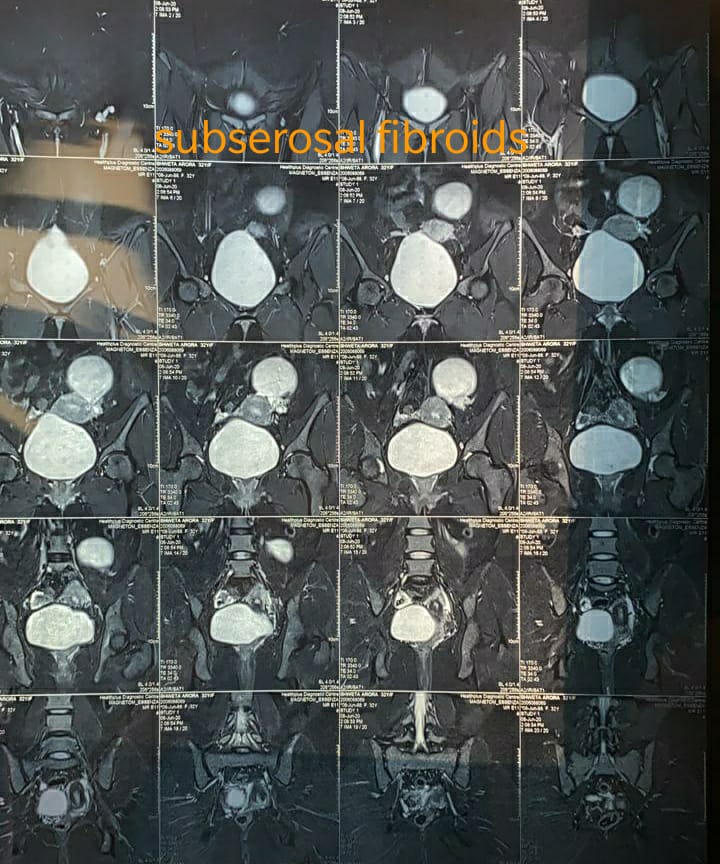
Subserosal fibroids form on the outside of your uterus, which is called the serosa. They may grow large enough to make your womb appear bigger on one side.

Pedunculated fibroids

Subserosal tumors can develop a stem, a slender base that supports the tumor. When they do, they’re known as pedunculated fibroids.

Submucosal fibroids

These types of tumors develop in the middle muscle layer, or myometrium, of your uterus. Submucosal tumors aren’t as common as the other types.

What causes fibroids?

It’s unclear why fibroids develop, but several factors may influence their formation.

Hormones

Estrogen and progesterone are the hormones produced by the ovaries. They cause the uterine lining to regenerate during each menstrual cycle and may stimulate the growth of fibroids.

Family history

Fibroids may run in the family. If your mother, sister, or grandmother has a history of this condition, you may develop it as well.

Pregnancy

Pregnancy increases the production of estrogen and progesterone in your body. Fibroids may develop and grow rapidly while you’re Pregnant..

Who gets fibroids?

Fibroids are common, with around 1 in 3 women developing them at some point in their life. They most often occur in women aged 30 to 50.

Fibroids are thought to develop more frequently in women of African-Caribbean origin.

It’s also thought they occur more often in overweight or obese women because being overweight increases the level of oestrogen in the body.

Women who have had children have a lower risk of developing fibroids, and the risk decreases further the more children you have.

What are the symptoms of uterine fibroids?

Most women with fibroids will experience no symptoms at all. However, large or numerous fibroids can cause the following symptoms:  

  • Heavy or prolonged periods
  • Bleeding between periods
  • Pelvic pain and pressure
  • Frequent urination
  • Low back pain
  • Pain during intercourse
  • Difficulty getting pregnant
How are uterine fibroids diagnosed?

Fibroids are most often found during a physical exam. Your health care provider may feel a firm, irregular (often painless) lump during an abdominal or pelvic exam.

Scans can confirm a diagnosis. These tests are the two main options:

  • Ultrasound: Ultrasound is the most commonly used scan for fibroids. It uses sound waves to diagnose fibroids and involves frequencies (pitch) much higher than what you can hear. A doctor or technician places an ultrasound probe on the abdomen or inside the vagina to help scan the uterus and ovaries. It is quick, simple and generally accurate. However, it relies on the experience and skill of the doctor or technician to produce good results.  Other tests such as MRI may be better for other conditions, such as adenomyosis.
  • MRI: This imaging test uses magnets and radio waves to produce images. It allows your provider to gain a road map of the size, number and location of the fibroids. We can also distinguish between fibroids and adenomyosis, which sometimes gets misdiagnosed. We use MRI to confirm a diagnosis and help determine which treatments are best for you. MRI may also provide a better option for related conditions such as adenomyosis.

 How to manage fibroids in covid pandemic times?

Laparoscopy and open myomectomy are both options in covid pandemic depending on the extent of symptoms and position of the fibroid.

Dr. Ruchi Tandon is a Gynecologist, practicing in leading hospitals of South Delhi , max smart superspeciality hospital and Apollo Cradle Royale , with over 14 years experience in handling all kinds of fibroids and complications.

Endometriotic or chocolate cyst of the ovary

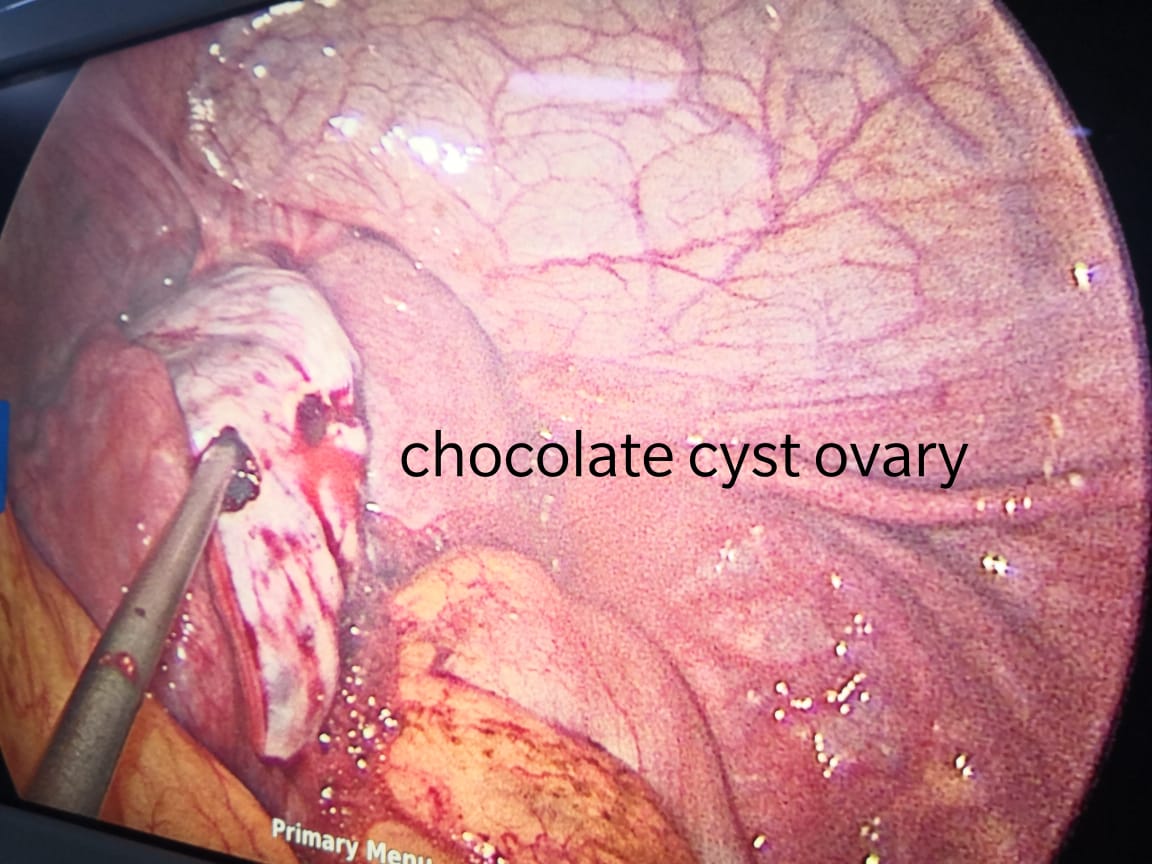
Chocolate cysts are noncancerous, fluid-filled cysts that typically form deep within the ovaries. They get their name from their brown, tar-like appearance, looking something like melted chocolate. They’re also called ovarian endometriomas.

The color comes from old menstrual blood and tissue that fills the cavity of the cyst. A chocolate cyst can affect one or both ovaries, and may occur in multiples or singularly.

Chocolate cysts occur in 20-40 percent of women who have endometriosis, estimates the Endometriosis Foundation of America.

Endometriosis is a common disorder in which the lining of the uterus, known as the endometrium, grows outside the uterus and onto the ovaries, fallopian tubes, and other areas of the reproductive tract. The overgrowth of this lining causes severe pain and sometimes infertility.

Chocolate cysts are a subgroup of endometriosis. They’re often associated with more severe forms of the disorder.

What are the symptoms?

Chocolate cysts may cause symptoms in some women. Other women may not experience any symptoms.

The size of the cyst also doesn’t necessarily affect the severity or presence of symptoms. This means a woman with a small cyst may experience symptoms, while someone with a large one may not. Cysts can range from 2 to 20 centimeters (cm) in size.

When symptoms do occur, they’re similar to those of endometriosis. They can include:

  • painful, crampy periods
  • Pelvic pain not related to your menstrual cycle
  • Irregular periods
  • Pain during sex
  • infertility for some women

If a chocolate cyst ruptures, it can cause severe, sudden abdominal pain on the side of the body where the cyst is located. A ruptured cyst can be a medical emergency. Seek immediate medical attention if you suspect you have a ruptured cyst.

What causes chocolate cysts?

There’s a lot of debate as to how and why chocolate cysts form. One theory is that they may be a result of endometriosis.

The lining of these cysts acts much the way the lining of the uterus does. It grows and is then shed in response to the monthly rise and fall of female hormones.

Instead of leaving the body, this tissue becomes trapped within the cavity of the cyst. Here it can produce inflammation and disrupt the ovaries.

How are chocolate cysts diagnosed?

Your doctor may order a pelvic ultrasound if:

  • they feel a cyst during a pelvic exam
  • they suspect you have endometriosis based on your symptoms
  • you’re experiencing unexplained infertility

An ultrasound can identify if a cyst is present. But it can’t necessarily determine what type of cyst it is.

To definitively diagnose a chocolate cyst, your doctor will extract fluid and debris from inside the cyst. This is usually done with a needle biopsy.

During a needle biopsy, your doctor will use ultrasound to help them insert a needle through the vagina into the ovarian cyst. The extracted fluid is then examined under a microscope. Your doctor can diagnose the type of cyst using the results from the needle biopsy.

How are chocolate cysts treated?

Treatment will depend on several factors, including:

  1. your age
  2. your symptoms
  3. whether one or both ovaries are affected
  4. whether or not you want to have children

If the cyst is small and not producing symptoms, your doctor may advise a watch-and-wait approach. They may also recommend medication that inhibits ovulation, such as the birth control pill. This can help control pain and slow the growth of cysts, but it can’t cure them.

Surgery to remove the cysts, called an ovarian cystectomy, is often recommended for women who have:

  1. painful symptoms
  2. cysts larger than 4 cm
  3. cysts that may be cancerous (but a 2006 review estimates less than 1 percent of cysts are cancerous)
  4. infertility

The surgery is generally done via a laparoscope. A laparoscope is a thin, long tube with a light and camera on the end that helps doctors perform the procedure. It’s inserted through a small incision.

The surgery is controversial in terms of whether it hurts or helps fertility.

Even when the surgeon is highly skilled, healthy ovarian tissue can be removed along with the cyst. That may negatively affect ovarian function. However, the inflammation and toxic environment a chocolate cyst can produce may do more harm to fertility than surgery.

Discuss all of your options and concerns with your Gynecologist before beginning treatment.

Dr. Ruchi Tandon is a Gynecologist practicing in leading hospitals in South Delhi, namely, Max Smart superspeciality hospital, saket, Apollo cradle Royale and is skilled in handling endometriotic or chocolate cysts.

Abortion in the times of the corona virus pandemic

The COVID-19 crisis has starkly revealed the patchy and precarious provision of abortion in India, deepening existing inequalities in access.

What was already an expensive procedure may be even less attainable for many women facing financial strain during the pandemic.

Meanwhile, a shortage of staff and resources is likely to be affecting access for many women seeking an abortion – particularly those in regional and rural areas.

This all comes at a time when advocates predict unwanted pregnancies could rise due to increased rates of domestic violence, reproductive coercion and financial stress.

A shortage of resources

In April, suppliers cancelled orders of personal protective equipment (PPE) to abortion clinics on the basis these supplies were reserved for “health professionals”.

Suppliers might be forgiven for assuming medical procedures relegated to the private sector are elective.

While the federal government confirmed abortion was “essential” during the halt on elective procedures, they didn’t offer much support. Instead they told clinics to source PPE supplies from Chemist Warehouse.

Although the supply of PPE to abortion clinics is no longer under immediate threat, the industry continues to face resource constraints.

This includes a shortage of providers.

Lack of access in regional and rural areas

Abortion is one of the most commonly performed Gynecological procedures, and early medical abortion should be readily available in primary care settings.

But abortion care is not integrated into medical education or training. The shortage of Gynecologists trained and willing to provide surgical abortion, and the failure of governments to require public hospitals to take responsibility for local provision, means abortion is virtually inaccessible in much of rural and regional India.

The few clinics that offer surgical abortion outside urban centers often depend on general practitioners, who rely on domestic air travel to deliver abortion care.

The provision of second trimester abortions is in such short supply in India that this single private clinic services women from across the country.

Women may require abortion after 20 weeks for a range of reasons, including maternal health, fetal abnormalities, and delayed diagnosis of pregnancy.

Many of these women, we can assume, are also affected by travel restrictions.

We could be doing more via telehealth

Early medical abortion can be delivered via telehealth. In this scenario, medications are mailed to the patient after some local tests and a remote consultation with a doctor via phone or video call. This method is especially appropriate now as we continue to practice social distancing.

India says it has protected abortion as an essential service in the coronavirus lockdown but experts say women are struggling to get medical help and may resort to risky alternatives or end up with babies they do not want.

With no transport services, limited healthcare and movement restricted, campaigners predict the Covid-19 crisis could push women to take abortion drugs without supervision or seek help from people who lack training.

In life after lockdown, experts fear a lasting legacy. “Unsafe practices such as women taking herbs or inserting rods and sticks has reduced drastically and that situation will never come back in India,” said researchers. “But it will have to be researched post lockdown if the number of unwanted births go up.”

Dr. Ruchi Tandon is a trained and certified Gynecologist, practicing in leading hospitals in South Delhi namely Max Smart superspeciality hospital saket and Apollo hospitals.She has over 13 years experience in handling pregnancies and abortions and is doing telephonic consultantions as well.

How To Deal With Pregnancy In The Time Of Coronavirus

Unlike the Severe acute respiratory syndrome or SARS pandemic of 2003-2004, which was also caused by a Corona virus, pregnant mothers are not in the higher risk bracket from COVID-19.

Stressful, even during normal times, pregnancy can be deeply disturbing during a pandemic induced lockdown. Even more so if you or someone close to you has tested positive for the coronavirus.  Here’s a few do’s and don’ts for expectant mothers during these troubled times, based on what we know so far about the virus.

Don’t Fret

Unlike the Severe acute respiratory syndrome or SARS pandemic of 2003-2004, which was also caused by a Corona virus, pregnant mothers are not in the higher risk bracket from COVID-19. During the SARS outbreak, pregnant women had a fatality risk of 25 per cent compared to 10 per cent of the general population. This is mostly based on a report on 9 pregnant women from Wuhan, China, the epicenter of the COVID-19 outbreak, who had COVID-induced pneumonia. The report, published in the Lancet, said none of the women, who were in their third trimester, developed severe illness, and all their babies were born healthy and Corona virus free. The World Health Organization (WHO) published a report on February 28 of 147 pregnant women, of whom, 64 were confirmed to have coronavirus, 82 were suspected to have the virus and one showed no symptoms. According to the report, only 8% of these women developed a severe condition and only 1% fell critically ill.

Immunity Matters

This does not mean pregnant women can afford to be complacent as the immunity system tends to dip during pregnancy, making the women vulnerable to various infections and diseases, including COVID-19. So, ensure that the diet contains immunity boosting and iron rich food, including fruits, leafy vegetables and nuts. You should also continue to take all the vitamin supplements the doctor may have prescribed.

Avoid These

Apart from following the standard guidelines like avoiding crowds and sick people, frequently washing hands and not touching the face, doctors recommend scrupulously maintaining social distancing, avoiding public areas and wearing a mask whenever you are outdoors.

Be Prepared

Given the stress on the healthcare system, and the possibility of infections from hospitals, you should check whether your doctor or hospital offers tele-medicine facilities. Don’t visit the hospital unless it is absolutely necessary, or for critical checkups. Never go without a clear appointment. Always keep your records handy, and insist that the doctor mail you any advice or medicine prescribed, so that you don’t make mistakes. Make sure you inform your doctor/health provider if you have any symptoms like fever, respiratory symptoms or even diarrhea, or if you have been in contact with someone who has tested positive for COVID-19. Avoid over the counter medications to treat cough and cold.

Deliver With Care

Because of the corona restrictions, many hospitals do not allow more than one visitor during your delivery. So, ensure that your spouse or partner is prepared for that, and have a backup in place in case he cannot be present there. Explain this to other members of your family and friends so that they do not arrive at the hospital. After the delivery, make sure that you have a backup support to take care of you and the baby, particularly if the original support system involved elders of the family.

What If You Test Positive?

If you have tested positive for COVID-19 during your pregnancy or just before delivery, don’t worry. Initial studies indicate that the virus does not transmit to uterus, or through breastmilk. However, it is important to ensure that the newborn does not get infected through contact with someone who has tested positive for the disease. In that case, doctors will usually isolate the baby, which will be looked after by healthy caregivers in protective gear. This can be traumatic, so be prepared for it. Your partner might be allowed to spend time with the child if he tests negative. If you want to give milk to your child using a breast pump, do ensure proper hygiene, and wear a mask while using the pump. Direct breastfeeding might be allowed if the infected mother wears a mask, but do you really want to take the risk?

Dr. Ruchi Tandon is a Gynecologist with over 13 years experience in handling pregnancies and is currently practicing in Max smart superspeciality hospital , Saket and Apollo Cradle Royale , Nehru place, both in South Delhi.

Ectopic pregnancy (tubal pregnancy) -the facts!

What is ectopic pregnancy?

From fertilization to delivery, pregnancy occurs after a number of steps in a woman’s body. One of these steps is when a fertilized egg travels to the uterus to attach itself. In the case of an ectopic pregnancy, the fertilized egg doesn’t attach to the uterus. Instead, it may attach to the fallopian tube, abdominal cavity, or cervix.

While a pregnancy test may reveal a woman is pregnant, a fertilized egg can’t properly grow anywhere other than the uterus. Ectopic pregnancies occur in about 1 out of every 50 pregnancies (20 out of 1,000).

An untreated ectopic pregnancy can be a medical emergency. Prompt treatment reduces your risk of complications from the ectopic pregnancy, increases your chances for future, healthy pregnancies, and reduces future health complications.

An ectopic pregnancy can’t proceed normally. The fertilized egg can’t survive, and the growing tissue may cause life-threatening bleeding, if left untreated.

What causes an ectopic pregnancy?

The cause of an ectopic pregnancy isn’t always clear. In some cases, the following conditions have been linked with an ectopic pregnancy:

  • inflammation and scarring of the fallopian tubes from a previous medical condition, infection, or surgery
  • hormonal factors
  • genetic abnormalities
  • birth defects
  • medical conditions that affect the shape and condition of the fallopian tubes and reproductive organs

Your Gynecologist may be able to give you more specific information about your condition.

Who is at risk for an ectopic pregnancy?

All sexually active women are at some risk for an ectopic pregnancy. Risk factors increase with any of the following:

  • maternal age of 35 years or older
  • history of pelvic surgery, abdominal surgery, or multiple abortions
  • history of pelvic inflammatory diseases 
  • history of endometriosis
  • conception occurred despite tubal ligation or intrauterine devices
  • conception aided by fertility drugs or procedures
  • Smoking
  • history of ectopic pregnancy
  • history of sexually transmitted diseases 
  • having structural abnormalities in the fallopian tubes that make it hard for the egg to travel

If you have any of the above risk factors, talk to your doctor. You can work with your Gynecologist or a fertility specialist to minimize the risks for future ectopic pregnancies.

What are the symptoms of an ectopic pregnancy?

Nausea and breast soreness are common symptoms in both ectopic and uterine pregnancies. The following symptoms are more common in an ectopic pregnancy and can indicate a medical emergency:

  • sharp waves of pain in the abdomen, pelvis, shoulder, or neck
  • severe pain that occurs on one side of the abdomen
  • light to heavy vaginal bleeding or spotting
  • dizziness or fainting
  • rectal pressure

You should contact your doctor or seek immediate treatment if you know that you’re pregnant and have any of these symptoms.

Diagnosing an ectopic pregnancy

If you suspect you may have an ectopic pregnancy, see your doctor immediately. Ectopic pregnancies can’t be diagnosed from a physical exam. However, your doctor may still perform one to rule out other factors.

Another step to diagnosis is a transvaginal ultrasound. This involves inserting a special wand-like instrument into your vagina so that your doctor can see if a gestational sac is in the uterus.

Your doctor may also use a blood test to determine your levels of hCG and progesterone. These are hormones that are present during pregnancy. If these hormone levels start to decrease or stay the same over the course of a few days and a gestational sac isn’t present in an ultrasound, the pregnancy is likely ectopic.

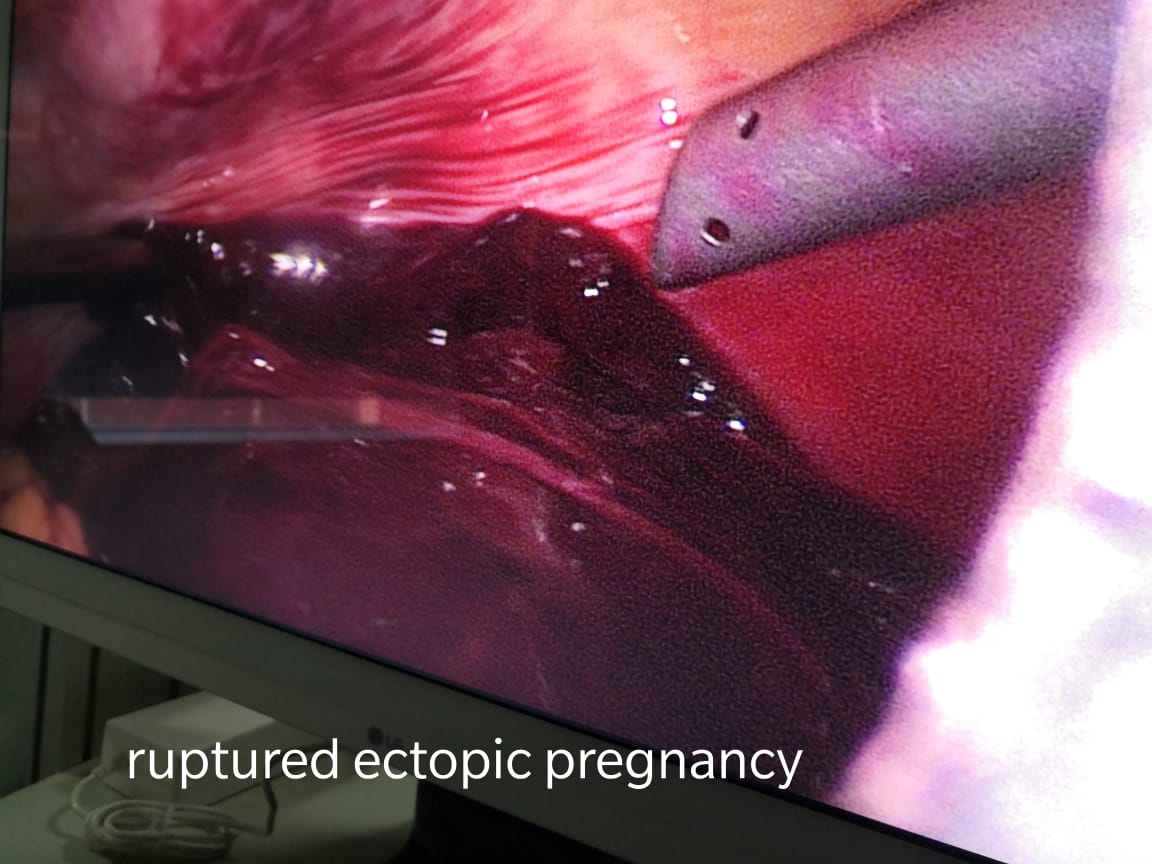
If you’re having severe symptoms, such as significant pain or bleeding, there may not be enough time to complete all these steps. The fallopian tube could rupture in extreme cases, causing severe internal bleeding. Your doctor will then perform an emergency surgery to provide immediate treatment.

Dr. Ruchi Tandon is a specialist Gynecologist , with over 13 years of clinical experience and is practicing in leading hospitals in South Delhi, namely, Max smart superspeciality hospital, saket, Apollo cradle Royale, nehru place. She has dealt with the management of thousands of ectopic pregnancies.