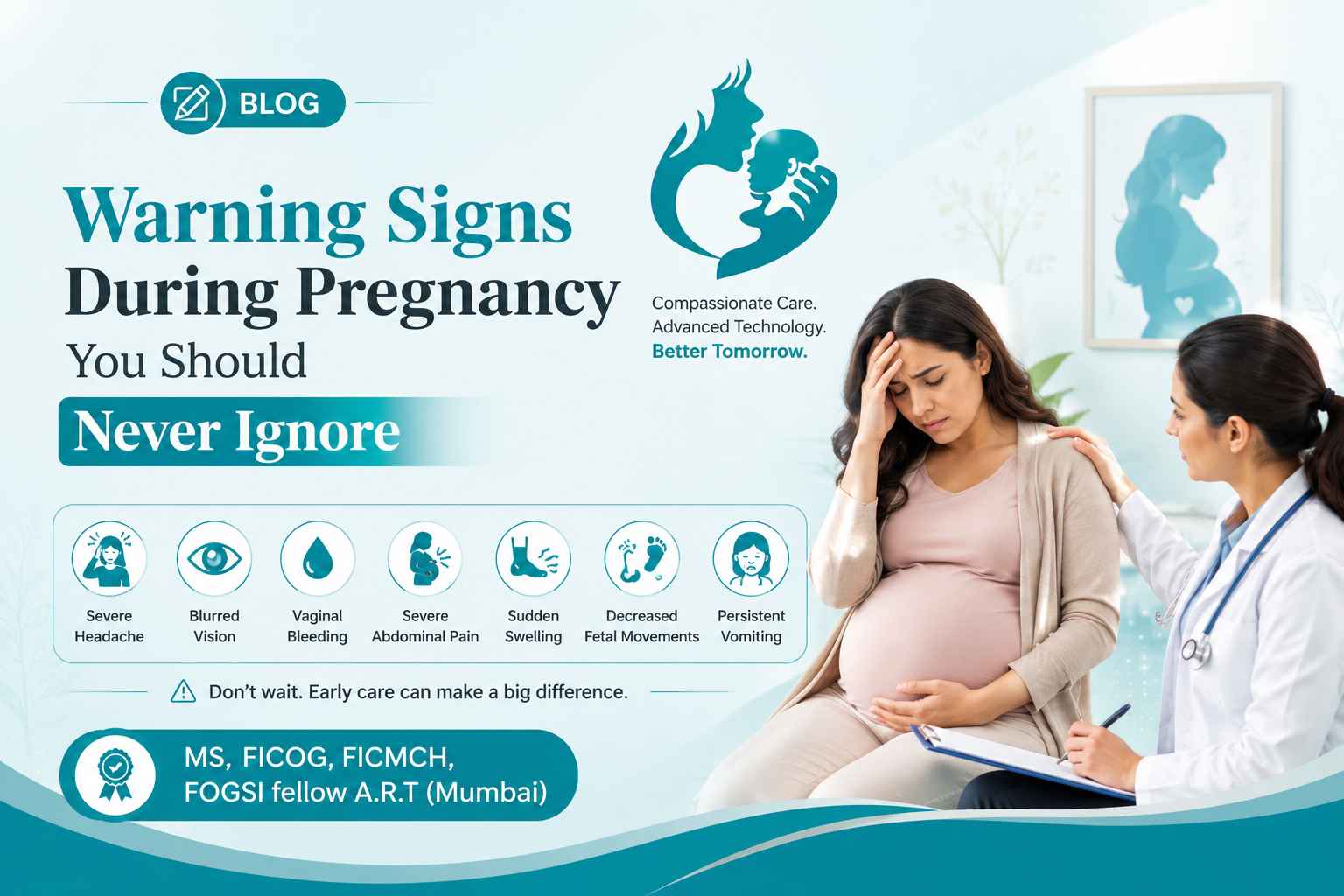

Warning Signs During Pregnancy You Should Never Ignore

best gyno doctor in South Delhi

Pregnancy is often described as a beautiful journey, but it also comes with its fair share of uncertainties. While many symptoms are normal, some signs should never be brushed aside. Consulting the best gyno doctor in South Delhi at the right time can make all the difference in ensuring both maternal and fetal well-being. Being aware of warning signals helps you act promptly and avoid complications.

Severe Abdominal Pain

Mild cramping can be common, especially in early pregnancy. However, intense or persistent abdominal pain could signal something serious, such as an ectopic pregnancy or placental issues. If the pain is sharp or accompanied by dizziness or bleeding, seek medical help immediately.

Vaginal Bleeding

Light spotting can occur, particularly in the first trimester, but heavy bleeding is never normal. It may indicate miscarriage, placental problems, or preterm labor. Any unexpected bleeding should be evaluated by the best gynecologist in South Delhi without delay.

Persistent Headaches and Vision Problems

Frequent headaches, blurred vision, or sensitivity to light may be signs of high blood pressure or preeclampsia. These conditions can pose serious risks if not treated in time. Don’t ignore these symptoms, especially in the second or third trimester.

Reduced Baby Movements

Feeling your baby move is reassuring. If you notice a sudden decrease or absence of movements, it could be a sign that the baby is in distress. Monitoring kick counts and reporting any unusual patterns to your doctor is crucial.

Swelling of Hands and Face

Some swelling is normal during pregnancy, particularly in the feet. However, sudden or excessive swelling in the hands and face may indicate underlying complications like preeclampsia. This should be checked promptly.

High Fever

A fever during pregnancy can sometimes point to infections that may affect both mother and baby. If your temperature rises above normal and is accompanied by chills or body aches, it’s best to consult a healthcare provider right away.

Painful Urination

Burning or discomfort while urinating can indicate a urinary tract infection (UTI). If left untreated, UTIs can lead to more serious complications, including kidney infections or premature labor.

Severe Nausea and Vomiting

While morning sickness is common, extreme nausea and vomiting (hyperemesis gravidarum) can lead to dehydration and nutritional deficiencies. This condition needs medical attention to ensure proper hydration and nourishment.

Staying Proactive Matters

Every pregnancy is different, and listening to your body is important. Regular check-ups, open communication with your doctor, and awareness of warning signs can help prevent complications. Women with conditions like PCOS should be even more cautious and consider consulting a trusted PCOS doctor in South Delhi for specialized guidance.

Final Thoughts

Ignoring unusual symptoms during pregnancy can have serious consequences. When in doubt, always err on the side of caution and seek medical advice. Early intervention not only protects your health but also ensures a safer journey for your baby.

When Should You Consult an Infertility Specialist?

infertility specialist in Greater Kailash

Starting or growing a family is an exciting journey, but for some couples, it may take longer than expected. While occasional delays are normal, there comes a point when seeking expert advice becomes important. Many couples initially consult the best gynaecologist in South Delhi to understand their reproductive health, but knowing when to take the next step toward a specialist can make a real difference in outcomes.

Understanding Infertility

Infertility is generally defined as the inability to conceive after 12 months of regular, unprotected intercourse. However, this timeline isn’t the same for everyone. Age, medical history, and lifestyle factors all play a role in determining when professional help is needed. Recognizing early signs and acting on them can help avoid unnecessary stress and delays.

When Should You See a Specialist?

After a Year of Trying (or 6 Months if Over 35)

If you’re under 35 and have been trying for a year without success, it’s a good time to consult a specialist. For women over 35, this timeline shortens to six months due to the natural decline in fertility with age.

Irregular or Absent Periods

Menstrual cycles can tell you a lot about your reproductive health. If your periods are irregular, very painful, or absent, it may indicate ovulation issues or hormonal imbalances that require medical attention.

Known Medical Conditions

Conditions such as PCOS, endometriosis, thyroid disorders, or diabetes can impact fertility. If you’ve been diagnosed with any of these, early consultation with an expert can help you plan better.

History of Miscarriages

Experiencing two or more miscarriages may indicate underlying issues that need evaluation. A specialist can conduct detailed tests to identify the cause and suggest appropriate treatment.

Male Factor Concerns

Infertility is not just a female concern. Low sperm count, poor motility, or other male-related issues can also affect conception. A comprehensive evaluation includes both partners.

Previous Pelvic Surgeries or Infections

If you’ve had surgeries involving reproductive organs or experienced pelvic infections, it may affect your fertility. In such cases, timely medical advice becomes crucial.

Why Early Consultation Matters?

Waiting for a long time can minimize the chances of successful treatment. Fertility treatments are more effective when issues are identified early. A specialist can guide you through diagnostic tests, lifestyle changes, and suitable treatment options, whether it’s medication, assisted reproductive techniques, or simple cycle tracking.

Additionally, consulting a good gynecologist in South Delhi early in your journey can help you understand whether you need specialized care or just minor adjustments in your approach.

What to Expect During Your Visit?

When you visit an expert, the process usually begins with a detailed medical history and physical examination. You may be advised to undergo tests such as hormone level checks, ultrasound scans, ovulation tracking, or semen analysis. Based on the findings, a personalized treatment plan is created.

If needed, you may be referred to an infertility specialist in Greater Kailash who can offer advanced reproductive solutions and targeted care.

Emotional Well-Being Matters Too

The journey through infertility can be emotionally challenging. Feelings of stress, anxiety, or frustration are common. Seeking timely help not only improves your chances of conception but also provides clarity and reassurance. Many specialists also recommend counseling or support groups to help couples cope better.

Final Thoughts

Every couple’s fertility journey is unique, and there’s no one-size-fits-all timeline. However, being aware of the signs and seeking help at the right time can make a significant difference. If you feel something isn’t right or if you’ve been trying without success, don’t hesitate to consult a professional. Early guidance, the right diagnosis, and a supportive approach can bring you one step closer to achieving your dream of parenthood.

Traveling While Pregnant: Safety Tips and Guidelines

pregnancy doctor in South Delhi

Pregnancy doesn’t mean putting your travel plans completely on hold; it simply calls for a little extra care and thoughtful planning. Whether it’s a short road trip or a long-haul flight, traveling while pregnant can be safe and enjoyable when you take the right precautions.

Check with Your Doctor First

Before making any travel arrangements, it’s always wise to consult your healthcare provider. Every pregnancy is different, and your doctor can guide you based on your medical history and current condition. If you’re under the care of a pregnancy doctor in South Delhi, they can advise you on the safest time to travel and any specific restrictions you should follow.

Choose the Right Time to Travel

The second trimester (weeks 14 to 28) is often considered the best time for travel. Morning sickness usually subsides by then, and energy levels are relatively higher. Traveling in the third trimester may be more uncomfortable and could come with added risks, especially if complications arise.

Stay Comfortable During the Journey

No matter how you’re traveling, comfort should be a priority. Wear loose, breathable clothing and comfortable footwear. If you’re flying or taking a long car ride, try to move around every hour or so to improve blood circulation and reduce the risk of swelling or blood clots. Carry a small pillow or cushion to support your lower back.

Stay Hydrated and Eat Smart

Dehydration can lead to fatigue and discomfort, so keep a water bottle handy and sip regularly. Pack healthy snacks like fruits, nuts, and crackers to maintain your energy levels. Avoid street food or anything that might upset your stomach, especially when traveling to unfamiliar places.

Carry Medical Essentials

Always keep your prenatal records, doctor’s contact details, and any prescribed medications with you. It’s also helpful to research nearby hospitals or clinics at your destination, just in case you need medical assistance. If you have a high-risk pregnancy, consulting the best high-risk pregnancy specialist doctor in Delhi before your trip can give you added confidence and clarity.

Be Mindful of Travel Modes

Air travel is generally safe for pregnant women up to a certain point, but it’s important to check airline policies regarding pregnancy. When traveling by car, always wear a seatbelt with the lap belt positioned below your belly. Avoid bumpy roads or overly long journeys without breaks.

Listen to Your Body

Perhaps the most important tip is to stay in tune with how you feel. If you experience discomfort, dizziness, or unusual symptoms, don’t ignore them. Take rest breaks when needed and avoid pushing yourself too hard.

Plan a Relaxed Itinerary

Instead of packing your schedule with too many activities, opt for a slower pace. Choose accommodations that offer comfort and easy access to essential services. If needed, consulting the best gynecologist in South Delhi before your trip can help you prepare better for a stress-free experience.

Traveling during pregnancy can be a beautiful way to unwind and create special memories before your baby arrives. With the right precautions and a little planning, you can enjoy your journey while keeping both you and your baby safe.

When Is Abortion Considered Safe? A Complete Guide

best abortion clinic in Delhi

Deciding to end a pregnancy is deeply personal, and for many women, safety is the top concern. Whether you’re exploring options or seeking clarity, understanding when abortion is considered safe can help you make an informed choice. If you’re consulting a best abortion clinic in Delhi, one of the first things doctors will explain is that safety largely depends on timing, method, and proper medical supervision.

Understanding Safe Timing for Abortion

Abortion is generally safest when performed early in pregnancy. Most procedures carried out within the first trimester (up to 12 weeks) have a very low risk of complications. In fact, early-stage abortions are among the safest medical procedures when done under the guidance of a qualified professional.

There are two primary methods:

  • Medical abortion (using prescribed pills): Usually recommended up to 9 weeks of pregnancy.
  • Surgical abortion: Performed in a clinical setting and can be done safely in both early and slightly later stages, depending on medical advice.

As pregnancy progresses, the procedure may become more complex, which is why early consultation is always encouraged.

Factors That Determine Safety

Abortion safety isn’t just about timing; it also depends on several key factors:

  • Qualified healthcare provider: A trained gynecologist ensures the procedure is done correctly and safely.
  • Proper medical environment: Clean, well-equipped clinics reduce the risk of infection.
  • Accurate diagnosis: Confirming gestational age and overall health is essential before proceeding.
  • Follow-up care: Post-procedure monitoring helps ensure complete recovery.

Visiting a trusted facility, such as the best abortion clinic in South Delhi, ensures these standards are met, giving you both medical safety and emotional reassurance.

Medical vs. Surgical Abortion: What’s Safer?

Both methods are considered safe when performed under proper guidance. Medical abortion is less invasive and can be done at home under supervision, but it requires strict adherence to instructions. Surgical abortion, on the other hand, is quicker and completed in a clinical setting, often with immediate confirmation that the procedure is successful.

Your doctor will recommend the best option based on your pregnancy stage, health condition, and personal preference.

Common Concerns About Safety

It’s natural to worry about risks, but complications are rare when abortion is performed legally and medically. Some mild side effects like cramping, bleeding, or nausea are normal and temporary. Serious complications are uncommon and usually linked to unsafe or unregulated procedures.

That’s why avoiding unverified sources or self-medication without guidance is crucial. Professional consultation ensures both physical and mental well-being.

Special Health Considerations

Women with certain conditions, such as hormonal imbalances or reproductive disorders, may require extra care. For instance, those dealing with PCOD should consult a PCOD specialist doctor in South Delhi before proceeding. A specialist can assess hormonal health and guide the safest approach tailored to your body.

Emotional and Mental Well-being

Safety isn’t just physical; it’s emotional too. Making this decision can bring a mix of feelings, from relief to anxiety. Speaking openly with a doctor or counselor can help you process these emotions and feel more supported throughout the journey.

When to Seek Immediate Medical Help?

After an abortion, it’s important to watch for warning signs such as:

  • Excessive bleeding (soaking multiple pads in an hour)
  • Severe abdominal pain
  • High fever
  • Unusual discharge

Seek medical attention immediately if you encounter any of these problems. Prompt care can prevent complications and ensure a smooth recovery.

Final Thoughts

Abortion is considered safe when it is done early, under medical supervision, and in a hygienic setting. The key is not to delay seeking professional advice. Every woman’s situation is different, and personalized care makes all the difference.

If you’re unsure, don’t rely on guesswork; consult a qualified doctor who can guide you with clarity, compassion, and confidentiality. Making an informed decision is the first step toward protecting your health and well-being.