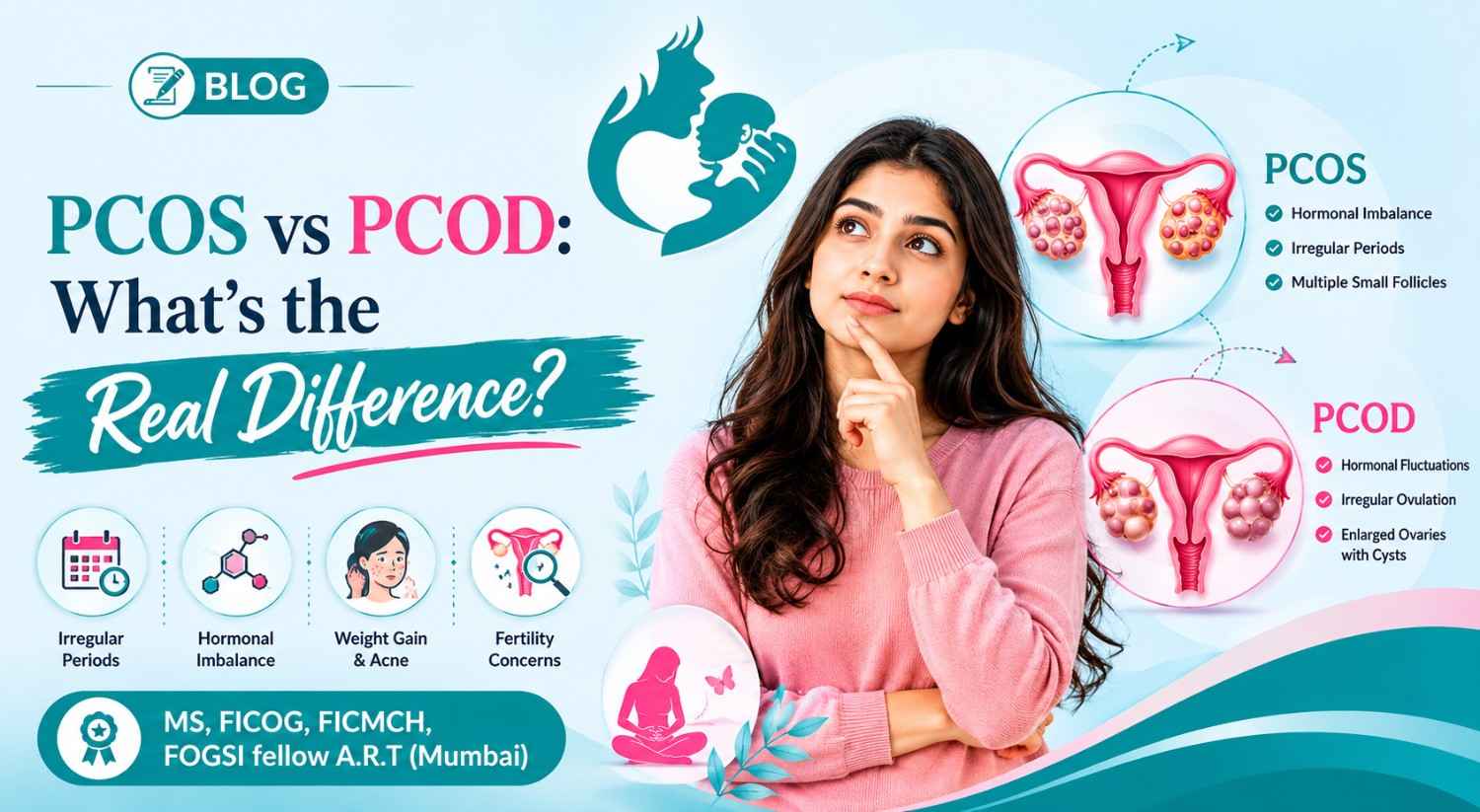
If you’ve ever searched for a PCOS doctor in South Delhi, chances are you’ve come across the terms PCOS and PCOD used almost interchangeably. While they sound similar and share certain symptoms, they are not exactly the same. Understanding the difference between the two can help you take better control of your health and seek the right treatment at the right time.
Understanding PCOD
PCOD (Polycystic Ovarian Disease) is a condition where the ovaries release immature or partially mature eggs, which over time turn into cysts. This causes enlargement of the ovaries and hormonal imbalances. Women with PCOD may experience irregular periods, weight gain, acne, and hair thinning.
The good news is that PCOD is quite common and can often be managed with lifestyle changes such as a balanced diet, regular exercise, and stress management. In many cases, symptoms improve significantly without the need for intensive medical treatment.
What is PCOS?
PCOS (Polycystic Ovary Syndrome), on the other hand, is a more serious metabolic and hormonal disorder. It affects not just the ovaries but the entire endocrine system. Women with PCOS produce higher levels of androgens (male hormones), which can interfere with ovulation.
Symptoms may include irregular or missed periods, excessive facial hair, acne, weight gain, and difficulty conceiving. Unlike PCOD, PCOS is a complex condition that may require long-term medical care. Seeking proper PCOS treatment in South Delhi or any trusted healthcare center is essential to manage symptoms and prevent complications like diabetes or heart issues.
Key Differences Between PCOS and PCOD
Although both conditions involve ovarian cysts and hormonal imbalance, the main difference lies in severity and impact. PCOD is generally considered less severe and more manageable with lifestyle adjustments. PCOS, however, is a syndrome that can have deeper metabolic consequences and may require medical intervention.
Another major difference is ovulation. In PCOD, ovulation may still occur occasionally, making pregnancy possible with minimal assistance. In PCOS, ovulation is often disrupted, which can lead to fertility challenges if left untreated.
Causes and Risk Factors
Both PCOD and PCOS are influenced by a mix of genetic and lifestyle factors. Poor diet, lack of exercise, stress, and hormonal imbalances can contribute to their development. Insulin resistance is more commonly associated with PCOS, which explains its link with conditions like obesity and type 2 diabetes.
When Should You See a Doctor?
If you notice persistent symptoms like irregular periods, sudden weight gain, or excessive hair growth, it’s wise to consult a specialist. A consultation with the best gynaecologist in Green Park Delhi can help you get an accurate diagnosis through ultrasound and hormone tests.
Final Thoughts
While PCOS and PCOD may appear similar, understanding their differences is key to managing them effectively. Early diagnosis, a healthy lifestyle, and the right medical guidance can make a significant difference in your overall well-being. If you’re unsure about your symptoms, don’t delay seeking expert advice; your body will thank you for it.