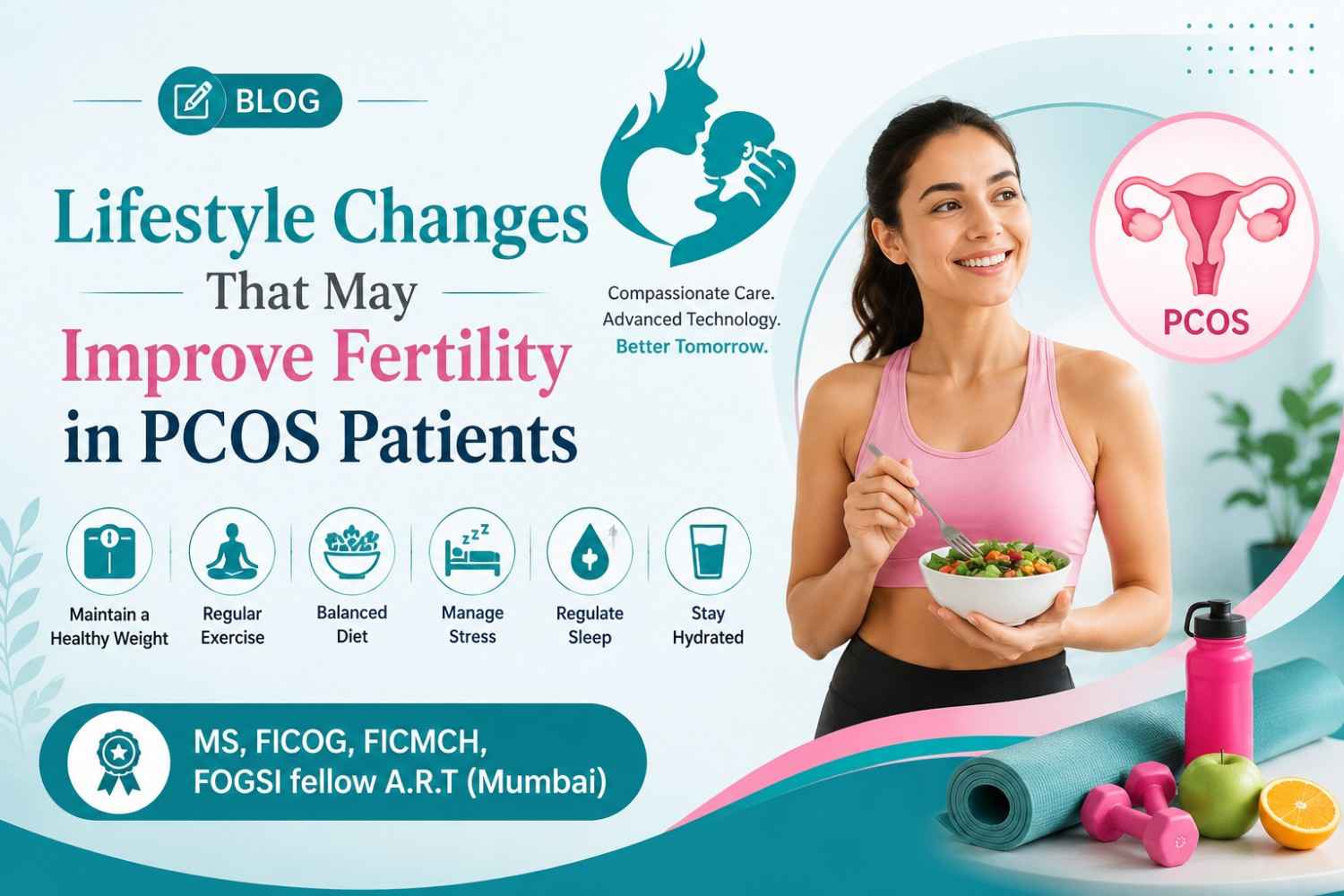
Lifestyle Changes That May Improve Fertility in PCOS Patients

PCOS treatment in South Delhi

Polycystic Ovary Syndrome (PCOS) is among the most common hormonal disorders that affect women of reproductive age. Along with irregular periods and weight fluctuations, PCOS can also make conception difficult for many women. However, making positive lifestyle adjustments can significantly improve fertility outcomes. Consulting an experienced infertility specialist in Greater Kailash can further help women understand the right combination of treatment, nutrition, and healthy habits to support natural conception.

Understanding the Connection Between PCOS and Fertility

PCOS affects the normal functioning of the ovaries, often leading to irregular ovulation or the absence of ovulation altogether. Since ovulation is essential for pregnancy, a hormonal imbalance caused by PCOS may reduce the chances of conception. Factors like insulin resistance, obesity, stress, and inflammation can worsen symptoms and impact reproductive health.

The good news is that even small lifestyle changes can help regulate hormones, improve ovulation, and support fertility naturally.

Maintain a Healthy Body Weight

Weight management plays a major role in improving fertility among women with PCOS. Excess body fat can increase insulin resistance and hormone imbalance, making ovulation more irregular.

Losing even 5–10% of body weight may help:

  • Restore regular menstrual cycles
  • Improve ovulation
  • Increase chances of a natural pregnancy
  • Enhance response to fertility treatments

A combination of balanced nutrition and regular physical activity often delivers the best results.

Follow a Balanced and PCOS-Friendly Diet

Diet directly influences hormone levels and insulin sensitivity. Women with PCOS should focus on eating nutrient-rich foods that help stabilize blood sugar levels.

Foods That May Help

  • Fresh fruits and green vegetables
  • Whole grains and fiber-rich foods
  • Lean protein sources
  • Healthy fats like nuts and seeds
  • Low-glycemic index foods

Foods to Limit

  • Sugary beverages
  • Refined carbohydrates
  • Processed snacks
  • Excess fried foods

A personalized nutrition plan prepared under the guidance of the best gynaecologist in South Delhi can help manage symptoms more effectively.

Exercise Regularly

Physical activity supports hormonal balance and improves insulin sensitivity. Women with PCOS do not necessarily need intense workouts; consistency matters more than intensity.

Helpful forms of exercise include:

  • Brisk walking
  • Yoga
  • Strength training
  • Cycling
  • Swimming

Regular exercise may also reduce stress levels and improve overall reproductive health.

Manage Stress and Sleep Quality

Stress can negatively affect hormones and ovulation. Many women with PCOS experience anxiety due to irregular cycles and fertility concerns, which may further worsen the hormonal imbalance.

To support fertility, it is important to:

  • Practice meditation or deep breathing
  • Sleep for 7–8 hours daily
  • Reduce screen time before bed
  • Maintain a consistent sleep routine

Good mental health and proper sleep patterns contribute to better hormonal regulation.

Avoid Smoking and Excess Alcohol

Smoking and excessive alcohol intake may reduce fertility and increase inflammation in the body. These habits can interfere with hormone production and egg quality, making conception more difficult.

Avoiding these substances can positively impact reproductive health and improve the effectiveness of fertility treatments.

Seek Timely Medical Guidance

While lifestyle changes are highly beneficial, some women may still require medical support for ovulation induction or fertility treatment. Early diagnosis and proper monitoring can prevent long-term complications and improve pregnancy outcomes.

Women experiencing irregular periods, weight gain, acne, or difficulty conceiving should not delay professional consultation. With the right combination of healthy habits and expert care, managing PCOS becomes easier, and fertility outcomes improve significantly. For comprehensive and personalized PCOS treatment in South Delhi, consulting an experienced specialist can make a meaningful difference in your reproductive journey.

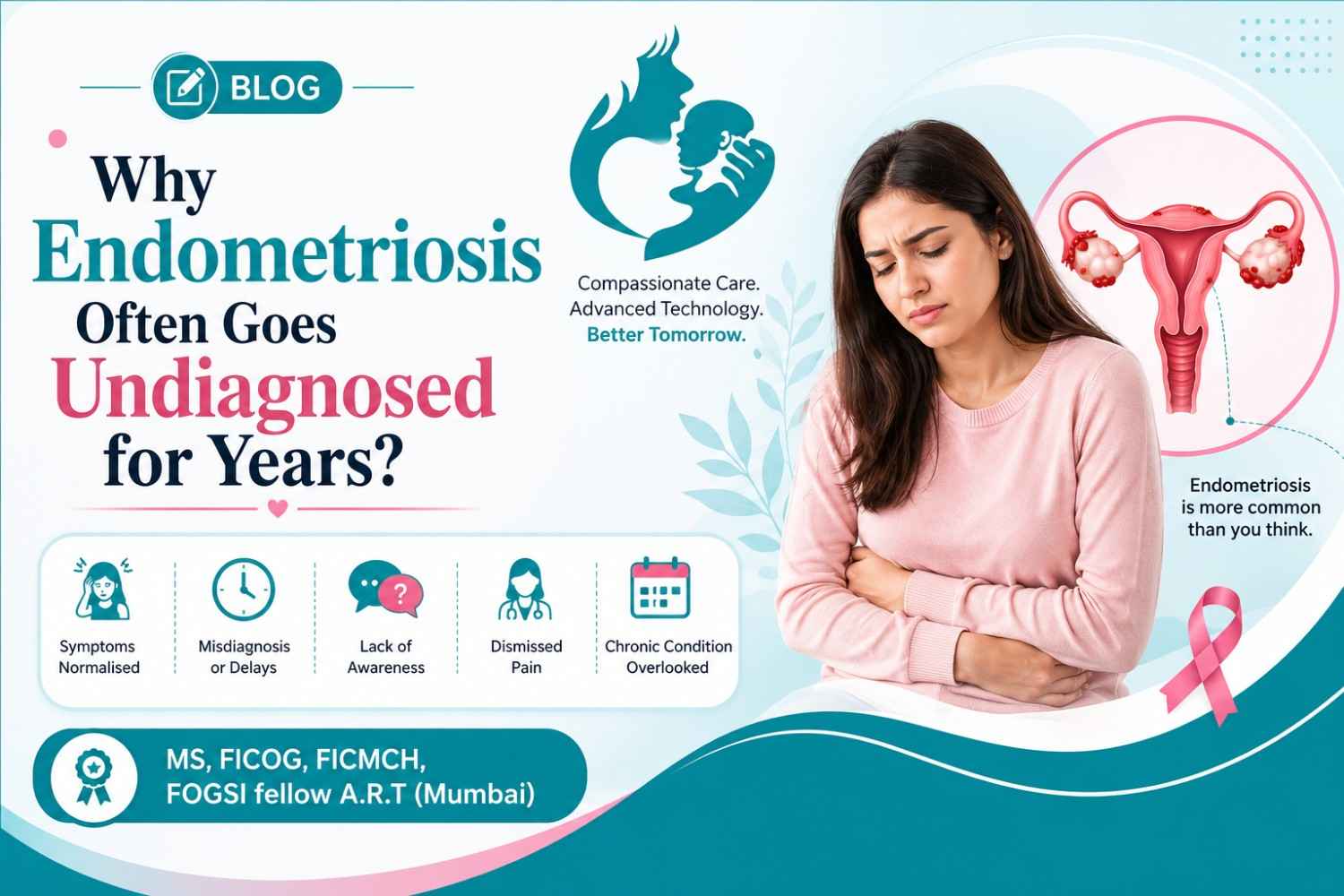
Why Endometriosis Often Goes Undiagnosed for Years?

endometriosis doctor in South Delhi

Endometriosis is a painful condition that affects millions of women globally and is often misunderstood. Despite being common, many women struggle for years before receiving the right diagnosis and treatment. Visiting an experienced endometriosis doctor in South Delhi can make a significant difference in identifying the condition early and managing symptoms effectively. Unfortunately, a lack of awareness and the similarity of symptoms to other health issues often delay proper diagnosis.

Understanding Endometriosis

Endometriosis occurs when tissue similar to the lining of the uterus starts growing outside the uterus. These abnormal tissue growths are commonly found on the ovaries, fallopian tubes, bladder, or pelvic lining. During menstrual cycles, these tissues behave like normal uterine lining, causing inflammation, pain, and sometimes scar tissue formation.

The condition can affect women differently. Some experience severe pelvic pain, while others may have mild symptoms or none at all. This variation is one of the reasons why diagnosing endometriosis becomes challenging.

Why Does Diagnosis Take So Long?

Symptoms Are Often Mistaken for Normal Period Pain

One of the biggest reasons endometriosis remains undiagnosed is that many women are told that painful periods are “normal.” Heavy bleeding, cramps, lower back pain, and fatigue are frequently ignored or treated with temporary medications without investigating the root cause.

Women often continue suffering silently for years before realizing their symptoms may indicate something more serious.

Symptoms Overlap with Other Conditions

Endometriosis symptoms can resemble several other medical conditions, including irritable bowel syndrome (IBS), urinary tract infections, ovarian cysts, or pelvic inflammatory disease. Because of this overlap, patients may receive multiple incorrect diagnoses before finding the actual cause of their pain.

Digestive issues such as bloating, constipation, or nausea can also confuse the diagnosis process, leading patients to consult different specialists before reaching a gynecologist.

Lack of Awareness

Many women are still unaware of endometriosis and its symptoms. In some cases, even healthcare providers may overlook early warning signs, especially if symptoms appear mild in the beginning.

Educational awareness around menstrual health remains limited, which contributes to delayed consultations and treatment.

The Role of Advanced Surgical Care

In advanced cases, endometriosis may lead to ovarian cysts known as endometriomas. These cysts can affect fertility and cause intense pain if left untreated. Modern robotic-assisted procedures now help surgeons remove cysts with greater precision and minimal damage to healthy tissue.

Consulting the Best Robotic Cystectomy Surgeon in South Delhi can help patients receive advanced treatment options that support quicker recovery, reduced pain, and improved reproductive health outcomes.

Common Signs You Should Not Ignore

Women should seek medical attention if they experience:

  • Severe menstrual cramps that disrupt daily life
  • Chronic pelvic pain
  • Pain during intercourse
  • Heavy or irregular periods
  • Difficulty conceiving
  • Pain during bowel movements or urination
  • Persistent bloating and fatigue

Early evaluation can help prevent complications and improve long-term quality of life.

Final Thoughts

Endometriosis is more than just painful periods. Delayed diagnosis can impact physical health, emotional well-being, relationships, and fertility. Raising awareness and encouraging women to speak openly about their symptoms are essential steps toward earlier detection.

If you are experiencing ongoing pelvic discomfort or unusual menstrual symptoms, consulting an experienced gynecologist doctor in South Delhi can help you get the right diagnosis and personalized treatment plan before the condition worsens.

The Growing Role of Robotics in Modern Gynecologic Surgery

Robotic Gynecologic Surgery in South Delhi

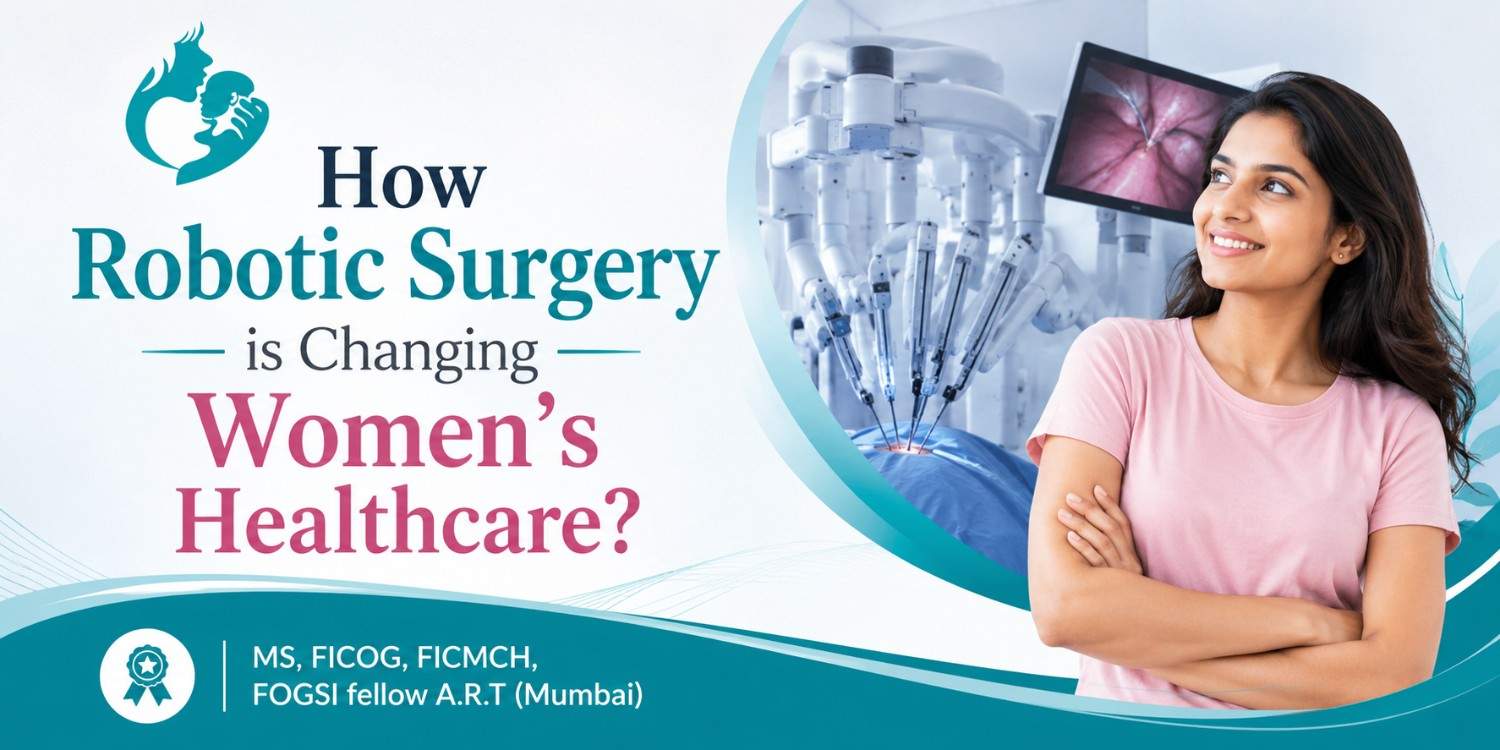
Gynecologic care has evolved significantly over the last decade, and robotic-assisted procedures are now changing the way many complex conditions are treated. From fibroid removal to hysterectomy, the demand for minimally invasive procedures continues to rise because of their precision, safety, and faster recovery benefits. Today, many women are actively exploring options for Robotic Gynecologic Surgery in South Delhi to receive advanced treatment with reduced discomfort and shorter hospital stays.

Understanding Robotic Gynecologic Surgery

Robotic gynecologic surgery is a minimally invasive surgical technique where surgeons use robotic technology to perform delicate procedures with enhanced precision. The robotic system does not work independently; instead, it is completely controlled by an experienced surgeon through a specialized console.

The technology provides high-definition 3D visualization and improved instrument movement, allowing surgeons to operate with better accuracy than conventional surgical methods. This approach is commonly used to treat conditions such as:

  • Uterine fibroids
  • Endometriosis
  • Ovarian cysts
  • Pelvic organ prolapse
  • Gynecologic cancers
  • Heavy menstrual bleeding

Because of smaller incisions and refined surgical control, robotic procedures are often preferred over traditional open surgeries.

Why Robotic Surgery is Becoming More Popular?

The increasing popularity of robotic-assisted surgery is largely due to the comfort and convenience it offers patients. Women undergoing gynecologic procedures today want treatments that allow them to return to their routine as quickly as possible.

Some major benefits include:

Smaller Incisions

Unlike traditional surgery, robotic procedures require only tiny cuts, resulting in minimal scarring and less tissue damage.

Reduced Blood Loss

Advanced robotic instruments help surgeons perform highly controlled movements, which often reduces bleeding during surgery.

Faster Recovery

Patients generally experience shorter hospital stays and quicker recovery times compared to open surgery.

Lower Risk of Complications

Robotic systems provide enhanced visibility and precision, helping reduce the chances of infection and surgical complications.

Robotic Surgery for Fibroid Treatment

Uterine fibroids are among the most common gynecologic conditions affecting women. While some fibroids can be managed with medication, larger or symptomatic fibroids often require surgical treatment.

In such cases, robotic myomectomy surgery in South Delhi is becoming a preferred option for women who wish to preserve their uterus while removing fibroids effectively. Robotic myomectomy allows surgeons to remove fibroids with greater precision while minimizing trauma to surrounding tissues.

This procedure is especially beneficial for women planning future pregnancies, as it helps maintain uterine integrity while reducing postoperative discomfort.

The Role of Advanced Technology in Better Outcomes

One of the biggest advantages of robotic-assisted surgery is the ability to perform complex procedures with improved accuracy. The robotic arms can rotate and move more freely than the human hand, enabling surgeons to work in difficult-to-reach areas with greater confidence.

Additionally, the magnified 3D view provides a clearer picture of internal organs and tissues, which supports safer surgical decisions. These advancements have contributed to improved patient outcomes and higher satisfaction rates in gynecologic care.

Choosing the Right Specialist Matters

While robotic technology offers several advantages, successful outcomes largely depend on the experience and expertise of the surgeon performing the procedure. Patients should always consult qualified specialists who are trained in advanced minimally invasive gynecologic techniques.

As awareness about minimally invasive treatment options continues to grow, more women are seeking experienced surgeons for safer and more effective care. Consulting a trusted fibroids surgeon in South Delhi can help patients understand the most suitable treatment approach based on their condition, symptoms, and long-term health goals.

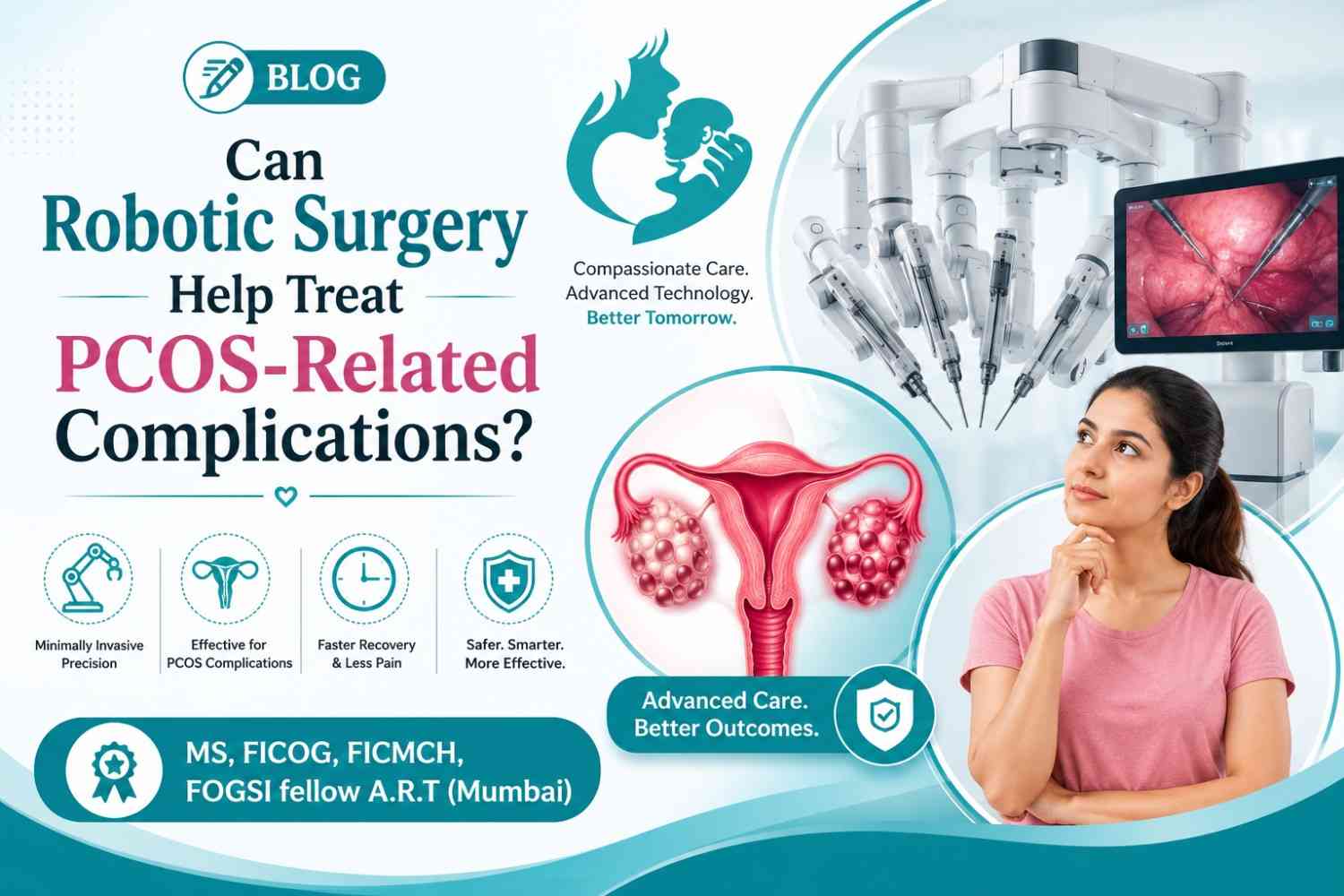
Can Robotic Surgery Help Treat PCOS-Related Complications?

Robotic Gynecologic Surgery in South Delhi

Polycystic Ovary Syndrome (PCOS) is a common condition that affects hormonal balance in women. It can lead to irregular periods, weight gain, infertility, ovarian cysts, and several metabolic issues. While lifestyle changes and medications remain the first line of care, certain complications may require advanced surgical treatment. Today, many women are exploring modern options for PCOS treatment in South Delhi that offer precision, faster recovery, and improved outcomes.

One such advancement is robotic-assisted gynecologic surgery.

Understanding PCOS and Its Complications

PCOS affects the ovaries and disrupts normal hormone levels. Some women experience mild symptoms, while others may face severe reproductive and gynecological complications. In many cases, untreated PCOS can increase the risk of:

  • Infertility
  • Ovarian cysts
  • Endometriosis
  • Heavy or irregular bleeding
  • Pelvic pain
  • Obesity-related complications

Most women respond well to medications and lifestyle management. However, when symptoms become difficult to control or fertility becomes a concern, doctors may recommend surgical intervention.

What Is Robotic Gynecologic Surgery?

Robotic surgery is a minimally invasive procedure performed using robotic-assisted technology controlled by an experienced surgeon. The system allows greater precision, improved visualization, and smaller incisions compared to traditional open surgery.

Today, many hospitals offering Robotic Gynecologic Surgery in South Delhi use advanced robotic systems to treat complex gynecological conditions associated with PCOS and related reproductive disorders.

The procedure is especially beneficial for women who need delicate surgical treatment while minimizing tissue damage and recovery time.

How Can Robotic Surgery Help Women with PCOS?

Robotic surgery itself does not “cure” PCOS, but it can effectively manage certain complications linked to the condition.

1. Treatment of Ovarian Cysts

Women with PCOS may develop enlarged ovaries or cyst-related complications. Robotic-assisted procedures help remove problematic cysts with high precision while preserving healthy ovarian tissue.

2. Fertility-Related Procedures

For women struggling with infertility, robotic surgery may assist in correcting structural reproductive problems such as adhesions, endometriosis, or blocked fallopian tubes that often coexist with PCOS.

3. Reduced Pain and Faster Recovery

Compared to traditional surgery, robotic procedures involve smaller cuts, less bleeding, minimal scarring, and shorter hospital stays. This makes recovery more comfortable for patients.

4. Better Surgical Accuracy

The robotic system offers enhanced magnification and movement control, allowing surgeons to perform highly accurate procedures in sensitive pelvic areas.

A qualified PCOD specialist doctor in South Delhi can evaluate whether robotic-assisted surgery is suitable based on the severity of symptoms and overall reproductive health.

Who May Need Robotic Surgery for PCOS?

Not every woman with PCOS requires surgery. Doctors generally consider robotic-assisted procedures when:

  • Medications fail to control symptoms
  • Large ovarian cysts are present
  • Severe pelvic pain affects daily life
  • Fertility issues require surgical correction
  • Associated gynecological conditions need treatment

The decision always depends on individual health conditions, age, fertility goals, and symptom severity.

Final Thoughts

PCOS can affect both physical and emotional well-being, especially when complications interfere with fertility and daily life. Thankfully, medical technology has significantly improved treatment possibilities. Robotic-assisted gynecologic procedures now offer women safer, more precise, and minimally invasive options for managing complex reproductive conditions.

If you are experiencing persistent symptoms, consulting the best gynecologist in South Delhi can help you understand the most suitable treatment approach for your condition and long-term reproductive health.