Can Abortion Affect Your Next Pregnancy?

best abortion doctor in Delhi

For many women, the decision to have an abortion is followed by an important question: Can abortion affect my chances of having a healthy pregnancy in the future? In most cases, a properly performed abortion does not reduce future fertility or prevent a woman from having a normal pregnancy. However, the method used, complications, and overall reproductive health can influence future pregnancy outcomes.

If you are concerned about fertility after an abortion, consulting the best abortion doctor in Delhi can help you understand your individual situation rather than relying on general information.

Does Abortion Affect Fertility?

A medically supervised abortion, when performed using an appropriate method and with proper follow-up care, generally does not affect a woman’s ability to conceive later. Both medical abortion and surgical abortion are considered safe when recommended and performed according to established medical standards.

However, complications such as an untreated infection or significant injury to the uterus can potentially affect reproductive health. This is why choosing qualified medical care and attending follow-up appointments is important.

What Can Influence Your Next Pregnancy?

Your future pregnancy may depend on several factors besides a previous abortion, including age, menstrual health, existing gynecological conditions, previous pregnancies, and overall health.

Factor Possible relevance to future pregnancy
Uncomplicated abortion Usually does not affect fertility
Untreated infection May affect reproductive health
Uterine injury Rare complication that may require treatment
Existing gynecological condition Can independently influence conception or pregnancy
Follow-up care Helps identify and manage complications early

It is also important to remember that having difficulty conceiving after an abortion does not necessarily mean the abortion caused infertility. Fertility can change over time, and conditions such as PCOS, endometriosis, thyroid disorders, age-related changes, or male-factor infertility may also contribute.

When Should You See a Gynecologist?

If you have previously undergone an abortion and are planning another pregnancy, a preconception consultation can be useful. Your doctor may review your medical history, menstrual cycle, previous pregnancy details, medications, and any complications associated with the abortion.

You should seek medical advice if you experience persistent pelvic pain, unusual vaginal discharge, abnormal bleeding, fever, irregular periods, or difficulty conceiving.

Choosing the best Gynecologist doctor in South Delhi can help you receive individualized guidance based on your reproductive history rather than following generic advice.

Choosing the Right Abortion Care

If you are considering an abortion, proper medical assessment is important before deciding on a treatment approach. The doctor may determine the pregnancy duration, assess your health, and discuss suitable options and possible risks.

Women looking for a gynecologist in South Delhi should consider factors such as appropriate medical qualifications, experience, safe clinical practices, privacy, and availability of follow-up care. Similarly, when searching for the best abortion clinic in South Delhi, it is important to choose a properly equipped and medically supervised facility.

Can You Have a Healthy Pregnancy After Abortion?

Yes. Most women can conceive and have a healthy pregnancy after an uncomplicated abortion. Having an abortion in the past does not automatically mean that your next pregnancy will be high-risk.

If you are planning pregnancy after an abortion, discuss your individual history with a qualified gynecologist. Appropriate preconception care, healthy lifestyle choices, and timely medical evaluation can help you prepare for your next pregnancy with greater confidence.
Annual Gynecological Checkup: What Every Woman Should Expect

Best Gynecologist doctor in South Delhi

Regular health checkups are one of the simplest ways to protect your long-term well-being. While many women visit a gynecologist only when they experience discomfort, an annual gynecological checkup plays a much bigger role. It helps detect potential health concerns early, supports preventive care, and provides an opportunity to discuss any changes in your reproductive or overall health.

Whether you’re in your twenties or approaching menopause, scheduling a yearly visit with the Best Gynecologist doctor in South Delhi can help you stay informed and confident about your health.

Why Is an Annual Gynecological Checkup Important?

A yearly gynecological examination focuses on maintaining your reproductive health while identifying conditions that may not show noticeable symptoms in their early stages. Early diagnosis often leads to simpler treatments and better outcomes.

Your doctor may evaluate menstrual health, hormonal changes, fertility concerns, contraception, sexual wellness, and symptoms related to menopause, depending on your age and medical history.

What Happens During the Appointment?

Every consultation is personalized, but most annual checkups include the following:

A Detailed Health Discussion

The visit usually begins with a conversation about your medical history, menstrual cycle, lifestyle, medications, pregnancies, and any symptoms you may have experienced since your last visit. Be honest about any concerns, as this information helps your doctor provide the right guidance.

Physical and Pelvic Examination

A general physical examination may include checking your blood pressure, weight, and overall health. Depending on your age and symptoms, your gynecologist may recommend a pelvic examination to assess the health of your reproductive organs.

If necessary, a Pap smear or HPV screening may also be suggested to detect early cervical changes.

Questions You Shouldn’t Hesitate to Ask

An annual visit is an excellent opportunity to discuss topics that often go unanswered, including:

  • Irregular or painful periods
  • Birth control options
  • Family planning
  • Vaginal infections
  • Sexual health
  • Menopause symptoms
  • Breast health

No concern is too small when it comes to your health.

Screening for Common Gynecological Conditions

Many gynecological conditions develop gradually without obvious symptoms. Routine examinations help identify problems such as ovarian cysts, fibroids, hormonal imbalances, cervical abnormalities, and endometriosis.

Women experiencing persistent pelvic pain or painful menstrual cycles should consult the best endometriosis doctor in South Delhi, as timely diagnosis can significantly improve quality of life and preserve fertility.

Preparing for Your Appointment

Preparing early can make your visit more productive. Keep a record of your menstrual cycle, list any medications you’re taking, and write down questions you’d like to discuss. If possible, avoid scheduling your appointment during heavy menstrual bleeding unless your symptoms require immediate attention.

Choosing the best gynaecologist in South Delhi ensures that you receive compassionate care, evidence-based advice, and appropriate screening recommendations based on your individual health needs.

Take Charge of Your Health

Annual gynecological checkups are not just about treating illness; they are about preventing it. They empower women to understand their bodies, address concerns early, and make informed healthcare decisions.

Whether you are planning a family, managing menstrual concerns, or simply prioritizing preventive healthcare, regular visits to the best gyno doctor in South Delhi can help you maintain lifelong reproductive and overall wellness. A single appointment each year can make a meaningful difference in protecting your health for years to come.

Can PCOS Be Cured? What Doctors Want You to Know

PCOS treatment in South Delhi

When women first search for answers about irregular periods, weight gain, or hormonal acne, they often end up consulting a gynecologist doctor in South Delhi with one pressing question: Can PCOS be cured? Although Polycystic Ovary Syndrome (PCOS) affects women worldwide, many aspects of the condition are still misunderstood. Doctors agree that while PCOS may not have a permanent “cure,” it can be effectively managed, allowing women to live healthy, fulfilling lives.

Understanding PCOS Beyond the Myths

PCOS is linked to hormonal changes that impact ovulation and ovarian function. It is commonly linked with irregular menstrual cycles, excess androgen (male hormone) levels, and polycystic ovaries. However, not every woman with PCOS experiences the same symptoms. Some struggle with fertility, while others face skin issues, mood changes, or metabolic concerns.

One common misconception is that PCOS only affects overweight women. In reality, lean women can also have PCOS. Doctors emphasize that early diagnosis plays a crucial role in preventing long-term complications such as diabetes, heart disease, and infertility.

Can PCOS Really Be Cured?

Medical experts are clear on one point: PCOS is a chronic condition, not a short-term illness. This means it cannot be “cured” in the traditional sense. However, the good news is that symptoms can be controlled effectively through a combination of lifestyle changes, medical treatment, and ongoing monitoring.

With the right approach, many women experience regular periods, improved fertility, reduced acne, and better emotional well-being. This is why doctors focus more on management rather than a one-time solution.

Treatment Depends on Your Symptoms

There is no one-size-fits-all plan for PCOS. Treatment is tailored based on a woman’s age, symptoms, and reproductive goals. Options may include:

  • Making dietary improvements and maintaining a regular workout routine
  • Medications to regulate periods or manage insulin resistance
  • Treatments for acne or excess hair growth
  • Fertility-focused care for women planning pregnancy

For women seeking specialized care, PCOS treatment in South Delhi often includes a holistic approach that addresses both hormonal balance and long-term health risks.

Why Lifestyle Changes Matter So Much?

Doctors consistently stress that lifestyle management is the foundation of PCOS care. Even a modest weight loss of 5–10% can significantly improve symptoms in many women. Regular physical activity helps improve insulin sensitivity, while a nutrient-rich diet supports hormonal balance.

Stress management is equally important. Chronic stress can worsen hormonal imbalances, making symptoms harder to control. Simple practices like yoga, meditation, or consistent sleep routines can make a noticeable difference.

Fertility and PCOS: What to Expect

PCOS is one of the most common causes of ovulation-related infertility, but it does not mean pregnancy is impossible. PCOS does not eliminate the possibility of pregnancy, as many women conceive naturally or with professional medical care. Doctors reassure patients that with timely intervention and proper guidance, fertility outcomes are often very positive.

Choosing the Best gynecologist doctor in South Delhi ensures personalized fertility planning, accurate diagnosis, and emotional support throughout the journey.

The Takeaway Doctors Want You to Remember

PCOS may be lifelong, but it does not have to control your life. With early diagnosis, consistent care, and informed choices, symptoms can be managed successfully. Regular follow-ups, lifestyle awareness, and expert medical guidance make all the difference—especially when supported by trusted PCOS treatment in South Delhi.

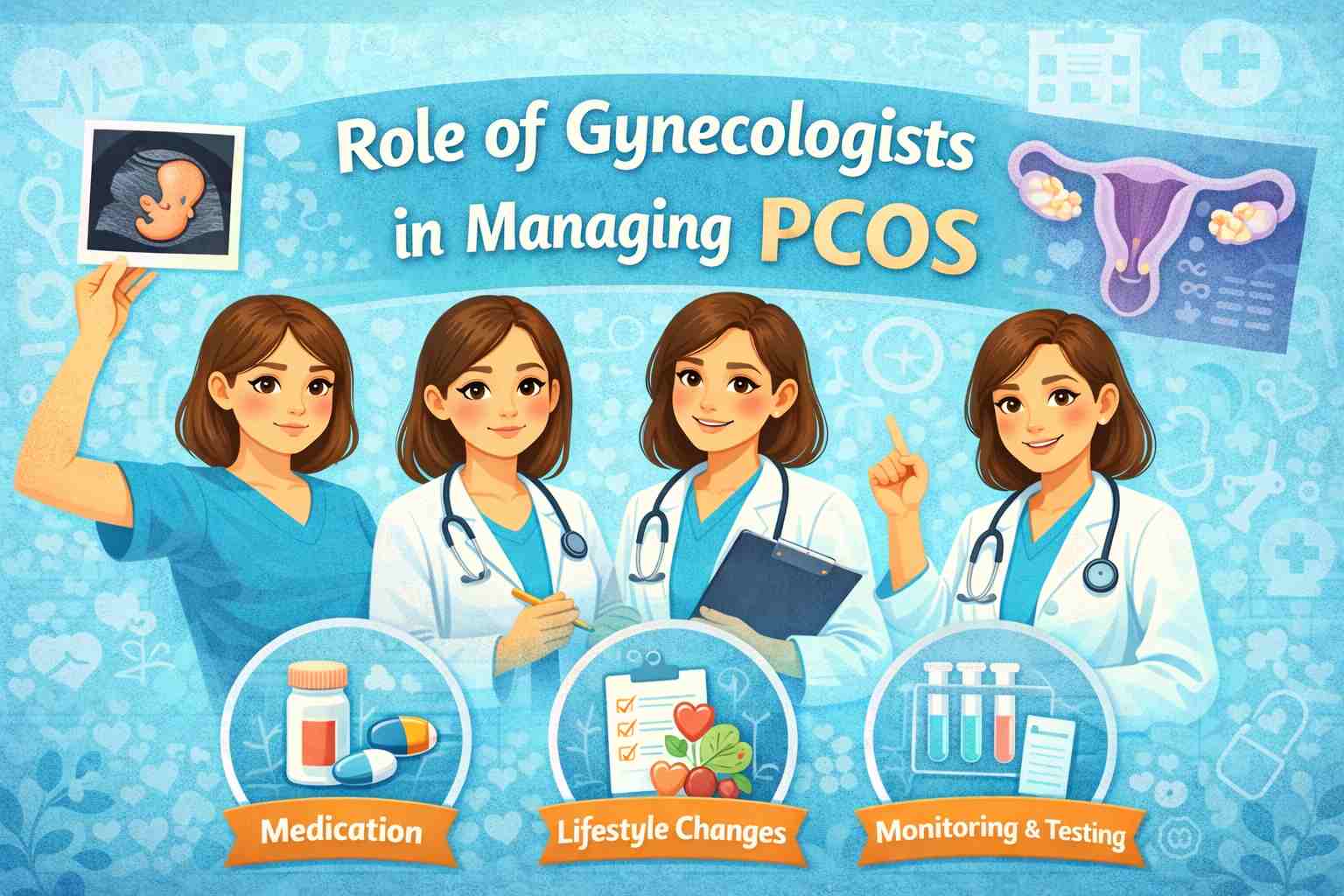
Role of Gynecologists in Managing PCOS

best gynecologist doctor in South Delhi

The best gynecologist doctor in South Delhi plays a crucial role in helping women understand, manage, and live well with Polycystic Ovary Syndrome (PCOS). PCOS is a common hormonal disorder that affects women of reproductive age and can impact menstrual health, fertility, weight, and overall well-being. Since symptoms vary widely from one woman to another, professional gynecological care becomes essential for accurate diagnosis and long-term management.

Understanding PCOS and Its Impact on Women’s Health

PCOS is characterized by hormonal imbalance, irregular menstrual cycles, and the presence of multiple small cysts in the ovaries. Women with PCOS may experience symptoms such as acne, excessive hair growth, weight gain, mood changes, and difficulty conceiving. Beyond physical symptoms, the condition can also affect emotional health, leading to stress and anxiety if left unmanaged.

Early diagnosis is key to preventing complications such as diabetes, heart disease, and infertility. This is where timely consultation with an experienced gynecologist becomes invaluable.

Accurate Diagnosis and Individualized Assessment

A gynecologist begins PCOS management with a thorough evaluation, which includes understanding medical history, menstrual patterns, lifestyle habits, and family history. Diagnostic tools such as ultrasound scans, blood tests, and hormone level assessments help confirm the condition.

Between symptoms and long-term health risks, choosing the best gynecologist in South Delhi ensures that diagnosis is not rushed or generalized. Instead, the focus remains on understanding how PCOS uniquely affects each patient, allowing for a more personalized care plan.

Creating a Personalized Treatment Plan

PCOS does not have a one-size-fits-all treatment. Gynecologists tailor treatment plans based on a woman’s age, symptoms, and future goals such as pregnancy. Management may include regulating menstrual cycles, controlling hormone levels, and addressing visible symptoms like acne or hair growth.

Lifestyle modification is often the foundation of PCOS management. Gynecologists guide patients on diet changes, weight management, and physical activity that can significantly reduce symptoms. In the middle of treatment planning, medication may be introduced to regulate periods, improve insulin sensitivity, or support ovulation when needed.

A skilled PCOS doctor in South Delhi ensures that medical treatment and lifestyle guidance work hand in hand for sustainable results.

Fertility Support and Reproductive Guidance

For women trying to conceive, PCOS can be emotionally challenging. Gynecologists play a vital role in fertility counseling by monitoring ovulation, prescribing fertility-supporting medications, and offering reassurance throughout the journey.

They also help patients understand when advanced reproductive techniques may be necessary and ensure that decisions are made with clarity and confidence. Emotional support during this phase is just as important as medical care, and a compassionate gynecologist helps reduce anxiety related to fertility concerns.

Long-Term Monitoring and Preventive Care

PCOS is a lifelong condition that requires regular follow-ups. Gynecologists monitor hormonal balance, metabolic health, and menstrual regularity over time. Preventive care includes screening for diabetes, cholesterol issues, and cardiovascular risks, which are more common in women with PCOS.

By maintaining consistent medical supervision, women can avoid complications and lead a healthy, balanced life. With proper guidance from the best gynecologist doctor in South Delhi, managing PCOS becomes a structured, supportive, and empowering journey rather than a constant struggle.