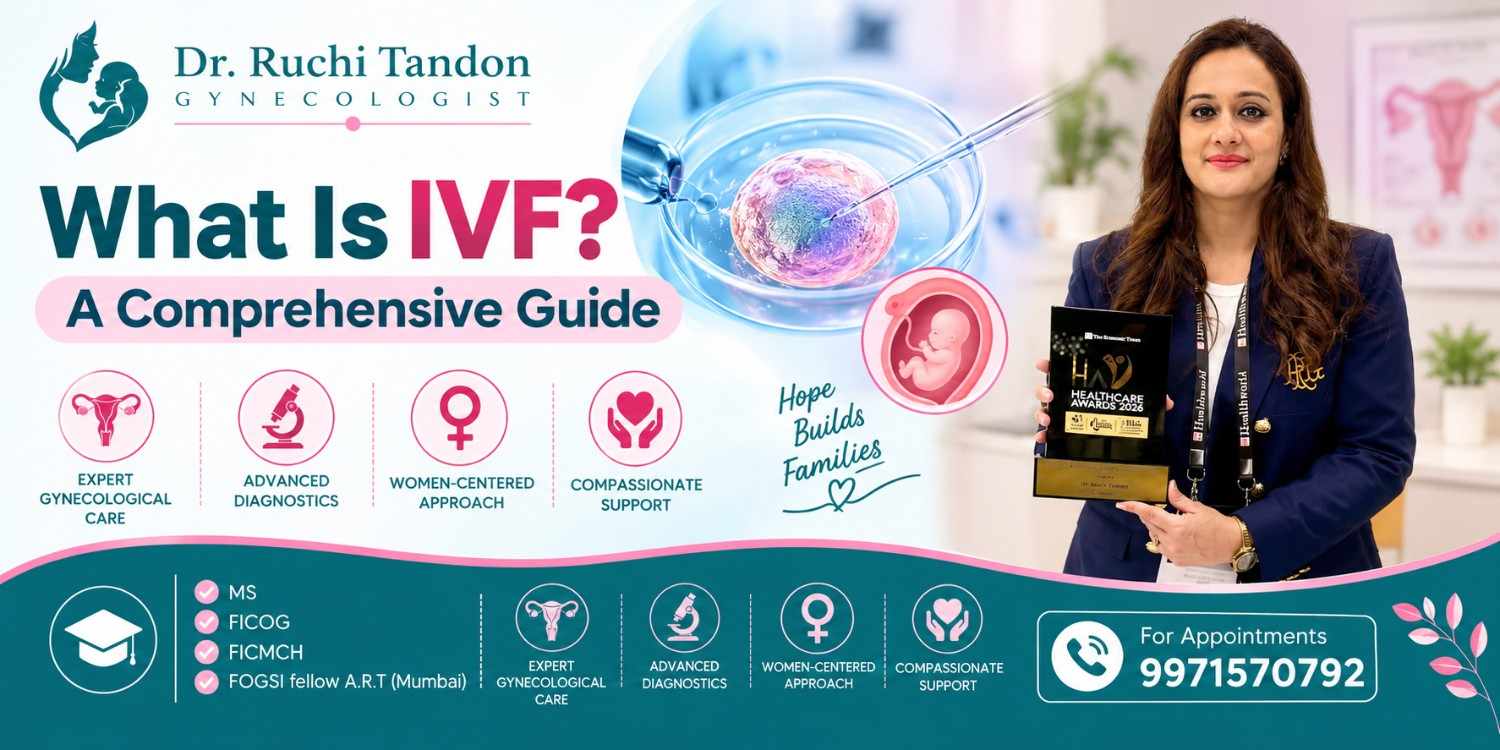
What Is IVF? A Comprehensive Guide

best IVF doctor in South Delhi

In vitro fertilisation (IVF) is one of the most established assisted reproductive techniques used to help individuals and couples facing difficulties conceiving naturally. IUI is a fertility treatment where prepared sperm is placed directly inside the uterus around the time of ovulation. While the treatment is widely known, every IVF journey is different and should be planned according to the couple’s medical history, age, fertility factors, and treatment goals.

How Does IVF Treatment Work?

IVF generally involves several carefully monitored stages. First, fertility medicines may be prescribed to stimulate the ovaries so that multiple eggs can develop. These eggs are then collected through a procedure called egg retrieval. In the laboratory, the eggs are fertilised with sperm, and the resulting embryos are monitored for development.

A suitable embryo can then be transferred into the uterus. If implantation occurs successfully, pregnancy can develop. Depending on the individual situation, additional embryos may be frozen for possible future use.

Because IVF requires medical assessment and monitoring throughout the process, choosing an experienced fertility specialist is an important part of treatment planning.

Who May Benefit From IVF?

IVF may be considered for people experiencing different fertility challenges, including blocked or damaged fallopian tubes, certain male-factor infertility problems, ovulation disorders, endometriosis, or unexplained infertility. It may also be recommended after other fertility treatments have not produced the desired results.

Age is another important consideration because both egg quantity and quality can change over time. A fertility specialist evaluates these and other factors before recommending an appropriate treatment approach.

Choosing the Right IVF Specialist

Selecting the best IVF doctor in South Delhi should involve more than simply looking at clinic facilities or success claims. Patients should consider the doctor’s qualifications, experience, approach to individualised treatment, laboratory facilities, and ability to clearly explain potential benefits, limitations, and risks.

A consultation with an experienced specialist can help determine whether IVF treatment in South Delhi is appropriate and what investigations may be required before beginning treatment.

For women who require broader reproductive or gynaecological care, consulting a best gynaecologist in Green Park Delhi can also be valuable, particularly when fertility concerns coexist with conditions affecting the uterus, ovaries, or reproductive health.

What About Other Gynaecological Procedures?

Some women considering fertility treatment may also have fibroids, endometriosis, ovarian cysts, or other gynaecological conditions that require treatment. In some cases, the gynecologist may suggest a minimally invasive approach. Robotic gynecologic surgery in South Delhi is one advanced surgical option that may be appropriate for certain conditions after careful evaluation. However, robotic surgery is not suitable or necessary for every patient.

Final Thoughts

IVF can offer a valuable treatment option for many people experiencing infertility, but it is not a one-size-fits-all procedure. Proper evaluation, realistic expectations, personalised treatment planning and ongoing medical guidance are essential. If you are considering IVF, discuss your fertility history and available options with a qualified fertility specialist before making treatment decisions.
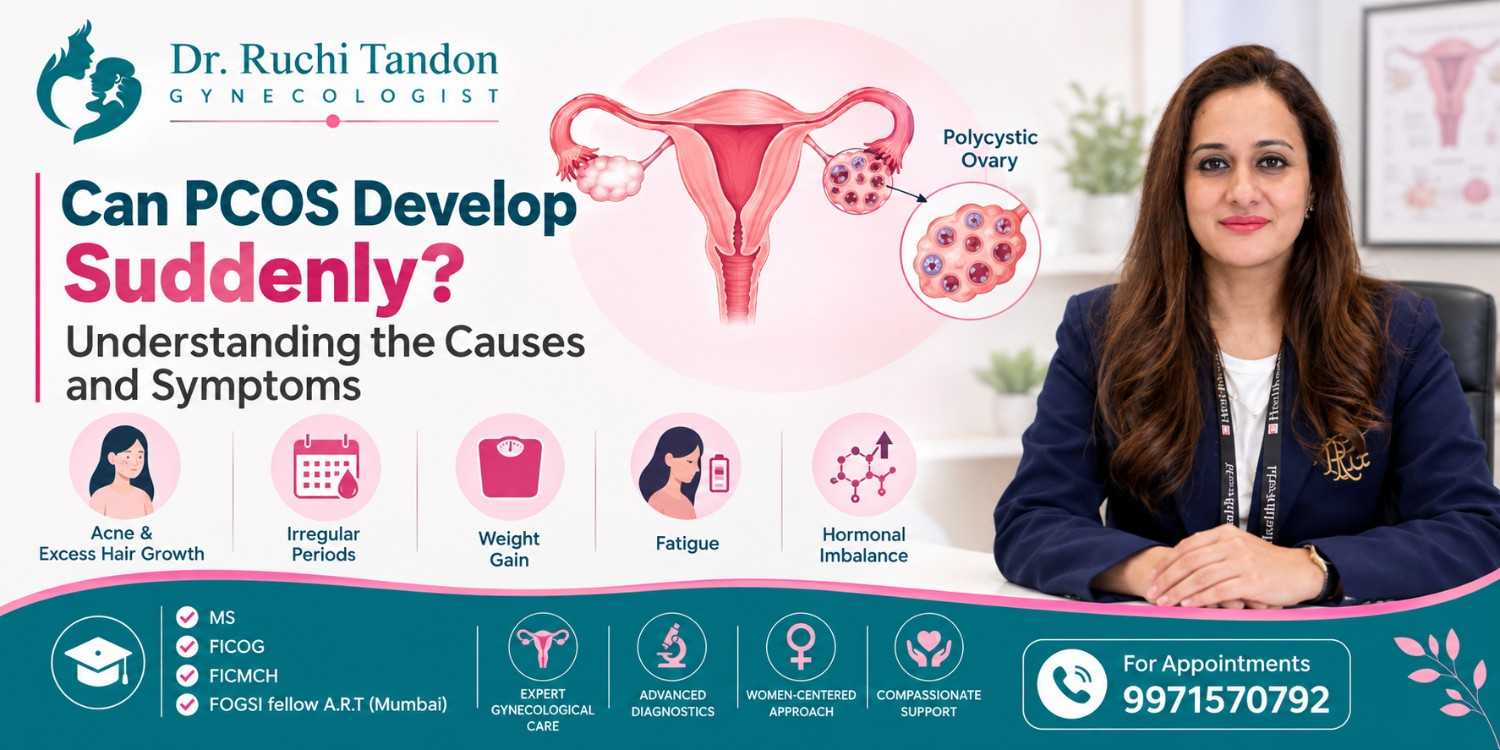
Can PCOS Develop Suddenly? Understanding the Causes and Symptoms

best PCOS doctor in South Delhi

Polycystic ovary syndrome (PCOS) is a common hormonal and metabolic condition that can affect women during their reproductive years. One question many women ask is, “Can PCOS develop suddenly?” The answer is more nuanced than a simple yes or no. PCOS does not usually appear overnight, but its symptoms can become noticeable quite suddenly, even when hormonal changes have been developing gradually.

Why Can PCOS Symptoms Seem to Appear Suddenly?

PCOS is associated with hormonal imbalance, insulin resistance, irregular ovulation and, in some women, increased androgen levels. These changes may remain subtle for some time before symptoms become noticeable.

Changes in weight, stress, sleep patterns, physical activity, diet and certain medications can sometimes influence hormonal balance and make existing symptoms more apparent. Some women may suddenly notice irregular periods, increased facial or body hair, persistent acne, or difficulty conceiving.

However, these symptoms do not automatically mean PCOS. Thyroid disorders, elevated prolactin, perimenopause, certain medications, and other hormonal conditions can cause similar changes. A proper medical evaluation is therefore important before assuming that PCOS is the cause.

What Are the Common Symptoms of PCOS?

PCOS can present differently from one woman to another. Common symptoms include:

  • Irregular, delayed, or missed periods
  • Excess facial or body hair
  • Persistent or adult-onset acne
  • Unexplained weight gain or difficulty losing weight
  • Hair thinning or increased hair loss from the scalp
  • Darkened skin, particularly around the neck or folds
  • Difficulty with ovulation or conception

Not every woman with PCOS experiences all of these symptoms. Some may primarily have menstrual irregularities, while others may seek medical advice because of fertility concerns.

How Is PCOS Diagnosed?

There is no single test that confirms PCOS in every patient. A gynecologist generally considers the menstrual history, symptoms, medical history, and physical findings. Depending on the situation, blood tests may be recommended to assess hormone levels and exclude other conditions. An ultrasound may also be advised when clinically appropriate.

Importantly, having polycystic-appearing ovaries on an ultrasound does not necessarily mean that a woman has PCOS. Diagnosis should be based on the overall clinical picture rather than one finding alone.

When Should You Consult a Doctor?

If your periods have become consistently irregular, you develop unexplained excess hair growth or acne, or you are experiencing difficulty conceiving, it is sensible to seek professional advice. Consulting a qualified gynecologist in South Delhi can help identify whether PCOS or another hormonal condition is responsible.

Women planning pregnancy should also discuss persistent menstrual irregularities or suspected PCOS with their doctor. If pregnancy involves additional medical concerns, seeking advice from experienced high risk pregnancy doctors in South Delhi may be appropriate.

PCOS Treatment Is Individualised

PCOS treatment depends on your symptoms, reproductive goals and overall health. Management may include lifestyle modifications, medicines to regulate periods or address androgen-related symptoms, and fertility treatment when pregnancy is desired. Early evaluation can help manage symptoms and reduce the risk of longer-term complications.

If you are looking for the best PCOS doctor in South Delhi, choose a specialist who takes a comprehensive approach rather than focusing only on individual symptoms. Similarly, PCOS treatment in South Delhi should be tailored to your specific hormonal, metabolic, and reproductive needs.

PCOS may not truly “develop overnight,” but its symptoms can become noticeable quickly. Recognising the changes and getting an appropriate evaluation can help you understand what is happening and choose the right treatment approach.

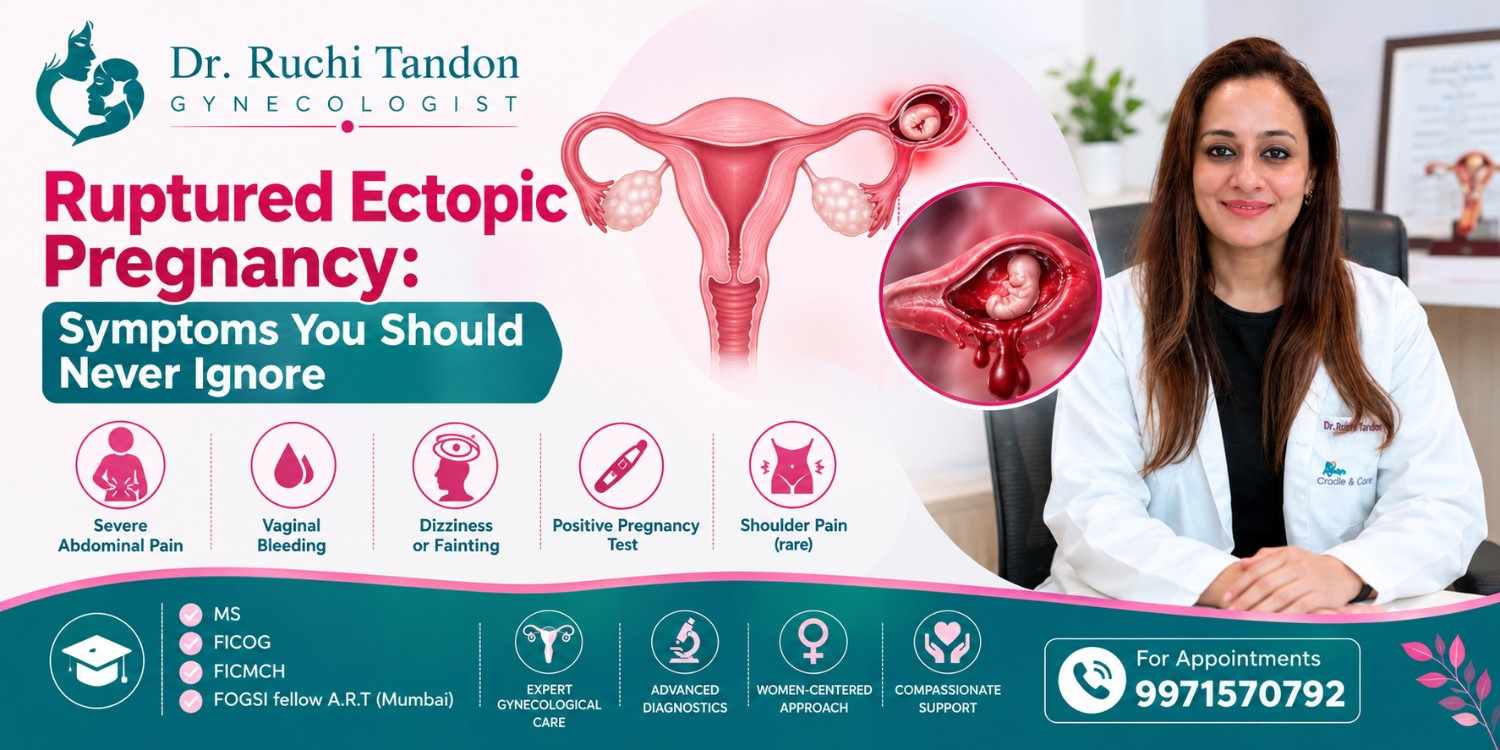
Ruptured Ectopic Pregnancy: Symptoms You Should Never Ignore

ectopic pregnancy treatment in South Delhi

A ruptured ectopic pregnancy is a serious medical emergency that requires immediate ectopic pregnancy treatment in South Delhi. An ectopic pregnancy occurs when a fertilized egg implants outside the uterus, most commonly in a fallopian tube. As the pregnancy grows, the tube may rupture and cause internal bleeding. Recognising the warning signs early can be life-saving.

What Happens During a Ruptured Ectopic Pregnancy?

In a normal pregnancy, the implantation of the fertilised egg occurs inside the uterus. In an ectopic pregnancy, implantation occurs elsewhere, where the pregnancy cannot develop safely. If the affected fallopian tube ruptures, significant internal bleeding can occur.

Not every ectopic pregnancy causes obvious symptoms at first. This is why early pregnancy assessment is particularly important when there is abdominal pain, vaginal bleeding, or other concerning symptoms.

Symptoms You Should Never Ignore

Seek emergency medical attention if you experience symptoms such as:

  • Sudden or severe pain in the lower abdomen or pelvis, particularly on one side
  • Vaginal bleeding or spotting during early pregnancy
  • Pain that may extend to the shoulder, especially when accompanied by weakness or abdominal pain
  • Dizziness, fainting, extreme weakness, or a feeling that you may collapse
  • Pale, clammy skin or a rapid heartbeat
  • Severe abdominal tenderness or increasing pain

These symptoms can indicate internal bleeding and should not be managed at home. If you are pregnant or believe you may be pregnant and develop severe pain, bleeding, dizziness, or fainting, seek emergency medical care immediately.

Who May Be at Higher Risk?

Several factors may increase the likelihood of ectopic pregnancy, including a previous ectopic pregnancy, damage or disease affecting the fallopian tubes, certain fertility treatments, pelvic infections, and previous tubal surgery. However, an ectopic pregnancy can also occur in women without known risk factors.

Conditions such as PCOS do not automatically mean that a woman will develop an ectopic pregnancy, although women undergoing fertility treatment may require appropriate early pregnancy monitoring. Women seeking PCOS treatment in South Delhi should discuss their individual reproductive plans and pregnancy risks with a qualified gynecologist.

How Is Ectopic Pregnancy Diagnosed and Treated?

Doctors generally evaluate symptoms, pregnancy hormone levels, and ultrasound findings to determine where the pregnancy is located. Treatment depends on factors such as whether the pregnancy has ruptured, the amount of internal bleeding, pregnancy hormone levels, and the patient’s overall condition.

A ruptured ectopic pregnancy usually requires urgent surgical management to control internal bleeding and remove the ectopic pregnancy. Timely diagnosis and treatment can significantly reduce the risk of serious issues.

If you are looking for ectopic pregnancy treatment in South Delhi, choose a gynecologist who can provide timely assessment and coordinate emergency care when required. Women with complicated pregnancies may also benefit from consultation with high risk pregnancy doctors in South Delhi, particularly when previous pregnancy complications or other risk factors are present.

Don’t Ignore Warning Signs

A ruptured ectopic pregnancy can become life-threatening within a short period. Severe one-sided abdominal pain, vaginal bleeding, dizziness, fainting, shoulder pain, or sudden weakness during early pregnancy should never be ignored.

Early pregnancy evaluation is important whenever symptoms are concerning. Choosing an experienced and the best gynecologist in South Delhi for appropriate assessment and follow-up can help identify complications early and support safer pregnancy care.

Personalized Gynecology: Why One Treatment Doesn’t Work for Every Woman

best gynecologist in South Delhi

Women’s health is deeply individual. Two women may experience similar symptoms, such as irregular periods, pelvic pain, infertility, heavy bleeding, or hormonal changes, but the underlying causes can be completely different. This is why modern gynecology increasingly focuses on personalized care rather than applying the same treatment approach to every patient.

Why Personalized Gynecological Care Matters

A woman’s age, menstrual history, reproductive goals, medical history, lifestyle, hormone levels, and previous treatments can all influence diagnosis and treatment decisions. For example, irregular periods may be associated with PCOS in one woman, thyroid dysfunction in another, or perimenopausal changes in someone else.

A personalized approach begins with understanding the complete clinical picture. Depending on the concern, a gynecologist may recommend a physical examination, blood tests, ultrasound, hormonal evaluation, or other appropriate investigations before suggesting treatment.

This approach helps ensure that treatment addresses the underlying problem rather than simply managing symptoms.

Personalized Treatment for Different Reproductive Goals

Gynecological care also changes according to a woman’s stage of life and reproductive plans. A woman seeking contraception will have different priorities from someone planning pregnancy or undergoing fertility treatment.

Similarly, pregnancy care needs to be tailored according to individual risk factors. Women with conditions such as hypertension, diabetes, previous pregnancy complications, or other medical concerns may require closer monitoring and specialist management. Consulting experienced high risk pregnancy doctors in South Delhi can be particularly important when pregnancy involves additional maternal or fetal risks.

The Role of Experience in Individualized Care

Choosing a gynecologist is not simply about finding someone who treats a particular condition. It is also about finding a doctor who listens carefully, explains available options, evaluates risks and benefits, and develops a treatment plan suited to the individual patient.

Women looking for the best gynecologist in South Delhi should consider factors such as clinical experience, qualifications, approach to patient communication, range of gynecological services, and access to appropriate diagnostic facilities.

For women living around Green Park and nearby areas, consulting the best gynecologist in Green Park Delhi can provide convenient access to personalized gynecological evaluation and ongoing care.

Personalized Care Means Shared Decision-Making

Effective gynecology is not only about prescribing medication or recommending a procedure. It involves discussing the diagnosis, treatment choices, expected outcomes, possible risks, and alternatives with the patient. This allows women to participate actively in decisions concerning their health.

The best gynecologist doctor in South Delhi should therefore combine medical expertise with attentive, individualized care. Whether the concern involves menstrual disorders, fertility, pregnancy, menopause, pelvic pain, or routine preventive care, treatment should be based on the woman, not simply the condition.

Personalized gynecology recognizes an important reality: there is no single treatment that is right for every woman. Individual assessment, evidence-based medical decisions, and ongoing communication can help create safer and more meaningful healthcare experiences at every stage of a woman’s life.