Top 5 Myths About PCOS Treatment Busted by Experts

PCOS doctor in South Delhi

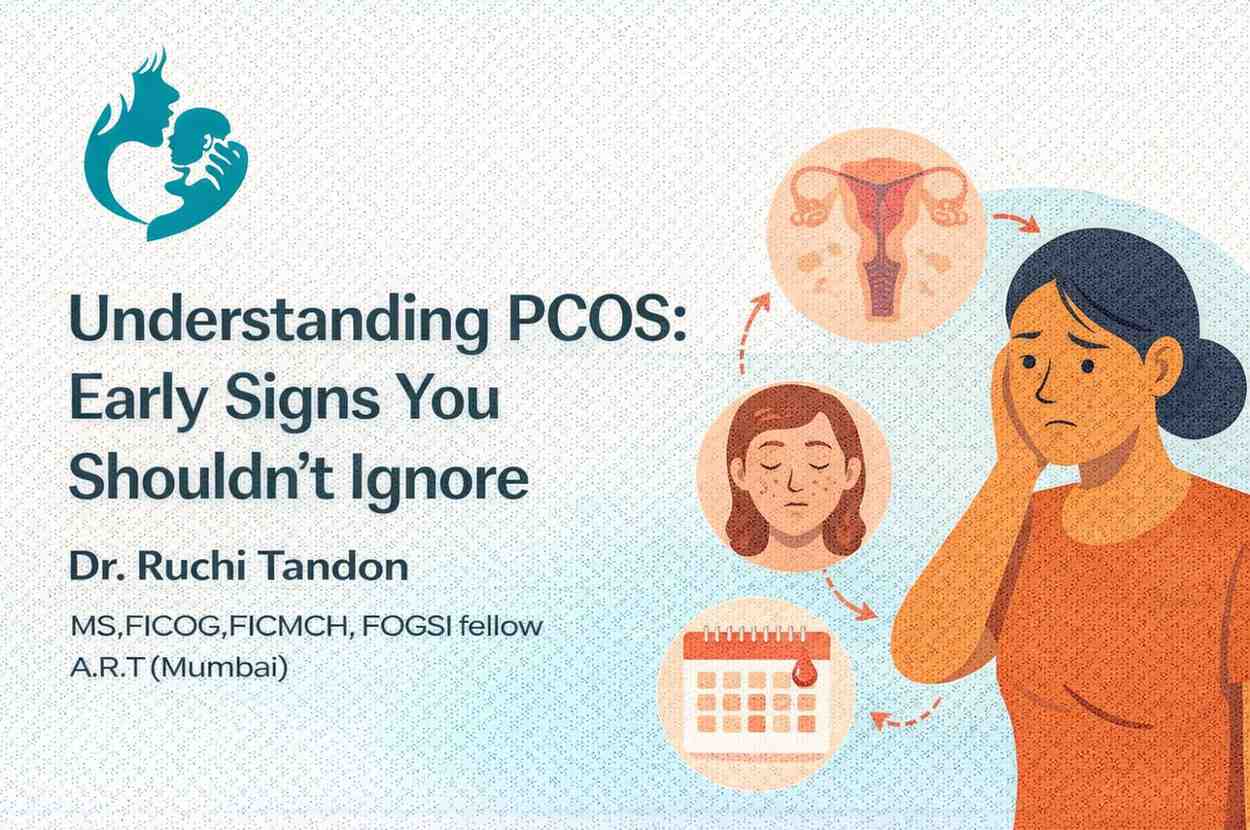
If you’ve recently been diagnosed with Polycystic Ovary Syndrome (PCOS), you’re not alone. Millions of women across India face this hormonal imbalance that affects everything from their periods to their fertility. While searching for the right treatment, you might come across a flood of advice online and offline, but not all of it is accurate. That’s why consulting a trusted PCOS doctor in South Delhi is crucial to get the facts straight. In this blog, we’ll clear up some of the most common myths about PCOS treatment, as explained by leading experts.

Myth 1: PCOS can be completely cured

Truth: Unfortunately, PCOS is a long-term hormonal disorder and cannot be “cured” in the traditional sense. However, that doesn’t mean you’re stuck with its symptoms forever. With the right lifestyle changes, medications, and support from a qualified specialist, PCOS can be managed very effectively. Many women go on to lead healthy lives, conceive naturally, and keep their symptoms under control. The goal of treatment is not a one-time cure but sustainable symptom management and hormone regulation.

Myth 2: You can’t get pregnant if you have PCOS

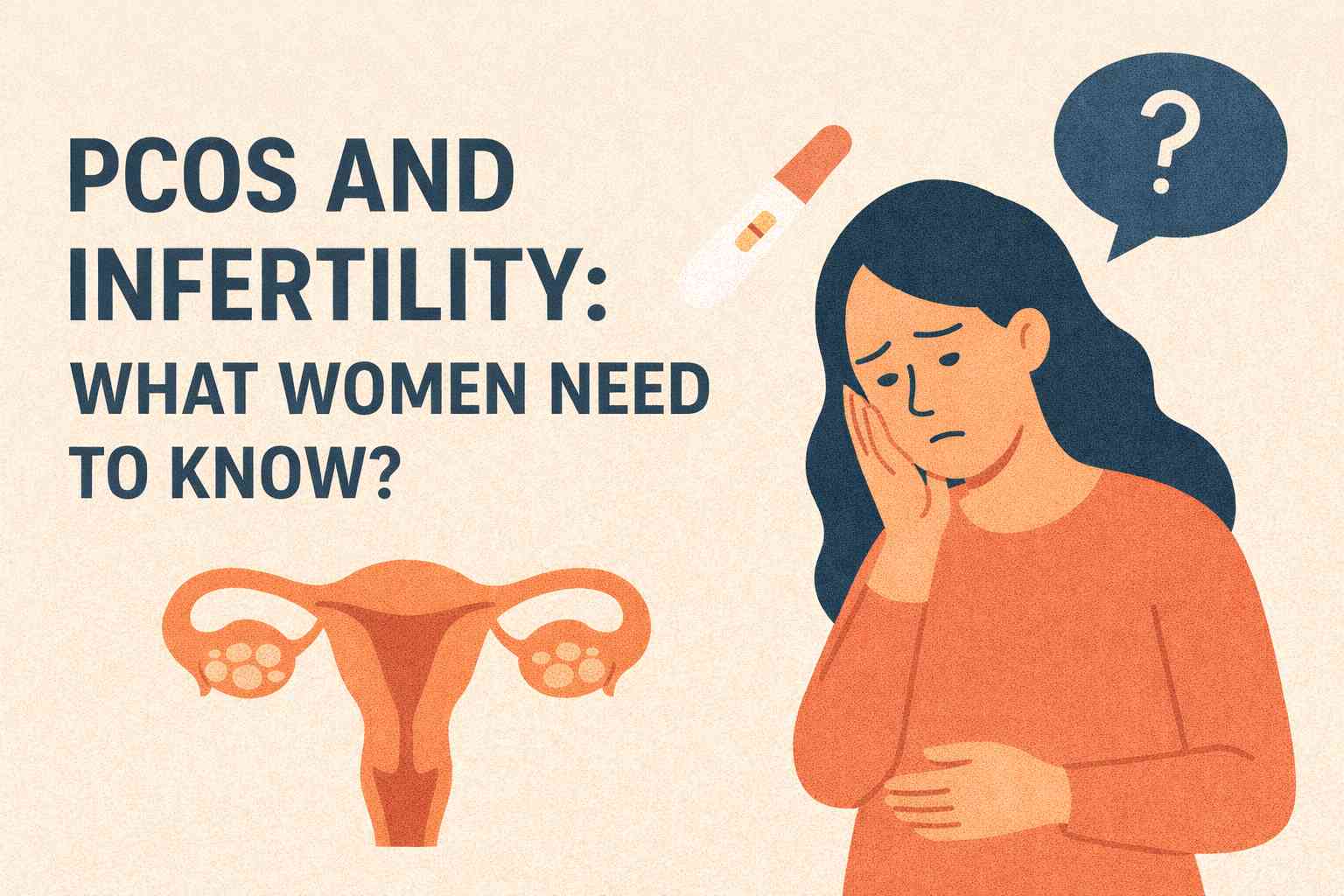
Truth: This is one of the most damaging myths. While PCOS can affect ovulation and make conception more challenging, it does not mean you’re infertile. Many women with PCOS conceive naturally, and others may need a bit of medical support. Today, fertility treatments have advanced significantly, and with the guidance of the best gynecologist in South Delhi, your chances of becoming pregnant are higher than ever. Early diagnosis and personalized treatment plans make a huge difference.

Myth 3: You must take birth control pills forever

Truth: Birth control pills are often prescribed to regulate menstrual cycles and control acne and excess hair growth. However, they are not the only treatment option. They also don’t “fix” PCOS; they simply manage some of the symptoms. Long-term use is not mandatory for everyone. Depending on your symptoms, age, and family planning goals, your doctor may recommend other treatments like insulin sensitizers, anti-androgens, or even natural approaches such as lifestyle modification and supplements.

Myth 4: Weight loss alone can reverse PCOS

Truth: Weight management plays a big role in controlling PCOS symptoms, especially for women who are overweight. However, weight loss is not a guaranteed solution or a one-size-fits-all approach. Even women with a normal BMI can suffer from PCOS and its complications. Treatment must be holistic, including dietary changes, exercise, stress reduction, and sometimes medication. PCOS is a hormonal disorder, not just a weight issue.

Myth 5: All PCOS symptoms are the same for every woman

Truth: PCOS manifests differently in every woman. Some may struggle with acne and irregular periods, while others face severe hair thinning or fertility issues. This is why a blanket treatment approach doesn’t work. You need a plan tailored to your symptoms, body type, and medical history. A good gynecologist in South Delhi will help assess your unique needs and guide you on the right path toward managing PCOS effectively.

Final Thoughts

There’s a lot of misinformation out there about PCOS, which can lead to fear, confusion, and even inaction. But with the right knowledge and medical support, PCOS is manageable. Whether you’re newly diagnosed or have been battling it for years, don’t let myths dictate your health decisions. Always consult with an experienced medical professional who understands your condition inside out.

Can You Get Pregnant After an Abortion? Myths vs. Facts.

best gynecologist in South Delhi

When it comes to reproductive health, few topics are as clouded with misinformation as abortion. A commonly asked question is, “Can you get pregnant after an abortion?” The short and simple answer is yes, but let’s dig a little deeper. Understanding what’s myth and what’s fact is essential for making informed decisions about your health. Whether you’re recovering physically or emotionally after an abortion, consulting the best gynecologist in South Delhi can make all the difference in your journey toward healing and planning your future.

Myth 1: You Can’t Get Pregnant After an Abortion

Fact: One of the most persistent myths is that an abortion causes permanent infertility. In truth, most women can get pregnant again soon after an abortion—sometimes within a few weeks. Abortion, whether surgical or medical, generally does not affect your long-term fertility. If the procedure is done safely under medical supervision, your reproductive system remains healthy and functional.

However, it’s crucial to follow post-procedure care guidelines and attend follow-up appointments to ensure your body has healed properly. Infections or complications, although rare, can have an impact if left untreated. That’s why having access to the best abortion clinic in Delhi is vital for your reproductive well-being.

Myth 2: Abortion Causes Hormonal Imbalances That Prevent Pregnancy

Fact: Abortions do not cause long-term hormonal disruption. While you may experience temporary hormonal shifts (similar to what happens during a menstrual cycle), these usually balance out within a few days or weeks. Your body resumes its natural cycle soon after the procedure. In fact, ovulation can occur as early as two weeks post-abortion, which means you could technically become pregnant again before your next period.

Myth 3: You Should Wait for Months Before Trying Again

Fact: Medically speaking, if there were no complications during your abortion, it is generally safe to try for pregnancy after your first normal period returns. That said, many healthcare providers recommend waiting until you’ve had at least one menstrual cycle to give your body and mind time to heal.

Emotional readiness is just as important as physical recovery. Whether you’re planning to conceive again or not, talking to a trusted gynecologist can help you navigate the decision that’s right for you.

Myth 4: Multiple Abortions Will Make You Infertile

Fact: One or two medically safe abortions are unlikely to affect your fertility. However, repeated abortions, especially if not performed under proper medical care, may carry risks such as uterine scarring (Asherman’s syndrome). Again, the key is safety and quality of care. The better the medical support, the fewer the risks. Always opt for licensed professionals and well-reviewed clinics.

Planning Your Future After an Abortion

If you’re wondering about contraception, family planning, or trying to conceive again, it’s best to have a candid conversation with a specialist. They can guide you based on your medical history, age, and future plans.

Pregnancy after abortion is not only possible but also common. You are not alone, and you’re not without options. Reach out for support, ask questions, and trust your body to heal and carry you forward.

For compassionate, professional care, consider consulting the best gynecologist in Greater Kailash, who can provide guidance tailored to your needs and help you plan your next steps with confidence and clarity.

How PCOS Can Affect Vaginal Health: What You Need to Know?

best gynecologist in South Delhi

If you are searching for the best gynecologist in South Delhi, you might already be aware of the impact polycystic ovary syndrome can have on your overall health. But what about vaginal health specifically? Many women with PCOS focus on weight, periods, and fertility, often overlooking the direct effects this condition can have on the vagina and its delicate ecosystem.

PCOS, or polycystic ovary syndrome, is a hormonal disorder that affects millions of women worldwide. It disrupts the balance of reproductive hormones like estrogen, progesterone, and androgens. These changes can trigger a ripple effect on vaginal health, leading to issues that can affect your daily comfort, sexual wellbeing, and long-term confidence.

Vaginal Dryness and Discomfort

One of the most common complaints among women with PCOS is vaginal dryness. When estrogen levels are out of balance, the natural lubrication of the vagina can decrease. This can cause itching, burning, and pain during sex. Dryness can also increase the risk of tiny tears in the vaginal lining, making infections more likely.

Increased Risk of Infections

PCOS-related hormonal imbalances can change the pH level of the vagina. A healthy vagina typically has a slightly acidic environment that supports good bacteria and keeps harmful bacteria in check. With PCOS, the shift in hormones can allow bad bacteria to thrive, causing bacterial vaginosis or yeast infections more often.

Women with PCOS also have a higher chance of insulin resistance, which can affect blood sugar levels. High blood sugar can fuel the growth of yeast, making vaginal yeast infections even more common.

Impact on Libido and Sexual Health

PCOS can take a toll on libido. The hormonal shifts can dampen sexual desire, and vaginal dryness can make sex uncomfortable or even painful. This can lead to frustration, relationship strain, and a negative cycle where sex becomes something to avoid.

On top of that, many women with PCOS also deal with mental health issues like depression and anxiety, which can further reduce sexual interest. All these factors can combine to create a challenging situation for women trying to maintain an active and satisfying sex life.

PCOS Treatment and Vaginal Health

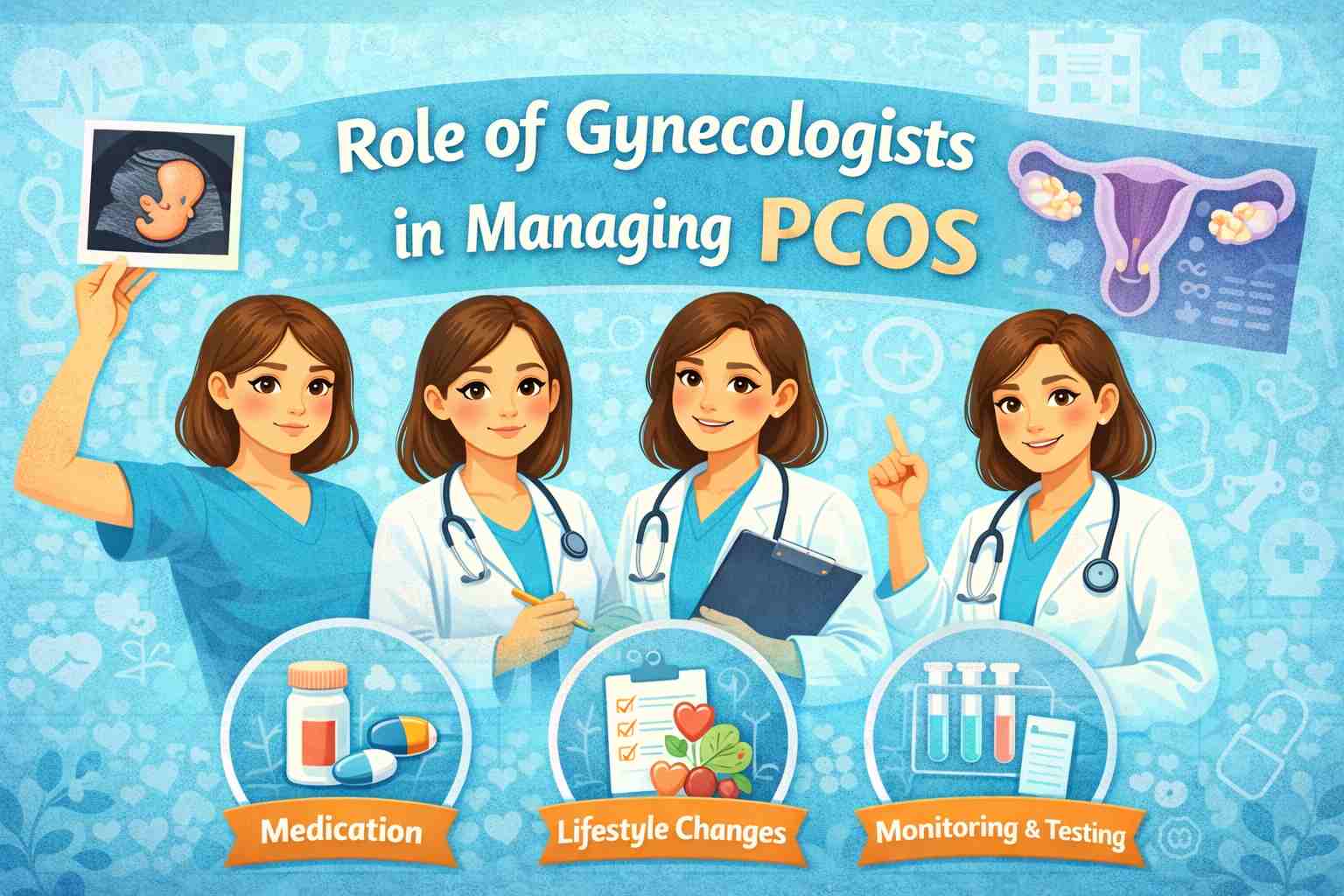
For those seeking PCOS treatment in South Delhi, it is important to look at the bigger picture. A holistic approach is key. This might involve balancing hormones with medication, managing insulin resistance through diet and exercise, and addressing vaginal symptoms directly.

If vaginal dryness is a major concern, over-the-counter lubricants can help. But for many women, getting to the root cause by working with a healthcare provider is the most effective route. Hormonal treatments, such as birth control pills or other therapies, can help restore estrogen levels and improve lubrication.

Lifestyle Changes to Support Vaginal Health

Beyond medical treatments, lifestyle changes can have a real impact. Eating a balanced diet, staying active, and managing stress can all help balance hormones and reduce the severity of PCOS symptoms. Staying hydrated is also crucial for keeping vaginal tissues healthy and moist.

Final Words

Living with PCOS can feel overwhelming, but understanding how it affects your vaginal health is a big step towards feeling better and more confident. Working with trusted professionals can make a huge difference. If you are dealing with PCOS and also experiencing pain or discomfort during sex, you might need a specialist. In that case, seeing a Vaginismus Doctor in South Delhi could be the right move.

Your health deserves attention and care. By taking action and getting the right help, you can manage PCOS and protect your vaginal health at the same time.

Irregular Periods: Causes and When to See a Gynecologist?

best gynecologist in South Delhi

Menstrual cycles vary from woman to woman, but on average, they last between 21 and 35 days. If your periods are irregular—meaning they come unpredictably, last longer or shorter than usual, or are excessively heavy or light—it could be a sign of an underlying health issue. If you are experiencing irregular periods frequently, consulting the best gynecologist in South Delhi can help you determine the root cause and receive appropriate treatment.

What Are the Common Causes of Irregular Periods?

Several factors can lead to irregular periods. While occasional irregularity is normal, persistent irregularities may indicate a deeper issue. Here are some common causes:

Stress and Lifestyle Changes

Emotional and physical stress can disrupt hormone levels, affecting your menstrual cycle. Excessive exercise, drastic weight changes, poor diet, and lack of sleep can also contribute to irregular periods.

Hormonal Imbalances

Two hormones including estrogen and progesterone regulate the menstrual cycle. Any imbalance in these hormones due to thyroid disorders, polycystic ovary syndrome (PCOS), or menopause can lead to irregular cycles.

Polycystic Ovary Syndrome (PCOS)

PCOS is among the most common symptoms of irregular periods. Women with PCOS often experience missed periods, prolonged cycles, or anovulation (lack of ovulation). Other symptoms include acne, weight gain, and excessive hair growth.

Thyroid Disorders

Both hypothyroidism and hyperthyroidism can affect menstrual regularity. Hypothyroidism (underactive thyroid) can cause longer and heavier periods, while hyperthyroidism (overactive thyroid) can lead to shorter, lighter periods, or even skipped cycles.

Birth Control and Medications

Hormonal birth control methods, such as pills, IUDs, or implants, can affect your period. Some may cause spotting between cycles, while others may stop your periods altogether. Certain medications, like blood thinners and antidepressants, can also influence menstrual regularity.

Perimenopause and Menopause

As women approach menopause (usually in their 40s or 50s), hormonal fluctuations can cause irregular cycles, missed periods, or heavier/lighter flows before menstruation ceases completely.

Uterine Fibroids or Polyps

These noncancerous growths in the uterus can cause heavy, prolonged, or irregular periods, along with pelvic pain and discomfort.

Endometriosis

Endometriosis is a condition where the tissue that normally lines the uterus grows outside of it, leading to painful and irregular periods. Other symptoms include pelvic pain, heavy bleeding, and pain during intercourse.

When to See a Gynecologist?

Irregular periods can sometimes be a minor issue, but in certain cases, they require medical attention. Consult a gynecologist if you experience:

  • Missed periods for more than three months without pregnancy
  • Heavy bleeding requiring frequent pad changes
  • Periods lasting longer than a week
  • Severe pelvic pain or cramping
  • Sudden changes in your menstrual cycle
  • Symptoms of PCOS, thyroid disorders, or menopause

If you suspect PCOS or any other hormonal imbalance, seeking advice from a PCOS doctor in South Delhi can help you manage the condition and improve your menstrual health. A timely diagnosis and appropriate treatment can restore hormonal balance and ensure overall well-being.

Abortion Pills: Everything You Need to Know Before Taking Them

best gynecologist in South Delhi

Making the decision to have an abortion is deeply personal and can come with a mix of emotions and concerns. If you’re considering a medical abortion, it’s important to understand the process, safety, and what to expect. Consulting the best gynecologist in South Delhi can help you make an informed decision while ensuring your health and well-being. In this guide, we’ll cover everything you need to know about abortion pills, their effectiveness, possible side effects, and when to seek medical help.

What Are Abortion Pills?

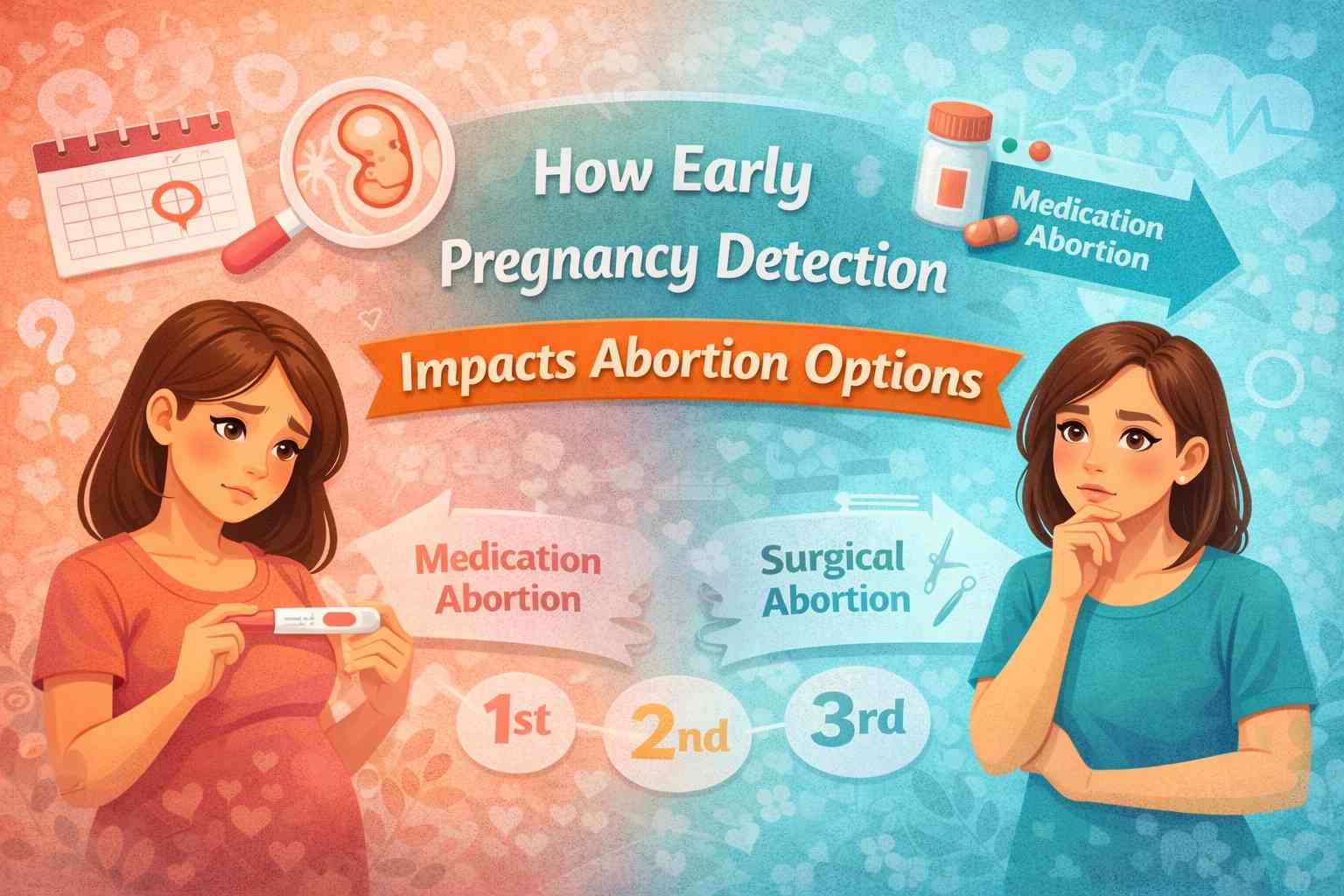
Abortion pills, also known as medical abortion, involve taking medications to terminate a pregnancy. The most commonly used drugs are Mifepristone and Misoprostol. These medications work together to induce abortion in the early weeks of pregnancy (usually up to 10 weeks).

  • Mifepristone (RU-486): This pill blocks progesterone, a hormone needed for pregnancy to continue. Without progesterone, the lining of the uterus breaks down, preventing the embryo from growing.
  • Misoprostol: Taken 24 to 48 hours after Mifepristone, this medication causes the uterus to contract and expel the pregnancy, similar to a miscarriage.

How Effective Are Abortion Pills?

When taken correctly, abortion pills have a success rate of 95-98% in terminating early pregnancies. However, the effectiveness can depend on how far along the pregnancy is and whether the medications are taken as prescribed. In some cases, a follow-up visit to a healthcare provider is necessary to ensure the abortion is complete.

What to Expect After Taking Abortion Pills?

A medical abortion is a process, and it’s essential to be prepared for what follows:

Bleeding and Cramping

  • Expect heavy bleeding and cramping after taking Misoprostol. This is a sign that the abortion process has begun.
  • Bleeding may continue for anywhere between a few days and up to two weeks.

Other Side Effects

  • Nausea, vomiting, diarrhea
  • Fever and chills
  • Fatigue and dizziness

These side effects typically fade within a few hours to days. If they continue or become more severe, consult a healthcare professional.

Who Should Avoid Abortion Pills?

Medical abortion may not be suitable for everyone. Avoid taking abortion pills if you:

  • Have an ectopic pregnancy (pregnancy outside the uterus)
  • Have a bleeding disorder or take blood-thinning medications
  • Have severe anemia
  • Are allergic to Mifepristone or Misoprostol

When to Seek Medical Help?

While abortion pills are generally safe, complications can arise. Contact a doctor immediately if you experience:

  • Heavy bleeding (saturating more than two pads per hour for two consecutive hours)
  • High fever (above 101°F) lasting more than 24 hours
  • Severe abdominal pain that doesn’t improve with painkillers
  • Foul-smelling discharge (a sign of infection)

Recovery and Aftercare

After a medical abortion, it’s crucial to:

  • Get adequate rest and stay hydrated
  • Refrain from lifting heavy objects or engaging in strenuous activities for a few days.
  • Refrain from sexual intercourse and tampon use for at least two weeks to prevent infections
  • Schedule a follow-up visit with a healthcare provider

Choosing the Right Medical Support

If you’re considering a medical abortion, always consult experienced healthcare professionals. The best abortion clinic in South Delhi will provide safe, confidential, and compassionate care, ensuring your physical and emotional well-being. Remember, your health comes first, and having the right guidance makes all the difference.

Navigating Mental Health Challenges with PCOS

best gynecologist in South Delhi

Polycystic Ovary Syndrome is a common hormonal condition. Millions of women across the globe are suffering from PCOS. While the physical symptoms like irregular periods, weight gain, and acne are widely discussed, the mental health challenges that come with PCOS often go unnoticed. For women navigating these complexities, seeking support from the best gynecologist in South Delhi can be a crucial first step toward holistic well-being.

Understanding the Mental Health Impact of PCOS

PCOS affects more than just physical health; it can take a significant toll on mental well-being. The hormonal imbalances associated with PCOS, particularly elevated androgen levels and insulin resistance, can contribute to mood swings, anxiety, and depression. The distress caused by physical symptoms, such as hair loss or infertility, can further exacerbate these emotional struggles.

Women with PCOS are more likely to experience:

  • Depression: Feelings of sadness, hopelessness, and fatigue can become overwhelming.
  • Anxiety: Constant worry, racing thoughts, and panic attacks may arise.
  • Body Image Issues: Dealing with physical symptoms like weight gain or excessive hair growth can lower self-esteem.
  • Stress and Isolation: Coping with chronic health concerns can lead to social withdrawal and heightened stress.

The first and foremost thing is to recognize these challenges to ensure effective management. Seeking help from a compassionate gynecologist in South Delhi can make a world of difference.

Holistic Approaches to Mental Health with PCOS

Addressing the mental health aspect of PCOS requires a multifaceted approach. Here’s how you can navigate the emotional hurdles:

Medical Management

Consult with a PCOS doctor in South Delhi to create a personalized treatment plan. Medications to regulate hormones or manage insulin resistance can alleviate both physical and emotional symptoms.

Therapeutic Support

Engaging with a therapist or counselor can provide a safe space to explore emotions and develop coping strategies. Cognitive-behavioral therapy (CBT) is especially effective for managing anxiety and depression.

Lifestyle Modifications

Do exercise regularly, maintain balanced nutrition, and ensure adequate sleep. Physical activity releases endorphins, which help boost mood naturally.

Mindfulness and Stress Reduction

Practices like meditation, yoga, and journaling can help ground your thoughts and reduce stress.

Community and Connection

Join support groups or online communities where you can share experiences and gain encouragement from others facing similar challenges.

The Power of Seeking Support

Living with PCOS can be daunting, but you don’t have to face it alone. Prioritizing mental health is just as important as managing physical symptoms. Reach out to a trusted PCOS doctor in South Delhi who understands the emotional complexities of this condition. With the right medical care, emotional support, and self-compassion, you can navigate PCOS with resilience and strength; reclaiming control over both your body and mind.

Remember, it’s okay to ask for help. Whether from healthcare professionals, therapists, or fellow warriors, finding a supportive network can make your mental health journey more manageable. Empower yourself with knowledge, patience, and the understanding that you are more than your diagnosis.

If you’re ready to take the next step, connecting with the best gynecologist in South Delhi can guide you toward a healthier, happier life.

The Benefits of Choosing the Best Gynecologist in South Delhi

Best Gynecologist in South Delhi

Despite all the modernization and growth, most of us think about gynecologists only during the pregnancy period. The reality is that there are dozens of women-centric issues that require expert diagnosis by a gynecologist, such as Dr. Ruchi Tandon. For better diagnosis and treatment, it’s essential to visit the best gynecologist in South Delhi.

Let’s explore some reasons for considering a gynecologist visit beyond pregnancy and post-pregnancy requirements. Gynecological problems vary from woman to woman, and expert consultation is necessary for optimal health.

Reasons to Visit Your Gynecologist Today

 1. Abnormal Menstrual Cycle

Any irregularities in the menstrual cycle are a cause for concern. If you experience them during your period, you must consult a gynecologist today. Dr. Ruchi Tandon has a proven track record of thousands of successful surgeries and treatments, making her the perfect consultant for your diagnosis and treatment.

Consult her to address irregular menstrual periods and lead a more confident life. Gynecological problems require specific diagnosis and treatment, so don’t ignore them—consult an expert today.

2. Abnormalities with the Breast

The majority of women never examine their breasts and tend to ignore irregular patterns. Leading gynecologists globally recommend regular self-checks for lumps, symptoms, or other changes. Breast cancer is a serious consequence of ignoring breast health.

Women over the age of 40, those with a family history of breast cancer, or those who notice any lump in the breast should seek professional advice. Dr. Ruchi Tandon has extensive experience spanning over ten years, helping women with a range of gynecological issues, including high-risk pregnancies, infertility, assisted reproduction, adolescent medicine, endometriosis, PCOD, fibroids, abnormal uterine bleeding, menopause, and related conditions.

3.  Abnormal Urine Patterns

If you notice sudden changes in urination patterns, such as increased frequency or burning sensations, it might indicate a urinary tract infection (UTI). Women often self-medicate with unprescribed drugs, which may provide temporary relief but don’t address the root cause.

If you experience any abnormalities during urination, consult the best gynecologist in South Delhi for a lasting solution.

4. Itching and Burning in the Vagina

Vaginal itching can result from various causes, such as urinary tract infections, bacterial infections, yeast infections, or sexually transmitted diseases (STDs). For an expert diagnosis and effective treatment, consult Dr. Ruchi Tandon in the Greater Kailash area of South Delhi.

5. Internal Cramps and Pain

Many women experience pain and cramps during intercourse or the menstrual cycle. While painkillers may provide temporary relief, they are not a long-term solution and can harm the liver with prolonged use.

If you experience persistent pain, visit a gynecologist instead of relying on painkillers. Severe pain during sex or menstruation is not normal and should not be ignored—seek professional help.

6. Abnormalities with Menopause

Menopause typically occurs in women around the age of 50. However, some may experience it earlier or later. If you notice any irregularities in your menopause symptoms, consult a gynecologist to ensure better health and well-being.

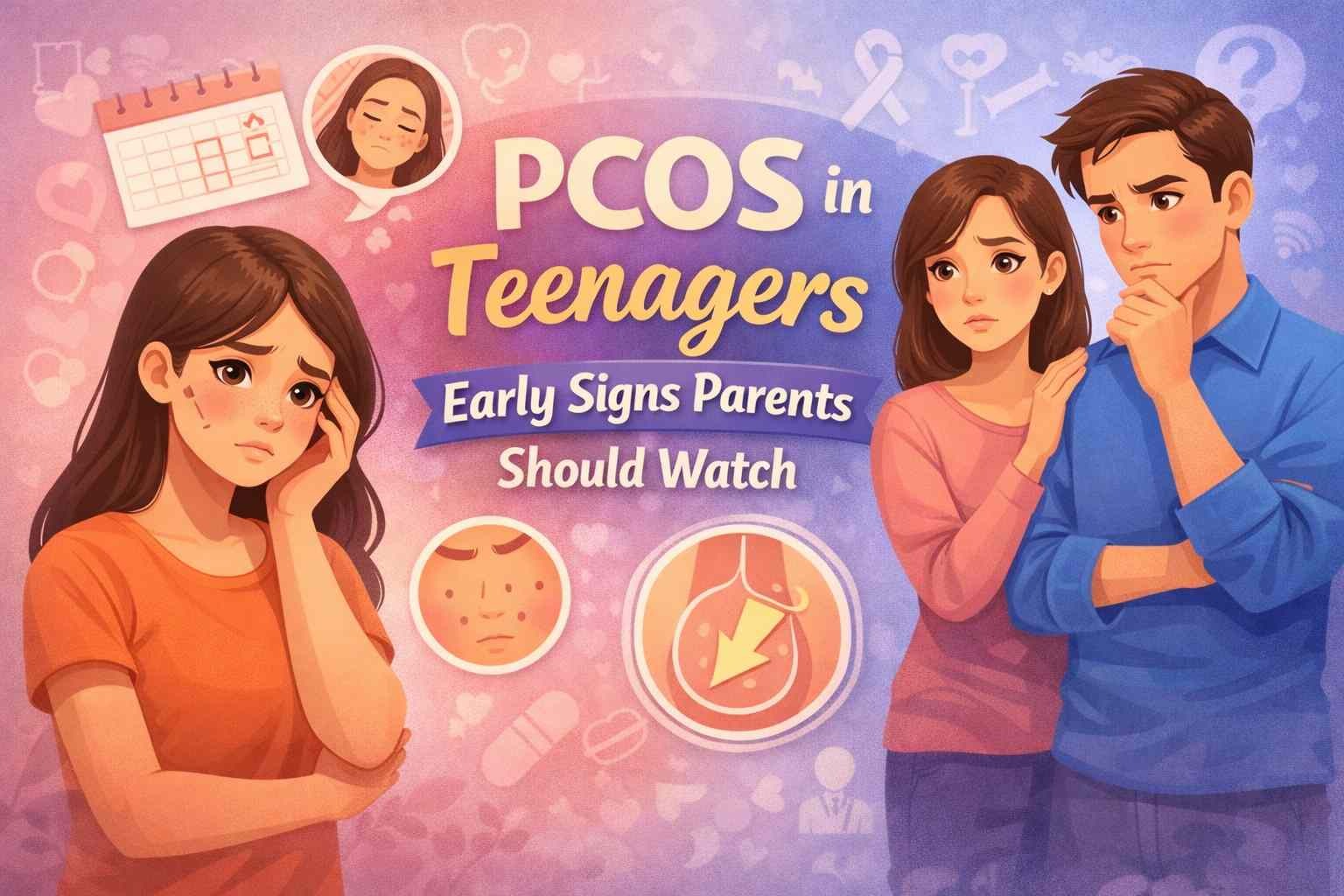
PCOS in Teens Recognizing and Addressing the Early Signs

PCOS treatment in South Delhi

Polycystic Ovary Syndrome (PCOS) is a common hormonal disorder that affects millions of women worldwide, including teenagers. While often associated with adulthood, PCOS frequently begins during adolescence. Unfortunately, it can be challenging to identify in teens due to its overlap with normal puberty changes. Early recognition and intervention are vital to managing the condition and reducing its long-term impact on health. For this, it is important to seek the best PCOS treatment in South Delhi.

What is PCOS?

PCOS is a hormonal imbalance that affects the ovaries, leading to irregular menstrual cycles, excess androgen (male hormones), and the presence of multiple cysts in the ovaries. It is a complex condition with no single cause, though genetic and environmental factors often play a role.

Recognizing Early Signs in Teens

Identifying PCOS in teens requires a keen understanding of its symptoms. While some changes may seem typical during puberty, persistent and severe symptoms warrant medical attention.

Irregular Periods

Although it’s normal for menstruation to be irregular in the first few years after a girl gets her first period, extreme irregularities—such as cycles longer than 35 days or fewer than eight periods a year—can be an early sign of PCOS.

Excessive Hair Growth (Hirsutism)

Unwanted hair growth on the face, chest, or back due to elevated androgen levels is a common PCOS symptom. This can be particularly distressing for teens and may impact their self-esteem.

Acne and Oily Skin

Severe acne that doesn’t respond to standard treatments may signal PCOS, especially when accompanied by other symptoms.

Weight Gain and Difficulty Losing Weight

Teens with PCOS often experience weight gain, particularly around the abdomen, which can exacerbate hormonal imbalances.

Thinning Hair or Hair Loss

Androgen excess can also cause scalp hair thinning, mimicking male-pattern baldness in some cases.

Dark Patches of Skin

A condition called acanthosis nigricans, characterized by dark, velvety skin patches in areas like the neck, armpits, and groin, is often associated with PCOS and insulin resistance.

Why Early Diagnosis Matters?

Detecting PCOS early allows teens to manage the condition effectively, preventing complications such as type 2 diabetes, cardiovascular issues, and infertility later in life. It also helps address emotional challenges, as symptoms like hirsutism and weight gain can impact mental health.

Addressing PCOS in Teens

Management of PCOS often involves a multidisciplinary approach, including lifestyle changes, medical treatments, and emotional support.

Healthy Diet and Exercise

Encouraging teens to adopt a balanced diet rich in whole foods and engage in regular physical activity can help regulate weight and improve insulin sensitivity.

Medical Interventions

Doctors may prescribe hormonal birth control to regulate periods and reduce androgen levels. Insulin-sensitizing medications like metformin can also be beneficial in managing symptoms.

Emotional Support and Counseling

PCOS can take a toll on a teen’s mental health. Providing emotional support and, if needed, professional counseling can help them navigate the condition with confidence.

Conclusion

PCOS in teens is a manageable condition when recognized early. By understanding the signs and seeking timely medical advice from the best gynecologist in South Delhi, parents and teens can work together to address the challenges posed by this hormonal disorder. With the right approach, teens with PCOS can lead healthy, fulfilling lives.

How to Take Care of Yourself During Menopause?

How to Take Care of Yourself During Menopause?

Menopause is the natural transition that marks the end of your reproductive years. This occurs with a range of physical, hormonal, and emotional changes. Hot flashes, night sweats, sleep disturbances, and vaginal dryness are some common symptoms women experience. However, prioritizing self-care and paying a little bit of attention can help you cope with these changes well. You can consult the best gynecologist in South Delhi for expert help. This blog will highlight some of the points that you should consider during menopause.

Menopause – Taking Care of Yourself

Nourish Your Body

Diet Matters

Your diet must contain a variety of fruits, vegetables, nuts & seeds, and whole grains. These provide essential vitamins and minerals, aiding in managing symptoms and promoting overall well-being. Don’t forget healthy fats that include nuts, seeds, and avocado for hormonal balance.

Calcium & Vitamin D

As estrogen levels decline, bone health becomes a concern. Ensure adequate calcium intake through dairy products, leafy greens, or supplements. Vitamin D aids calcium absorption, so consider sunshine exposure or fortified foods to maintain levels.

Moving Your Body

Exercise is Key

Regular physical activity is a game-changer during menopause. A minimum of 30 minutes of exercise daily is a must. Brisk walking, swimming, or dancing can improve sleep, boost mood, and combat weight gain, a common concern during this transition. You can seek the help of a pregnancy doctor in South Delhi to learn more about the exercises you can perform.

Strength Training

Don’t underestimate the power of strength training. Building muscle mass helps maintain bone density and improves overall strength. This reduces your risk of falls and injuries.

Prioritizing Sleep

Nighttime Routine

Establish a relaxing bedtime routine to combat sleep disturbances. Take a warm bath, read a book, or practice calming techniques like deep breathing or meditation before bed.

Creating a Sleep-Friendly Environment

Ensure your bedroom is cool, dark, and quiet. Avoid screen time before sleep as the blue light emitted can disrupt your sleep cycle.

Managing Symptoms

Hydration is Essential

Staying hydrated helps regulate body temperature and may lessen the intensity of hot flashes.

Explore Natural Remedies

Consider natural remedies like black cohosh or evening primrose oil for symptom relief. However, always consult the best gynecologist in South Delhi before starting any supplements to ensure they are safe and don’t interact with any medications you’re taking.

Emotional Well-being

Talk Therapy

If you’re struggling with emotional changes like anxiety, depression, or mood swings, consider talking to a therapist. They can provide tools and support to navigate these emotional shifts.

Connect with Others

Don’t isolate yourself. Talk openly with friends, family, or join a support group for women going through menopause. Sharing experiences and offering support can be a powerful tool.

Consult a Pregnancy Doctor in South Delhi

Remember, you’re not alone in this journey. Schedule regular checkups with your doctor to discuss your symptoms and explore options like hormone replacement therapy (HRT) if needed. HRT can be highly effective in managing symptoms, but it’s important to weigh the risks and benefits with your pregnancy doctor in South Delhi to determine if it’s the right choice for you.

Reasons for Abnormal Uterine Bleeding

Reasons for Abnormal Uterine Bleeding

Abnormal uterine bleeding refers to any unusual or irregular bleeding that occurs from the uterus outside of the normal menstrual cycle. This condition can be caused by various factors and may occur at different stages of a woman’s life. To diagnose the right cause, it is important to consult an experienced doctor for abnormal uterine bleeding in South Delhi. Here are some of the common causes of the condition.

What Are the Reasons for Abnormal Uterine Bleeding?

Hormonal Imbalance

Fluctuations in hormone levels, particularly estrogen and progesterone, can disrupt the normal menstrual cycle and lead to abnormal bleeding. Conditions like polycystic ovary syndrome (PCOS), thyroid disorders, and perimenopause can cause hormonal imbalances, resulting in irregular or prolonged bleeding.

Uterine Fibroids

Fibroids are noncancerous growths that develop in the uterus. They can cause heavy or prolonged menstrual bleeding, often accompanied by pain and cramping. Depending on their size and location, fibroids may require medical intervention or surgery.

Endometrial Polyps

These are growths that occur in the lining of the uterus (endometrium). Polyps can cause irregular bleeding, particularly after intercourse or during menopause. While usually benign, they may require removal if symptomatic.

Adenomyosis

This condition involves the abnormal growth of the endometrial tissue into the muscular wall of the uterus. It can lead to heavy or prolonged menstrual bleeding, severe cramping, and pelvic pain.

Endometrial Hyperplasia

This condition is characterized by excessive growth of the uterine lining. It can cause irregular bleeding, and if left untreated, it may increase the risk of developing endometrial cancer.

Medications or Medical Procedures

Certain medications, such as blood thinners or hormonal therapies, can contribute to abnormal uterine bleeding as a side effect. Additionally, procedures like intrauterine device (IUD) insertion or endometrial biopsy can occasionally cause bleeding.


Infections or Sexually Transmitted Infections (STIs)

Infections of the uterus, cervix, or vagina, such as pelvic inflammatory disease (PID) or certain STIs, can cause abnormal bleeding. These conditions often present with other symptoms like pain, discharge, or fever.

Blood Disorders

Disorders affecting the clotting factors in the blood, such as von Willebrand disease or platelet dysfunction, can lead to heavy or prolonged bleeding.

Cancerous or Pre-cancerous Conditions

In some cases, abnormal uterine bleeding may be a sign of endometrial cancer or precancerous changes in the uterus. Women with persistent, unexplained bleeding should consult a healthcare professional for further evaluation.

It’s important to note that each individual’s situation may vary, and a proper medical evaluation is crucial for accurate diagnosis and appropriate treatment. If you are experiencing abnormal uterine bleeding, consult Dr. Ruchi Tandon, the best gynecologist in South Delhi for early assessment and treatment.