Maintaining optimal gynecological health is crucial for women of all ages. While some gynecological diseases cannot be completely prevented, there are several proactive measures that women can take to reduce their risk. By adopting healthy lifestyle choices and prioritizing regular screenings, women can significantly minimize the chances of developing various gynecological conditions. This blog post will explore essential tips to help women protect and enhance their gynecological well-being. However, you must consult an experienced pregnancy doctor in South Delhi for proper guidance.
Practice Safe Sexual Behavior
Engaging in safe sexual behavior is paramount for preventing sexually transmitted infections (STIs) and reducing the risk of gynecological diseases. Consistent and correct use of condoms during sexual intercourse can significantly lower the chances of contracting STIs, including HIV/AIDS, chlamydia, gonorrhea, and syphilis. Additionally, getting vaccinated against the human papillomavirus (HPV) can help prevent cervical cancer, which is often caused by certain strains of this common virus.
Maintain Good Hygiene
Proper hygiene practices are crucial for preventing gynecological infections. Women should ensure that they clean the genital area daily with mild, unscented soap and water. Avoid using douches or vaginal sprays, as they can disrupt the natural balance of bacteria in the vagina and increase the risk of infections. It is also important to wipe from front to back after using the toilet to prevent bacteria from the anus reaching the vagina and causing urinary tract infections (UTIs).
Follow a Balanced Diet
A well-balanced diet is essential for overall health, including gynecological well-being. Consuming a variety of fruits, vegetables, whole grains, lean proteins, and healthy fats can provide the necessary nutrients to support a robust immune system and reduce inflammation. Additionally, maintaining a healthy weight can help decrease the risk of gynecological conditions such as polycystic ovary syndrome (PCOS) and endometrial cancer.
Engage in Regular Physical Activity
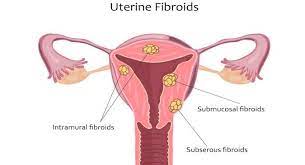
Regular exercise offers numerous benefits for women’s health, including reducing the risk of gynecological diseases. Engaging in moderate-intensity aerobic activities such as brisk walking, swimming, or cycling for at least 150 minutes per week can help maintain a healthy weight, improve circulation, and lower the risk of conditions like uterine fibroids, ovarian cysts, and endometriosis.
Quit Smoking and Limit Alcohol Consumption
Smoking and excessive alcohol consumption have been linked to an increased risk of various gynecological diseases. Women who smoke are more likely to develop cervical cancer, infertility, and experience complications during pregnancy. Similarly, excessive alcohol consumption has been associated with an increased risk of breast cancer. Quitting smoking and moderating alcohol intake can significantly reduce these risks.
Prioritize Regular Screenings and Check-ups
Regular gynecological screenings and check-ups are essential for early detection and prevention of potential health issues. Women should undergo routine Pap tests to screen for cervical cancer as their healthcare provider recommends. Mammograms should be performed regularly to screen for breast cancer, and women over 50 should also consider regular bone density tests to assess the risk of osteoporosis.
You can consult Dr. Ruchi Tandon, an experienced Gynecologist in Greater Kailash for detailed tips on maintaining your gynecological health.