PCOD- irregular periods and other things

What Is PCOS?

Polycystic ovarian syndrome, or PCOS, is a hormonal condition that women can get during their childbearing years. It can affect your ability to have a child . It can also:

  • Stop your periods or make them hard to predict
  • Cause acne and unwanted body and facial hair
  • Raise your risk of other health problems, including diabetes and high blood pressure

You can get treatments for the symptoms. And you could be able to get pregnant, although you may need to take medicines to improve your fertility.

So what are polycystic ovaries?

Polycystic ovaries are slightly larger than normal ovaries that have twice the number of follicles (fluid-filled spaces within the ovary that release the eggs when you ovulate).

However, having polycystic ovaries need not necessarily mean that you have polycystic ovarian disease (also called poly cystic ovarian syndrome). But if there are two or more following symptoms present, it can be PCOD.

Irregular, infrequent periods or no periods at all

An increase in facial or body hair and/or blood tests that show higher testosterone levels than normal

Ultrasounds scan that shows polycystic ovaries.

How does PCOD affect you?

PCOD is a condition that can affect your periods, fertility, hormones and appearance. It can also affect your overall health across time. It is estimated that this disease affects 2 – 26 among 100 women.

What are the usual symptoms?

Irregular/no periods

Excess hair growth on the face, chest, abdomen, or upper thighs – a condition called hirsutism

Loss of hair on head

Becoming overweight – experiencing a rapid increase in weight/ having difficulty in losing weight

Oily skin and acne

Reduced fertility – difficulty getting pregnant

Patches of thickened, velvety, darkened skin (acanthosis nigricans)

Depression and psychological problems

What are the causes of PCOD?

Though the exact cause of PCOD is unknown, it is often hereditary. Most of the PCOD symptoms presented are due to abnormal/ change in hormonal levels. Though Testosterone is considered a male hormone, it is also produced in small amounts by ovaries, in all women. Women with PCOD have elevated levels of testosterone, which causes most of the symptoms.

Abnormal levels of androgens can prevent the ovaries from releasing an egg every month (ovulation), cause the unwanted hair growth and acne.

Those with PCOD may not respond to insulin –the hormone that controls blood glucose levels. High levels of insulin can lead to weight gain, irregular periods, fertility issues and also elevate levels of testosterone.

What are the long-term health risks of PCOD?

PCOD not only affects the reproductive system, but the entire body.

It increases the of serious health conditions including heart ailments, diabetes and hypertension.

The risk of developing diabetes is higher if one is:

Over 40 years of age

Have family history of diabetes

Developed diabetes during pregnancy (gestational diabetes)

Is obese (a body mass index (BMI) of over 30)

Another condition that is associated with PCOS is metabolic syndrome, which leads to both diabetes and heart diseases.

Besides, if the number of periods is less than a year, the lining of the womb (endometrium) can thicken too much, leading to a condition called endometrial hyperplasia. This condition can subsequently lead to endometrial cancer or cancer of uterine lining. However, PCOD does not increase the chances of breast or ovarian cancer.

What are the treatment options for PCOD?

There is no cure for PCOD. However, it can be managed very efficiently with positive changes lifestyle and medicine, if required.

Many women with PCOD manage symptoms and long-term health risks without medical intervention, by adopting a healthy diet, exercising regularly and maintaining a healthy lifestyle.

Treatment for PCOD is personalised as symptoms and health problems, vary. Special treatment is given in case the patient wants to have a baby.

For overweight women, losing weight itself can help regulate the menstrual cycle. Even a loss of 5- 10 kg can be helpful in making menstrual periods regular. Weight loss can also improve cholesterol and insulin levels and relieve symptoms such as excess hair growth and acne.

Combined hormonal – birth control pills can be used for long-term treatment in women with PCOD (in those who do not wish to become pregnant). These pills regulate the menstrual cycle and reduce symptoms like hirsutism and acne by decreasing the androgen levels. They also decrease the risk of endometrial cancer.

Insulin-sensitizing drugs used to treat diabetes are used in the treatment of PCOD. These drugs help the body respond to insulin and decrease the androgen levels, which in turn improves ovulation. Restoring ovulation helps make menstrual periods regular and more predictable.

There are various ways to protect the lining of the womb using the hormone progestogen. This can be a five-day course of progestogen tablets (every three or four months)/ taking a contraceptive pill/ using the intrauterine contraceptive system (Mirena).

What can be done to increase the chances of pregnancy in women with PCOD?

Successful ovulation is the first step toward pregnancy. For overweight women, this can be achieved through weight loss. Medications can also be used to induce ovulation. Surgery on the ovaries can be opted for only medical management does not work. Such procedures are performed only if there is no other option.

How can long-term health risks of PCOD be managed?

Lead a healthy lifestyle

Change to healthy balanced diet: include fruits, vegetables, whole grain products, lean meat, fish and fibre. Avoid high sugar, high fat foods and alcoholic drinks.

Eat meals on time, especially breakfast.

Exercise regularly for at least 30 minutes a day – brisk walking is the best and easiest option.

Losing weight helps:

Manage insulin resistance/ developing diabetes

Lowers risk of heart problems

Lowers risk of uterine cancer

Regularises periods

Reduces acne

Decrease in excess hair growth

Improved mood and self-esteem

Do regular health checks

Women with PCOD and over the age of 40 should do regular blood sugar tests.

Women with PCOD and over the age of 40 should do regular blood sugar tests.

If you have had no periods/ have irregular bleeding, see a doctor immediately for uterine disorder/ cancer assessment.

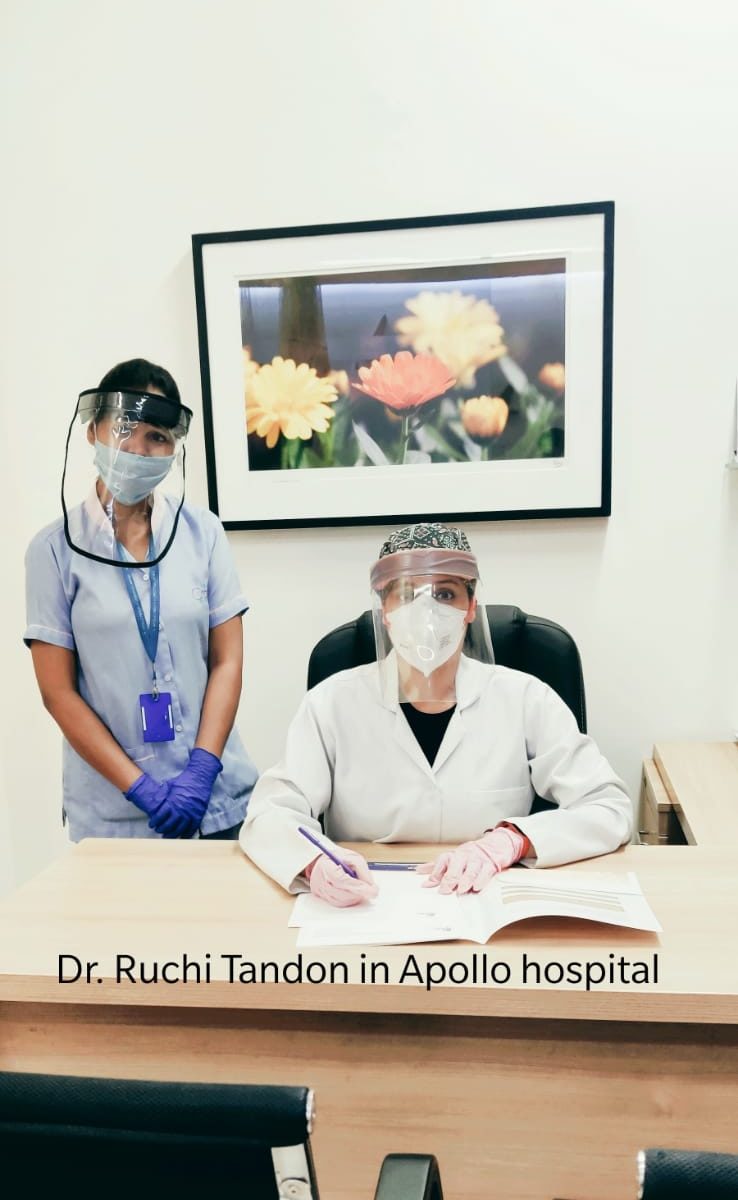
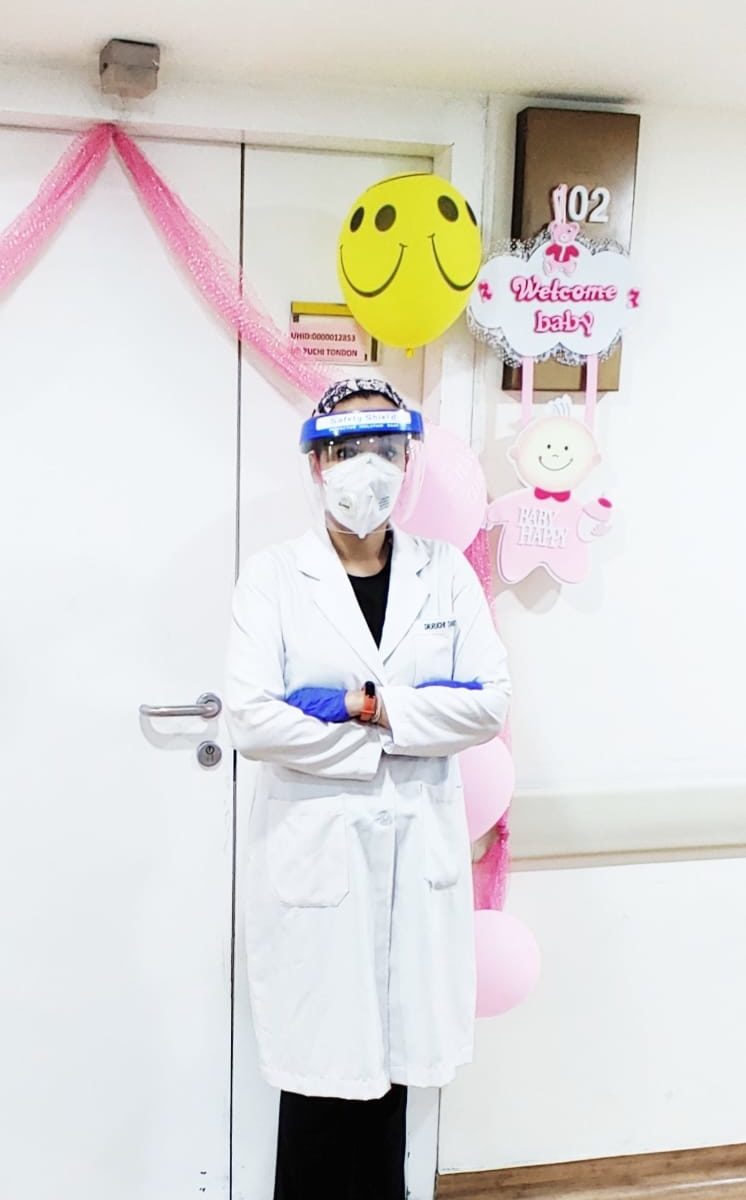
Dr.Ruchi Tandon, is a Gynecologist doctor, practicing in leading hospitals in South Delhi, namely, Max Smart superspeciality hospital , saket , Apollo hospitals . She has over 13 years clinical experience in PCOD, irregular periods and other hormonal issues.

What is Infertility and causes in females

Definition of Infertility

As per WHO, Infertility in females is defined as an inability to achieve pregnancy after 1 year of regular sexual intercourse & no predisposing cause such as lactation, Contraception etc. 

Male Infertility is responsible for 20–35% of infertility cases, while 35% are due to female infertility, and 25–40% are due to combined problems in both parts.  In 10–20% of cases, no cause is present. The most common cause of female infertility is ovulatory problems, which generally manifest themselves by sparse or absent periods. Male infertility is most commonly due to deficiencies in the semen.

Women who are fertile experience a natural period of fertility before and during ovulation, and they are naturally infertile for the rest of the cycle.

Causes of infertility in females

 Ovulation disorders

Ovulation disorders, meaning you ovulate irregularly or not at all. Problems with the regulation of reproductive hormones by the hypothalamus and pituitary gland, or problems in the ovary, can cause ovulation disorders.

Polycystic ovary syndrome or PCOS causes a hormone imbalance, which affects ovulation. PCOS is associated with insulin resistance and obesity, abnormal hair growth on the face and body and acne. It’s the most common cause of female infertility, especially females in their 30’s.

Hypothalamic dysfunction:

Excess physical or emotional stress, a very high or very low body weight, or a recent substantial weight gain or loss can disrupt the production of the female hormones and affect ovulation. Irregular or absent periods are the most common signs.

Premature ovarian failure:

Also called primary ovarian insufficiency, this disorder is usually caused by an autoimmune response or by premature loss of eggs from your ovary. The ovary no longer produces eggs, and it lowers estrogen production in women under the age of 40.

Too much prolactin/hyperprolactinemia

The pituitary gland may cause excess production of prolactin (hyperprolactinemia), which reduces estrogen production(E2) and may cause infertility. Usually related to a pituitary gland problem, this can also be caused by medications you’re taking for another disease.

Damage to fallopian tubes (tubal blockage)

Damaged or blocked fallopian tubes keep sperm from getting to the egg or block the passage of the fertilized egg into the uterus. Causes of fallopian tube damage or blockage can include:

Pelvic inflammatory disease, an infection of the uterus and fallopian tubes due to chlamydia, other sexually transmitted infections like gonorrhea.

Previous surgery in the abdomen or pelvis, including surgery for ectopic pregnancy, in which a fertilized egg implants and develops in a fallopian tube instead of the uterus

Pelvic tuberculosis, a major cause of tubal infertility worldwide, especially India.

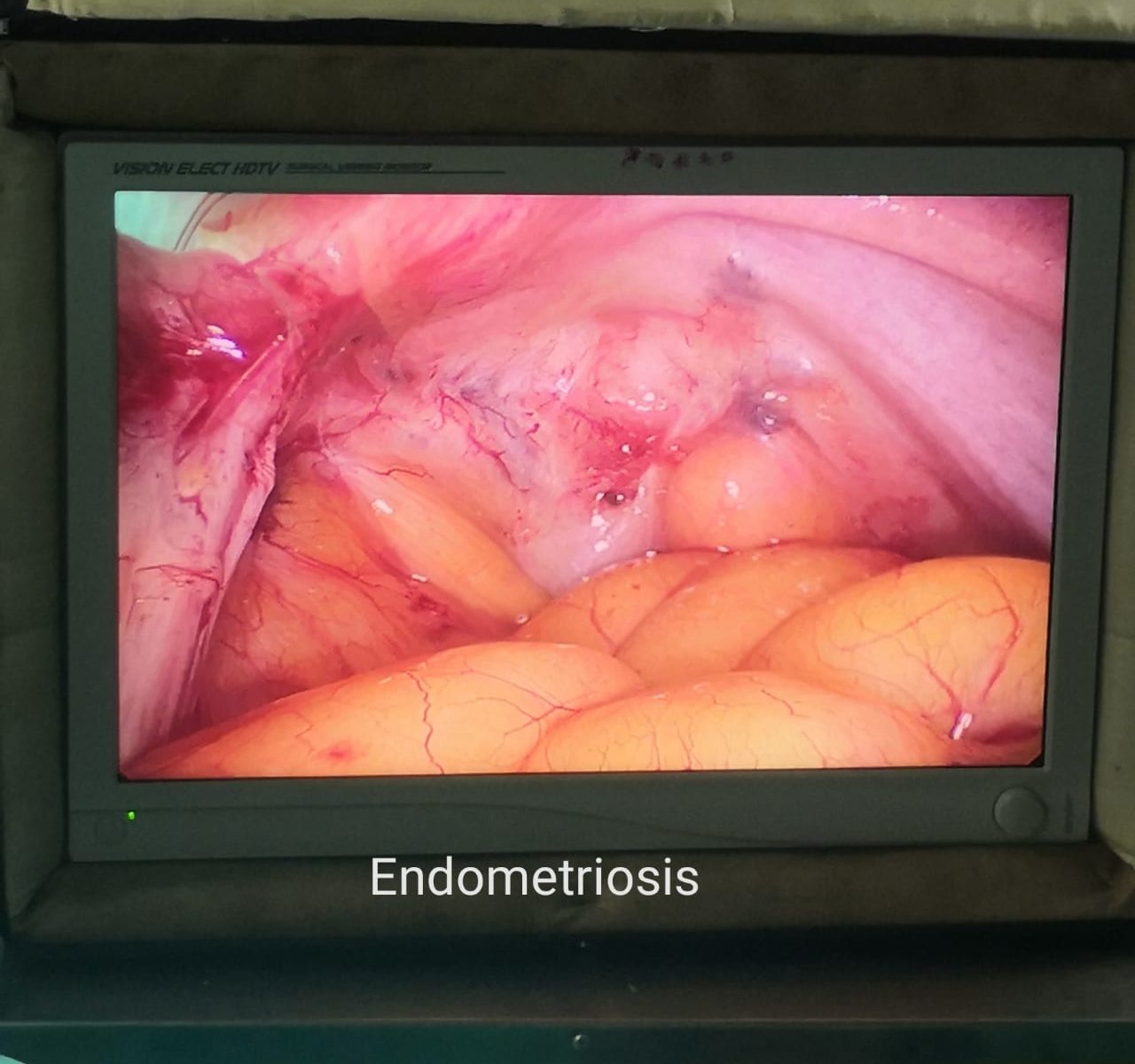
Endometriosis

Endometriosis occurs when tissue that normally grows in the uterus implants and grows in other locations. This extra tissue growth — and the surgical removal of it — can cause scarring, which may block fallopian tubes and keep an egg and sperm from uniting.

Endometriosis can also affect the lining of the uterus or endometrium, disrupting the implantation of the fertilized egg. The condition also seems to affect fertility in less-direct ways, such as damage to the sperm or egg.

Uterine or cervical causes

Several uterine or cervical causes can impact fertility by interfering with implantation or increasing the likelihood of a miscarriage:

Benign polyps or tumors (fibroids or myomas) are common in the uterus. Some can block fallopian tubes or interfere with implantation, affecting fertility. However, many women who have fibroids or polyps do become pregnant.

Endometriosis scarring or inflammation within the uterus can disrupt implantation.

Uterine abnormalities present from birth, such as an abnormally shaped uterus, can cause problems becoming or remaining pregnant.

Cervical stenosis

Unexplained infertility

Sometimes, the cause of infertility is never found, this accounts for almost 30 %of cases.

Infertility treatment by Laparoscopy

Laparoscopy is being done in all the leading hospitals in South Delhi. Dr Ruchi Tandon has received extensive training in laparoscopy from best hospitals in Delhi and Mumbai, such as Max hospital, Dr Ruchi Tandon is one of the best gynecologists, based in greater Kailash and doing all sorts of daycare and operative laparoscopic procedures. Infertility surgeries, Myomectomy, hysterectomy, Hysteroscopy are some of the procedures to name a few.