
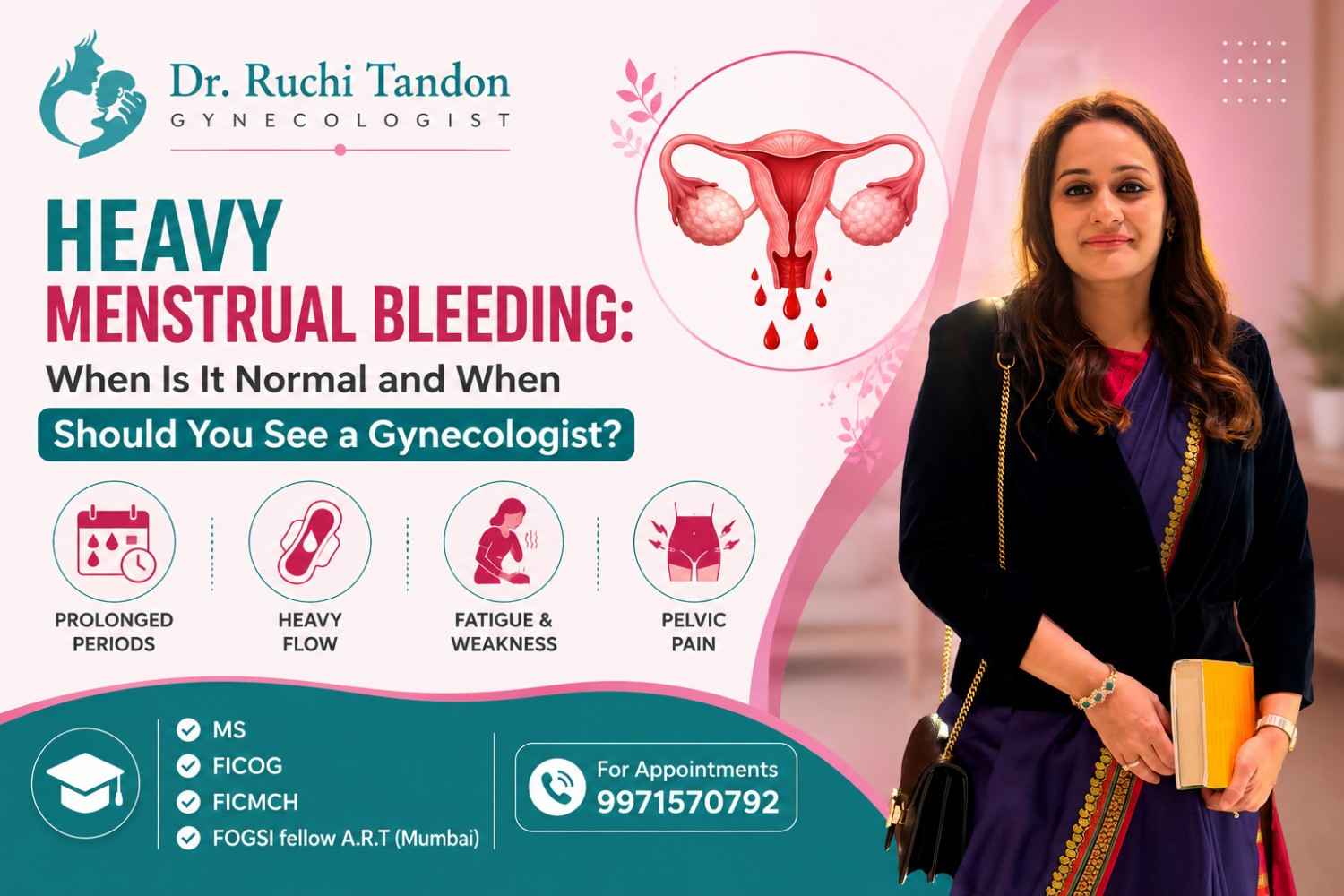
Heavy Menstrual Bleeding: When Is It Normal and When Should You See a Gynecologist?

Heavy menstrual bleeding

Many women experience changes in their menstrual cycle from time to time. However, if your periods become unusually heavy or last longer than expected, it may be a sign that your body needs medical attention. Heavy menstrual bleeding is a common gynecological concern that can interfere with daily activities, affect emotional well-being, and even lead to anemia if left untreated.

Understanding the difference between normal heavy periods and abnormal bleeding can help you seek timely care and prevent future complications.

What Is Considered Heavy Menstrual Bleeding?

A menstrual cycle varies from woman to woman, but excessive blood loss is never something to ignore. You may have excessive menstrual bleeding if you:

  • Soak through one or more sanitary pads or tampons every hour for several consecutive hours.
  • Need to use double protection during your period.
  • Wake up at night to change menstrual products.
  • Pass large blood clots frequently.
  • Bleed for more than seven days.
  • Feel tired, dizzy, or weak due to blood loss.

If these symptoms occur regularly, it is advisable to seek heavy menstrual bleeding treatment from an experienced gynecologist.

What Causes Heavy Periods?

Heavy menstrual bleeding may result from various medical and hormonal conditions. Some of the most common causes include hormonal imbalance, uterine fibroids, adenomyosis, endometrial polyps, thyroid disorders, polycystic ovary syndrome (PCOS), bleeding disorders, and certain medications. In women approaching menopause, hormonal fluctuations can also result in heavier-than-normal periods.

A detailed evaluation helps identify the underlying cause and determine the best treatment for heavy menstrual bleeding based on your age, symptoms, and reproductive plans.

When Should You See a Gynecologist?

While occasional changes in menstrual flow are common, you should not delay medical consultation if:

  • Your periods become significantly heavier than usual.
  • Bleeding lasts longer than a week.
  • Severe pelvic pain accompanies your periods.
  • You feel fatigued or develop symptoms of anemia.
  • Heavy bleeding affects your work, sleep, or quality of life.
  • Bleeding occurs between periods or after menopause.

Women looking for heavy menstrual bleeding treatment in South Delhi should consult a qualified specialist like Dr. Ruchi Tandon for an accurate diagnosis and personalized care.

How Is Heavy Menstrual Bleeding Treated?

The right heavy menstrual bleeding treatment depends on its cause. After clinical examination and appropriate investigations, your gynecologist may recommend medications to regulate hormones, reduce blood loss, or relieve pain. In cases involving fibroids, polyps, or other uterine conditions, minimally invasive or surgical procedures may be considered.

If you are searching for menstrual problems treatment in South Delhi, choosing a specialist ensures that you receive evidence-based care tailored to your individual needs.

Women with fertility concerns or recurrent pregnancy loss should also discuss their menstrual history during consultation. An experienced recurrent miscarriage doctor in South Delhi can evaluate whether hormonal or uterine conditions contributing to heavy bleeding are also affecting reproductive health.

Don’t Ignore Heavy Menstrual Bleeding

Heavy periods are not normal, and they need to be treated. Modern diagnostic techniques and advanced options for heavy periods treatment in Green Park Delhi can successfully manage most menstrual disorders, helping women regain comfort, confidence, and a better quality of life. If your periods are consistently heavy or interfere with your daily routine, schedule an evaluation by the best gynaecologist in Green Park Delhi without delay. Early diagnosis leads to better treatment outcomes and protects your overall reproductive health.

Frequently Asked Questions

1.     What is the cause of heavy period bleeding?

Heavy periods commonly result from hormonal imbalance, fibroids, adenomyosis, thyroid disorders, polyps, PCOS, or certain medications requiring medical evaluation.

2.     What to do during heavy menstrual bleeding?

Stay hydrated, monitor blood loss, maintain iron intake, use appropriate sanitary protection, and consult the best gynecologist for heavy menstrual bleeding in Greater Kailash if bleeding becomes excessive.

3.     What is the first line treatment for heavy menstrual bleeding?

The first treatment usually includes medications such as hormonal therapy or non-hormonal medicines after identifying the underlying cause through evaluation.

4.     When should I see a gynecologist for heavy menstrual bleeding?

Consult a gynecologist in Greater Kailash if bleeding lasts over seven days, becomes unusually heavy, causes anemia, severe pain, or affects daily life.
10 Common Causes of Irregular Periods

irregular periods treatment in South Delhi

A regular menstrual cycle is often considered a sign of good reproductive health, but many women experience irregular periods at some point in their lives. Missing periods, frequent cycles, delayed menstruation, or unusually heavy or light bleeding can all indicate an underlying issue that deserves attention. While occasional changes may not be serious, persistent menstrual irregularities should never be ignored.

Understanding the possible causes can help you seek timely care and prevent future health complications. If your menstrual cycle has become unpredictable, consulting an experienced specialist for irregular periods treatment in South Delhi can help identify the root cause and provide appropriate treatment.

10 Most Common Causes of Irregular Periods

Polycystic Ovary Syndrome (PCOS)

PCOS is one of the leading causes of irregular menstrual cycles. Hormonal imbalance associated with PCOS can prevent regular ovulation, resulting in missed or delayed periods.

Thyroid Disorders

Both hypothyroidism and hyperthyroidism can affect hormones responsible for regulating the menstrual cycle. Treating the thyroid condition often helps restore regular periods.

Stress and Emotional Health

High stress levels influence the brain’s hormone-regulating centers, which may delay or even stop ovulation temporarily, leading to irregular periods.

Sudden Weight Changes

Rapid weight loss, obesity, or eating disorders can disrupt hormone production and interfere with normal menstrual function.

Excessive Exercise

Intense physical training without adequate nutrition may reduce estrogen levels, causing irregular or absent periods, especially in athletes.

Pregnancy

A missed period often indicates pregnancy. If your period is delayed unexpectedly, taking a pregnancy test is an important first step.

Perimenopause

Women approaching menopause commonly experience irregular menstrual cycles due to natural hormonal fluctuations before periods eventually stop. However, seeking advice from the best gynecologist for irregular periods in Green Park is always a smart move.

Certain Medications

Birth control pills, hormonal therapies, blood thinners, and some psychiatric medications may alter menstrual patterns. In such situations, you may need menstrual disorders treatment in Hauz Khas

Uterine Conditions

Fibroids, polyps, adenomyosis, and endometriosis may contribute to abnormal bleeding and irregular cycles that require medical evaluation by an experienced irregular periods doctor in Greater Kailash.

Other Hormonal Imbalances

Conditions affecting the pituitary gland, adrenal glands, or elevated prolactin levels can also disturb the menstrual cycle.

When Should You Consult a Gynecologist?

Seek medical advice if you notice:

  • Periods occurring more than 35 days apart or less than 21 days apart.
  • Heavy bleeding requiring frequent pad changes.
  • Missed periods for three months without pregnancy.
  • Severe pelvic pain or painful menstruation.
  • Bleeding between menstrual cycles.
  • Sudden changes in your regular cycle pattern.

Early diagnosis allows effective Menstrual Problems Treatment in South Delhi, reducing the risk of long-term reproductive and hormonal complications.

Treatment Options for Irregular Periods

The right treatment depends on the underlying cause. A qualified irregular periods doctor in South Delhi may recommend lifestyle modifications, hormonal therapy, medications for thyroid disorders or PCOS, nutritional guidance, or further investigations when necessary.

Women searching for irregular menstrual cycle treatment in South Delhi should choose an experienced gynecologist who provides personalized care based on their medical history and reproductive goals.

Whether you are looking for an irregular periods doctor in Lajpat Nagar or anywhere else, timely consultation can help restore menstrual health and improve overall well-being.

Frequently Asked Questions

1.     What is the major cause of irregular periods?

Hormonal imbalance, especially due to PCOS, thyroid disorders, stress, or significant weight changes, is the most common cause of irregular periods.

2.     How can I solve my irregular periods?

Treatment depends on the underlying cause and may include lifestyle changes, medications, hormone therapy, and regular consultation with a gynecologist.

3.     When should I worry about irregular periods?

Consult a doctor if periods stop for three months, become extremely heavy, painful, or occur with persistent abnormal bleeding.

4.     Can stress cause irregular periods?

Yes. Chronic stress affects hormone regulation, disrupts ovulation, and can delay, shorten, or completely stop menstrual cycles temporarily.