
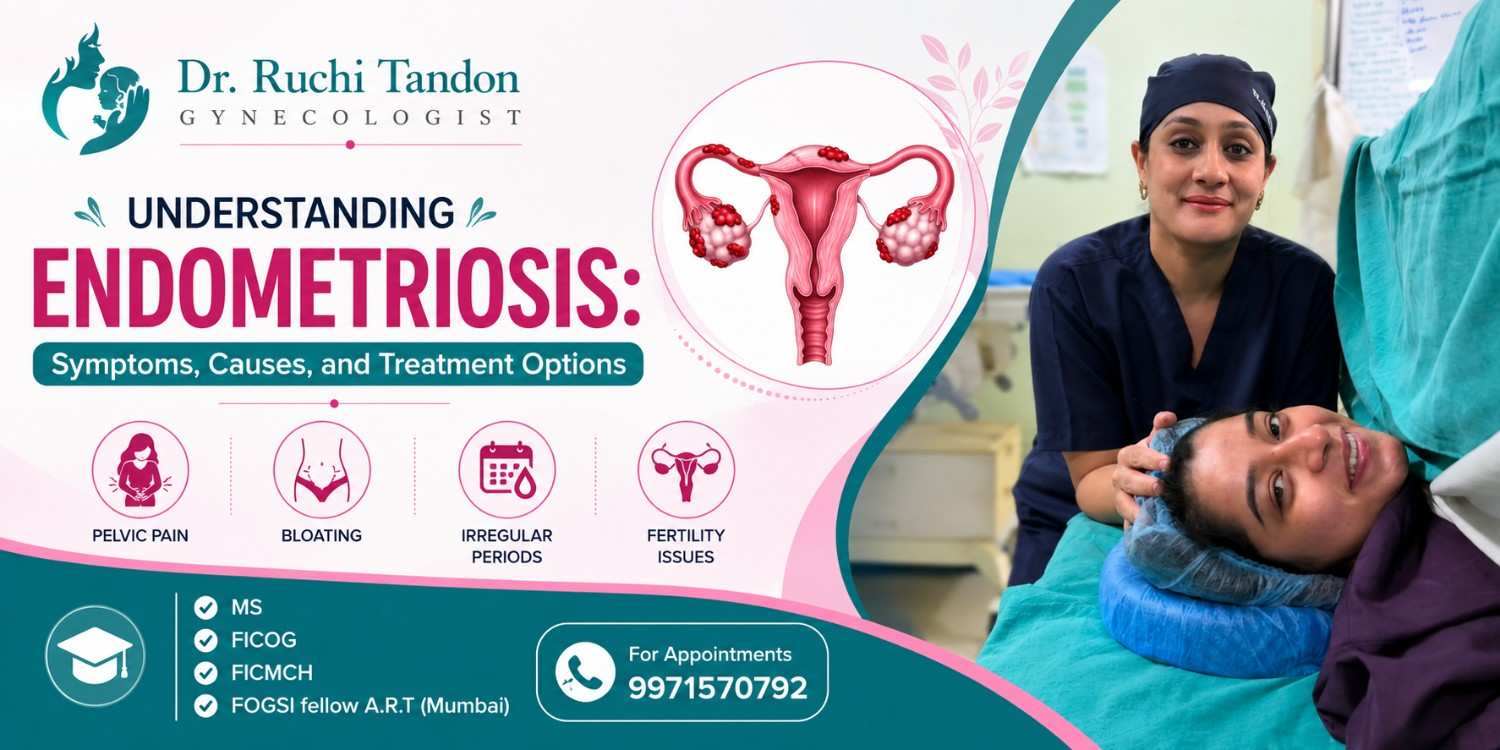
Endometriosis is a common yet often misunderstood gynecological condition that affects millions of women worldwide. Despite its prevalence, many women continue to suffer silently due to delayed diagnosis or lack of awareness. Consulting an experienced endometriosis doctor in South Delhi at the earliest can help identify the condition early and improve treatment outcomes, allowing women to regain control over their health and quality of life.
What Is Endometriosis?
Endometriosis occurs when tissue similar to the lining of the uterus (endometrium) grows outside the uterus. These abnormal growths may develop on the ovaries, fallopian tubes, outer surface of the uterus, pelvic lining, and, in rare cases, other organs. Just like the uterine lining, this tissue responds to hormonal changes during the menstrual cycle, leading to inflammation, pain, and scar tissue formation.
While some women experience severe symptoms, others may have mild discomfort or no symptoms at all, making diagnosis challenging.
Common Symptoms of Endometriosis
The symptoms of endometriosis can vary from person to person. Some of the most commonly reported signs include:
Pelvic Pain
Persistent pelvic pain, especially before and during menstruation, is one of the hallmark symptoms of endometriosis.
Painful Periods
Women may experience intense menstrual cramps that worsen over time and interfere with daily activities.
Pain During Intercourse
Pain during or after sexual intercourse is another common symptom associated with endometriosis.
Heavy Menstrual Bleeding
Some women experience unusually heavy periods or bleeding between menstrual cycles.
Difficulty Conceiving
Endometriosis is often linked to infertility and may be diagnosed during fertility evaluations.
Digestive and Urinary Symptoms
Bloating, constipation, diarrhea, painful bowel movements, and discomfort during urination may occur, particularly during menstruation.
What Causes Endometriosis?
Although the exact cause remains unclear, several factors are believed to contribute to the development of endometriosis:
- Retrograde menstruation: Instead of being discharged, the menstrual blood travels back into the pelvic cavity through the fallopian tubes.
- Genetic predisposition: Women with a family history of endometriosis are more likely to develop the condition.
- Immune system disorders: An impaired immune system may fail to eliminate misplaced endometrial-like tissue.
- Hormonal factors: Estrogen may stimulate the growth and progression of endometriotic lesions.
- Cell transformation: Certain cells outside the uterus may transform into endometrial-like tissue under specific conditions.
Seeking timely consultation from the Best Robotic Gynecologist in South Delhi can help in accurate diagnosis and personalized treatment planning, especially in complex cases.
How Is Endometriosis Diagnosed?
Diagnosis starts generally with a detailed medical history and physical examination. Additional investigations may include:
- Pelvic ultrasound
- MRI scans
- Diagnostic laparoscopy, considered the gold standard for confirming endometriosis
Early diagnosis plays a crucial role in preventing disease progression and preserving fertility.
Treatment Options for Endometriosis
Treatment depends on the severity of symptoms, age, and future pregnancy plans.
Medications
Pain-relieving medications and hormonal therapies may help manage symptoms and slow disease progression.
Minimally Invasive Surgery
Laparoscopic surgery can remove endometriotic lesions while preserving healthy reproductive organs. Robotic-assisted surgery has further enhanced precision and recovery outcomes in advanced cases.
Fertility Treatment
Women facing infertility due to endometriosis may benefit from fertility-enhancing procedures and assisted reproductive techniques.
Lifestyle Modifications
Regular exercise, stress management, a balanced diet, and adequate sleep can support overall symptom management.
When Should You See a Specialist?
If you experience persistent pelvic pain, severe menstrual cramps, or difficulty conceiving, do not ignore these symptoms. Consulting an experienced gynecologist doctor in South Delhi can help ensure timely diagnosis and appropriate treatment. Early intervention can significantly improve quality of life and reproductive health outcomes.