
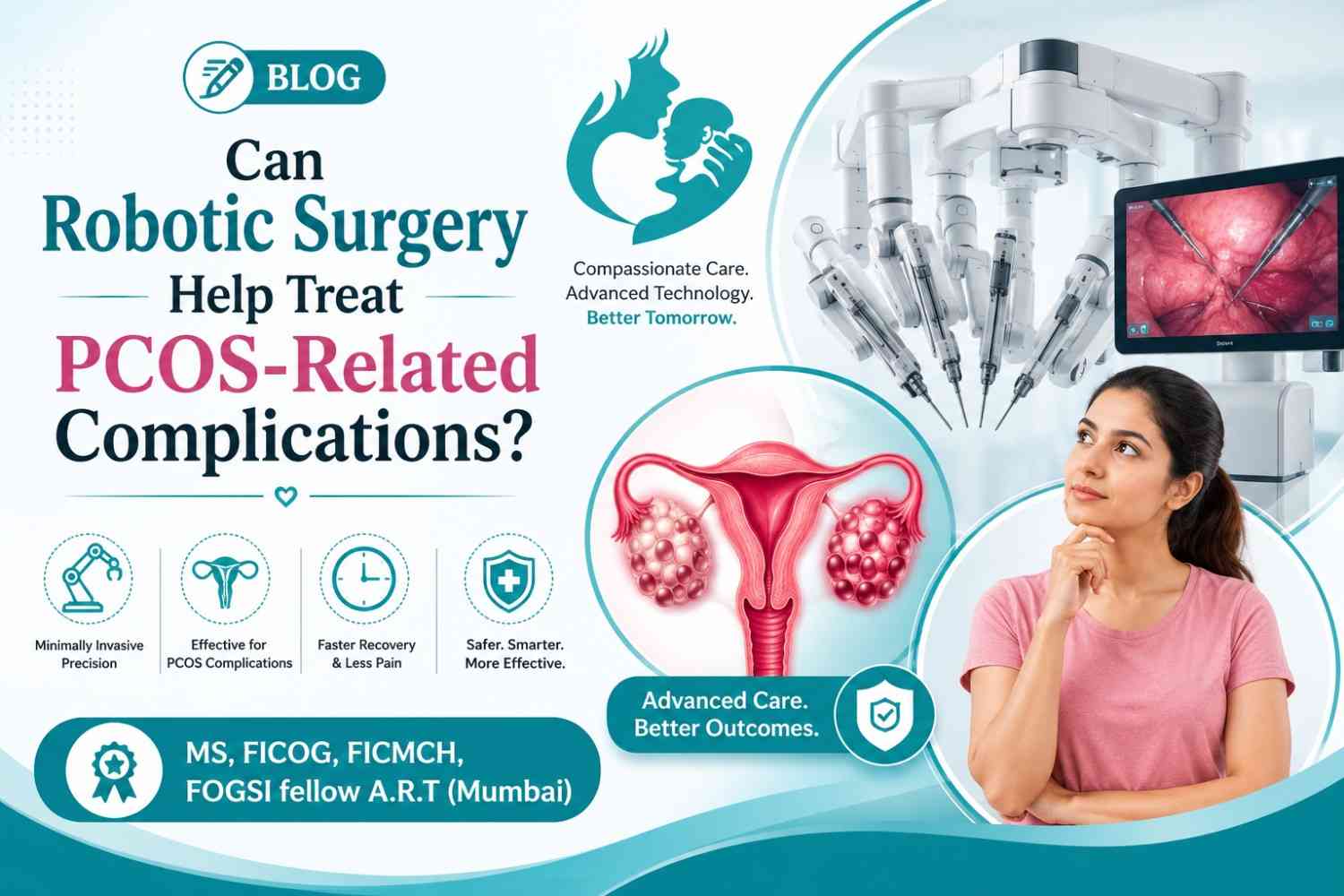
Polycystic Ovary Syndrome (PCOS) is a common condition that affects hormonal balance in women. It can lead to irregular periods, weight gain, infertility, ovarian cysts, and several metabolic issues. While lifestyle changes and medications remain the first line of care, certain complications may require advanced surgical treatment. Today, many women are exploring modern options for PCOS treatment in South Delhi that offer precision, faster recovery, and improved outcomes.
One such advancement is robotic-assisted gynecologic surgery.
Understanding PCOS and Its Complications
PCOS affects the ovaries and disrupts normal hormone levels. Some women experience mild symptoms, while others may face severe reproductive and gynecological complications. In many cases, untreated PCOS can increase the risk of:
- Infertility
- Ovarian cysts
- Endometriosis
- Heavy or irregular bleeding
- Pelvic pain
- Obesity-related complications
Most women respond well to medications and lifestyle management. However, when symptoms become difficult to control or fertility becomes a concern, doctors may recommend surgical intervention.
What Is Robotic Gynecologic Surgery?
Robotic surgery is a minimally invasive procedure performed using robotic-assisted technology controlled by an experienced surgeon. The system allows greater precision, improved visualization, and smaller incisions compared to traditional open surgery.
Today, many hospitals offering Robotic Gynecologic Surgery in South Delhi use advanced robotic systems to treat complex gynecological conditions associated with PCOS and related reproductive disorders.
The procedure is especially beneficial for women who need delicate surgical treatment while minimizing tissue damage and recovery time.
How Can Robotic Surgery Help Women with PCOS?
Robotic surgery itself does not “cure” PCOS, but it can effectively manage certain complications linked to the condition.
1. Treatment of Ovarian Cysts
Women with PCOS may develop enlarged ovaries or cyst-related complications. Robotic-assisted procedures help remove problematic cysts with high precision while preserving healthy ovarian tissue.
2. Fertility-Related Procedures
For women struggling with infertility, robotic surgery may assist in correcting structural reproductive problems such as adhesions, endometriosis, or blocked fallopian tubes that often coexist with PCOS.
3. Reduced Pain and Faster Recovery
Compared to traditional surgery, robotic procedures involve smaller cuts, less bleeding, minimal scarring, and shorter hospital stays. This makes recovery more comfortable for patients.
4. Better Surgical Accuracy
The robotic system offers enhanced magnification and movement control, allowing surgeons to perform highly accurate procedures in sensitive pelvic areas.
A qualified PCOD specialist doctor in South Delhi can evaluate whether robotic-assisted surgery is suitable based on the severity of symptoms and overall reproductive health.
Who May Need Robotic Surgery for PCOS?
Not every woman with PCOS requires surgery. Doctors generally consider robotic-assisted procedures when:
- Medications fail to control symptoms
- Large ovarian cysts are present
- Severe pelvic pain affects daily life
- Fertility issues require surgical correction
- Associated gynecological conditions need treatment
The decision always depends on individual health conditions, age, fertility goals, and symptom severity.
Final Thoughts
PCOS can affect both physical and emotional well-being, especially when complications interfere with fertility and daily life. Thankfully, medical technology has significantly improved treatment possibilities. Robotic-assisted gynecologic procedures now offer women safer, more precise, and minimally invasive options for managing complex reproductive conditions.
If you are experiencing persistent symptoms, consulting the best gynecologist in South Delhi can help you understand the most suitable treatment approach for your condition and long-term reproductive health.