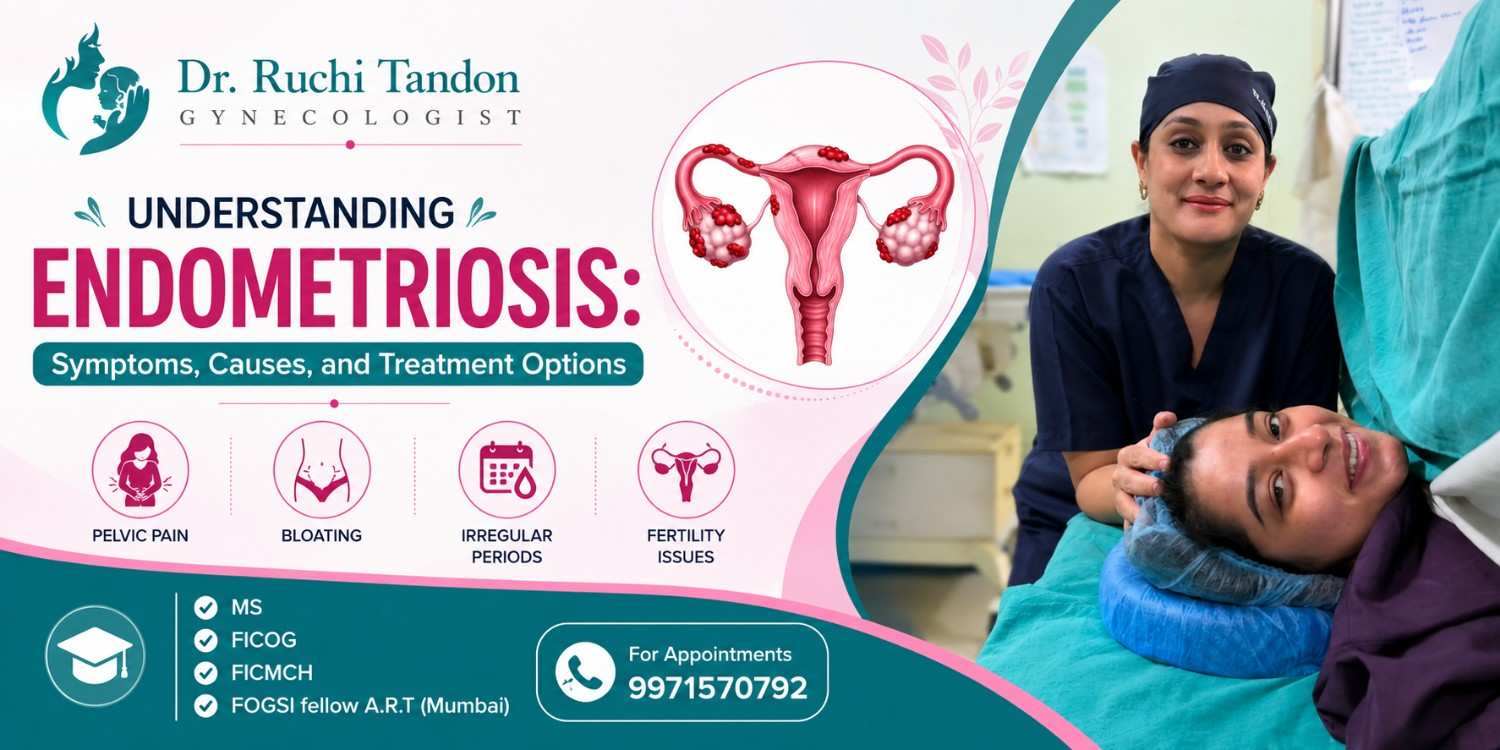
Understanding Endometriosis: Symptoms, Causes, and Treatment Options

endometriosis doctor in South Delhi

Endometriosis is a common yet often misunderstood gynecological condition that affects millions of women worldwide. Despite its prevalence, many women continue to suffer silently due to delayed diagnosis or lack of awareness. Consulting an experienced endometriosis doctor in South Delhi at the earliest can help identify the condition early and improve treatment outcomes, allowing women to regain control over their health and quality of life.

What Is Endometriosis?

Endometriosis occurs when tissue similar to the lining of the uterus (endometrium) grows outside the uterus. These abnormal growths may develop on the ovaries, fallopian tubes, outer surface of the uterus, pelvic lining, and, in rare cases, other organs. Just like the uterine lining, this tissue responds to hormonal changes during the menstrual cycle, leading to inflammation, pain, and scar tissue formation.

While some women experience severe symptoms, others may have mild discomfort or no symptoms at all, making diagnosis challenging.

Common Symptoms of Endometriosis

The symptoms of endometriosis can vary from person to person. Some of the most commonly reported signs include:

Pelvic Pain

Persistent pelvic pain, especially before and during menstruation, is one of the hallmark symptoms of endometriosis.

Painful Periods

Women may experience intense menstrual cramps that worsen over time and interfere with daily activities.

Pain During Intercourse

Pain during or after sexual intercourse is another common symptom associated with endometriosis.

Heavy Menstrual Bleeding

Some women experience unusually heavy periods or bleeding between menstrual cycles.

Difficulty Conceiving

Endometriosis is often linked to infertility and may be diagnosed during fertility evaluations.

Digestive and Urinary Symptoms

Bloating, constipation, diarrhea, painful bowel movements, and discomfort during urination may occur, particularly during menstruation.

What Causes Endometriosis?

Although the exact cause remains unclear, several factors are believed to contribute to the development of endometriosis:

  • Retrograde menstruation: Instead of being discharged, the menstrual blood travels back into the pelvic cavity through the fallopian tubes.
  • Genetic predisposition: Women with a family history of endometriosis are more likely to develop the condition.
  • Immune system disorders: An impaired immune system may fail to eliminate misplaced endometrial-like tissue.
  • Hormonal factors: Estrogen may stimulate the growth and progression of endometriotic lesions.
  • Cell transformation: Certain cells outside the uterus may transform into endometrial-like tissue under specific conditions.

Seeking timely consultation from the Best Robotic Gynecologist in South Delhi can help in accurate diagnosis and personalized treatment planning, especially in complex cases.

How Is Endometriosis Diagnosed?

Diagnosis starts generally with a detailed medical history and physical examination. Additional investigations may include:

  • Pelvic ultrasound
  • MRI scans
  • Diagnostic laparoscopy, considered the gold standard for confirming endometriosis

Early diagnosis plays a crucial role in preventing disease progression and preserving fertility.

Treatment Options for Endometriosis

Treatment depends on the severity of symptoms, age, and future pregnancy plans.

Medications

Pain-relieving medications and hormonal therapies may help manage symptoms and slow disease progression.

Minimally Invasive Surgery

Laparoscopic surgery can remove endometriotic lesions while preserving healthy reproductive organs. Robotic-assisted surgery has further enhanced precision and recovery outcomes in advanced cases.

Fertility Treatment

Women facing infertility due to endometriosis may benefit from fertility-enhancing procedures and assisted reproductive techniques.

Lifestyle Modifications

Regular exercise, stress management, a balanced diet, and adequate sleep can support overall symptom management.

When Should You See a Specialist?

If you experience persistent pelvic pain, severe menstrual cramps, or difficulty conceiving, do not ignore these symptoms. Consulting an experienced gynecologist doctor in South Delhi can help ensure timely diagnosis and appropriate treatment. Early intervention can significantly improve quality of life and reproductive health outcomes.

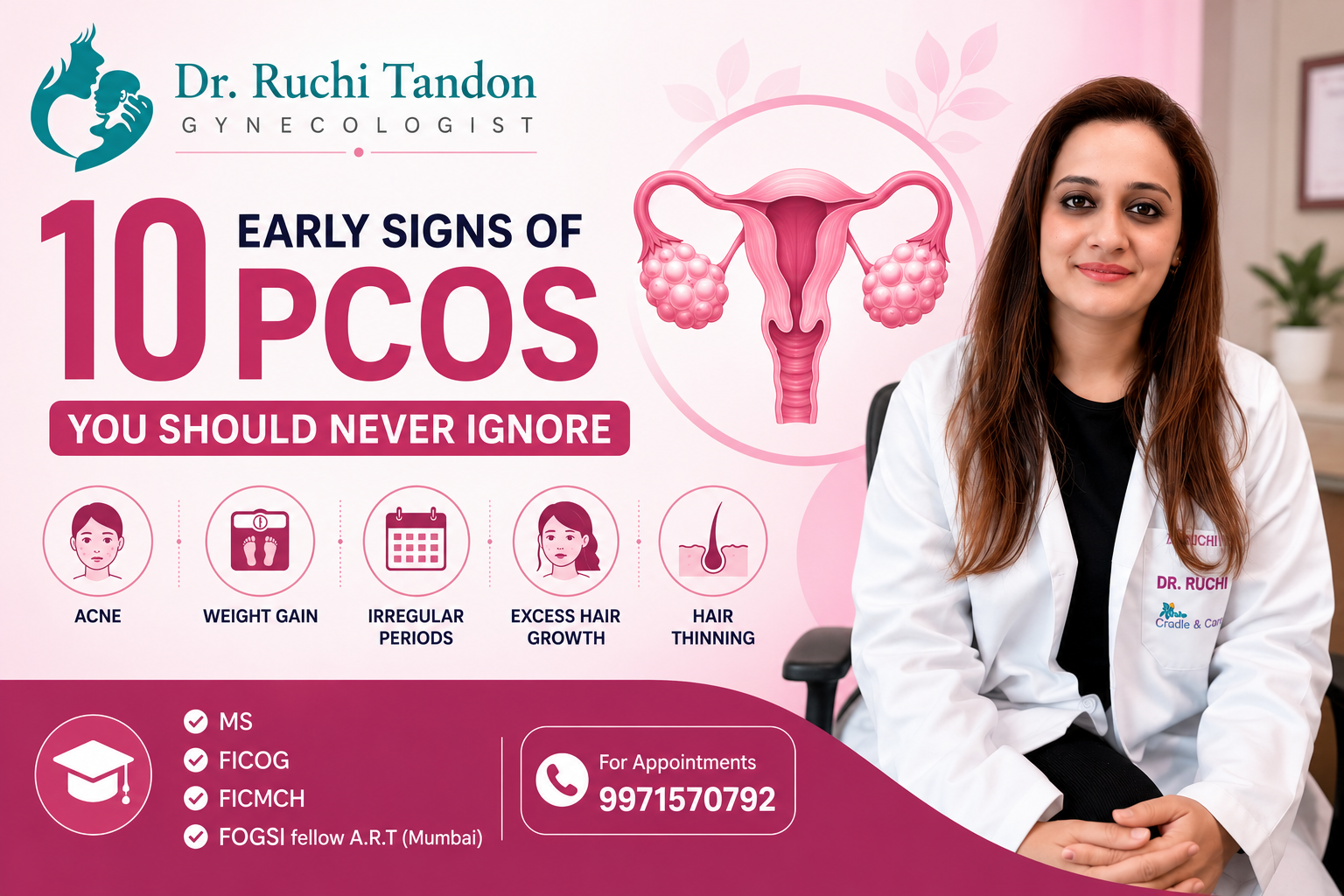
10 Early Signs of PCOS You Should Never Ignore

PCOS treatment in South Delhi

Polycystic Ovary Syndrome (PCOS) is one of the most common hormonal disorders affecting women of reproductive age. Unfortunately, many women overlook its early symptoms, assuming they are simply part of a stressful lifestyle or normal hormonal changes. Recognizing these warning signs early can make a significant difference in managing the condition effectively. Seeking timely PCOS treatment in South Delhi can help prevent complications and improve overall health and fertility outcomes.

Early Signs of PCOS

1.     Irregular Menstrual Cycles

Irregular periods is one of the earliest and most common signs of PCOS. You may experience infrequent menstrual cycles, prolonged gaps between periods, or even miss periods altogether. Hormonal imbalance often interferes with ovulation, leading to unpredictable cycles.

2.     Excessive Hair Growth

Women with PCOS may notice unwanted hair growth on the face, chest, abdomen, or back. This condition, known as hirsutism, occurs due to elevated levels of male hormones (androgens). If excessive hair growth appears suddenly, it should not be ignored.

3.     Persistent Acne and Oily Skin

Adult acne that refuses to go away despite proper skincare may indicate an underlying hormonal issue. PCOS-related hormonal changes can increase oil production, resulting in stubborn acne, particularly around the jawline, chin, and cheeks.

4.     Sudden Weight Gain

Many women with PCOS struggle with unexplained weight gain, especially around the abdomen. Hormonal imbalances can make it difficult to lose weight, even with regular exercise and a healthy diet.

5.     Hair Thinning or Hair Loss

While excess hair growth can occur in some areas, thinning of scalp hair is also a common symptom. Women may experience noticeable hair shedding or reduced hair volume due to hormonal fluctuations.

6.     Dark Patches on the Skin

Dark, velvety patches appearing on the neck, underarms, or groin area may be a sign of insulin resistance, which is frequently associated with PCOS. These skin changes warrant medical attention.

7.     Difficulty Conceiving

PCOS is one of the leading causes of infertility because irregular ovulation affects the chances of conception. Early diagnosis and appropriate care from a PCOD specialist doctor in south Delhi can significantly improve reproductive health and fertility prospects.

8.     Frequent Mood Changes

Hormonal imbalances may contribute to anxiety, irritability, mood swings, or even depression. Emotional health is equally important and should not be overlooked when assessing PCOS symptoms.

9.     Pelvic Pain or Discomfort

Some women experience pelvic discomfort due to enlarged ovaries or ovarian cysts. In certain cases, advanced treatment options such as robotic cystectomy in South Delhi may be recommended for managing complex ovarian cysts while preserving reproductive health.

10.Persistent Fatigue

Feeling constantly tired despite adequate rest may indicate insulin resistance and hormonal disturbances associated with PCOS. Chronic fatigue can affect daily life and should be evaluated by a healthcare professional.

When Should You Consult a Doctor?

Ignoring the early signs of PCOS can increase the risk of long-term complications, including diabetes, infertility, and cardiovascular problems. If you notice any of these symptoms, consult the best gynecologist in South Delhi for timely evaluation, accurate diagnosis, and personalized treatment. Early intervention can help you regain hormonal balance and lead a healthier, more fulfilling life.

10 Common Causes of Irregular Periods

irregular periods treatment in South Delhi

A regular menstrual cycle is often considered a sign of good reproductive health, but many women experience irregular periods at some point in their lives. Missing periods, frequent cycles, delayed menstruation, or unusually heavy or light bleeding can all indicate an underlying issue that deserves attention. While occasional changes may not be serious, persistent menstrual irregularities should never be ignored.

Understanding the possible causes can help you seek timely care and prevent future health complications. If your menstrual cycle has become unpredictable, consulting an experienced specialist for irregular periods treatment in South Delhi can help identify the root cause and provide appropriate treatment.

10 Most Common Causes of Irregular Periods

Polycystic Ovary Syndrome (PCOS)

PCOS is one of the leading causes of irregular menstrual cycles. Hormonal imbalance associated with PCOS can prevent regular ovulation, resulting in missed or delayed periods.

Thyroid Disorders

Both hypothyroidism and hyperthyroidism can affect hormones responsible for regulating the menstrual cycle. Treating the thyroid condition often helps restore regular periods.

Stress and Emotional Health

High stress levels influence the brain’s hormone-regulating centers, which may delay or even stop ovulation temporarily, leading to irregular periods.

Sudden Weight Changes

Rapid weight loss, obesity, or eating disorders can disrupt hormone production and interfere with normal menstrual function.

Excessive Exercise

Intense physical training without adequate nutrition may reduce estrogen levels, causing irregular or absent periods, especially in athletes.

Pregnancy

A missed period often indicates pregnancy. If your period is delayed unexpectedly, taking a pregnancy test is an important first step.

Perimenopause

Women approaching menopause commonly experience irregular menstrual cycles due to natural hormonal fluctuations before periods eventually stop. However, seeking advice from the best gynecologist for irregular periods in Green Park is always a smart move.

Certain Medications

Birth control pills, hormonal therapies, blood thinners, and some psychiatric medications may alter menstrual patterns. In such situations, you may need menstrual disorders treatment in Hauz Khas

Uterine Conditions

Fibroids, polyps, adenomyosis, and endometriosis may contribute to abnormal bleeding and irregular cycles that require medical evaluation by an experienced irregular periods doctor in Greater Kailash.

Other Hormonal Imbalances

Conditions affecting the pituitary gland, adrenal glands, or elevated prolactin levels can also disturb the menstrual cycle.

When Should You Consult a Gynecologist?

Seek medical advice if you notice:

  • Periods occurring more than 35 days apart or less than 21 days apart.
  • Heavy bleeding requiring frequent pad changes.
  • Missed periods for three months without pregnancy.
  • Severe pelvic pain or painful menstruation.
  • Bleeding between menstrual cycles.
  • Sudden changes in your regular cycle pattern.

Early diagnosis allows effective Menstrual Problems Treatment in South Delhi, reducing the risk of long-term reproductive and hormonal complications.

Treatment Options for Irregular Periods

The right treatment depends on the underlying cause. A qualified irregular periods doctor in South Delhi may recommend lifestyle modifications, hormonal therapy, medications for thyroid disorders or PCOS, nutritional guidance, or further investigations when necessary.

Women searching for irregular menstrual cycle treatment in South Delhi should choose an experienced gynecologist who provides personalized care based on their medical history and reproductive goals.

Whether you are looking for an irregular periods doctor in Lajpat Nagar or anywhere else, timely consultation can help restore menstrual health and improve overall well-being.

Frequently Asked Questions

1.     What is the major cause of irregular periods?

Hormonal imbalance, especially due to PCOS, thyroid disorders, stress, or significant weight changes, is the most common cause of irregular periods.

2.     How can I solve my irregular periods?

Treatment depends on the underlying cause and may include lifestyle changes, medications, hormone therapy, and regular consultation with a gynecologist.

3.     When should I worry about irregular periods?

Consult a doctor if periods stop for three months, become extremely heavy, painful, or occur with persistent abnormal bleeding.

4.     Can stress cause irregular periods?

Yes. Chronic stress affects hormone regulation, disrupts ovulation, and can delay, shorten, or completely stop menstrual cycles temporarily.

Benefits of Robotic Myomectomy for Women Planning Pregnancy

robotic myomectomy in South Delhi

For many women, planning a pregnancy is an exciting phase of life. However, uterine fibroids can sometimes make conception difficult or lead to complications during pregnancy. Fibroids may interfere with implantation, distort the uterine cavity, or increase the risk of miscarriage. In such situations, consulting an experienced pregnancy doctor in South Delhi becomes essential to understand the best treatment approach. Among the available options, robotic myomectomy has emerged as a highly advanced and effective procedure for women who wish to preserve their fertility.

Understanding Robotic Myomectomy

Robotic myomectomy is a minimally invasive surgical procedure performed to remove uterine fibroids while preserving the uterus. The surgery is carried out using robotic-assisted technology that allows the surgeon to perform highly precise movements through small incisions. This advanced approach helps remove fibroids with greater accuracy and minimizes damage to healthy uterine tissue.

How Do Fibroids Affect Fertility?

Fibroids can impact fertility in several ways, including:

  • Blocking the fallopian tubes
  • Altering the shape of the uterine cavity
  • Reducing implantation chances
  • Increasing the risk of recurrent miscarriages
  • Causing pelvic pain and heavy menstrual bleeding

Women experiencing these symptoms should seek timely medical evaluation to improve their chances of a healthy pregnancy.

Key Benefits of Robotic Myomectomy for Women Planning Pregnancy

Preservation of the Uterus

One of the biggest advantages of robotic myomectomy is that it removes only the fibroids while preserving the uterus. This makes it an ideal option for women who wish to conceive in the future.

Greater Surgical Precision

The robotic system provides enhanced visualization and precise instrument control. Surgeons can carefully remove fibroids while preserving healthy uterine tissue, which is crucial for future pregnancies. Women seeking robotic myomectomy in South Delhi often choose this approach because of its accuracy and fertility-preserving benefits.

Minimal Scarring

Unlike traditional open surgery, robotic myomectomy requires only small incisions. This results in minimal scarring, reduced blood loss, and less trauma to surrounding tissues.

Faster Recovery

Most women undergoing robotic surgery experience shorter hospital stays and quicker recovery. Faster healing allows women to return to their daily routines sooner and begin planning for pregnancy after adequate medical guidance.

Lower Risk of Adhesions

Post-surgical adhesions can sometimes affect fertility. Robotic surgery reduces tissue handling and surgical trauma, thereby lowering the risk of adhesion formation compared to conventional open procedures.

Improved Pregnancy Outcomes

Several studies suggest that removing fibroids can improve fertility outcomes in appropriately selected patients. After adequate healing, many women are able to conceive naturally and enjoy healthier pregnancies. Proper follow-up with the best gynaecology doctor in South Delhi ensures individualized care and guidance throughout the conception journey.

Conclusion

Robotic myomectomy offers a safe and effective solution for women struggling with fibroids while planning pregnancy. Its precision, faster recovery, and fertility-preserving advantages make it a preferred choice for many patients. If you have been diagnosed with uterine fibroids and are planning to start a family, consulting a specialist for robotic myomectomy in South Delhi can help you make informed decisions and improve your chances of a successful pregnancy.

Signs You Should Consult a Fertility Specialist

infertility specialist in South Delhi

Starting or expanding a family is a deeply personal journey, and for many couples, conception happens naturally. However, for some, the process may take longer than expected and bring emotional stress along the way. Recognizing when to seek professional help can make a significant difference. Consulting an infertility specialist in South Delhi at the right time can help identify underlying concerns early and improve the chances of successful treatment.

You Have Been Trying to Conceive for Over a Year

One of the most common indicators that it’s time to seek expert advice is the inability to conceive despite regular, unprotected intercourse. Generally, couples under the age of 35 are advised to consult a specialist if they have been trying to conceive for over 12 months without success. Women above 35 should consider seeking medical guidance after six months of trying, as fertility naturally declines with age.

Irregular or Absent Menstrual Cycles

A regular menstrual cycle often reflects healthy ovulation. If your periods are irregular, unusually heavy, extremely painful, or absent altogether, it may indicate hormonal imbalances or ovulation-related issues. Conditions such as polycystic ovary syndrome (PCOS), thyroid disorders, or premature ovarian insufficiency can affect fertility and should be evaluated by a specialist.

You Have Experienced Multiple Miscarriages

While a single miscarriage is relatively common, recurrent pregnancy loss may point to an underlying medical condition. If you have experienced two or more miscarriages, consulting a fertility expert is recommended. A detailed evaluation can help identify the cause and guide appropriate treatment options.

Known Reproductive Health Conditions

Certain medical conditions can directly impact fertility. Women diagnosed with endometriosis, uterine fibroids, pelvic inflammatory disease, or blocked fallopian tubes may find it difficult to conceive naturally. Similarly, men with low sperm count, poor sperm motility, or a history of testicular issues should also seek professional advice.

Advanced Maternal Age

Age plays a crucial role in fertility. With increasing age, the quality and quantity of eggs in women decreases gradually. If you are planning pregnancy in your mid-to-late thirties or beyond, early consultation with an infertility specialist in Greater Kailash can help assess your reproductive health and explore suitable fertility options.

Previous Cancer Treatments

Cancer therapies such as chemotherapy and radiation can affect reproductive potential in both men and women. Individuals who have undergone such treatments and wish to conceive should seek fertility counseling to understand their available options.

Male Fertility Concerns

Infertility is not solely a female issue. Male factors contribute to a significant percentage of infertility cases. Concerns such as erectile dysfunction, ejaculation problems, previous surgeries, or abnormal semen analysis results warrant evaluation by a fertility expert.

Don’t Ignore the Early Signs

Delaying fertility assessment can sometimes reduce treatment options. Early diagnosis allows specialists to identify problems sooner and recommend personalized treatment plans. If you notice any of these signs, scheduling a consultation with the best gynecologist in South Delhi can provide clarity, reassurance, and the right path toward parenthood.

Signs You Should Contact Your Doctor After an Abortion

abortion clinic in Delhi

Undergoing an abortion is a personal healthcare decision, and in most cases, recovery is smooth when proper medical guidance is followed. Whether you choose a medical or surgical procedure, it is important to pay attention to your body’s healing process. Reputed healthcare providers and every trusted abortion clinic in Delhi emphasize the importance of post-abortion care to ensure a safe and comfortable recovery. While mild cramping and light bleeding are considered normal, certain symptoms should never be ignored.

Understanding Normal Recovery After an Abortion

It is common to experience some bleeding, spotting, and abdominal cramps for a few days after the procedure. Many women also notice fatigue, mild nausea, or emotional changes as hormone levels begin to adjust. These symptoms generally improve gradually without any medical intervention.

However, if symptoms become severe or persist for an extended period, consulting a healthcare professional becomes essential.

Signs Indicating the Need to Visit an Abortion Centre in Delhi

Excessive Bleeding That Doesn’t Slow Down

Bleeding after an abortion varies in every woman. Some may experience light spotting, while others may have heavier bleeding for a short period. However, soaking two or more sanitary pads per hour for consecutive hours is not considered normal.

Heavy bleeding accompanied by dizziness, weakness, or fainting may indicate a complication and requires immediate medical attention.

Severe or Persistent Abdominal Pain

Mild to moderate cramping is expected as the uterus contracts and returns to its normal size. But if you experience intense abdominal pain that does not improve with prescribed medications, it could be a warning sign.

Pain that becomes progressively worse or is associated with heavy bleeding should be evaluated by a specialist. Seeking timely advice from the best gynaecologist in South Delhi can help identify and address any underlying concern before it worsens.

High Fever or Chills

A slight increase in body temperature during recovery can occur occasionally. However, a fever above 100.4°F (38°C) lasting more than 24 hours, especially when accompanied by chills, may indicate an infection.

Post-abortion infections are uncommon but should be treated promptly to avoid complications. Do not delay contacting your healthcare provider if you notice these symptoms.

Foul-Smelling Vaginal Discharge

Unusual vaginal discharge with a strong or unpleasant odor should never be ignored. This may be a sign of an infection inside the uterus or reproductive tract.

Early diagnosis and treatment can prevent the infection from spreading and support a faster recovery.

Feeling Emotionally Overwhelmed

Physical recovery is only one aspect of healing. Some women experience sadness, anxiety, mood swings, or emotional distress after an abortion. While emotional responses vary, persistent feelings of depression or overwhelming anxiety deserve professional support.

Talking openly with your doctor can help you receive the guidance and care you need during recovery.

Prioritize Your Health and Recovery

Choosing a reliable abortion centre in Delhi ensures that you receive proper medical care before, during, and after the procedure. If you notice any unusual symptoms, never hesitate to seek medical advice. Regular follow-ups with the best gynecologist in Green Park Delhi can provide reassurance and help ensure a healthy recovery journey.