The Emotional Impact of PCOS. How Treatment Can Help

PCOS doctor in South Delhi

Polycystic Ovary Syndrome (PCOS) is a common condition that is seen globally in women of reproductive age. While irregular periods, acne, unwanted hair growth, and weight changes are widely recognized symptoms, the emotional burden of PCOS often goes unnoticed. Living with unpredictable symptoms can affect confidence, relationships, and overall quality of life. Seeking timely guidance from an experienced PCOS doctor in South Delhi can help women manage both the physical and emotional aspects of the condition.

Understanding the Emotional Challenges of PCOS

PCOS can trigger a range of emotions that may become overwhelming over time. Many women feel frustrated by the lack of control over their bodies, especially when symptoms persist despite lifestyle changes. Concerns about appearance, fertility, or long-term health can further increase emotional stress.

Mood swings, anxiety, and low self-esteem are also common among women with PCOS. Hormonal imbalances can influence emotional well-being, while repeated disappointments related to irregular cycles or difficulty conceiving may lead to feelings of sadness or isolation. Without proper support, these emotional struggles can begin to affect work, family life, and social relationships.

Why Early Diagnosis Makes a Difference?

Many women ignore irregular periods or dismiss other symptoms as temporary. However, early diagnosis allows doctors to identify the underlying hormonal imbalance before complications develop. Timely evaluation not only improves symptom management but also reduces the emotional uncertainty that often accompanies an undiagnosed condition.

Receiving a clear diagnosis helps women understand what they are experiencing and gives them a structured treatment plan, replacing confusion with confidence.

How Treatment Supports Emotional Well-Being

Modern PCOS treatment in South Delhi focuses on treating the condition as a whole rather than addressing individual symptoms alone. Depending on the patient’s needs, treatment may include lifestyle modifications, nutritional guidance, medications to regulate hormones, and fertility support when required.

As symptoms become more manageable, many women notice improvements in their emotional health. Regular menstrual cycles, clearer skin, better weight management, and improved energy levels often contribute to greater self-confidence. Equally important is the reassurance that comes from knowing the condition is being monitored by a qualified specialist.

Choosing the Right Medical Guidance

Every woman experiences PCOS differently, making personalized treatment essential. Consulting the best gynecologist in South Delhi ensures that care is tailored to individual symptoms, future pregnancy plans, and overall health goals. A compassionate doctor not only treats hormonal imbalances but also understands the emotional concerns that frequently accompany PCOS.

Final Thoughts

PCOS is not just a physical condition; it can have a lasting impact on emotional health as well. The good news is that with early diagnosis, appropriate treatment, and consistent medical guidance, women can regain control over their health and improve their quality of life. No one should feel alone in managing PCOS, and seeking professional care is the first step toward both physical and emotional well-being.

Annual Gynecological Checkup: What Every Woman Should Expect

Best Gynecologist doctor in South Delhi

Regular health checkups are one of the simplest ways to protect your long-term well-being. While many women visit a gynecologist only when they experience discomfort, an annual gynecological checkup plays a much bigger role. It helps detect potential health concerns early, supports preventive care, and provides an opportunity to discuss any changes in your reproductive or overall health.

Whether you’re in your twenties or approaching menopause, scheduling a yearly visit with the Best Gynecologist doctor in South Delhi can help you stay informed and confident about your health.

Why Is an Annual Gynecological Checkup Important?

A yearly gynecological examination focuses on maintaining your reproductive health while identifying conditions that may not show noticeable symptoms in their early stages. Early diagnosis often leads to simpler treatments and better outcomes.

Your doctor may evaluate menstrual health, hormonal changes, fertility concerns, contraception, sexual wellness, and symptoms related to menopause, depending on your age and medical history.

What Happens During the Appointment?

Every consultation is personalized, but most annual checkups include the following:

A Detailed Health Discussion

The visit usually begins with a conversation about your medical history, menstrual cycle, lifestyle, medications, pregnancies, and any symptoms you may have experienced since your last visit. Be honest about any concerns, as this information helps your doctor provide the right guidance.

Physical and Pelvic Examination

A general physical examination may include checking your blood pressure, weight, and overall health. Depending on your age and symptoms, your gynecologist may recommend a pelvic examination to assess the health of your reproductive organs.

If necessary, a Pap smear or HPV screening may also be suggested to detect early cervical changes.

Questions You Shouldn’t Hesitate to Ask

An annual visit is an excellent opportunity to discuss topics that often go unanswered, including:

  • Irregular or painful periods
  • Birth control options
  • Family planning
  • Vaginal infections
  • Sexual health
  • Menopause symptoms
  • Breast health

No concern is too small when it comes to your health.

Screening for Common Gynecological Conditions

Many gynecological conditions develop gradually without obvious symptoms. Routine examinations help identify problems such as ovarian cysts, fibroids, hormonal imbalances, cervical abnormalities, and endometriosis.

Women experiencing persistent pelvic pain or painful menstrual cycles should consult the best endometriosis doctor in South Delhi, as timely diagnosis can significantly improve quality of life and preserve fertility.

Preparing for Your Appointment

Preparing early can make your visit more productive. Keep a record of your menstrual cycle, list any medications you’re taking, and write down questions you’d like to discuss. If possible, avoid scheduling your appointment during heavy menstrual bleeding unless your symptoms require immediate attention.

Choosing the best gynaecologist in South Delhi ensures that you receive compassionate care, evidence-based advice, and appropriate screening recommendations based on your individual health needs.

Take Charge of Your Health

Annual gynecological checkups are not just about treating illness; they are about preventing it. They empower women to understand their bodies, address concerns early, and make informed healthcare decisions.

Whether you are planning a family, managing menstrual concerns, or simply prioritizing preventive healthcare, regular visits to the best gyno doctor in South Delhi can help you maintain lifelong reproductive and overall wellness. A single appointment each year can make a meaningful difference in protecting your health for years to come.

How Can PCOS Treatment Reduce Pregnancy Complications?

PCOS treatment in South Delhi

Polycystic Ovary Syndrome (PCOS) is one of the most common hormonal disorders that women of reproductive age experience globally. While many women associate it with irregular periods or difficulty conceiving, PCOS can also increase the risk of complications during pregnancy if left untreated. The good news is that timely medical care, lifestyle changes, and regular monitoring can significantly improve pregnancy outcomes for both the mother and the baby.

Seeking PCOS treatment in South Delhi at the right time can help women prepare for a healthier pregnancy and minimize potential risks.

Why Does PCOS Increase Pregnancy Risks?

PCOS affects hormone levels, insulin sensitivity, and ovulation. These changes can make it harder to achieve and maintain a healthy pregnancy. Women with untreated PCOS may have a higher chance of developing gestational diabetes, high blood pressure, preeclampsia, preterm birth, or delivering babies with a higher birth weight.

The condition can also increase the likelihood of miscarriage, especially during the early stages of pregnancy. However, these risks are not inevitable. Proper diagnosis and treatment can make a remarkable difference.

The Importance of Early Treatment

Managing PCOS before conception allows the body to achieve better hormonal balance. Doctors typically recommend a combination of healthy eating, regular physical activity, weight management, and medications when required. These measures improve insulin resistance, regulate menstrual cycles, and promote healthy ovulation.

Women planning pregnancy should consult an experienced infertility specialist in Greater Kailash who can evaluate their overall reproductive health and create a personalized treatment plan based on their medical history and future pregnancy goals.

How Does Treatment Support a Healthy Pregnancy?

When PCOS is managed effectively, several pregnancy-related risks can be reduced.

  • Improved ovulation increases the chances of natural conception.
  • Better blood sugar control lowers the risk of gestational diabetes.
  • Balanced hormone levels support healthy fetal development.
  • Healthy weight management decreases complications during pregnancy and delivery.
  • Regular monitoring helps identify and address concerns before they become serious.

These improvements contribute to a safer pregnancy journey and better maternal as well as neonatal outcomes.

The Role of Regular Medical Follow-Up

Every woman experiences PCOS differently. Some may require medications to induce ovulation, while others benefit primarily from lifestyle modifications. Consistent follow-up appointments allow doctors to monitor hormone levels, blood sugar, blood pressure, and fetal growth throughout pregnancy.

Consulting a qualified PCOD specialist doctor in South Delhi ensures that treatment is adjusted according to individual needs at every stage, helping prevent avoidable complications.

Choosing the Right Care

Managing PCOS is not just about treating symptoms; it is about protecting long-term reproductive health. A comprehensive treatment approach addresses hormonal imbalance, metabolic health, fertility concerns, and pregnancy planning together.

If you are trying to conceive or have already been diagnosed with PCOS, choosing the best PCOS doctor in South Delhi can provide the expert guidance needed for a healthier pregnancy. Early intervention, consistent medical supervision, and commitment to healthy lifestyle habits can greatly improve the chances of delivering a healthy baby while reducing pregnancy-related complications.

Conclusion

PCOS does not have to stand in the way of a successful pregnancy. With timely diagnosis, appropriate treatment, and ongoing medical care, most women with PCOS can enjoy healthy pregnancies and positive birth outcomes. The earlier the condition is managed, the greater the opportunity to reduce complications and build a strong foundation for both maternal and baby health.

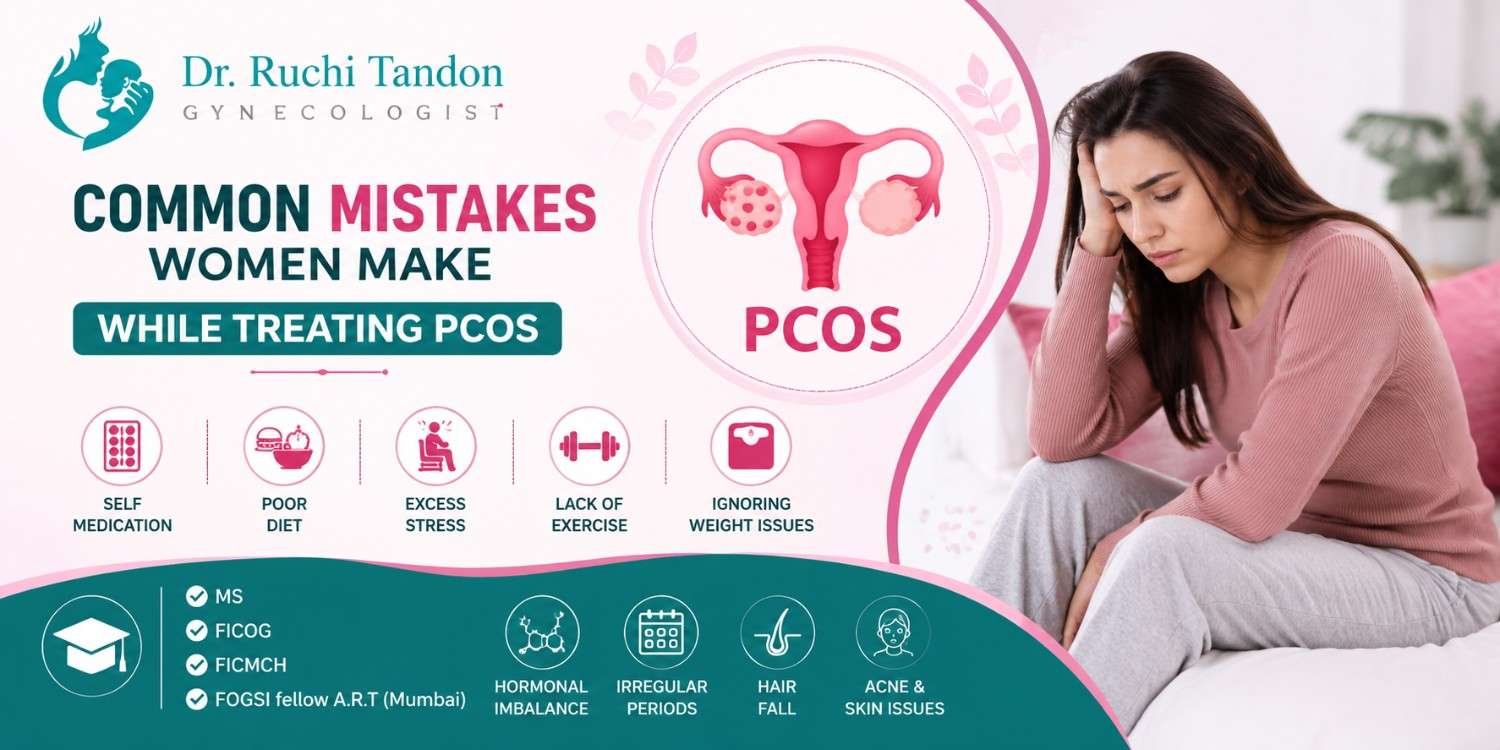
Common Mistakes Women Make While Treating PCOS

PCOS doctor in South Delhi

Polycystic Ovary Syndrome (PCOS) affects millions of women of reproductive age across the globe. While the condition is manageable, many women unknowingly make mistakes that delay recovery or worsen symptoms. PCOS is not just about irregular periods or weight gain; it can also affect fertility, metabolism, skin health, and emotional well-being. Understanding what to avoid is just as important as following the right treatment plan.

Ignoring Early Symptoms

Many women dismiss irregular menstrual cycles, acne, excessive facial hair, or sudden weight gain as temporary issues. Unfortunately, delaying medical attention allows hormonal imbalance to progress. Seeking timely advice from the best gynecologist in Greater Kailash can help identify PCOS early and prevent long-term complications such as infertility and diabetes.

Depending Only on Home Remedies

Healthy eating and natural remedies can support overall wellness, but they cannot replace medical treatment. Drinking herbal teas or trying internet-based solutions without proper evaluation often leads to disappointment. Every woman experiences PCOS differently, making personalized treatment essential for effective symptom management.

Skipping Follow-Up Appointments

PCOS is a long-term condition that requires regular monitoring. Some women stop visiting their doctor once their menstrual cycles improve or symptoms become less noticeable. However, hormone levels, blood sugar, and ovarian health should be monitored periodically to ensure the treatment remains effective.

Focusing Only on Weight Loss

Weight management plays an important role in controlling PCOS, but it is not the only solution. Women with a healthy body weight can also develop PCOS. A complete treatment plan should address hormonal balance, nutrition, physical activity, stress management, and reproductive health rather than concentrating solely on the number shown on the weighing scale.

Self-Medicating Without Medical Advice

Taking hormonal medications or supplements based on recommendations from friends or social media can be risky. Every treatment should be tailored according to age, symptoms, future pregnancy plans, and overall health. Consulting an experienced PCOS doctor in South Delhi ensures safe and evidence-based care.

Underestimating the Role of Lifestyle

Medication alone cannot control PCOS. A sedentary lifestyle, poor sleep, excessive stress, and unhealthy eating habits may continue to trigger hormonal imbalance. Regular exercise, balanced meals rich in protein and fiber, adequate hydration, and proper sleep are all important parts of successful PCOS management.

Ignoring Fertility Planning

Many women assume they can think about fertility only when they decide to conceive. However, untreated PCOS may affect ovulation and increase the risk of pregnancy-related complications. Women planning a family should discuss their reproductive goals with specialists, especially if they may require guidance from high risk pregnancy doctors in South Delhi for comprehensive pregnancy care.

Comparing Their Treatment With Others

PCOS does not follow a one-size-fits-all approach. A treatment that works well for one woman may not be suitable for another. Factors such as age, body weight, hormone levels, insulin resistance, and reproductive goals influence the treatment strategy. Consulting the best gyno doctor in South Delhi helps create a personalized plan that delivers better long-term results.

Conclusion

Managing PCOS requires patience, consistency, and professional guidance. Avoiding common mistakes like self-medication, ignoring symptoms, skipping follow-ups, and relying only on quick fixes can make a significant difference in overall health. With timely diagnosis, lifestyle improvements, and individualized treatment, women with PCOS can successfully manage their symptoms, improve fertility, and enjoy a healthier quality of life.

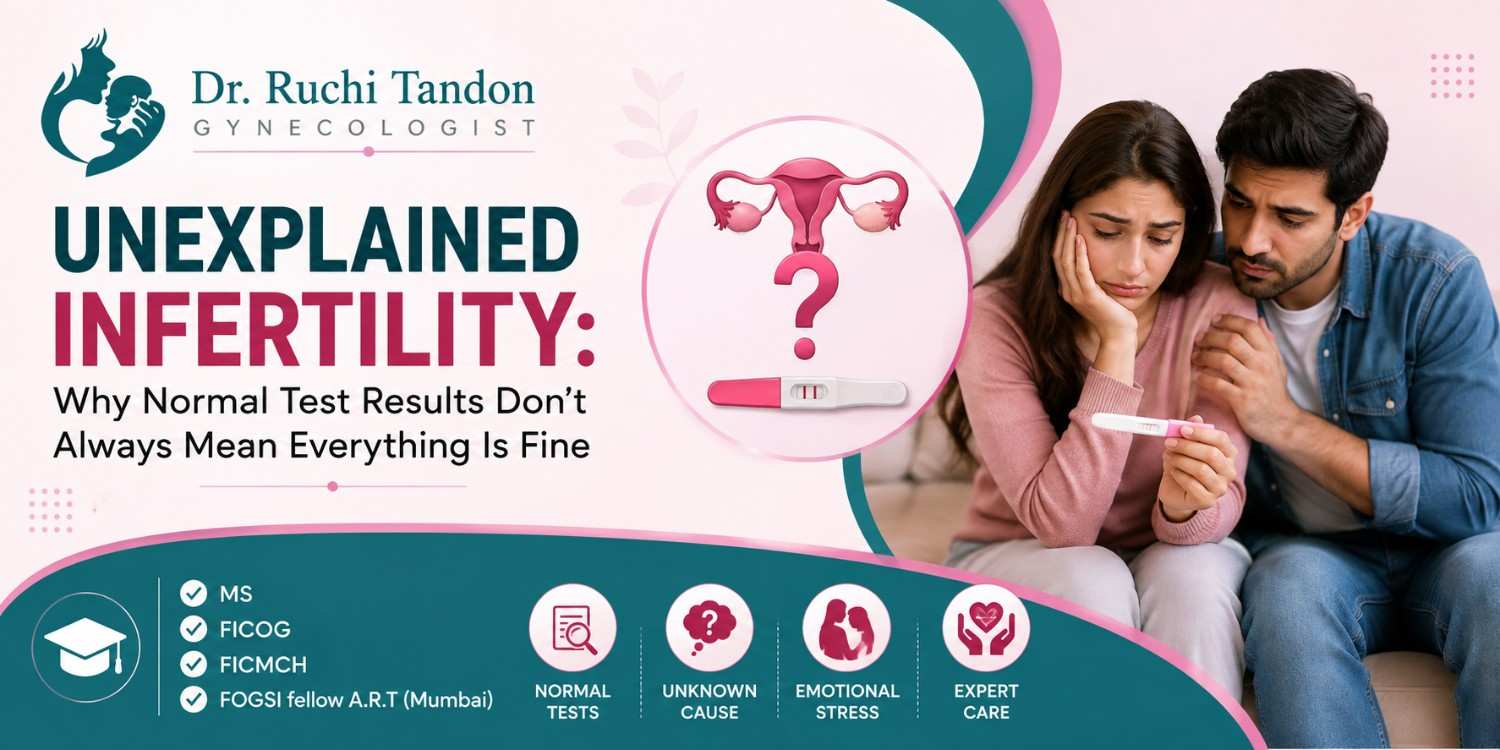
Unexplained Infertility: Why Normal Test Results Don’t Always Mean Everything Is Fine

unexplained infertility doctor in South Delhi

Hearing that all your fertility reports are normal should feel reassuring. Yet, for many couples, pregnancy still doesn’t happen. This situation is known as unexplained infertility, a diagnosis that can be frustrating because every standard investigation appears normal while conception remains difficult.

The good news is that a diagnosis of unexplained infertility does not mean pregnancy is impossible. It simply means that current routine tests have not identified a clear reason. With the right unexplained infertility treatment, many couples successfully achieve pregnancy through personalized care and timely medical guidance.

Why Does Unexplained Infertility Happen?

Fertility is influenced by several biological processes working together. Even when hormone levels, ovulation, semen analysis, and fallopian tube tests appear normal, subtle factors may still affect conception.

These may include:

  • Minor egg or sperm quality issues that standard tests cannot detect
  • Fertilization problems occurring at the microscopic level
  • Implantation difficulties within the uterus
  • Mild endometriosis that remains undiagnosed
  • Age-related decline in egg quality despite regular menstrual cycles
  • Lifestyle, stress, or environmental factors influencing reproductive health

Why Normal Reports Don’t Tell the Complete Story

Routine fertility tests evaluate the most common causes of infertility, but they cannot assess every aspect of reproduction. For example, an ultrasound may show normal ovaries, and hormone levels may appear healthy, yet egg quality cannot always be accurately measured. Similarly, a normal semen analysis does not guarantee optimal sperm function.

An experienced unexplained infertility doctor in South Delhi looks beyond standard reports, carefully reviewing medical history, lifestyle, previous pregnancies, menstrual patterns, and treatment history before recommending the next step.

How Is Unexplained Infertility Treated?

Every couple has unique fertility needs, which is why treatment should always be individualized. Depending on age, duration of infertility, and overall reproductive health, your doctor may recommend:

  • Lifestyle modifications to improve fertility naturally
  • Ovulation induction with carefully monitored cycles
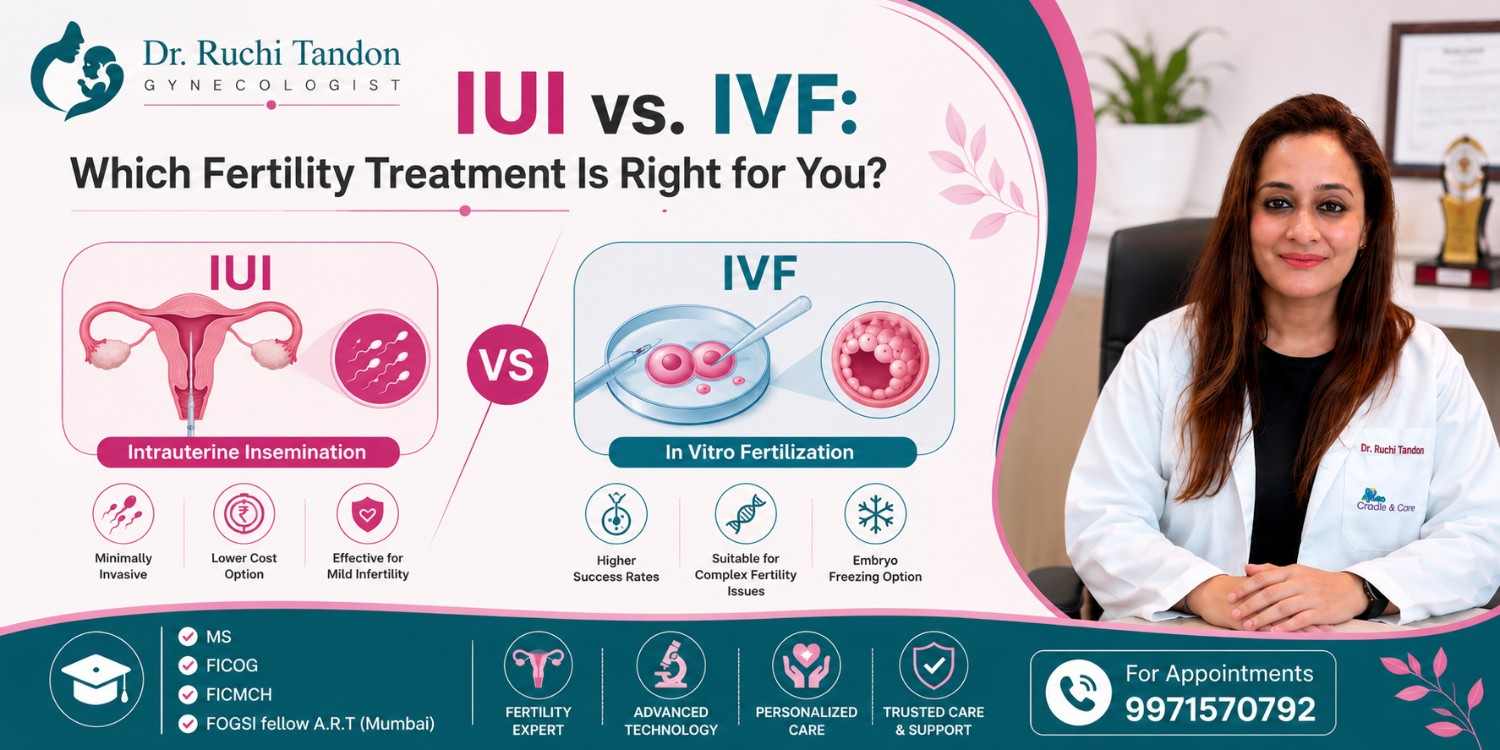
  • Intrauterine insemination (IUI)
  • In vitro fertilization (IVF) when appropriate
  • Advanced fertility investigations if clinically indicated

Choosing the right unexplained infertility treatment in South Delhi can significantly improve the chances of conception while avoiding unnecessary delays.

Since fertility concerns may involve both partners, a comprehensive evaluation may also include Male Infertility Treatment in South Delhi whenever subtle male factors are suspected, even if initial semen reports appear normal.

When Should You Consult a Fertility Specialist?

If you are under 35 years of age and have been trying to conceive for one year without success, or over 35 and trying for six months, it is advisable to seek expert guidance. Early consultation helps identify hidden concerns and allows treatment to begin before fertility naturally declines.

Many couples benefit from consulting the Best Infertility Doctor in South Delhi, who can interpret normal-looking reports within the larger clinical picture instead of relying solely on laboratory values.

If you are looking for the best unexplained infertility doctor in Greater Kailash, choose a specialist, like Dr. Ruchi Tandon, who offers individualized treatment plans, evidence-based recommendations, and compassionate support throughout your fertility journey.

The Right Diagnosis Leads to Better Outcomes

A diagnosis of unexplained infertility can feel uncertain, but it should never be viewed as the end of the road. Advances in reproductive medicine continue to improve our understanding of fertility, helping many couples conceive even when routine tests fail to reveal a specific cause.

With timely evaluation, personalized unexplained infertility treatment, and expert fertility care, many couples overcome unexplained infertility and move one step closer to achieving their dream of parenthood.

Frequently Asked Questions

1.     Can unexplained infertility be treated successfully?

Yes. Individualized treatment improves pregnancy chances, and many couples conceive naturally, through IUI, or with IVF based on evaluation.

2.     What is the best treatment for unexplained infertility?

Treatment depends on age, fertility history, test results, and duration of infertility. Your fertility specialist recommends the most suitable approach.

3.     Should both partners be evaluated for unexplained infertility?

Yes. Fertility involves both partners, making comprehensive evaluation essential before planning the most effective treatment strategy together.

4.     When should I consult a fertility specialist for unexplained infertility?

It is advised to consult an unexplained infertility specialist in Greater Kailash if you are unable to conceive after trying for 6 months (over age 35) or one year, or have known fertility concerns.