
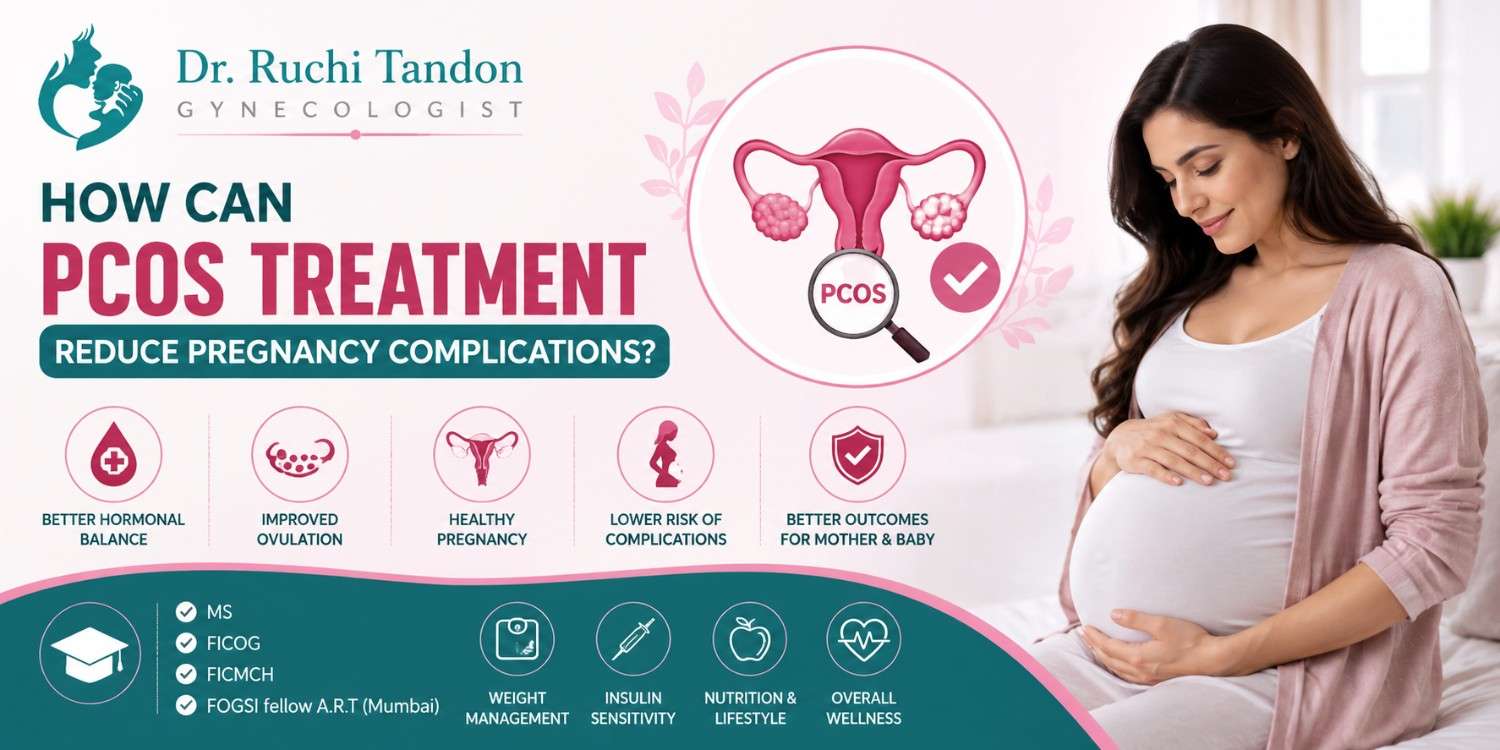
Polycystic Ovary Syndrome (PCOS) is one of the most common hormonal disorders that women of reproductive age experience globally. While many women associate it with irregular periods or difficulty conceiving, PCOS can also increase the risk of complications during pregnancy if left untreated. The good news is that timely medical care, lifestyle changes, and regular monitoring can significantly improve pregnancy outcomes for both the mother and the baby.
Seeking PCOS treatment in South Delhi at the right time can help women prepare for a healthier pregnancy and minimize potential risks.
Why Does PCOS Increase Pregnancy Risks?
PCOS affects hormone levels, insulin sensitivity, and ovulation. These changes can make it harder to achieve and maintain a healthy pregnancy. Women with untreated PCOS may have a higher chance of developing gestational diabetes, high blood pressure, preeclampsia, preterm birth, or delivering babies with a higher birth weight.
The condition can also increase the likelihood of miscarriage, especially during the early stages of pregnancy. However, these risks are not inevitable. Proper diagnosis and treatment can make a remarkable difference.
The Importance of Early Treatment
Managing PCOS before conception allows the body to achieve better hormonal balance. Doctors typically recommend a combination of healthy eating, regular physical activity, weight management, and medications when required. These measures improve insulin resistance, regulate menstrual cycles, and promote healthy ovulation.
Women planning pregnancy should consult an experienced infertility specialist in Greater Kailash who can evaluate their overall reproductive health and create a personalized treatment plan based on their medical history and future pregnancy goals.
How Does Treatment Support a Healthy Pregnancy?
When PCOS is managed effectively, several pregnancy-related risks can be reduced.
- Improved ovulation increases the chances of natural conception.
- Better blood sugar control lowers the risk of gestational diabetes.
- Balanced hormone levels support healthy fetal development.
- Healthy weight management decreases complications during pregnancy and delivery.
- Regular monitoring helps identify and address concerns before they become serious.
These improvements contribute to a safer pregnancy journey and better maternal as well as neonatal outcomes.
The Role of Regular Medical Follow-Up
Every woman experiences PCOS differently. Some may require medications to induce ovulation, while others benefit primarily from lifestyle modifications. Consistent follow-up appointments allow doctors to monitor hormone levels, blood sugar, blood pressure, and fetal growth throughout pregnancy.
Consulting a qualified PCOD specialist doctor in South Delhi ensures that treatment is adjusted according to individual needs at every stage, helping prevent avoidable complications.
Choosing the Right Care
Managing PCOS is not just about treating symptoms; it is about protecting long-term reproductive health. A comprehensive treatment approach addresses hormonal imbalance, metabolic health, fertility concerns, and pregnancy planning together.
If you are trying to conceive or have already been diagnosed with PCOS, choosing the best PCOS doctor in South Delhi can provide the expert guidance needed for a healthier pregnancy. Early intervention, consistent medical supervision, and commitment to healthy lifestyle habits can greatly improve the chances of delivering a healthy baby while reducing pregnancy-related complications.
Conclusion
PCOS does not have to stand in the way of a successful pregnancy. With timely diagnosis, appropriate treatment, and ongoing medical care, most women with PCOS can enjoy healthy pregnancies and positive birth outcomes. The earlier the condition is managed, the greater the opportunity to reduce complications and build a strong foundation for both maternal and baby health.