
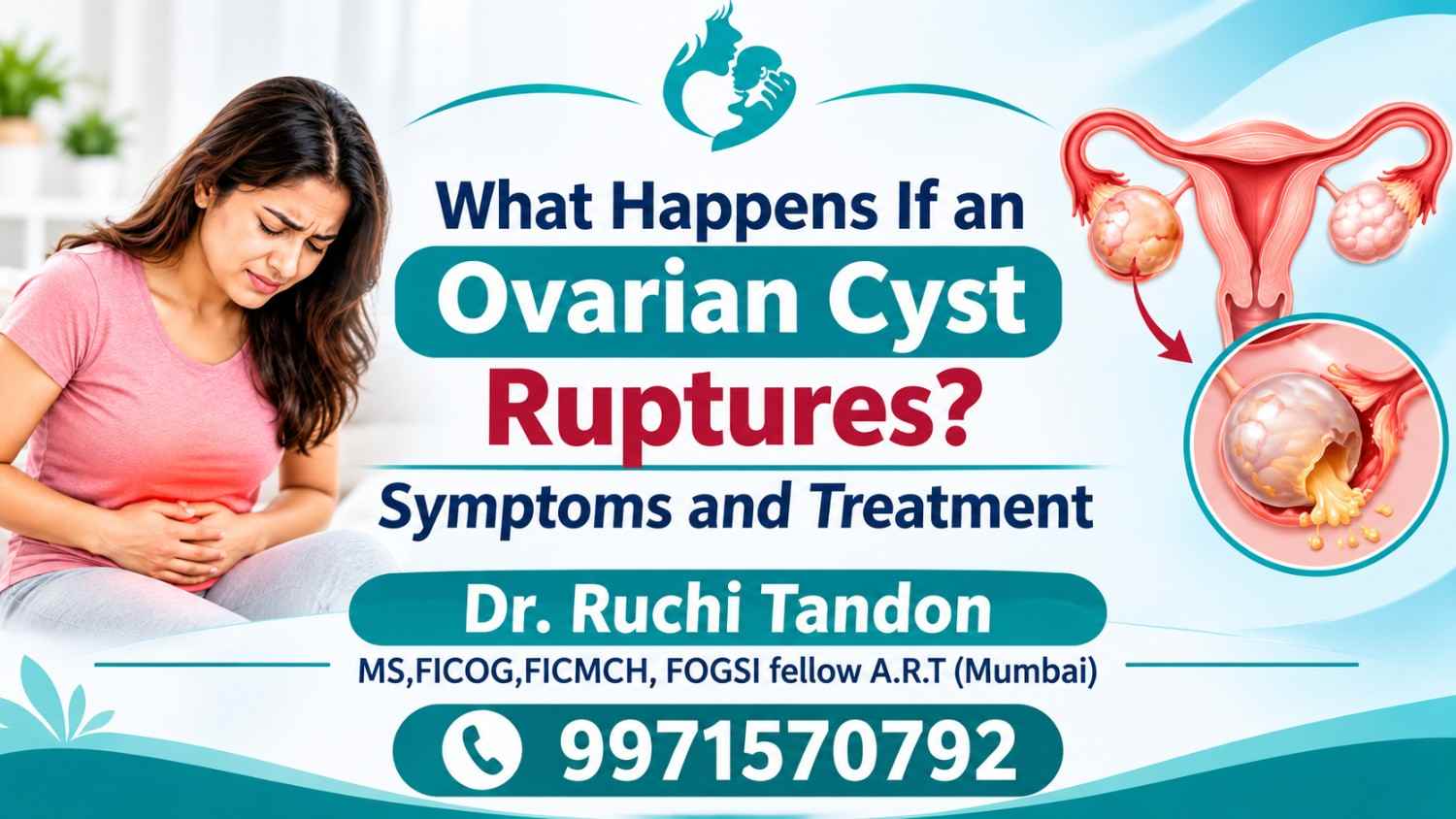
Ovarian cysts are fluid-filled sacs that develop in or on the ovaries. While most are harmless and disappear naturally, some may rupture and cause sudden pelvic pain or other complications. Knowing the warning signs can help women seek timely medical attention. If you experience unusual abdominal pain, consulting the best ovarian cyst doctor in South Delhi can help identify the cause and determine the appropriate treatment.
What Happens When an Ovarian Cyst Ruptures?
An ovarian cyst ruptures when its outer wall breaks, releasing fluid or blood into the surrounding pelvic area. Some ruptures cause mild discomfort that improves on its own, while others can lead to internal bleeding and require emergency treatment.
A rupture may occur spontaneously or sometimes after strenuous exercise or sexual intercourse. The severity depends on the cyst’s size, type, and whether bleeding or other complications develop.
Common Symptoms of a Ruptured Ovarian Cyst
Symptoms can vary from one woman to another. Some may experience mild discomfort, while others develop sudden, intense pain.
Common warning signs include:
- Sudden pelvic pain: Sharp pain in the lower abdomen, often on one side.
- Abdominal bloating: A feeling of fullness or swelling in the abdomen.
- Nausea and vomiting: These may accompany severe pain.
- Vaginal spotting: Light bleeding may occur in some cases.
- Dizziness or weakness: These symptoms may indicate significant internal bleeding.
- Fever: This may suggest an infection or another complication.
Important: Sudden, severe abdominal pain, fainting, marked dizziness, heavy bleeding, fever, or persistent vomiting require immediate medical evaluation. Do not wait for the symptoms to subside.
Symptoms and Treatment at a Glance
| Symptom or Condition | Possible Treatment or Action |
| Mild pain with stable symptoms | Observation and prescribed pain relief |
| Persistent pelvic pain | Medical examination and ultrasound |
| Nausea or vomiting with pain | Urgent medical assessment |
| Significant internal bleeding | Hospital treatment and possible surgery |
| Suspected infection | Medical evaluation and appropriate medication |
How Is a Ruptured Ovarian Cyst Treated?
Treatment depends on the severity of the rupture and the woman’s overall health.
Observation and Pain Management
If the rupture is uncomplicated and there is no significant bleeding, the doctor may recommend observation, rest, and suitable pain medication. Follow-up may be necessary to ensure recovery.
Diagnostic Tests
A pelvic examination, ultrasound, and blood tests may help assess the cyst, detect internal bleeding, and rule out other conditions, including ectopic pregnancy.
Hospital Treatment or Surgery
Severe bleeding, persistent pain, or other complications may require hospital admission. In selected cases, laparoscopic surgery is performed to control bleeding or remove the cyst while preserving healthy ovarian tissue whenever possible.
When Should You Consult a Gynaecologist?
Do not ignore recurring pelvic pain, unusual menstrual changes, or persistent abdominal discomfort. Seeking advice from the best gynaecologist in Green Park Delhi can help you understand your symptoms and explore suitable treatment options.
Regular check-ups and recommended ultrasound scans can also help monitor ovarian cysts and identify changes that need attention.
Conclusion
A ruptured ovarian cyst does not always lead to serious complications, but severe symptoms should never be ignored. Early diagnosis and appropriate treatment can help prevent complications and support recovery. If you are experiencing persistent pelvic discomfort or have concerns about ovarian cysts, consult the best gynaecologist doctor in South Delhi for an individual assessment and guidance tailored to your needs.