
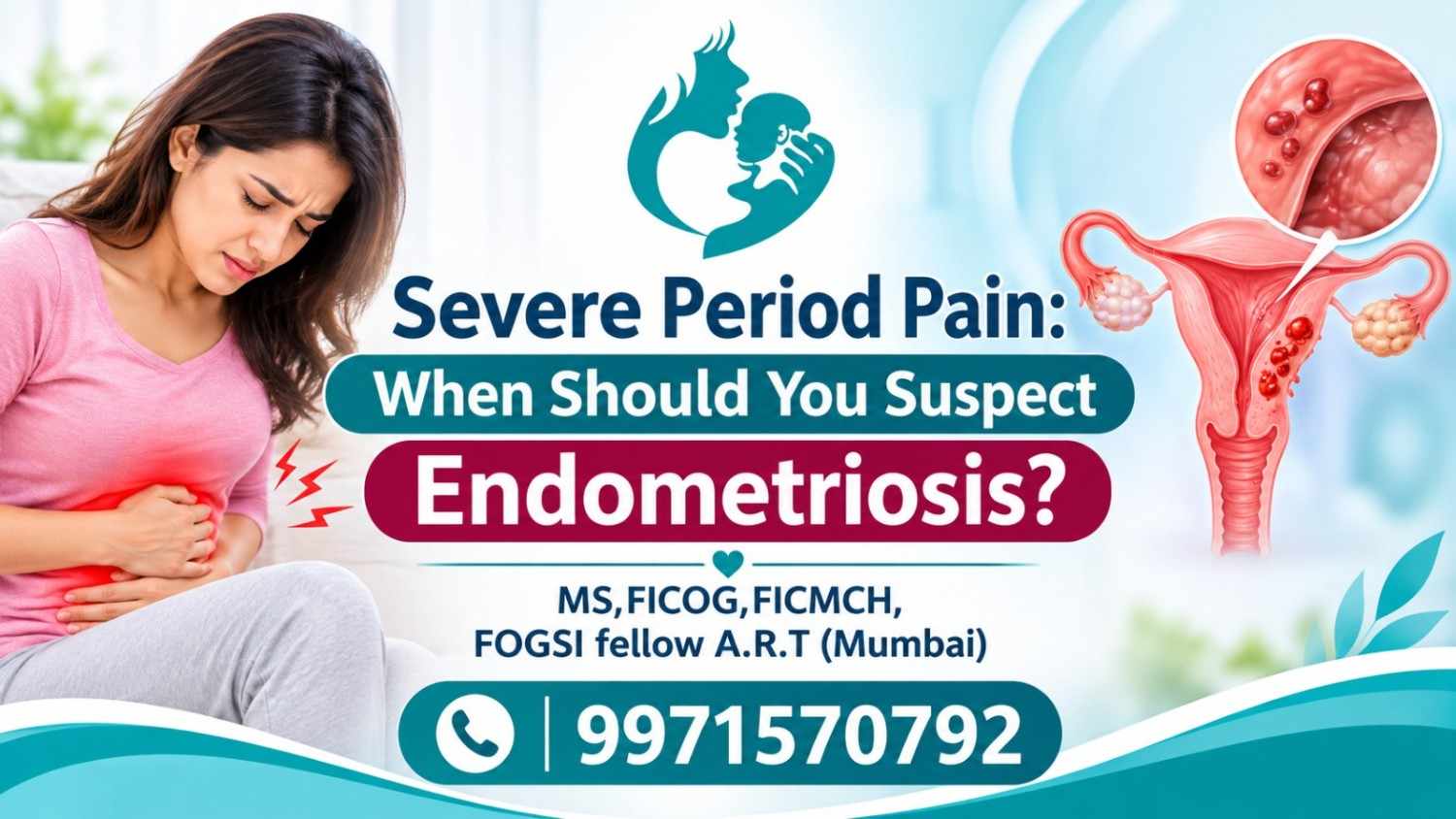
Severe Period Pain: When Should You Suspect Endometriosis?

best endometriosis doctor in South Delhi

Period cramps are common, but pain that disrupts everyday life should never be ignored. If you experience intense menstrual cramps, persistent pelvic discomfort, or pain that worsens every month, consulting the best endometriosis doctor in South Delhi can help you understand the possible cause. One condition worth investigating is endometriosis, a chronic gynaecological condition that can affect daily activities, emotional well-being, and fertility.

What Is Endometriosis?

Endometriosis occurs when tissue similar to the lining of the uterus grows outside it, commonly around the ovaries, fallopian tubes, and pelvic lining. This tissue can trigger inflammation, pain, and scar tissue formation.

Although painful periods do not always indicate endometriosis, severe or recurring symptoms deserve medical attention, especially when routine pain relief does not provide sufficient comfort.

Warning Signs You Should Not Ignore

Endometriosis symptoms vary from person to person. Some women experience severe menstrual cramps, while others notice discomfort throughout the month.

Common warning signs include:

  • Severe period cramps: Pain that interferes with work, studies, sleep, or daily activities.
  • Persistent pelvic pain: Discomfort that continues even after menstruation ends.
  • Pain during intercourse: Deep pain during or after sexual activity.
  • Heavy or irregular bleeding: Periods that are unusually heavy or bleeding between periods.
  • Bowel or bladder discomfort: Pain while passing urine or stools, particularly around menstruation.
  • Difficulty conceiving: Some women with endometriosis experience fertility challenges.

If these symptoms recur or gradually worsen, schedule a gynaecological consultation rather than assuming the discomfort is simply part of having periods.

Period Pain: What Is Normal and What Needs Attention?


Symptom Typical Period Cramps Possible Endometriosis
Pain intensity Mild to moderate May be severe and debilitating
Duration Usually a few days Can occur before, during, or beyond periods
Daily activities Usually manageable May interfere with normal routines
Pain during sex Not typical May occur
Bowel or bladder pain Less common May worsen around menstruation


These differences are general indicators, not a diagnostic test. Only a qualified healthcare professional can assess your symptoms and recommend appropriate investigations.

How Is Endometriosis Diagnosed and Treated?

Diagnosis generally begins with a discussion of your menstrual history, symptoms, and medical background. Depending on the findings, your doctor may recommend a pelvic examination, ultrasound, or MRI. In some cases, laparoscopy may be needed to confirm the diagnosis or treat endometriosis.

Treatment depends on symptom severity, personal preferences, and pregnancy plans. Options may include pain-relieving medicines, hormonal treatment, and surgery when appropriate. Early evaluation can help you explore suitable options and develop a long-term management plan.

If you are planning a family or have concerns about reproductive health, a pregnancy doctor in South Delhi can also help you discuss preconception care and whether specialist fertility support may be beneficial.

When Should You See a Gynaecologist?

Seek medical advice if period pain repeatedly affects your routine, becomes progressively worse, or does not improve with usual treatment. Sudden, severe pelvic pain, fainting, or unusually heavy bleeding requires urgent medical assessment.

Consulting an experienced gynecologist in South Delhi can help you identify the cause of persistent menstrual pain and understand the next steps. Remember, painful periods should not be something you simply learn to tolerate. Recognising the warning signs and seeking timely care can make a meaningful difference to your quality of life.
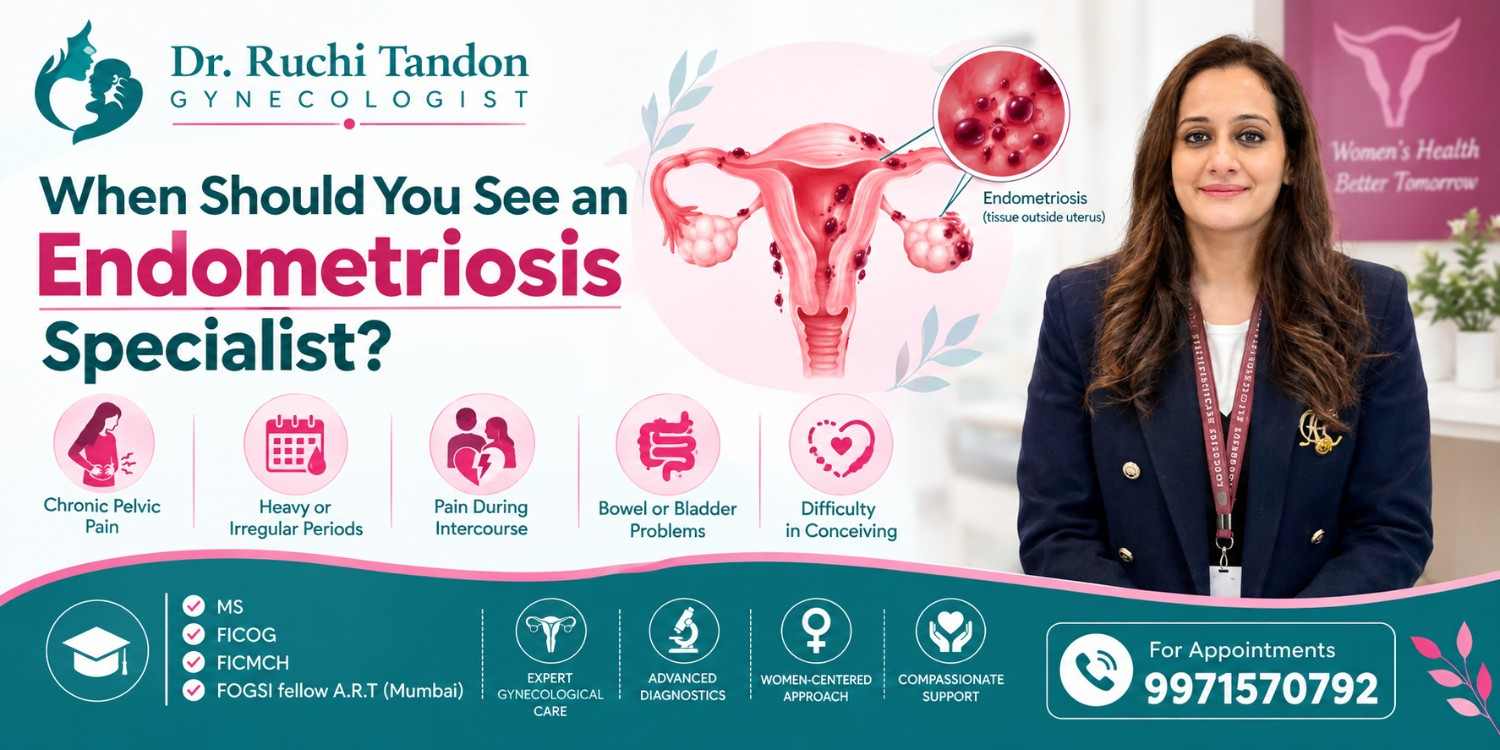
When Should You See an Endometriosis Specialist?

endometriosis specialist in South Delhi

Endometriosis is a complex gynecological condition in which tissue similar to the lining of the uterus grows outside the uterus. It can affect the ovaries, fallopian tubes, pelvic lining, and, in some cases, nearby organs. While some women experience mild symptoms, others may live with chronic pain, heavy periods, digestive concerns, or difficulty conceiving. Knowing when to consult an endometriosis specialist in South Delhi can help you receive a more focused evaluation and appropriate treatment plan.

Signs Indicating the Need to Consult an Endometriosis Specialist

Persistent or Severe Pelvic Pain

Pelvic pain that repeatedly interferes with your daily activities should not be ignored. Pain may become worse before or during periods, but some women experience discomfort throughout the month. Severe menstrual cramps that do not improve adequately with routine treatment may also require further evaluation by an experienced specialist.

Pain During Intercourse or Bowel Movements

Pain during or after sexual intercourse can be associated with endometriosis, particularly when it is persistent. Some women may also experience pain during bowel movements or urination, especially around their menstrual periods. These symptoms can have several possible causes, making a thorough gynecological assessment important.

Heavy or Irregular Periods

Although heavy or irregular bleeding does not always indicate endometriosis, it should be properly investigated, particularly when accompanied by pelvic pain or fatigue. A best gynecologist in South Delhi can assess your symptoms, medical history, and other possible causes before recommending the next steps.

Difficulty Getting Pregnant

Endometriosis may affect fertility in some women. If you have been trying to conceive without success, especially when you also experience painful periods or chronic pelvic discomfort, consulting an endometriosis specialist in South Delhi may be beneficial. An individualised evaluation can help identify factors that may be affecting your reproductive health.

Symptoms That Overlap With Other Conditions

Conditions such as polycystic ovary syndrome (PCOS), ovarian cysts, fibroids, and digestive disorders can sometimes cause symptoms that overlap with endometriosis. If you have concerns related to irregular periods, hormonal changes, or fertility, consulting a qualified PCOS doctor in South Delhi or a gynecologist can help establish the correct diagnosis.

When Symptoms Are Affecting Your Quality of Life

You do not have to wait until your symptoms become unbearable to seek medical advice. If pain, fatigue, heavy periods, or fertility concerns are affecting your work, relationships, sleep, or emotional well-being, it is reasonable to seek specialist care.

The best endometriosis doctor in South Delhi can review your symptoms carefully and discuss appropriate diagnostic and treatment options based on your individual needs. Early consultation does not necessarily mean surgery; treatment may involve symptom management, medication, lifestyle guidance, fertility planning, or other approaches depending on the diagnosis.

If you have ongoing or unexplained gynecological symptoms, seeking timely advice from a qualified specialist can help you better understand your condition and make informed decisions about your health.

Annual Gynecological Checkup: What Every Woman Should Expect

Best Gynecologist doctor in South Delhi

Regular health checkups are one of the simplest ways to protect your long-term well-being. While many women visit a gynecologist only when they experience discomfort, an annual gynecological checkup plays a much bigger role. It helps detect potential health concerns early, supports preventive care, and provides an opportunity to discuss any changes in your reproductive or overall health.

Whether you’re in your twenties or approaching menopause, scheduling a yearly visit with the Best Gynecologist doctor in South Delhi can help you stay informed and confident about your health.

Why Is an Annual Gynecological Checkup Important?

A yearly gynecological examination focuses on maintaining your reproductive health while identifying conditions that may not show noticeable symptoms in their early stages. Early diagnosis often leads to simpler treatments and better outcomes.

Your doctor may evaluate menstrual health, hormonal changes, fertility concerns, contraception, sexual wellness, and symptoms related to menopause, depending on your age and medical history.

What Happens During the Appointment?

Every consultation is personalized, but most annual checkups include the following:

A Detailed Health Discussion

The visit usually begins with a conversation about your medical history, menstrual cycle, lifestyle, medications, pregnancies, and any symptoms you may have experienced since your last visit. Be honest about any concerns, as this information helps your doctor provide the right guidance.

Physical and Pelvic Examination

A general physical examination may include checking your blood pressure, weight, and overall health. Depending on your age and symptoms, your gynecologist may recommend a pelvic examination to assess the health of your reproductive organs.

If necessary, a Pap smear or HPV screening may also be suggested to detect early cervical changes.

Questions You Shouldn’t Hesitate to Ask

An annual visit is an excellent opportunity to discuss topics that often go unanswered, including:

  • Irregular or painful periods
  • Birth control options
  • Family planning
  • Vaginal infections
  • Sexual health
  • Menopause symptoms
  • Breast health

No concern is too small when it comes to your health.

Screening for Common Gynecological Conditions

Many gynecological conditions develop gradually without obvious symptoms. Routine examinations help identify problems such as ovarian cysts, fibroids, hormonal imbalances, cervical abnormalities, and endometriosis.

Women experiencing persistent pelvic pain or painful menstrual cycles should consult the best endometriosis doctor in South Delhi, as timely diagnosis can significantly improve quality of life and preserve fertility.

Preparing for Your Appointment

Preparing early can make your visit more productive. Keep a record of your menstrual cycle, list any medications you’re taking, and write down questions you’d like to discuss. If possible, avoid scheduling your appointment during heavy menstrual bleeding unless your symptoms require immediate attention.

Choosing the best gynaecologist in South Delhi ensures that you receive compassionate care, evidence-based advice, and appropriate screening recommendations based on your individual health needs.

Take Charge of Your Health

Annual gynecological checkups are not just about treating illness; they are about preventing it. They empower women to understand their bodies, address concerns early, and make informed healthcare decisions.

Whether you are planning a family, managing menstrual concerns, or simply prioritizing preventive healthcare, regular visits to the best gyno doctor in South Delhi can help you maintain lifelong reproductive and overall wellness. A single appointment each year can make a meaningful difference in protecting your health for years to come.