When Is Abortion Considered Safe? A Complete Guide

best abortion clinic in Delhi

Deciding to end a pregnancy is deeply personal, and for many women, safety is the top concern. Whether you’re exploring options or seeking clarity, understanding when abortion is considered safe can help you make an informed choice. If you’re consulting a best abortion clinic in Delhi, one of the first things doctors will explain is that safety largely depends on timing, method, and proper medical supervision.

Understanding Safe Timing for Abortion

Abortion is generally safest when performed early in pregnancy. Most procedures carried out within the first trimester (up to 12 weeks) have a very low risk of complications. In fact, early-stage abortions are among the safest medical procedures when done under the guidance of a qualified professional.

There are two primary methods:

  • Medical abortion (using prescribed pills): Usually recommended up to 9 weeks of pregnancy.
  • Surgical abortion: Performed in a clinical setting and can be done safely in both early and slightly later stages, depending on medical advice.

As pregnancy progresses, the procedure may become more complex, which is why early consultation is always encouraged.

Factors That Determine Safety

Abortion safety isn’t just about timing; it also depends on several key factors:

  • Qualified healthcare provider: A trained gynecologist ensures the procedure is done correctly and safely.
  • Proper medical environment: Clean, well-equipped clinics reduce the risk of infection.
  • Accurate diagnosis: Confirming gestational age and overall health is essential before proceeding.
  • Follow-up care: Post-procedure monitoring helps ensure complete recovery.

Visiting a trusted facility, such as the best abortion clinic in South Delhi, ensures these standards are met, giving you both medical safety and emotional reassurance.

Medical vs. Surgical Abortion: What’s Safer?

Both methods are considered safe when performed under proper guidance. Medical abortion is less invasive and can be done at home under supervision, but it requires strict adherence to instructions. Surgical abortion, on the other hand, is quicker and completed in a clinical setting, often with immediate confirmation that the procedure is successful.

Your doctor will recommend the best option based on your pregnancy stage, health condition, and personal preference.

Common Concerns About Safety

It’s natural to worry about risks, but complications are rare when abortion is performed legally and medically. Some mild side effects like cramping, bleeding, or nausea are normal and temporary. Serious complications are uncommon and usually linked to unsafe or unregulated procedures.

That’s why avoiding unverified sources or self-medication without guidance is crucial. Professional consultation ensures both physical and mental well-being.

Special Health Considerations

Women with certain conditions, such as hormonal imbalances or reproductive disorders, may require extra care. For instance, those dealing with PCOD should consult a PCOD specialist doctor in South Delhi before proceeding. A specialist can assess hormonal health and guide the safest approach tailored to your body.

Emotional and Mental Well-being

Safety isn’t just physical; it’s emotional too. Making this decision can bring a mix of feelings, from relief to anxiety. Speaking openly with a doctor or counselor can help you process these emotions and feel more supported throughout the journey.

When to Seek Immediate Medical Help?

After an abortion, it’s important to watch for warning signs such as:

  • Excessive bleeding (soaking multiple pads in an hour)
  • Severe abdominal pain
  • High fever
  • Unusual discharge

Seek medical attention immediately if you encounter any of these problems. Prompt care can prevent complications and ensure a smooth recovery.

Final Thoughts

Abortion is considered safe when it is done early, under medical supervision, and in a hygienic setting. The key is not to delay seeking professional advice. Every woman’s situation is different, and personalized care makes all the difference.

If you’re unsure, don’t rely on guesswork; consult a qualified doctor who can guide you with clarity, compassion, and confidentiality. Making an informed decision is the first step toward protecting your health and well-being.

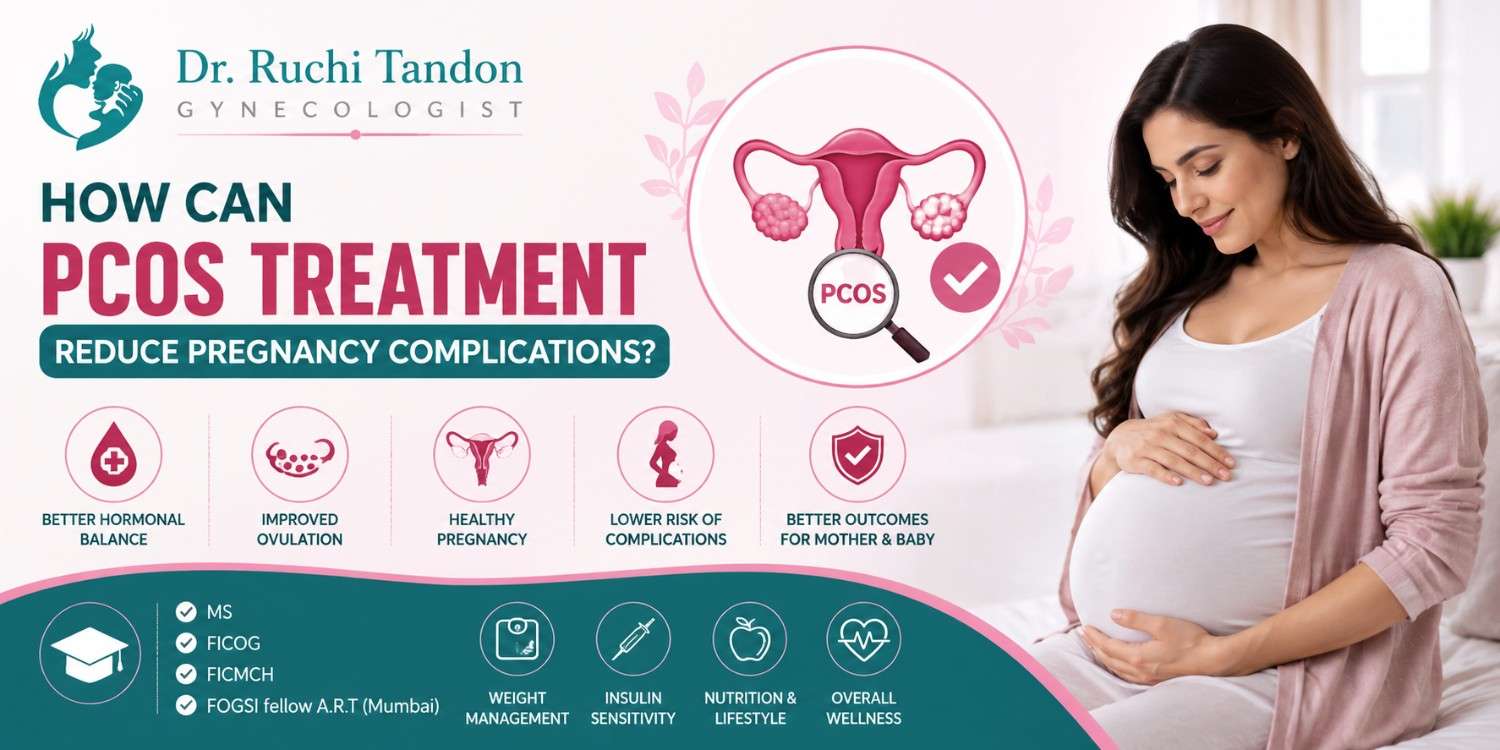
How to Work with Your Doctor for Personalized PCOS Care?

PCOS doctor in South Delhi

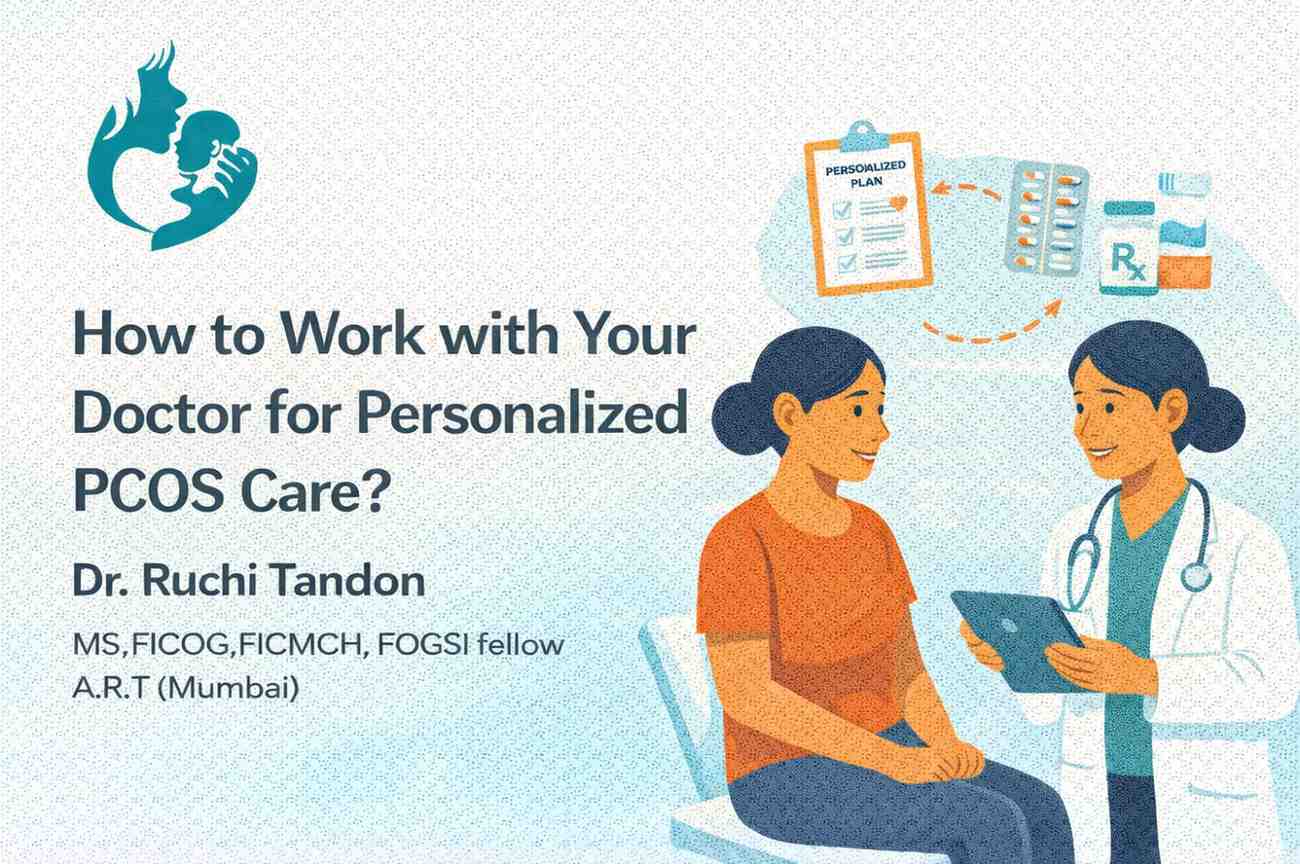
Polycystic Ovary Syndrome (PCOS) is a complex hormonal condition that affects millions of women worldwide. Finding the right PCOS doctor in South Delhi is the first step toward understanding your unique symptoms and developing a care plan tailored specifically for you. Personalized care is essential because PCOS manifests differently in each individual, ranging from irregular periods and weight fluctuations to skin issues and fertility challenges. By actively collaborating with your doctor, you can navigate this condition more effectively and improve your overall well-being.

Understanding Your Symptoms

Before visiting your doctor, it’s important to track your symptoms carefully. Maintain a journal of your menstrual cycle, changes in weight, skin health, hair growth, and mood fluctuations. This detailed record provides your doctor with a clear picture of how PCOS is affecting you. Sharing this information helps a PCOD specialist doctor in South Delhi make informed decisions about the tests and treatments best suited to your needs. Personalized care begins with understanding your body and its specific challenges.

Preparing for Your Appointment

When you schedule a consultation, prepare a list of questions and concerns. Some important topics might include:

  • What tests are necessary to confirm a PCOS diagnosis?
  • What lifestyle changes could support my treatment?
  • Are there any fertility considerations I should be aware of?
  • How will my treatment plan be monitored over time?

Being proactive and organized during your visit ensures that no aspect of your health is overlooked. Your doctor can then craft a treatment strategy that addresses your individual symptoms rather than a generic approach.

Exploring Personalized Treatment Options

PCOS management often requires a combination of lifestyle changes, medications, and sometimes fertility interventions. Your doctor may recommend dietary adjustments, regular exercise, or stress management techniques alongside medical treatment. When discussing options, make sure to highlight any preferences or concerns you have, whether related to side effects of medications or the feasibility of certain lifestyle recommendations. This open dialogue enables your doctor to create a plan that fits seamlessly into your daily life.

Monitoring Progress and Adjusting Care

Regular follow-ups are crucial to track the effectiveness of your treatment plan. Your doctor may adjust medications, suggest new therapies, or recommend further testing depending on your progress. By maintaining consistent communication, you ensure that your PCOS management remains dynamic and responsive to your needs. Remember, managing PCOS is a journey, not a one-time fix, and your partnership with your doctor is the cornerstone of success.

Choosing the Right PCOS Treatment in South Delhi

Ultimately, working closely with a healthcare professional allows you to receive truly PCOS treatment in South Delhi that is tailored to your unique situation. From personalized lifestyle strategies to specialized medical interventions, a collaborative approach empowers you to take control of your health. By finding the right doctor, preparing for consultations, and actively participating in your care, you set the stage for better symptom management, improved quality of life, and long-term wellness.

How PCOS Affects Fertility and Pregnancy?

Infertility Specialist in Greater Kailash

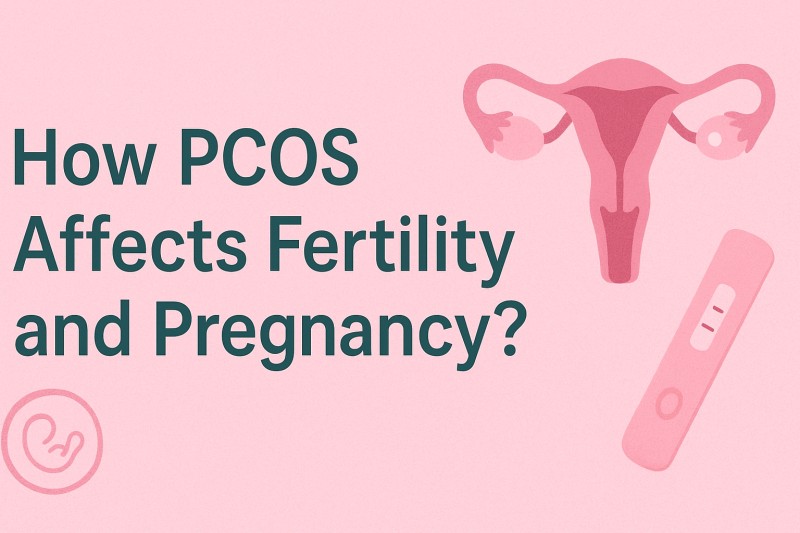
Polycystic Ovary Syndrome (PCOS) is way more than just a struggle with weight or acne; it’s a hormonal condition that directly messes with a woman’s ability to conceive and carry a pregnancy. For those navigating the difficult journey toward motherhood, understanding this connection is the first crucial step. If you’re currently facing unexplained difficulty getting pregnant, consulting an Infertility Specialist in Greater Kailash who focuses on endocrine-related fertility issues can offer the precise diagnostic and treatment guidance you need.

The Fertility Hurdle: Anovulation

The primary reason PCOS causes infertility is simple: it stops ovulation from happening reliably. A normal menstrual cycle involves a mature egg being released from the ovary each month. In women with PCOS, high levels of androgens (often called “male hormones”) and insulin resistance disrupt the delicate hormone balance required for the egg follicle to fully mature and release the egg.

Instead of ovulating, the ovaries develop many small, fluid-filled sacs—the “cysts” that give the syndrome its name. Without a regular, predictable release of an egg, conception becomes difficult, if not impossible. This condition, called anovulation, means that even when a woman does get pregnant, the hormonal imbalances that enabled the pregnancy might still pose a risk.

Pregnancy Risks to Be Aware Of

Getting pregnant is only half the battle; maintaining a healthy pregnancy is the next challenge. For women with PCOS, the underlying metabolic issues and hormonal fluctuations increase the risk of certain complications.

The most common concerns include:

·        Miscarriage

Studies show that women with PCOS face a higher risk of miscarriage, particularly in the first trimester. This is thought to be tied to insulin resistance and elevated androgen levels negatively impacting the uterine lining.

·        Gestational Diabetes Mellitus (GDM)

Since insulin resistance is a core feature of PCOS, it’s not surprising that these women are much more likely to develop GDM, which requires careful management during pregnancy.

·        Preeclampsia

This serious complication involves a sudden rise in blood pressure and can affect the mother’s organs.

·        Preterm Birth

Women with PCOS have an increased chance of delivering their baby before 37 weeks.

Working closely with a specialized professional, such as a dedicated PCOS doctor in South Delhi, is essential for monitoring these risks. They will implement management strategies, like dietary control, medication, and frequent check-ups, to improve both maternal and fetal outcomes.

Moving Towards a Healthy Conception

The good news is that PCOS is highly treatable, and the vast majority of women with this condition can go on to conceive and have healthy babies. Treatment typically begins with lifestyle adjustments, especially targeted weight loss (even a modest 5-10% loss can restore ovulation) and a diet focused on managing insulin levels.

If lifestyle changes don’t work, medical interventions become the next step. These may include ovulation-inducing drugs or, in some cases, assisted reproductive technologies like IVF. Every case is unique, requiring a personalized approach. By seeking expert care from a PCOD specialist doctor in South Delhi, you can receive a comprehensive treatment plan that addresses your specific hormonal profile, maximizing your chances of a smooth conception and a successful pregnancy. This journey demands patience, but with the right medical support, becoming a mother is a very achievable goal.

How Hormonal Imbalances Affect Fertility?

PCOD specialist doctor in South Delhi

Fertility is a delicate process that depends on a fine balance of hormones. When these hormones fluctuate or fall out of balance, they can directly impact reproductive health and make it difficult for couples to conceive. Conditions like polycystic ovary syndrome (PCOS), thyroid disorders, and high prolactin levels are common examples where hormonal changes interfere with ovulation, menstrual cycles, and overall fertility. Many women seek timely medical advice from experts like a PCOD specialist doctor in South Delhi to identify and manage these challenges before they escalate.

The Role of Hormones in Reproduction

Hormones act as messengers in the body, ensuring that reproductive organs function properly. Estrogen and progesterone regulate the menstrual cycle, while luteinizing hormone (LH) and follicle-stimulating hormone (FSH) control ovulation. Even small irregularities in these hormones can disrupt egg development, ovulation, and implantation, which are critical steps in achieving pregnancy.

For example, low progesterone levels can prevent the uterine lining from supporting a fertilized egg, while high androgen (male hormone) levels in women can interfere with ovulation altogether. These imbalances not only reduce the chances of natural conception but can also increase the risk of miscarriages.

PCOS and Fertility

Among all hormonal disorders, PCOS is one of the most common conditions affecting women of reproductive age. It is marked by irregular periods, excessive hair growth, acne, and cysts in the ovaries. PCOS alters the hormonal environment by increasing insulin resistance and androgen levels, both of which disturb ovulation cycles. Without regular ovulation, conceiving naturally becomes very difficult.

Lifestyle changes like weight management, healthy eating, and stress reduction can significantly improve hormone balance in PCOS patients. However, medical treatment is often necessary to restore ovulation and regulate cycles. Consulting a trusted PCOS doctor in South Delhi ensures that women receive personalized treatment, which may include medication, lifestyle guidance, or advanced reproductive techniques depending on the severity of the condition.

Other Hormonal Factors That Influence Fertility

Apart from PCOS, several other hormonal imbalances can play a role in infertility:

Thyroid Disorders – Both hyperthyroidism (overactive thyroid) and hypothyroidism (underactive thyroid) can disrupt menstrual cycles, cause irregular ovulation, and lead to pregnancy complications.

Hyperprolactinemia – High levels of the hormone prolactin can prevent ovulation and result in irregular or absent periods.

Adrenal Gland Disorders – Problems in adrenal hormone production can increase androgens, contributing to infertility.

These conditions highlight the importance of regular screening and timely intervention. Hormonal blood tests, ultrasound scans, and other diagnostic tools help doctors pinpoint the root cause and create a tailored treatment plan.

Restoring Fertility Through Treatment

The good news is that most hormonal imbalances are treatable. Depending on the diagnosis, treatment may include:

  • Medications to stimulate ovulation.
  • Hormone therapy to regulate menstrual cycles.
  • Lifestyle modifications like diet, exercise, and stress management.
  • Advanced fertility treatments such as IVF in complex cases.

Couples experiencing difficulty in conceiving should not delay seeking professional help. Fertility issues related to hormones often improve with the right medical guidance and consistent follow-up.

Final Thoughts

Hormonal imbalances are one of the leading yet often overlooked causes of infertility. By understanding the signs early and consulting an experienced specialist, women can take control of their reproductive health and improve their chances of conception. If you are struggling with irregular periods, PCOS, or fertility-related issues, it is wise to consult a good gynecologist in South Delhi who can guide you with the right diagnosis and treatment.

PCOS and Miscarriage Risk Myths vs. Facts.

pcos doctor in south delhi

Polycystic Ovary Syndrome (PCOS) is one of women’s common hormonal conditions that affects women of reproductive age around the world. It often raises concerns related to fertility, pregnancy complications, and miscarriage. Many women feel anxious about whether having PCOS increases their risk of losing a pregnancy, but misinformation often creates unnecessary fear. Consulting an experienced PCOS doctor in south Delhi can help women separate myths from facts and manage PCOS effectively, especially when planning for a healthy pregnancy.

Understanding PCOS and Pregnancy

PCOS is caused by hormonal imbalances, primarily involving higher levels of androgens (male hormones) and insulin resistance. These changes can lead to irregular menstrual cycles, difficulties with ovulation, and in some cases, challenges with conception. However, it is important to note that PCOS does not automatically mean infertility or inevitable miscarriage. Many women with PCOS conceive naturally and go on to have healthy pregnancies.

What Are the Myths Associated with PCOS and Pregnancy?

Myth 1: PCOS Always Leads to Miscarriage

One of the biggest misconceptions is that women with PCOS cannot sustain a pregnancy and will always miscarry. This is not true. While research shows that women with PCOS may have a slightly higher risk of miscarriage compared to those without PCOS, it does not mean miscarriage is guaranteed. Proper medical support, lifestyle changes, and timely treatment can significantly lower these risks.

Fact: Risk Can Be Managed

Factors like uncontrolled insulin resistance, obesity, or thyroid imbalances may increase the chances of miscarriage in women with PCOS. However, with a well-balanced diet, regular exercise, and medications prescribed by a qualified gynecologist or endocrinologist, these risk factors can be managed. Monitoring blood sugar levels and maintaining a healthy weight can go a long way in ensuring a safe pregnancy.

Myth 2: All Pregnancies with PCOS Require Medical Intervention

Another widespread belief is that women with PCOS cannot conceive without medical help. The truth is, many women with PCOS ovulate and conceive naturally. Some may require assistance like ovulation induction medicines, while others may need advanced fertility treatments. Each case is unique, which is why an individualized approach by a healthcare expert is essential.

Fact: Medical Guidance is Crucial

Even if conception happens naturally, women with PCOS benefit from regular medical supervision during pregnancy. Conditions like gestational diabetes, high blood pressure, and preeclampsia are slightly more common in PCOS pregnancies. Regular check-ups, screenings, and timely interventions reduce these risks, supporting both maternal and fetal health. For women who have faced recurrent miscarriages, consulting a reputable abortion clinic in delhi for evaluation and guidance can help rule out other underlying causes and provide appropriate treatment plans for future pregnancies.

Myth 3: PCOS Miscarriage Risk Cannot Be Reduced

A common misconception is that there’s nothing women with PCOS can do to improve their pregnancy outcomes. This belief often leaves women feeling powerless and hopeless.

Fact: Lifestyle and Treatment Make a Difference

In reality, several measures can lower the miscarriage risk in PCOS pregnancies. Managing weight, following a diet rich in whole grains, proteins, and vegetables, staying active, and reducing stress levels all contribute to better outcomes. Additionally, medications like metformin are often prescribed to improve insulin sensitivity and regulate hormonal balance, which can reduce the chances of miscarriage.

Final Thoughts

PCOS and miscarriage risk is a topic surrounded by myths that can create unnecessary fear among women. The truth is, while there may be some additional challenges, with the right medical guidance and healthy lifestyle choices, many women with PCOS go on to have successful pregnancies. Awareness, timely treatment, and personalized care are the keys to managing these risks effectively.

If you are struggling with fertility or pregnancy concerns due to PCOS, consulting a trusted PCOD specialist doctor in south Delhi can help you gain clarity, receive the right treatment, and improve your chances of a safe and healthy pregnancy.

Early Signs of PCOD Every Woman Should Know

PCOD specialist doctor in South Delhi

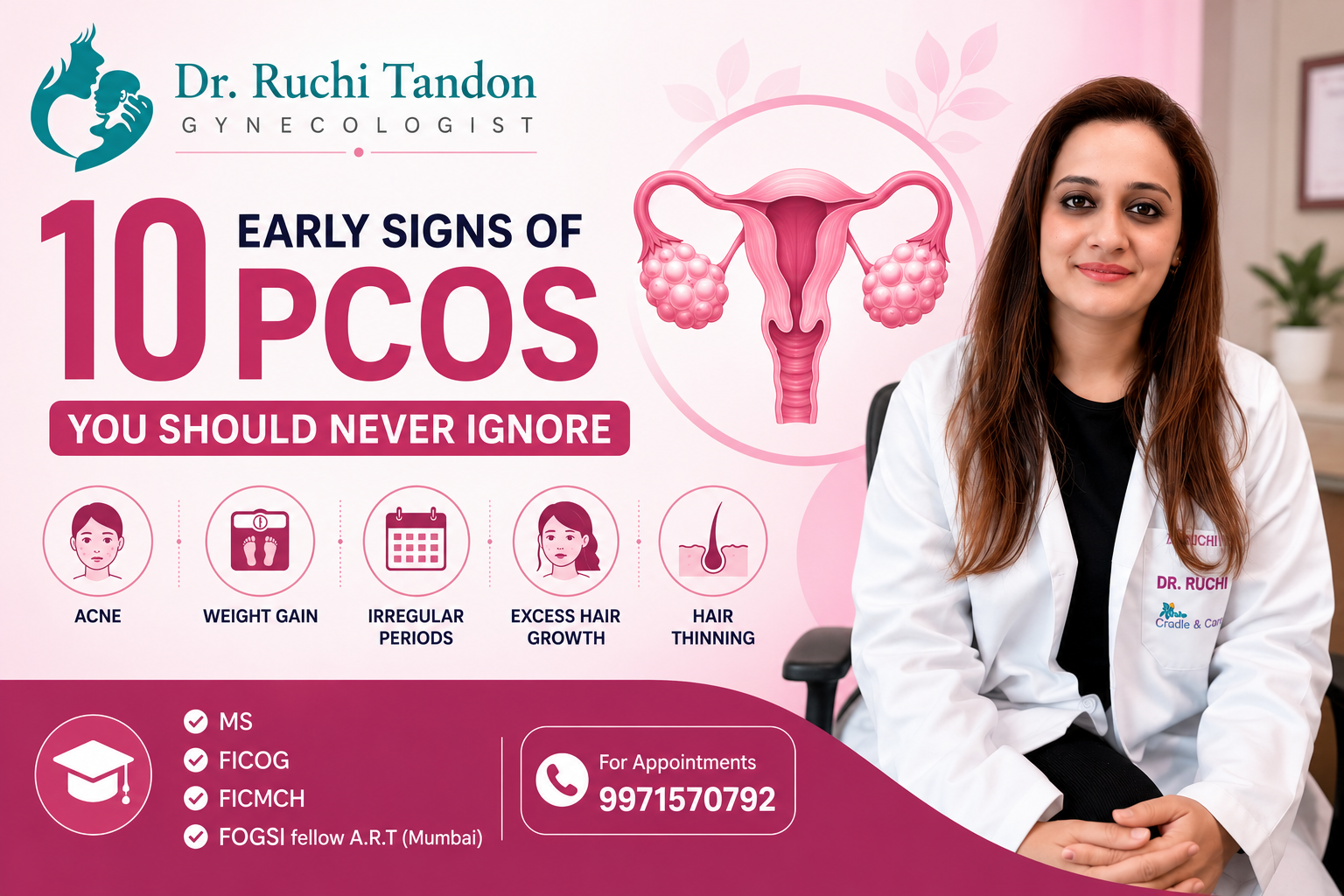
Polycystic Ovarian Disease (PCOD) is more common than we think, yet often remains undiagnosed for years. For many women, the signs appear subtly and slowly, blending into everyday life and making it hard to recognize that something’s off. That’s why early awareness is key. If you’re starting to notice unusual changes in your body, it might be time to consult a PCOD specialist doctor in South Delhi who can help you understand what’s really going on.

What Are the Early Signs of PCOD?

1.     Irregular Periods

This is one of the most common and early signs of PCOD. Your menstrual cycle may stretch out unusually long, or you may skip periods altogether. For some women, the flow becomes abnormally heavy or very light. If your periods have never been regular or suddenly become inconsistent, it’s worth paying attention.

2.     Unexplained Weight Gain

Many women with PCOD notice sudden weight gain, especially around the abdomen. The frustrating part is that it often happens without any change in diet or lifestyle. This happens due to hormonal imbalances, particularly insulin resistance, which is a common feature of PCOD.

3.     Persistent Acne or Oily Skin

We all get the occasional breakout, but if you’re dealing with constant acne well into your adult years, especially around the jawline or chin, it could be hormonal. PCOD-related acne tends to be stubborn and doesn’t respond well to over-the-counter products.

4.     Thinning Hair or Hair Loss

Another early sign of PCOD is hair thinning or excessive hair fall. You might notice more strands on your pillow, in your brush, or even visible scalp patches. On the flip side, many women also experience excess facial or body hair—something they’ve never had to deal with before.

5.     Mood Swings and Fatigue

Hormonal imbalances caused by PCOD can affect your mood significantly. You may feel anxious, irritable, or even slightly depressed without knowing why. Fatigue is also a common symptom—feeling tired even after a full night’s sleep is a red flag worth noting.

6.     Dark Patches on the Skin

Some women develop dark, velvety patches of skin, usually around the neck, underarms, or inner thighs. This condition, known as acanthosis nigricans, is often linked to insulin resistance—a frequent companion of PCOD.

7.     Difficulty Getting Pregnant

One of the most heart-wrenching signs of PCOD comes when a woman starts trying for a baby and realizes that conceiving is harder than expected. PCOD can disrupt ovulation, making it more difficult to get pregnant naturally.

Recognizing these signs early and seeking proper medical advice can make a world of difference. PCOD is manageable, especially when diagnosed early. Lifestyle changes, the right medication, and regular check-ups can help you regain control of your health.

If any of these symptoms feel familiar, don’t ignore them. It’s not just “in your head” or something you should push through. Your body is trying to tell you something important. For proper diagnosis and treatment, consult the best gynaecologist in South Delhi who can guide you on your journey toward better health and balance.

How Weight Training Can Help Manage PCOS Symptoms?

PCOD specialist doctor in South Delhi

Polycystic Ovary Syndrome (PCOS) affects millions of women worldwide, causing symptoms like irregular periods, weight gain, and hormonal imbalances. While medical intervention is crucial, lifestyle changes—especially incorporating weight training—can significantly ease symptoms and improve overall well-being. Let’s explore how lifting weights can become a powerful ally in managing PCOS.

Balancing Hormones Through Strength Training

Weight training helps regulate hormones, which is vital for women with PCOS. Strength exercises increase insulin sensitivity, reducing insulin resistance—a common concern for those with PCOS. This, in turn, stabilizes blood sugar levels and decreases excessive androgen production, alleviating symptoms like acne, excessive hair growth, and irregular cycles.

A gynecologist doctor in South Delhi might recommend regular strength training as part of a comprehensive treatment plan. Pairing exercise with proper medical care can enhance results and provide long-term relief.

Boosting Metabolism and Managing Weight

One of the biggest challenges with PCOS is managing weight. Strength training boosts muscle mass, which naturally increases resting metabolic rate. More muscles mean more calorie burn, even at rest. This makes weight loss more sustainable and helps prevent the visceral fat accumulation often associated with PCOS.

Women looking for a good gynecologist in South Delhi may find that their doctor suggests combining weight training with a balanced diet. Together, these lifestyle changes can create a synergistic effect, helping regulate menstrual cycles and improve fertility outcomes.

Reducing Stress and Enhancing Mood

PCOS often comes with emotional struggles, including anxiety and depression. Weight training releases endorphins—the body’s natural mood lifters. Regular sessions can reduce cortisol (the stress hormone) levels, which is particularly beneficial for women with PCOS, as chronic stress can exacerbate symptoms.

Incorporating mindful movement and focusing on personal progress can build self-esteem, empowering women to feel more in control of their bodies and health. This holistic approach is something a PCOD specialist doctor in South Delhi may encourage alongside medical treatments.

Improving Cardiovascular Health

Women with PCOS are at higher risk of developing cardiovascular issues. Weight training strengthens the heart, lowers blood pressure, and improves cholesterol profiles. Combined with aerobic exercises, it forms a well-rounded fitness regimen that protects long-term heart health.

Getting Started with Weight Training

For beginners, starting with bodyweight exercises like squats, lunges, and push-ups is an excellent way to build a foundation. Gradually incorporating free weights or resistance bands can enhance workouts.

Working with a certified fitness trainer or seeking guidance from a healthcare provider ensures a safe and effective workout plan tailored to individual needs. Tracking progress, staying consistent, and celebrating small victories can make the journey enjoyable and sustainable.

Final Thoughts

Managing PCOS requires a multifaceted approach, and weight training is a game-changer for many women. By balancing hormones, promoting weight loss, reducing stress, and improving heart health, it addresses several core concerns of PCOS. Consulting with a gynecologist doctor in South Delhi or a PCOD specialist doctor in South Delhi ensures you receive expert advice and personalized care. Pairing this with a commitment to strength training can pave the way to a healthier, more vibrant life.

If you’re ready to take charge of your health, consider integrating weight training into your routine. It might just be the missing piece to managing your PCOS symptoms and unlocking your full potential.

PCOD in Teenagers: Early Signs and Prevention Strategies

PCOD specialist doctor in South Delhi

Polycystic Ovarian Disease (PCOD) is becoming increasingly common among teenagers due to modern lifestyle changes, dietary habits, and genetic predispositions. It is a hormonal disorder where the ovaries produce excessive male hormones (androgens), leading to irregular periods and other health issues. Early identification, consultation with a PCOD specialist doctor in South Delhi, and preventive strategies are crucial to managing this condition effectively and avoiding long-term complications.

What Are the Early Signs of PCOD?

Irregular Menstrual Cycles

One of the earliest and most noticeable signs of PCOD is irregular periods. Teenagers may experience periods that are delayed, infrequent, or excessively heavy.

Excessive Hair Growth (Hirsutism)

An increase in facial and body hair, particularly in areas like the chin, chest, and back, can be a sign of elevated androgen levels.

Severe Acne

Persistent acne that does not respond to conventional treatments can indicate a hormonal imbalance.

Weight Gain

Unexplained weight gain, especially around the abdomen, is a common symptom of PCOD.

Thinning Hair or Hair Loss

Many teenagers with PCOD experience hair thinning on the scalp or even bald patches due to hormonal fluctuations.

Dark Patches on the Skin

Skin darkening, especially around the neck, armpits, or groin, is often linked to insulin resistance, a condition associated with PCOD.

Mood Swings and Fatigue

Hormonal imbalances can lead to mood swings, irritability, and chronic fatigue.

How to Prevent PCOD?

Although PCOD cannot always be entirely prevented due to genetic factors, adopting a healthy lifestyle can significantly reduce its severity and impact.

Balanced Diet

Encourage teenagers to consume a nutrient-rich diet with plenty of fruits, vegetables, whole grains, and lean proteins. Reduce intake of processed foods, sugary snacks, and refined carbohydrates for better blood sugar control and weight management, as they can contribute to insulin resistance.

Regular Exercise

Physical activity helps regulate insulin levels, manage weight, and balance hormones. Activities like yoga, brisk walking, and swimming can be beneficial.

Stress Management

Chronic stress can exacerbate hormonal imbalances. Engage in relaxation practices such as meditation, deep breathing, or exploring personal interests.

Adequate Sleep

Sleep plays a vital role in hormonal regulation. Ensure teenagers get 7-9 hours of quality sleep every night.

Early Medical Intervention

Consult a healthcare professional if symptoms arise. Early diagnosis can help manage PCOD effectively with lifestyle changes, medications, or other treatments.

Educating and Empowering Teenagers

Educate teens about the importance of health and the potential impact of PCOD. Empowering them to make informed choices can significantly improve outcomes.

By understanding the early signs and adopting preventive measures, teenagers and their families can navigate PCOD with confidence, ensuring a healthier and happier life ahead. Above all, it is also important to follow the instructions given by the pregnancy doctor in South Delhi for better recovery.

Why It Is Important to Tell Your Kids About PCOD?

PCOD specialist doctor in South Delhi

Polycystic Ovarian Disease (PCOD) is a common hormonal condition that affects many women worldwide. While most conversations about PCOD are tailored for adults, explaining it to children, especially if a family member or they themselves might experience it, is equally important. Helping kids understand PCOD not only fosters awareness but also promotes empathy, open communication, and a healthy approach to wellness. For this, you can seek the help of a PCOD specialist doctor in South Delhi.

What is PCOD?

PCOD occurs when a woman’s ovaries produce an excess of androgens, or male hormones, leading to the formation of small cysts on the ovaries. This hormonal imbalance can result in symptoms like irregular periods, excessive hair growth, acne, weight gain, and sometimes difficulty in conceiving. It’s important to stress to children that PCOD is not a disease to be afraid of but rather a condition that can be managed with proper care.

Why Kids Should Know About PCOD?

Conversations about health conditions like PCOD can break the stigma often associated with women’s health. When kids understand what PCOD is and its impact, they are better equipped to support peers, siblings, or future partners who might deal with the condition.

For young girls, especially those entering puberty, discussing PCOD can help them recognize symptoms early and seek medical advice if necessary. For boys, these discussions can instill respect for the challenges women may face, nurturing empathy and breaking down societal taboos surrounding women’s health.

How to Explain PCOD to Kids?

Use Simple Language

Start by explaining how the body works in terms kids can easily grasp. For example, you might say, “The ovaries are small organs in girls that help them grow and prepare their bodies to have babies one day. Sometimes, these ovaries don’t work the way they should, and that’s called PCOD.”

Relate it to Everyday Life

You can compare hormonal imbalances to something familiar, like a recipe that doesn’t quite turn out right because the ingredients were added in the wrong amounts. This analogy can help them understand why the body might act differently when hormones are imbalanced.

Focus on Management, Not Fear

Emphasize that PCOD isn’t life-threatening and can be managed with lifestyle changes, medication, or professional guidance. Highlighting the importance of healthy eating, exercise, and regular medical checkups helps kids see that managing PCOD is a part of taking care of overall health.

Promoting Empathy and Awareness

When discussing PCOD, use it as an opportunity to teach kindness and understanding. Explain that someone with PCOD might experience challenges like feeling tired or struggling with their weight, and these are not things to tease about. Encouraging kids to be supportive friends can make a world of difference.

Why These Conversations Matter?

Normalizing discussions about PCOD and other health conditions equips kids with knowledge and sensitivity. It fosters an environment where they feel comfortable asking questions, sharing concerns, and seeking help when needed. Additionally, these early conversations help dismantle the cultural taboos that often surround women’s health, paving the way for a more informed and compassionate generation. To make these conversations easy, the best gyno doctor in South Delhi may help.

Understanding the Different Treatment Options for PCOD

Understanding the Different Treatment Options for PCOD

Polycystic Ovary Syndrome (PCOD) is a common hormonal disorder affecting millions of women worldwide. Characterized by irregular periods, excess hair growth, and acne, PCOD can significantly impact a woman’s quality of life. While there’s no cure for PCOD, various treatment options can help manage its symptoms and improve overall well-being. It is vital to consult an experienced gynecologist doctor in South Delhi timely to manage the condition effectively.

In this post, we will see some different approaches to managing PCOD.

What Are the Different Treatment Options for PCOD?

Lifestyle Modifications

  • Weight Management: One of the key tactics to manage PCOD significantly is to maintain a healthy weight. Even moderate weight loss can help regulate hormone levels and reduce the risk of complications.
  • Regular Exercise: Physical activity helps improve insulin sensitivity and aids in weight management. Make it a habit of doing exercise for at least 30 minutes daily.  
  • Healthy Diet: A balanced diet rich in fruits, vegetables, whole grains, and lean proteins can support overall health and help manage PCOD symptoms. Processed foods, carbonated and sugary drinks, and refined carbohydrates must be avoided.
  • Stress Management: Chronic stress can make PCOD symptoms worse. Engage in stress-relieving activities like yoga, meditation, and deep breathing daily for some time.  

Medical Treatments

  • Birth Control Pills: Oral contraceptives can help regulate menstrual cycles, reduce acne, and improve insulin sensitivity. They can also help prevent unwanted pregnancies.
  • Metformin: This medication is commonly used to treat type 2 diabetes, but it can also be effective in managing PCOD. Metformin helps improve insulin sensitivity and can reduce the risk of developing diabetes.
  • Anti-androgens: These medications can help reduce excess hair growth and acne, which are common symptoms of PCOD. They work by blocking the production of male hormones.
  • Ovulation Induction: For women who desire pregnancy, ovulation induction medications can be used to stimulate ovulation and increase the chances of conception. However, it’s important to consult with a PCOD specialist doctor in South Delhi to determine the best approach.
  • Surgery: In some cases, surgery may be recommended, particularly for women with large ovarian cysts or severe pelvic pain. Laparoscopic surgery can be used to remove cysts or address underlying issues.

Alternative Therapies

  • Herbal Remedies: While some herbal remedies have shown promise in managing PCOD symptoms, it’s essential to consult with a healthcare provider before trying any herbal supplements.
  • Acupuncture: Acupuncture involves inserting needles into specific points on the body. This technique is derived from a traditional Chinese medicine practice. Some studies suggest that acupuncture may be beneficial for improving menstrual regularity and reducing PCOD symptoms.  

Choosing the Right Treatment

The best treatment plan for PCOD will depend on individual factors such as the severity of symptoms, desired outcomes, and overall health. It’s important to work closely with a healthcare provider to develop a personalized treatment plan that addresses your specific needs.  

Conclusion

PCOD is a complicated disorder that needs a comprehensive treatment plan by an expert PCOD doctor in South Delhi. Although there’s no definitive cure, several treatments can alleviate symptoms and enhance overall well-being. By combining lifestyle modifications, medical treatments, and potentially alternative therapies, individuals with PCOD can effectively manage their condition and lead fulfilling lives.