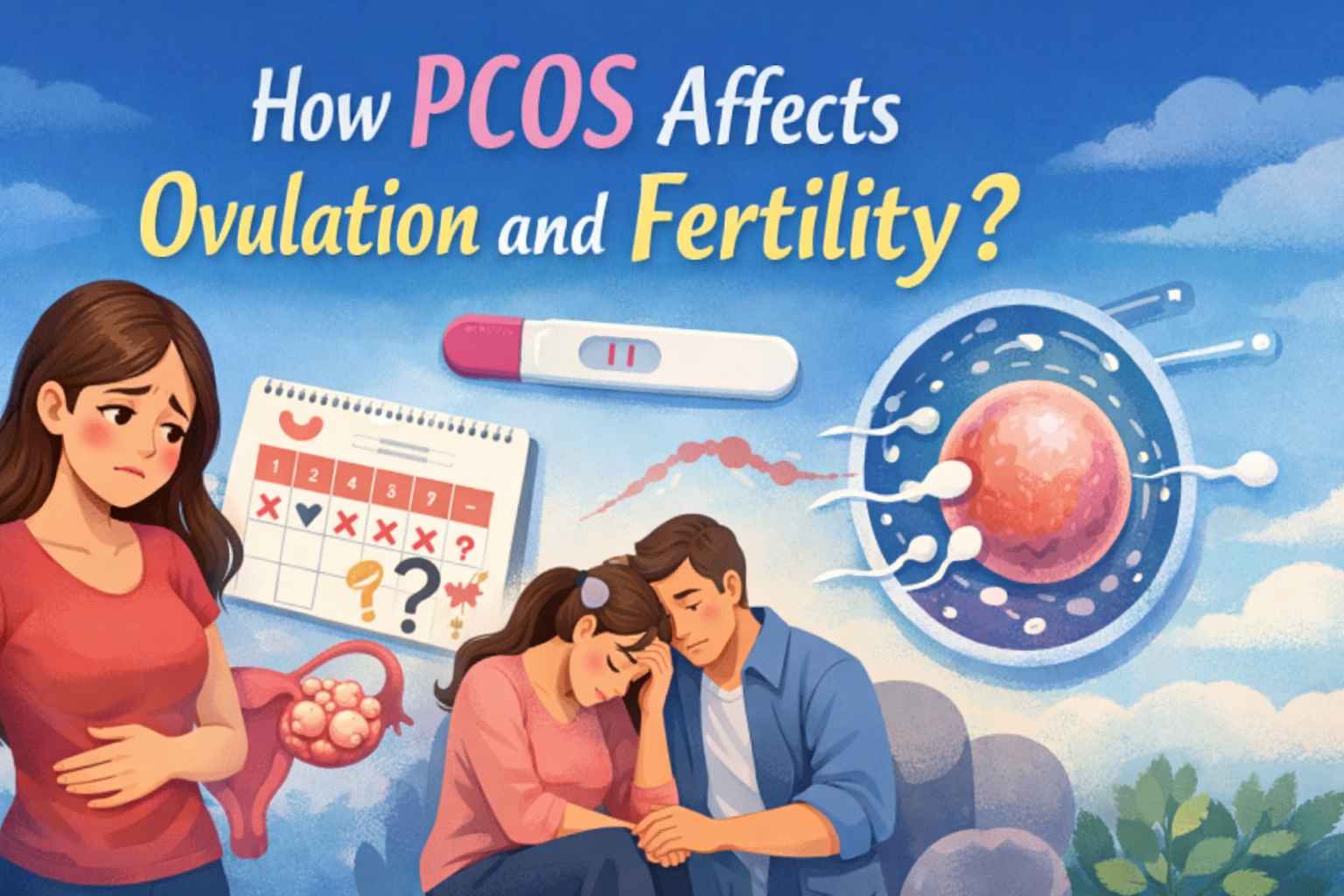
How Hormonal Imbalances Affect Fertility?

PCOD specialist doctor in South Delhi

Fertility is a delicate process that depends on a fine balance of hormones. When these hormones fluctuate or fall out of balance, they can directly impact reproductive health and make it difficult for couples to conceive. Conditions like polycystic ovary syndrome (PCOS), thyroid disorders, and high prolactin levels are common examples where hormonal changes interfere with ovulation, menstrual cycles, and overall fertility. Many women seek timely medical advice from experts like a PCOD specialist doctor in South Delhi to identify and manage these challenges before they escalate.

The Role of Hormones in Reproduction

Hormones act as messengers in the body, ensuring that reproductive organs function properly. Estrogen and progesterone regulate the menstrual cycle, while luteinizing hormone (LH) and follicle-stimulating hormone (FSH) control ovulation. Even small irregularities in these hormones can disrupt egg development, ovulation, and implantation, which are critical steps in achieving pregnancy.

For example, low progesterone levels can prevent the uterine lining from supporting a fertilized egg, while high androgen (male hormone) levels in women can interfere with ovulation altogether. These imbalances not only reduce the chances of natural conception but can also increase the risk of miscarriages.

PCOS and Fertility

Among all hormonal disorders, PCOS is one of the most common conditions affecting women of reproductive age. It is marked by irregular periods, excessive hair growth, acne, and cysts in the ovaries. PCOS alters the hormonal environment by increasing insulin resistance and androgen levels, both of which disturb ovulation cycles. Without regular ovulation, conceiving naturally becomes very difficult.

Lifestyle changes like weight management, healthy eating, and stress reduction can significantly improve hormone balance in PCOS patients. However, medical treatment is often necessary to restore ovulation and regulate cycles. Consulting a trusted PCOS doctor in South Delhi ensures that women receive personalized treatment, which may include medication, lifestyle guidance, or advanced reproductive techniques depending on the severity of the condition.

Other Hormonal Factors That Influence Fertility

Apart from PCOS, several other hormonal imbalances can play a role in infertility:

Thyroid Disorders – Both hyperthyroidism (overactive thyroid) and hypothyroidism (underactive thyroid) can disrupt menstrual cycles, cause irregular ovulation, and lead to pregnancy complications.

Hyperprolactinemia – High levels of the hormone prolactin can prevent ovulation and result in irregular or absent periods.

Adrenal Gland Disorders – Problems in adrenal hormone production can increase androgens, contributing to infertility.

These conditions highlight the importance of regular screening and timely intervention. Hormonal blood tests, ultrasound scans, and other diagnostic tools help doctors pinpoint the root cause and create a tailored treatment plan.

Restoring Fertility Through Treatment

The good news is that most hormonal imbalances are treatable. Depending on the diagnosis, treatment may include:

  • Medications to stimulate ovulation.
  • Hormone therapy to regulate menstrual cycles.
  • Lifestyle modifications like diet, exercise, and stress management.
  • Advanced fertility treatments such as IVF in complex cases.

Couples experiencing difficulty in conceiving should not delay seeking professional help. Fertility issues related to hormones often improve with the right medical guidance and consistent follow-up.

Final Thoughts

Hormonal imbalances are one of the leading yet often overlooked causes of infertility. By understanding the signs early and consulting an experienced specialist, women can take control of their reproductive health and improve their chances of conception. If you are struggling with irregular periods, PCOS, or fertility-related issues, it is wise to consult a good gynecologist in South Delhi who can guide you with the right diagnosis and treatment.

PCOS and Miscarriage Risk Myths vs. Facts.

pcos doctor in south delhi

Polycystic Ovary Syndrome (PCOS) is one of women’s common hormonal conditions that affects women of reproductive age around the world. It often raises concerns related to fertility, pregnancy complications, and miscarriage. Many women feel anxious about whether having PCOS increases their risk of losing a pregnancy, but misinformation often creates unnecessary fear. Consulting an experienced PCOS doctor in south Delhi can help women separate myths from facts and manage PCOS effectively, especially when planning for a healthy pregnancy.

Understanding PCOS and Pregnancy

PCOS is caused by hormonal imbalances, primarily involving higher levels of androgens (male hormones) and insulin resistance. These changes can lead to irregular menstrual cycles, difficulties with ovulation, and in some cases, challenges with conception. However, it is important to note that PCOS does not automatically mean infertility or inevitable miscarriage. Many women with PCOS conceive naturally and go on to have healthy pregnancies.

What Are the Myths Associated with PCOS and Pregnancy?

Myth 1: PCOS Always Leads to Miscarriage

One of the biggest misconceptions is that women with PCOS cannot sustain a pregnancy and will always miscarry. This is not true. While research shows that women with PCOS may have a slightly higher risk of miscarriage compared to those without PCOS, it does not mean miscarriage is guaranteed. Proper medical support, lifestyle changes, and timely treatment can significantly lower these risks.

Fact: Risk Can Be Managed

Factors like uncontrolled insulin resistance, obesity, or thyroid imbalances may increase the chances of miscarriage in women with PCOS. However, with a well-balanced diet, regular exercise, and medications prescribed by a qualified gynecologist or endocrinologist, these risk factors can be managed. Monitoring blood sugar levels and maintaining a healthy weight can go a long way in ensuring a safe pregnancy.

Myth 2: All Pregnancies with PCOS Require Medical Intervention

Another widespread belief is that women with PCOS cannot conceive without medical help. The truth is, many women with PCOS ovulate and conceive naturally. Some may require assistance like ovulation induction medicines, while others may need advanced fertility treatments. Each case is unique, which is why an individualized approach by a healthcare expert is essential.

Fact: Medical Guidance is Crucial

Even if conception happens naturally, women with PCOS benefit from regular medical supervision during pregnancy. Conditions like gestational diabetes, high blood pressure, and preeclampsia are slightly more common in PCOS pregnancies. Regular check-ups, screenings, and timely interventions reduce these risks, supporting both maternal and fetal health. For women who have faced recurrent miscarriages, consulting a reputable abortion clinic in delhi for evaluation and guidance can help rule out other underlying causes and provide appropriate treatment plans for future pregnancies.

Myth 3: PCOS Miscarriage Risk Cannot Be Reduced

A common misconception is that there’s nothing women with PCOS can do to improve their pregnancy outcomes. This belief often leaves women feeling powerless and hopeless.

Fact: Lifestyle and Treatment Make a Difference

In reality, several measures can lower the miscarriage risk in PCOS pregnancies. Managing weight, following a diet rich in whole grains, proteins, and vegetables, staying active, and reducing stress levels all contribute to better outcomes. Additionally, medications like metformin are often prescribed to improve insulin sensitivity and regulate hormonal balance, which can reduce the chances of miscarriage.

Final Thoughts

PCOS and miscarriage risk is a topic surrounded by myths that can create unnecessary fear among women. The truth is, while there may be some additional challenges, with the right medical guidance and healthy lifestyle choices, many women with PCOS go on to have successful pregnancies. Awareness, timely treatment, and personalized care are the keys to managing these risks effectively.

If you are struggling with fertility or pregnancy concerns due to PCOS, consulting a trusted PCOD specialist doctor in south Delhi can help you gain clarity, receive the right treatment, and improve your chances of a safe and healthy pregnancy.

Can Endometriosis Go Undetected? Why Early Diagnosis Matters?

Best Gynecologist in Greater Kailash

Endometriosis is one of those conditions that often hides in plain sight. Many women live with its symptoms for years, mistaking them for something else or simply learning to endure the pain. Visiting the Best Gynecologist in Greater Kailash can often be the first step in uncovering what’s really going on. But why does endometriosis go undetected so often? And why does an early diagnosis make such a big difference?

Why Endometriosis Often Goes Undetected?

Endometriosis occurs when tissue similar to the lining of the uterus grows outside it, leading to pain, inflammation, and sometimes fertility issues. The tricky part? Its symptoms often overlap with other common conditions. Painful periods, pelvic discomfort, bloating, or even digestive issues can all be signs of endometriosis, but they’re also associated with conditions like IBS or regular menstrual cramps.

Because of this overlap, many women are misdiagnosed or brushed off with the assumption that their pain is just “part of being a woman.” On average, it can take 7–10 years to get a proper diagnosis of endometriosis for a woman. That’s nearly a decade of living with discomfort, unanswered questions, and in many cases, worsening symptoms.

Why Early Diagnosis Matters?

The sooner endometriosis is identified, the better the outcome for the patient. Early diagnosis means early treatment, and that can make a huge difference in preserving fertility, managing pain, and improving quality of life.

Delaying treatment can lead to complications. As endometriosis progresses, it can cause scarring and adhesions, which not only increase pain but may also make surgical treatment more complex. For women who wish to conceive, early detection improves the chances of maintaining reproductive health.

Beyond the physical benefits, early diagnosis also provides peace of mind. Knowing what’s behind the symptoms allows women to take control of their health, seek the right specialists, and explore effective treatment options. An endometriosis specialist in Delhi can guide patients through advanced treatment plans, ranging from medication to minimally invasive surgeries, tailored to individual needs.

Taking Charge of Your Health

If you suspect that your symptoms are more than just “normal period pain,” it’s worth seeking expert help. Keep track of your symptoms; how often they occur, how severe they are, and how they affect your daily life. This information can help your gynecologist in making an accurate assessment.

Remember, your pain is valid. And it’s worth investigating.

The Bottom Line

Endometriosis may go undetected for years, but it doesn’t have to. Awareness, open communication with your doctor, and timely consultations can shorten the path to diagnosis. Whether you’re struggling with chronic pelvic pain, irregular cycles, or fertility issues, consulting the right specialists can make all the difference. Don’t hesitate to take the next step for your health, whether it’s meeting an endometriosis expert or even a trusted PCOS doctor in South Delhi, because the right diagnosis changes everything.

Top 5 Myths About PCOS Treatment Busted by Experts

PCOS doctor in South Delhi

If you’ve recently been diagnosed with Polycystic Ovary Syndrome (PCOS), you’re not alone. Millions of women across India face this hormonal imbalance that affects everything from their periods to their fertility. While searching for the right treatment, you might come across a flood of advice online and offline, but not all of it is accurate. That’s why consulting a trusted PCOS doctor in South Delhi is crucial to get the facts straight. In this blog, we’ll clear up some of the most common myths about PCOS treatment, as explained by leading experts.

Myth 1: PCOS can be completely cured

Truth: Unfortunately, PCOS is a long-term hormonal disorder and cannot be “cured” in the traditional sense. However, that doesn’t mean you’re stuck with its symptoms forever. With the right lifestyle changes, medications, and support from a qualified specialist, PCOS can be managed very effectively. Many women go on to lead healthy lives, conceive naturally, and keep their symptoms under control. The goal of treatment is not a one-time cure but sustainable symptom management and hormone regulation.

Myth 2: You can’t get pregnant if you have PCOS

Truth: This is one of the most damaging myths. While PCOS can affect ovulation and make conception more challenging, it does not mean you’re infertile. Many women with PCOS conceive naturally, and others may need a bit of medical support. Today, fertility treatments have advanced significantly, and with the guidance of the best gynecologist in South Delhi, your chances of becoming pregnant are higher than ever. Early diagnosis and personalized treatment plans make a huge difference.

Myth 3: You must take birth control pills forever

Truth: Birth control pills are often prescribed to regulate menstrual cycles and control acne and excess hair growth. However, they are not the only treatment option. They also don’t “fix” PCOS; they simply manage some of the symptoms. Long-term use is not mandatory for everyone. Depending on your symptoms, age, and family planning goals, your doctor may recommend other treatments like insulin sensitizers, anti-androgens, or even natural approaches such as lifestyle modification and supplements.

Myth 4: Weight loss alone can reverse PCOS

Truth: Weight management plays a big role in controlling PCOS symptoms, especially for women who are overweight. However, weight loss is not a guaranteed solution or a one-size-fits-all approach. Even women with a normal BMI can suffer from PCOS and its complications. Treatment must be holistic, including dietary changes, exercise, stress reduction, and sometimes medication. PCOS is a hormonal disorder, not just a weight issue.

Myth 5: All PCOS symptoms are the same for every woman

Truth: PCOS manifests differently in every woman. Some may struggle with acne and irregular periods, while others face severe hair thinning or fertility issues. This is why a blanket treatment approach doesn’t work. You need a plan tailored to your symptoms, body type, and medical history. A good gynecologist in South Delhi will help assess your unique needs and guide you on the right path toward managing PCOS effectively.

Final Thoughts

There’s a lot of misinformation out there about PCOS, which can lead to fear, confusion, and even inaction. But with the right knowledge and medical support, PCOS is manageable. Whether you’re newly diagnosed or have been battling it for years, don’t let myths dictate your health decisions. Always consult with an experienced medical professional who understands your condition inside out.

Endometriosis vs. PCOS: How to Tell the Difference?

best gynecologist in Greater Kailash

Women’s reproductive health is complex, and two of the most misunderstood conditions are Endometriosis and Polycystic Ovary Syndrome (PCOS). Despite some overlapping symptoms, they are very different disorders, each requiring distinct treatment approaches. If you’re facing irregular periods, severe cramps, or unexplained fertility issues, it’s important to consult the best gynecologist in Greater Kailash for an accurate diagnosis and personalized care.

Let’s break down how endometriosis and PCOS differ, their unique signs, and how to tell them apart.

Understanding Endometriosis

Endometriosis is a condition where tissue similar to the lining of the uterus starts growing outside the uterus—on the ovaries, fallopian tubes, or pelvic lining. This misplaced tissue behaves like regular uterine tissue during menstruation—it thickens, breaks down, and bleeds. But with nowhere to go, the blood gets trapped, leading to inflammation, scarring, and severe pain.

Common Symptoms of Endometriosis:

  • Intense menstrual cramps
  • Chronic pelvic pain (not just during periods)
  • Pain during sex
  • Painful bowel movements or urination during periods
  • Fatigue
  • Difficulty conceiving

Women with endometriosis often suffer in silence, thinking their pain is “normal.” But chronic pain, especially if it interferes with daily life, is a red flag. Consulting an endometriosis specialist in Delhi can lead to early diagnosis and effective treatment, including medication, hormonal therapy, or minimally invasive surgery.

What is PCOS?

Polycystic Ovary Syndrome (PCOS) is a hormonal imbalance where the ovaries produce excessive androgens (male hormones). This disrupts the ovulation process and often leads to the formation of small cysts in the ovaries.

Common Symptoms of PCOS:

  • Irregular or absent periods
  • Weight gain, especially around the abdomen
  • Excess facial or body hair (hirsutism)
  • Oily skin or acne
  • Thinning hair on the scalp
  • Fertility challenges

Unlike endometriosis, pain is not the hallmark of PCOS. Instead, it is more closely linked to metabolic symptoms, like insulin resistance and weight gain.

Key Differences Between Endometriosis and PCOS

Feature Endometriosis PCOS
Pain Severe, chronic pelvic pain Mild or no pelvic pain
Periods Painful, sometimes heavy periods Irregular or absent periods
Hormonal Levels Often normal Elevated androgens
Fertility Impact Due to scarring/blockage Due to lack of ovulation
Cysts Endometrial implants, not real cysts Fluid-filled ovarian cysts
Appearance on Scan May show endometriomas or scar tissue Enlarged ovaries with multiple follicles

Despite these differences, both conditions can coexist in some women, which makes diagnosis more complex. A thorough examination, pelvic ultrasound, hormonal testing, and sometimes laparoscopy are needed to confirm the diagnosis.

When to Seek Help?

If you’re experiencing ongoing menstrual issues, severe cramps, unexpected weight changes, or trouble conceiving, don’t ignore it. These symptoms are your body’s way of telling you that something’s not right. Early intervention can not only ease your discomfort but also improve your fertility outcomes.

At the end of the day, no online article can replace professional medical advice. Whether you suspect endometriosis or PCOS, schedule an appointment with an expert. If you’re looking for a compassionate and experienced PCOS doctor in South Delhi, seek someone who takes the time to listen, investigate, and guide you through your options.

Irregular Periods: Causes and When to See a Gynecologist?

best gynecologist in South Delhi

Menstrual cycles vary from woman to woman, but on average, they last between 21 and 35 days. If your periods are irregular—meaning they come unpredictably, last longer or shorter than usual, or are excessively heavy or light—it could be a sign of an underlying health issue. If you are experiencing irregular periods frequently, consulting the best gynecologist in South Delhi can help you determine the root cause and receive appropriate treatment.

What Are the Common Causes of Irregular Periods?

Several factors can lead to irregular periods. While occasional irregularity is normal, persistent irregularities may indicate a deeper issue. Here are some common causes:

Stress and Lifestyle Changes

Emotional and physical stress can disrupt hormone levels, affecting your menstrual cycle. Excessive exercise, drastic weight changes, poor diet, and lack of sleep can also contribute to irregular periods.

Hormonal Imbalances

Two hormones including estrogen and progesterone regulate the menstrual cycle. Any imbalance in these hormones due to thyroid disorders, polycystic ovary syndrome (PCOS), or menopause can lead to irregular cycles.

Polycystic Ovary Syndrome (PCOS)

PCOS is among the most common symptoms of irregular periods. Women with PCOS often experience missed periods, prolonged cycles, or anovulation (lack of ovulation). Other symptoms include acne, weight gain, and excessive hair growth.

Thyroid Disorders

Both hypothyroidism and hyperthyroidism can affect menstrual regularity. Hypothyroidism (underactive thyroid) can cause longer and heavier periods, while hyperthyroidism (overactive thyroid) can lead to shorter, lighter periods, or even skipped cycles.

Birth Control and Medications

Hormonal birth control methods, such as pills, IUDs, or implants, can affect your period. Some may cause spotting between cycles, while others may stop your periods altogether. Certain medications, like blood thinners and antidepressants, can also influence menstrual regularity.

Perimenopause and Menopause

As women approach menopause (usually in their 40s or 50s), hormonal fluctuations can cause irregular cycles, missed periods, or heavier/lighter flows before menstruation ceases completely.

Uterine Fibroids or Polyps

These noncancerous growths in the uterus can cause heavy, prolonged, or irregular periods, along with pelvic pain and discomfort.

Endometriosis

Endometriosis is a condition where the tissue that normally lines the uterus grows outside of it, leading to painful and irregular periods. Other symptoms include pelvic pain, heavy bleeding, and pain during intercourse.

When to See a Gynecologist?

Irregular periods can sometimes be a minor issue, but in certain cases, they require medical attention. Consult a gynecologist if you experience:

  • Missed periods for more than three months without pregnancy
  • Heavy bleeding requiring frequent pad changes
  • Periods lasting longer than a week
  • Severe pelvic pain or cramping
  • Sudden changes in your menstrual cycle
  • Symptoms of PCOS, thyroid disorders, or menopause

If you suspect PCOS or any other hormonal imbalance, seeking advice from a PCOS doctor in South Delhi can help you manage the condition and improve your menstrual health. A timely diagnosis and appropriate treatment can restore hormonal balance and ensure overall well-being.

Navigating Mental Health Challenges with PCOS

best gynecologist in South Delhi

Polycystic Ovary Syndrome is a common hormonal condition. Millions of women across the globe are suffering from PCOS. While the physical symptoms like irregular periods, weight gain, and acne are widely discussed, the mental health challenges that come with PCOS often go unnoticed. For women navigating these complexities, seeking support from the best gynecologist in South Delhi can be a crucial first step toward holistic well-being.

Understanding the Mental Health Impact of PCOS

PCOS affects more than just physical health; it can take a significant toll on mental well-being. The hormonal imbalances associated with PCOS, particularly elevated androgen levels and insulin resistance, can contribute to mood swings, anxiety, and depression. The distress caused by physical symptoms, such as hair loss or infertility, can further exacerbate these emotional struggles.

Women with PCOS are more likely to experience:

  • Depression: Feelings of sadness, hopelessness, and fatigue can become overwhelming.
  • Anxiety: Constant worry, racing thoughts, and panic attacks may arise.
  • Body Image Issues: Dealing with physical symptoms like weight gain or excessive hair growth can lower self-esteem.
  • Stress and Isolation: Coping with chronic health concerns can lead to social withdrawal and heightened stress.

The first and foremost thing is to recognize these challenges to ensure effective management. Seeking help from a compassionate gynecologist in South Delhi can make a world of difference.

Holistic Approaches to Mental Health with PCOS

Addressing the mental health aspect of PCOS requires a multifaceted approach. Here’s how you can navigate the emotional hurdles:

Medical Management

Consult with a PCOS doctor in South Delhi to create a personalized treatment plan. Medications to regulate hormones or manage insulin resistance can alleviate both physical and emotional symptoms.

Therapeutic Support

Engaging with a therapist or counselor can provide a safe space to explore emotions and develop coping strategies. Cognitive-behavioral therapy (CBT) is especially effective for managing anxiety and depression.

Lifestyle Modifications

Do exercise regularly, maintain balanced nutrition, and ensure adequate sleep. Physical activity releases endorphins, which help boost mood naturally.

Mindfulness and Stress Reduction

Practices like meditation, yoga, and journaling can help ground your thoughts and reduce stress.

Community and Connection

Join support groups or online communities where you can share experiences and gain encouragement from others facing similar challenges.

The Power of Seeking Support

Living with PCOS can be daunting, but you don’t have to face it alone. Prioritizing mental health is just as important as managing physical symptoms. Reach out to a trusted PCOS doctor in South Delhi who understands the emotional complexities of this condition. With the right medical care, emotional support, and self-compassion, you can navigate PCOS with resilience and strength; reclaiming control over both your body and mind.

Remember, it’s okay to ask for help. Whether from healthcare professionals, therapists, or fellow warriors, finding a supportive network can make your mental health journey more manageable. Empower yourself with knowledge, patience, and the understanding that you are more than your diagnosis.

If you’re ready to take the next step, connecting with the best gynecologist in South Delhi can guide you toward a healthier, happier life.

A Quick Guide to Preparing for a High-Risk Pregnancy

A Quick Guide to Preparing for a High-Risk Pregnancy

Pregnancy is a time of joy, anticipation, and planning. However, for some expectant mothers, the journey may be classified as high-risk, requiring extra care and attention along with regular consultation with a pregnancy doctor in South Delhi. A high-risk pregnancy doesn’t mean an inevitable problem, but it does call for additional precautions to ensure the health and safety of both the mother and baby. Here’s a guide on preparing for and managing a high-risk pregnancy.

What is a High-risk Pregnancy?

A pregnancy is considered high-risk when there is an increased chance of health complications for the mother, baby, or both. Factors contributing to high-risk pregnancies include advanced maternal age (35 or older), pre-existing medical conditions such as diabetes or hypertension, multiple pregnancies (twins or more), and lifestyle factors like smoking or obesity. Sometimes, complications arise during pregnancy, such as preeclampsia or gestational diabetes, which shift a pregnancy into the high-risk category.

The first step in managing a high-risk pregnancy is understanding your unique risks. Regular consultations with your healthcare provider are essential for early diagnosis and intervention.

Choose the Right Gynecologist in Greater Kailash

Selecting an experienced obstetrician or maternal-fetal medicine specialist is critical. These professionals are trained to handle complex pregnancies and can provide tailored guidance based on your health profile. Ask about their experience with high-risk pregnancies and their approach to monitoring and treatment.

Follow a Personalized Care Plan

A high-risk pregnancy requires a customized care plan. This may involve more frequent prenatal visits, specialized tests, and targeted interventions. Regular ultrasounds, blood tests, and fetal monitoring will help ensure that any potential issues are identified and managed promptly.

Adopt a Healthy Lifestyle

Lifestyle adjustments play a pivotal role in managing a high-risk pregnancy. A nutrient-rich diet with an emphasis on folic acid, calcium, iron, and protein supports both maternal and fetal health. Stay hydrated and avoid harmful substances like alcohol, tobacco, and caffeine.

Physical activity, with your doctor’s approval, can improve circulation, reduce stress, and prepare your body for labor. Gentle exercises like walking, prenatal yoga, or swimming are generally safe, but always consult your healthcare provider before starting any new activity.

Stay Informed and Empowered

Education is empowering. Learn about your condition, the potential challenges, and the steps you can take to mitigate risks. Resources like books, reputable websites, and support groups for high-risk pregnancies can provide valuable insights and emotional support.

Prioritize Mental Health

Coping with a high-risk pregnancy can be emotionally taxing. Feelings of anxiety and fear are natural but should be addressed. Consider speaking with a counselor, joining a support group, or practicing relaxation techniques such as meditation and deep breathing exercises. A strong support system, including your partner, family, and friends, is invaluable during this time.

Be Prepared for Delivery

Discuss your delivery options with your doctor well in advance. Depending on your condition, a cesarean section or early delivery might be recommended. Having a clear birth plan helps alleviate uncertainty and ensures you’re ready for any situation.

For the best advice and treatment, consult Dr. Ruchi Tandon, an experienced gynecologist. She is also the best PCOS doctor in South Delhi.

Fibroids After Menopause – A Quick Guide

Fibroids After Menopause - A Quick Guide

Fibroids are non-cancerous growths. These growths occur in the uterine wall. While they are most common during the reproductive years, some women may continue to experience them after menopause. Understanding the causes, symptoms, and treatment options for fibroids after menopause can help you manage any discomfort or concerns. If the condition becomes severe, you need to consult an experienced fibroids surgeon in South Delhi.

What Are the Causes of Fibroids After Menopause?

  • Hormonal Changes: Although estrogen levels decrease significantly after menopause, some women may still produce small amounts. This residual estrogen can contribute to the growth of fibroids.
  • Genetics: A family history of fibroids can increase your risk.
  • Age: While fibroids are more common during the reproductive years, some women may develop them later in life.

What Are the Symptoms of Fibroids After Menopause?

  • Heavy Bleeding: Even after menopause, you may experience irregular bleeding or spotting.
  • Pelvic Pressure or Pain: Fibroids can put pressure on your bladder or rectum, causing discomfort.
  • Urinary Frequency or Incontinence: Fibroids can affect your bladder, leading to increased urination or difficulty controlling your bladder.
  • Constipation: If fibroids are large enough, they can put pressure on your intestines, causing constipation.
  • Infertility: While rare, fibroids after menopause can sometimes interfere with fertility if you’re considering having a child later in life.

What is the Diagnosis of Fibroids After Menopause?

If you’re experiencing any of these symptoms, it’s important to see a healthcare provider for an evaluation. They may use the following tests to diagnose fibroids:

  • Pelvic Exam: Your doctor will perform a physical exam to check for any abnormalities in your abdomen or uterus.
  • Ultrasound: An ultrasound uses sound waves to create images of your uterus and ovaries.
  • MRI: Magnetic resonance imaging can provide more detailed images of your fibroids.

What Treatment Options Are Available for Fibroids After Menopause?

The best treatment for fibroids after menopause will depend on your symptoms and the size and location of the fibroids. Some women may not require any treatment, while others may benefit from the following options:

  • Observation: If your fibroids are small and causing no symptoms, your doctor may recommend monitoring them over time.
  • Medication: In some cases, hormonal therapy can help shrink fibroids.
  • Surgery: If your fibroids are causing significant symptoms or interfering with your quality of life, surgery may be necessary. Surgical options include:
  • Myomectomy: This procedure involves removing the fibroids while preserving the uterus.
  • Hysterectomy: If you’re no longer interested in having children, a hysterectomy may be recommended. This includes removing the uterus. In some cases, ovaries may also be removed.

Living with Fibroids After Menopause

While fibroids can be uncomfortable, it’s important to remember that they are generally benign and do not increase your risk of developing cancer. By understanding the causes, symptoms, and treatment options, you can manage your condition and maintain a good quality of life.

If you have any concerns about fibroids or are experiencing symptoms, don’t hesitate to consult with your healthcare provider. They can provide personalized guidance and recommend the best course of action for you.

Dr. Ruchi Tandon is a renowned fibroids surgeon and PCOS doctor in South Delhi.

Lifestyle Changes You Need for the Management of PCOS

Lifestyle Changes You Need for the Management of PCOS

Polycystic Ovary Syndrome (PCOS) is a hormonal disorder that often affects women during their reproductive years. While there’s no definitive cure, lifestyle modifications can significantly improve symptoms and overall well-being. In this blog, we will talk about some effective lifestyle changes for PCOS management. However, it is still advisable to consult a PCOS doctor in South Delhi for proper management and to prevent the worsening of the condition.

How to Manage PCOS with Lifestyle Changes?

Diet: Fuel Your Body Right

A balanced diet is crucial for managing PCOS. Focus on foods that regulate blood sugar levels and reduce inflammation.

  • Prioritize low-glycemic index foods: These foods release sugar slowly into the bloodstream, preventing insulin spikes. Add whole grains, legumes, fruits, and vegetables to your daily diet.
  • Embrace lean proteins: Incorporate fish, poultry, and plant-based protein sources to support muscle growth and repair.
  • Healthy fats: Avocados, nuts, and olive oil are good sources of healthy fats, and adding them to your diet plan could be of great help. They aid hormone regulation and reduce inflammation.
  • Limit processed foods: These often contain high amounts of sugar, unhealthy fats, and additives that can worsen PCOS symptoms.
  • Stay hydrated: Drinking plenty of water helps regulate bodily functions and supports overall health.

Exercise: Move Your Body

Regular physical activity is essential for PCOS management. A combination of aerobic and strength training exercises can be helpful.

  • Aerobic exercise: Activities like brisk walking, swimming, and cycling improve insulin sensitivity and help with weight management.
  • Strength training: Building muscle mass can boost metabolism and help regulate hormones.
  • Find what you enjoy: Choose activities you find fun to make exercise a sustainable part of your routine.

Stress Management: Find Your Calm

Chronic stress can exacerbate PCOS symptoms. Add activities to your life that can relax your mind and body.

  • Practice mindfulness and meditation: These practices can help reduce stress and promote overall well-being.
  • Prioritize sleep: Aim for 7-9 hours of quality sleep each night to support hormonal balance.
  • Seek support: Talk to friends, family, or a therapist about your feelings and challenges.

Weight Management: Gradual Changes Matter

Weight loss can improve PCOS symptoms, but it’s essential to approach it healthily.

  • Set realistic goals: Focus on gradual and sustainable weight loss rather than quick fixes.
  • Consult a healthcare professional: Based on your condition, a PCOS doctor in Greater Kailash can provide personalized guidance and support.
  • Combine diet and exercise: Both are essential for effective weight management.

Regular Check-ups: Monitor Your Progress

Regular medical check-ups are crucial for managing PCOS.

  • Track your symptoms: Keep a journal to monitor changes in your body.
  • Discuss treatment options: Your doctor may recommend medications or other therapies in addition to lifestyle changes.

Remember, every woman with PCOS is unique. The treatment depends on the symptoms experienced and the overall condition of the patient. Here, it is important to stay in touch with your doctor and follow her instructions. By making gradual lifestyle changes, you can significantly improve your PCOS symptoms and overall quality of life.

Dr. Ruchi Tandon is an experienced PCOS and infertility specialist in Greater Kailash you can consult.