How to go about Pregnancy in the covid 19 pandemic- Is it safe?

As the world puts a united front for the battle against the novel coronavirus, it has given rise to a series of complications, especially for those planning to welcome a newborn in their household. Since there is not enough data to understand the impact of COVID-19 on pregnant women, it is a nerve-wracking time for expectant mothers and families. Mothers across the country are anxious about the delay in hospital visits and the looming fear of coronavirus.

As per a report published by UNICEF, India is expected to witness a big surge in the number of babies born between the months of March to December this year. The report estimates that there will be 24.1 million births in India for the January to December 2020 period. With countrywide lockdown and containment area protocols, there may be huge disruptions in health services for expectant mothers and newborn babies.

Understandably, mothers-to-be and their families have a million questions about safe pregnancy and delivery in the times of coronavirus. We take a look at some of the challenging questions that mother to be are facing during this period of fear and uncertainty.

Can COVID-19 be passed from mother to her newborn baby or fetus?

As of now, no reports are confirming the fact that it can be transmitted from a mother to the baby. As per the WHO, an active virus has not been found in the samples of amniotic fluid and breastmilk. Moreover, the organization also recommends breastfeeding the newborn baby even if the mother is positive with COVID-19. However, it is important to strictly maintain personal hygiene before and after breastfeeding the baby.

Are pregnant women at an increased risk of contracting coronavirus?

As of now, there is not enough data to conclude that expectant mothers are an increased risk of getting severely sick due to COVID-19. However, since a woman’s body goes through a sea of change during pregnancy, it may leave her susceptible to contracting respiratory infections–including COVID-19. So, it is crucial to take the necessary precautions and practice personal hygiene.

Is it safe to give birth at hospital in the current circumstances?

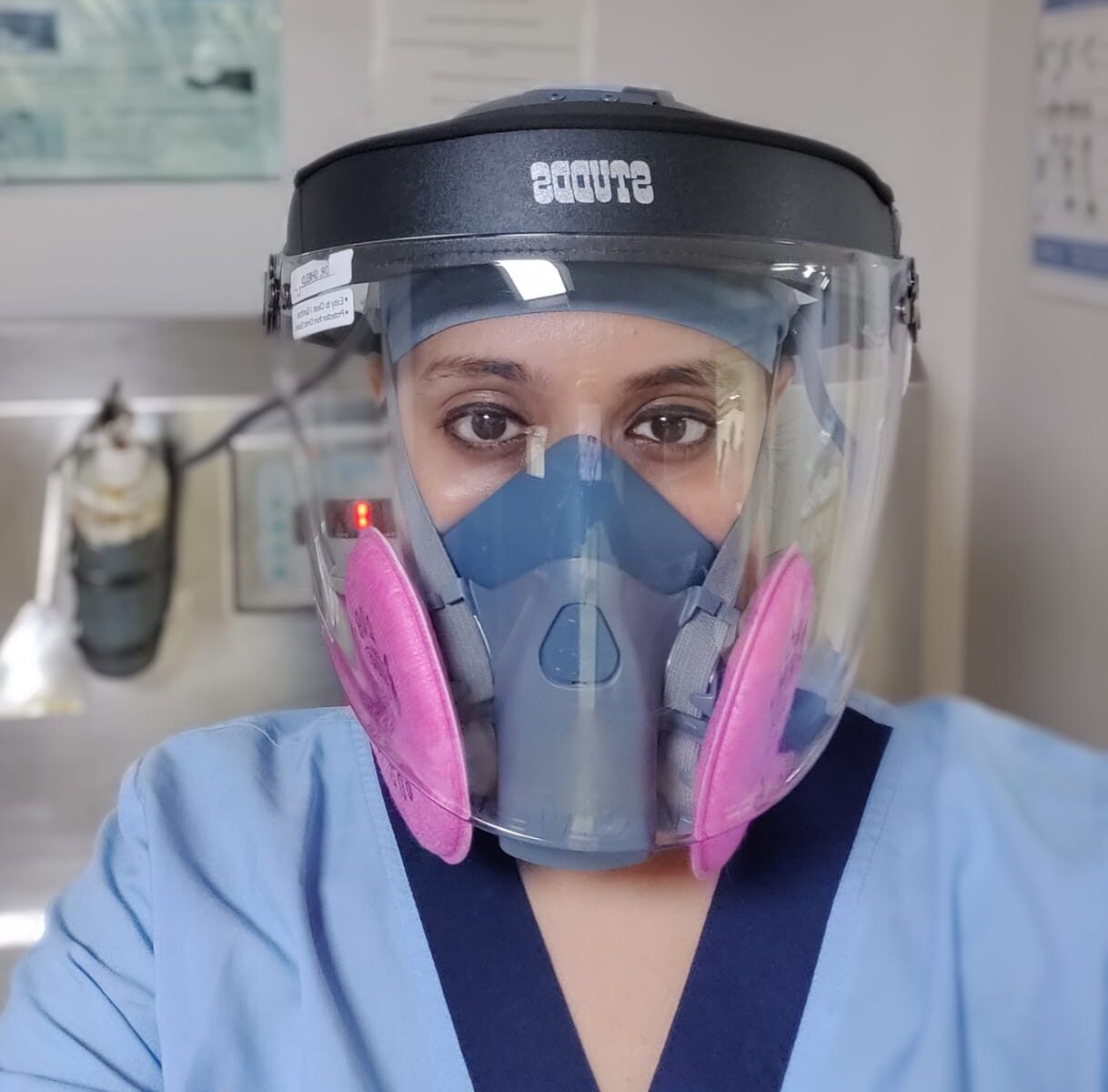
For this decision, it is strongly recommended that you contact your medical care provider (your midwife and/or obstetrician) for further guidance. If you are planning to visit the hospital, it is crucial to wear a respirator and practice social distancing. You should also ask the medical care workers at the hospital all the questions you may have pertaining to coronavirus.

At this time most hospitals have banned the entry of any visitors and the policy varies from hospital to hospital. So, it is important to call up and check the visitor policies beforehand, in case you don’t want to be stuck in the room all alone. It is important to have a clear plan for where you want to give birth and prepare accordingly.

Should visitors be allowed after mother and baby are back home?

It is strongly recommended to not allow visitors home, especially if you live in a containment zone. So, avoid meeting friends and extended family members, as of now. Here are certain precautions you must follow:

  1. Wash your hands before touching the newborn
  2. If someone at home is sick, keep the baby away and take all necessary precautions
  3. Make sure to clean the frequently touched objects, especially around the newborn.

Don’t Fret

Unlike the Severe acute respiratory syndrome or SARS pandemic of 2003-2004, which was also caused by a Coronavirus, pregnant mothers are not in the higher risk bracket from COVID-19. During the SARS outbreak, pregnant women had a fatality risk of 25 per cent compared to 10 per cent of the general population. This is mostly based on a report on 9 pregnant women from Wuhan, China, the epicenter of the COVID-19 outbreak, who had COVID-induced pneumonia. The report, published in the Lancet, said none of the women, who were in their third trimester, developed severe illness, and all their babies were born healthy and Corona virus free. The World Health Organization (WHO) published a report on February 28 of 147 pregnant women, of whom, 64 were confirmed to have coronavirus, 82 were suspected to have the virus and one showed no symptoms. According to the report, only 8% of these women developed a severe condition and only 1% fell critically ill.

Immunity Matters

This does not mean pregnant women can afford to be complacent as the immunity system tends to dip during pregnancy, making the women vulnerable to various infections and diseases, including COVID-19. So, ensure that the diet contains immunity boosting and iron rich food, including fruits, leafy vegetables and nuts. You should also continue to take all the vitamin supplements the doctor may have prescribed.

Avoid These

Apart from following the standard guidelines like avoiding crowds and sick people, frequently washing hands and not touching the face, doctors recommend scrupulously maintaining social distancing, avoiding public areas and wearing a mask whenever you are outdoors.

Be Prepared

Given the stress on the healthcare system, and the possibility of infections from hospitals, you should check whether your doctor or hospital offers tele-medicine facilities. Don’t visit the hospital unless it is absolutely necessary, or for critical checkups. Never go without a clear appointment. Always keep your records handy, and insist that the doctor mail you any advice or medicine prescribed, so that you don’t make mistakes. Make sure you inform your doctor/health provider if you have any symptoms like fever, respiratory symptoms or even diarrhea, or if you have been in contact with someone who has tested positive for COVID-19. Avoid over the counter medications to treat cough and cold.

Deliver With Care

Because of the corona restrictions, many hospitals do not allow more than one visitor during your delivery. So, ensure that your spouse or partner is prepared for that, and have a backup in place in case he cannot be present there. Explain this to other members of your family and friends so that they do not arrive at the hospital. After the delivery, make sure that you have a backup support to take care of you and the baby, particularly if the original support system involved elders of the family.

Dr. Ruchi Tandon is a Gynecologist practicing in leading hospitals in South Delhi namely Max Smart superspeciality hospital saket, Apollo hospitals, with over 13 years clinical experience in handling all kinds of pregnancies safely in covid 19 pandemic.

Lactation and breast care post pregnancy

Although breast development begins around puberty, development of mammary function is only completed in pregnancy. During the first half of pregnancy, the mammary ducts proliferate and group together to form large lobules. During the second half of pregnancy, secretory activity increases and the alveoli become distended by accumulating colostrum. After 16 weeks of pregnancy, lactation occurs even if the pregnancy does not progress.

The ability of the mammary gland to secrete milk during later pregnancy is called lactogenesis, stage 1. During this time, breast size increases and fat droplets accumulate in the secretory cells. The onset of copious milk secretions after birth is lactogenesis, stage 2, and usually occurs from day two or three to eight days postpartum. During this time, the milk goes through a maturation process to match the infant’s needs. Without the hormone prolactin, lactation would not occur.

During pregnancy, prolactin helps to increase breast mass but does not cause lactation because it is inhibited by the hormone progesterone, which is made by the placenta. The inhibiting influence of progesterone is so strong that lactation is delayed if any of the placenta is retained after birth. Prolactin levels rise and fall in direct proportion to the frequency, intensity, and duration of nipple stimulation from the infant’s suckling. During the first week after birth, prolactin levels in breastfeeding women fall about 50 percent. If a mother does not breastfeed, prolactin levels usually reach the levels of the nonpregnant state by seven days postpartum. After milk “comes in” or rapidly increases in volume, lactation is no longer driven by the hormone prolactin. It shifts control to a milk removal driven process, i.e., sucking stimulus. Thus, the initiation of lactation is not driven by breastfeeding, but breastfeeding is necessary for the continuation of lactation.

Colostrum is thick and creamy yellow as compared with mature milk, which is thin and bluish-white. Compared with mature milk, colostrum is richer in protein and minerals and lower in carbohydrates, fat, and some vitamins. The high concentration of total protein and minerals in colostrum gradually changes to meet the infant’s needs over the first two to three weeks until lactation is established. The key component in colostrum and breast milk is immunoglobulins or antibodies that serve to protect the infant against infections or viruses. Breast milk also facilitates the development of the infant’s own immune system to mature faster. As a result, breast-fed babies have fewer ear infections, diarrhoea, rashes, allergies, and other medical problems than bottle-fed babies. Human milk is rich in proteins, lipids, carbohydrates, vitamins, minerals, hormones, enzymes, growth factors, and many types of protective agents. It contains about 10 percent solids for energy and growth and the rest is water, which is essential to maintain hydration. This is also why a breastfed baby does not need additional water. Infants can digest breast milk much more rapidly than formula and, therefore, do not get constipated. On average, it takes about 30 minutes longer to digest formula as opposed to breast milk. Breastfed babies have better cheekbone development and better jaw alignment.

Besides the benefits of the contracting uterus, the process of producing milk burns calories, which helps the mother to lose excess weight gained during pregnancy. After all, that is why pregnant women put on extra fat during pregnancy—energy storage for milk production. Breastfeeding is also related to a lower risk of breast cancer and ovarian cancer. For every year of life spent breastfeeding, a woman’s risk of developing breast cancer drops by 4.3 percent and this is on top of the 7 percent reduction she enjoys for every baby to whom she gives birth.

Additionally, there is the convenience. Breast milk is always with the mother. Mothers do not have to store it. It is always at the right temperature. It is free. It does not require sterilization. In fact, it prevents diseases and has protective factors resulting in healthier babies and decreased healthcare costs. It saves money as there is no need to buy formula, bottles, and nipples.

Procedure

It is best to begin breastfeeding immediately after birth as it is an infant’s natural instinct to nurse then. Regardless of the baby’s initial suckling behavior, this interaction stimulates uterine contractions, promotes colonization of harmless bacteria on the nipple, and helps to protect the infant from pathogenic bacteria. It is an important time to nuzzle. Women breastfeed for a longer duration if feedings are started early. The first several feedings have an imprinting effect. It is recommended to continue feeding about every two to three hours. It is important to remember that all babies are different; some need to nurse almost constantly at first, while others can go much longer between feedings. There are babies and mothers who have no trouble breastfeeding, while others may need some assistance. Once the baby begins to suck, the mother makes sure that the entire dark area around the nipple (areola) is in the baby’s mouth. This helps stimulate milk flow and allows the baby to get enough milk. Nipple soreness can be a result of the infant not getting a good grasp of the entire areola. A newborn needs to be fed at least eight to 12 times in 24 hours. Since breast milk is so easily digested, a baby may be hungry again as soon as one and one-half hours after the last feeding.

Mothers need to be comfortable when nursing; therefore, loose, front-opening clothes and a good nursing bra are essential. They need to explore different positions for breastfeeding to determine what is best for them. The cradle hold works well in bed or sitting in a comfortable chair. The football hold is excellent if the woman had a cesarean section.

  • Common problems in breastfeeding mothers.
  • Engorgement: Breasts that are too full can prevent the baby from suckling because they cannot be grasped. Expressing milk manually or with a breast pump can alleviate this problem.
    Sore nipples: Transient soreness can occur during the first week postpartum and is usually temporary. Air drying the nipples and rubbing colostrum or breast milk into them provides relief. Prolonged, abnormal soreness lasts longer than a week postpartum. Discontinuing use of soap on breasts while bathing and applying purified lanolin to nipples and air drying them helps.
    Infection: Soreness and inflammation on the breast surface or a fever in the mother may be an indication of breast infection (mastitis). If it is just starting, the mother should drink lots of water and nurse frequently on the affected breast. Antibiotics may be necessary if the infection persists.

Lactation consultants work at almost every hospital where babies are delivered. First-time mothers can request the lactation consultant to visit her. The mother should make a note of the lactation consultant’s phone number should problems be encountered after mother and infant go home.

There are no rules about when to stop breastfeeding. A baby needs breast milk for at least the first year of life and it is preferred that no solid food be given for at least the first six months to prevent allergies. As long as a baby eats age-appropriate solid food, the mother may nurse for several years.

Dr.Ruchi Tandon, is a Gynecologist, practicing in leading hospitals in South Delhi, namely, max smart superspeciality hospital, saket, Apollo hospitals, with over 13 years experience in handling lactation and Pregnancy.

Ovarian cyst in the times of covid 19 pandemic

What are ovarian cysts?

The ovaries are part of the female reproductive system. They’re located in the lower abdomen on both sides of the uterus. Women have two ovaries that produce eggs as well as the hormones estrogen and progesterone.

Sometimes, a fluid-filled sac called a cyst will develop on one of the ovaries. Many women will develop at least one cyst during their lifetime. In most cases, cysts are painless and cause no symptoms.

Types of ovarian cysts

There are various types of ovarian cysts, such as dermoid cysts and endometrioma cysts. However, functional cysts are the most common type. The two types of functional cysts include follicle and corpus luteum cysts.

Follicle cyst

During a woman’s menstrual cycle, an egg grows in a sac called a follicle. This sac is located inside the ovaries. In most cases, this follicle or sac breaks open and releases an egg. But if the follicle doesn’t break open, the fluid inside the follicle can form a cyst on the ovary.

Corpus luteum cysts

Follicle sacs typically dissolve after releasing an egg. But if the sac doesn’t dissolve and the opening of the follicle seals, additional fluid can develop inside the sac, and this accumulation of fluid causes a corpus luteum cyst.

Other types of ovarian cysts include:

  • dermoid cysts: sac-like growths on the ovaries that can contain hair, fat, and other tissue
  • cystadenomas: noncancerous growths that can develop on the outer surface of the ovaries
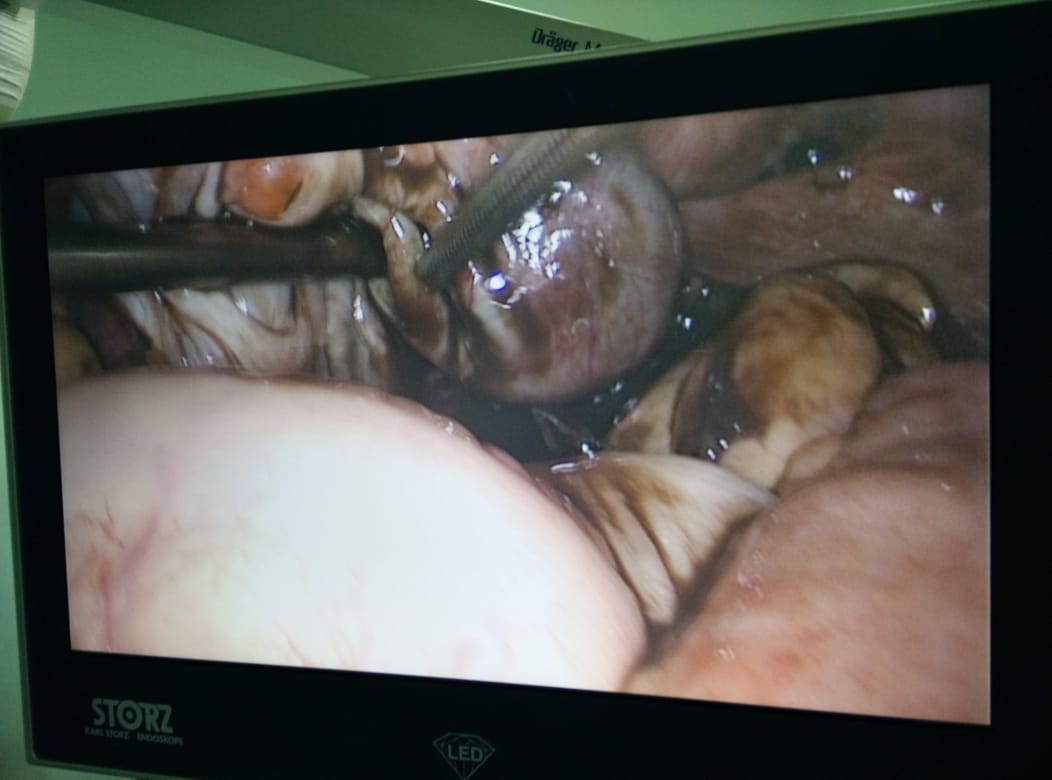
  • Endometriomas: tissues that normally grow inside the uterus can develop outside the uterus and attach to the ovaries, resulting in a cyst

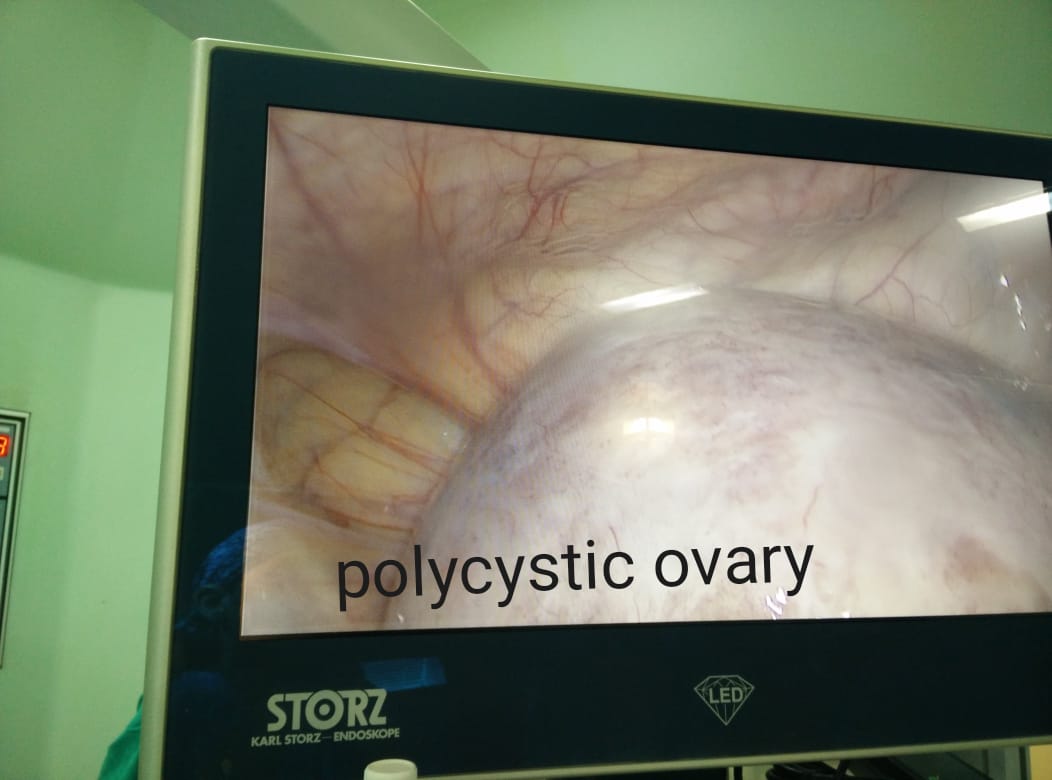
Some women develop a condition called polycystic ovarian syndrome. This condition means the ovaries contain a large number of small cysts. It can cause the ovaries to enlarge. If left untreated, polycystic ovaries can cause infertility.

Symptoms of an ovarian cyst

Often times, ovarian cysts do not cause any symptoms. However, symptoms can appear as the cyst grows. Symptoms may include:

  • Abdominal bloating or swelling
  • painful bowel movements
  • pelvic pain before or during the menstrual cycle
  • Painful intercourse
  • pain in the lower back or thighs
  • Breast tenderness
  • Nausea and vomiting

Severe symptoms of an ovarian cyst that require immediate medical attention include:

  • severe or sharp pelvic pain
  • Fever
  • Fainting or dizziness
  • Rapid breathing

These symptoms can indicate a ruptured cyst or an ovarian torsion. Both complications can have serious consequences if not treated early.

Ovarian cyst complications

Most ovarian cysts are benign and naturally go away on their own without treatment. These cysts cause little, if any, symptoms. But in a rare case, your doctor may detect a cancerous ovarian mass during a routine examination.

Ovarian torsion is another rare complication of ovarian cysts. This is when a large cyst causes an ovary to twist or move from its original position. Blood supply to the ovary is cut off, and if not treated, it can cause damage or death to the ovarian tissue. Although uncommon, ovarian torsion accounts for nearly 3 percent of emergency gynecologic surgeries.

Ruptured cysts, which are also rare, can cause intense pain and internal bleeding. This complication increases your risk of an infection and can be life-threatening if left untreated.

Diagnosing an ovarian cyst

Your Gynecologist can detect an ovarian cyst during a routine pelvic examination. They may notice swelling on one of your ovaries and order an ultrasound test to confirm the presence of a cyst. An ultrasound test (ultrasonography) is an imaging test that uses high-frequency sound waves to produce an image of your internal organs. Ultrasound tests help determine the size, location, shape, and composition (solid or fluid filled) of a cyst.

Imaging tools used to diagnose ovarian cysts include:

  • CT scan: a body imaging device used to create cross-sectional images of internal organs
  • MRI: a test that uses magnetic fields to produce in-depth images of internal organs
  • Ultrasound: an imaging device used to visualize the ovary

If there aren’t any changes in your condition or if the cyst increases in size, your doctor will request additional tests to determine other causes of your symptoms.

These include:

  • Pregnancy test to make sure you’re not pregnant
  • hormone level test to check for hormone-related issues, such as 
  • CA 125 to screen for ovarian cancer

In covid pandemic era, a complete assessment of ovarian cyst is done. Surgery is done only in cases of emergency and anticipated complications.

Dr. Ruchi Tandon is a Gynecologist practicing in leading hospitals in South Delhi , namely, max smart superspeciality hospital, saket, Apollo hospitals , with clinical experience of over 13 years.

Heavy and painful periods

Heavy flows and achy cramps can be common experiences when many women have their periods. Periods that prevent you from doing everyday activities aren’t normal.

Each woman’s menstrual flow and cycle are different. It may be hard to know if your period is normal, light, or heavy unless you talk with your doctor.

Women lose an average of 30-40 ml of blood during a period. Women with heavy bleeding may potentially lose up to 80 mL.

Women who do experience abnormally heavy menstrual bleeding may have a condition called menorrhagia.

This condition causes flows so heavy you need to change your tampon or pad every hour. You may also use more than six or seven tampons a day.

This condition can cause anemia and severe cramps. You may also pass blood clots larger than a quarter during your period.

Because measuring your total blood loss is impractical, the best way to know if your period is unusually heavy is to talk with your doctor.

What causes a heavy period?

Several conditions can cause heavy periods. These heavy periods may occur frequently, or they may be more sporadic.

There are several ideas you are able to follow. This can be a basic method which will allow you to immediately write a brief centered educational essay you might use to your own school prerequisites.

There are quite a few essay issues you have to avoid. Here again that is more or less the 2nd most critical point you ought to know about when you start to compose essays. Simply just just as in any essay you write https://papertyper.net/, you’re required to be sure that the intent behind your own essay is extremely apparent. For beginners, if you are needed to compose essays, first you will need to get organized.

The above are just a few of the issues which may be inquired in a admission essay. Classification composition needs to be reasoned by constantly recalling the primary point of your composition. It truly is critical to make sure that the composition is problem -free. Simply like many documents, it is important to examine and recognize the issue and be obvious what you’ve been inquired.

A period that’s suddenly very heavy one month
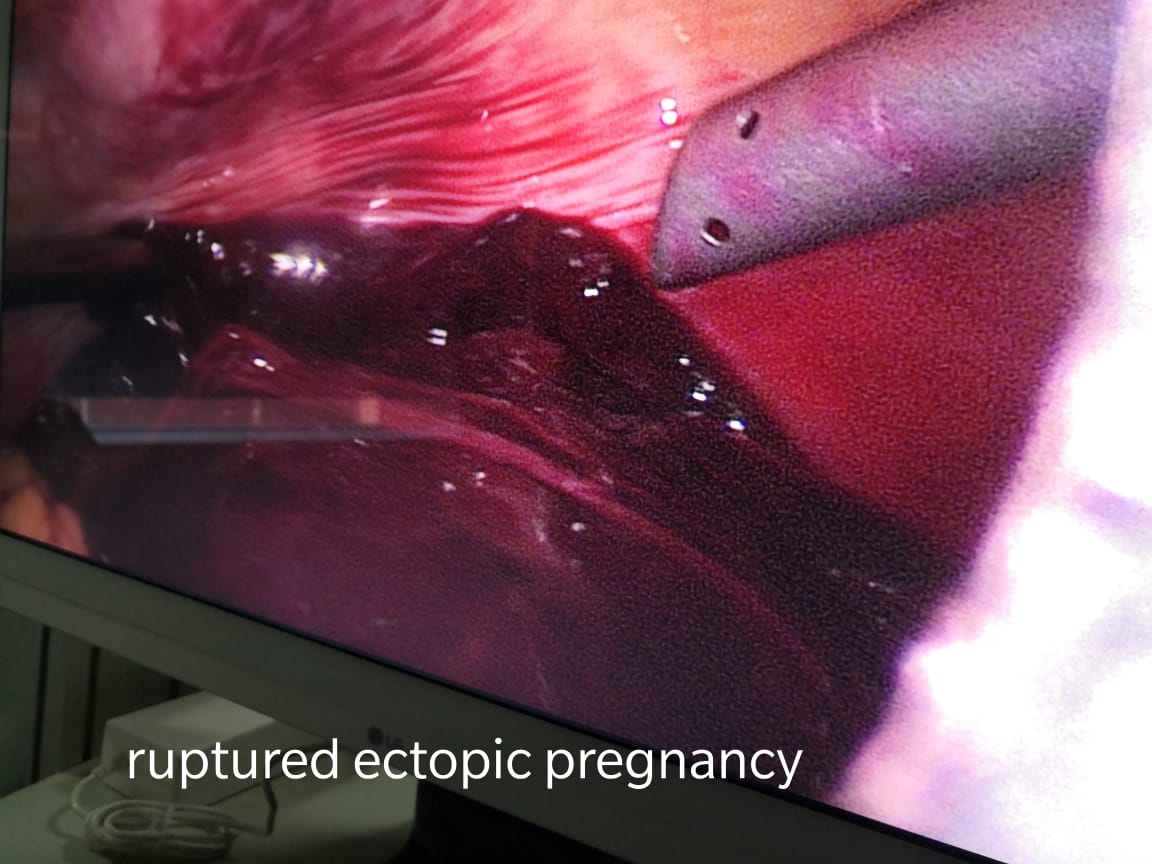
Ectopic pregnancy

The signs and symptoms of an ectopic pregnancy may be confused with a heavy menstrual period.

This type of pregnancy develops outside your uterus and isn’t sustainable. It can cause severe health issues, including heavy bleeding and severe cramping. Left untreated, an ectopic pregnancy is life threatening.

Miscarriage

During and surrounding a miscarriage, heavy bleeding is common and may be mistaken for a very heavy period.

Non-hormonal intrauterine device (IUD)

Heavy menstrual bleeding is a common side effect of a non-hormonal IUD. After a few months with your IUD, you may find that bleeding becomes less severe.

Medications

Blood thinners can lead to blood flow problems and heavier menstrual flow.

A period that’s heavy on the first day

Many women experience heavier bleeding on the first day of a period and lighter bleeding on the last days. A heavy flow that might get in the way of your normal activities is unusual.

Birth control changes

If you recently stopped using hormonal birth control, your periods may be very heavy in the first days as your cycle adjusts to the hormone changes.

Medication changes

Like birth control, medications you take may interfere with your cycle and lead to heavy bleeding on the first day of your period.

A recurring period that’s heavy and painful

If every period is heavy, painful, and difficult to work around, you may have underlying, long-term issues.

Hormone problem

Your body typically balances progesterone and estrogen, the two hormones that play the biggest roles in menstruation.

Too much estrogen, however, can lead to a thickened uterine lining. This can cause heavy bleeding as the lining is eliminated during your period.

An underactive thyroid gland (hypothyroidism) may also cause heavy or irregular menstrual bleeding

Bleeding disorder

Roughly 10-30% of women with heavy periods have a bleeding disorder, such as von Willebrand disease. These disorders can make it difficult to stop your bleeding.

Uterine polyps

These small growths on the lining of the uterus can make periods heavier.

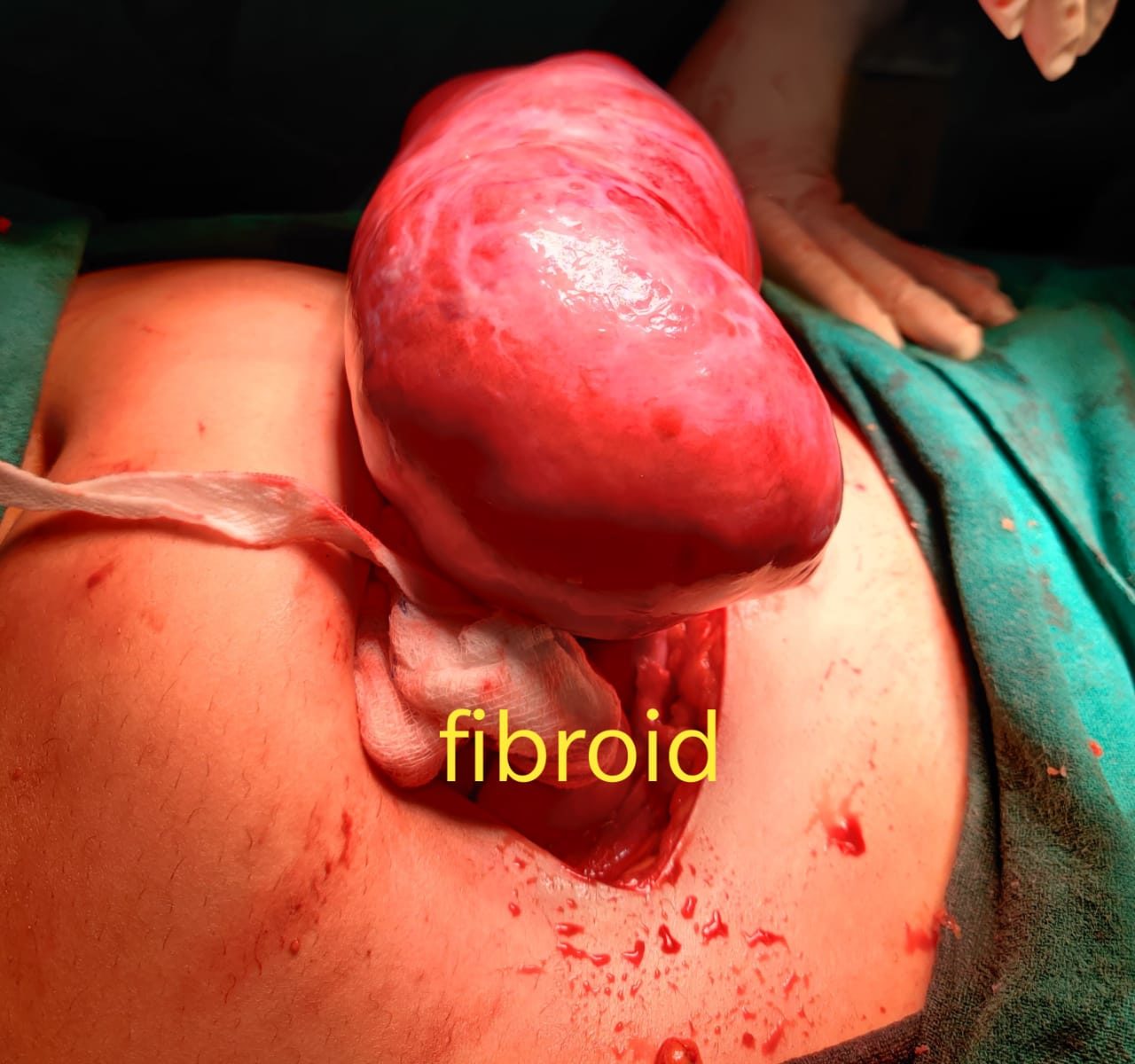
Uterine fibroids

Fibroids are noncancerous growths of the muscle tissue of the uterus. They can develop on the outside of the uterus, within the wall, or protrude into the cavity or some combination of these.

Certain cancers

Cancer in your uterus, cervix, and ovaries is rarely the sole cause of heavy bleeding, but a heavier period may be a symptom.

Perimenopause

During this transition before menopause, you may experience hormonal changes and unusually heavy bleeding during your period.

Childbirth recovery

After you have a baby, heavy periods aren’t uncommon. These changes may be permanent, or your period may return to a flow similar to what you had before getting pregnant.

Adenomyosis

Adenomyosis is a condition where endometrial tissue encroaches into the muscles of the uterus, causing thickening of the uterine wall and increased pain and bleeding.

Endometriosis

Endometriosis is a disorder in which tissue similar to your endometrial tissue grows outside of your uterine cavity. Symptoms include:

  • painful periods
  • lower back pain
  • heavy menstrual bleeding
When to see your Gynecologist?

If bleeding is so heavy that you must replace a pad or tampon every hour, talk with your doctor.

Likewise, if your period prevents you from doing normal activities because of pain, cramping, and heavy bleeding, it’s time to see your doctor.

During a visit, your doctor may:

  • conduct a physical exam
  • request your health history
  • request that your symptoms be recorded

They may also order a biopsy or imaging tests to look more closely at your uterus.

It’s difficult to know if your period is considered normal or heavy without your doctor’s help. They’ll be your guide in the process of figuring out if an underlying issue is the reason for your heavy periods.

Dr. Ruchi Tandon is a Gynecologist practicing in South Delhi, in leading hospitals, namely, Max Smart superspeciality hospital and Apollo hospitals. She has over 13 years of clinical experience in handling painful and heavy periods.

Exercises and physical activity for Pregnancy and normal delivery

Suitable activities during pregnancy are brisk walking, swimming, indoor stationary cycling, prenatal yoga, and low-impact aerobics, guided by a certified aerobics instructor.

Some special exercises can help prepare for labor.

These carry little risk of injury, they benefit the entire body, and they can continue until delivery.

  1. Brisk walking

If pre-pregnancy exercise levels were low, a quick stroll around the neighborhood is a good way to start.

This will provide a cardiovascular workout without too much impact on the knees and ankles. It can be done for free, almost anywhere, and at any time during pregnancy.

Safety tip: As pregnancy progresses, your center of gravity changes, and you can lose your sense of balance and coordination.

Choose smooth surfaces, avoid potholes, rocks, and other obstacles, and wear supportive footwear.

  1. Swimming

Swimming and exercising in water give a better range of motion without putting pressure on the joints. The buoyancy offered by the water may offer some relief from the extra weight.

Swimming, walking in water, and aqua aerobics offer health benefits throughout pregnancy.

Safety tip: Choose stroke feels comfortable, and that does not strain or hurt your neck, shoulders, or back muscles, for example, breaststroke. A kickboard can help strengthen the leg and buttock muscles.

Safety tips:

  • Use the railing for balance when entering the water, to prevent slipping.
  • Avoid diving or jumping, as this could impact the abdomen.
  • Avoid warm pools, steam rooms, hot tubs, and saunas, to minimize the risk of overheating.
  1. Stationary cycling

Cycling on a stationary bike, also called spinning, is normally safe even for first-time exercisers. It helps raise the heart rate without putting too much stress on the joints.

The bike helps support body weight, and, because it is stationary, the risk of falling is low.

Later in pregnancy, a higher handlebar may be more comfortable.

  1. Yoga

Prenatal yoga classes keep the joints limber and help maintain flexibility.

Yoga strengthens muscles, stimulates blood circulation, and enhances relaxation. These may contribute to a healthy blood pressure during pregnancy.

The techniques learnt in yoga class can also help you to stay calm and in control during labor.

Safety tip: As pregnancy progresses, skip positions that could cause you to overbalance.

From the second semester, it is better to avoid poses that involve lying on the abdomen or flat on the back.

Lying on the back can cause the weight of the fetus and the uterus to put pressure on major veins and arteries and decrease blood flow to the heart.

It can be tempting to overstretch, as the hormone relaxin increases flexibility and joint mobility during pregnancy. Overstretching could lead to injury.

  1. Low-impact aerobics

Aerobic exercise strengthens the heart and lungs and helps maintain muscle tone. Low-impact aerobics excludes jumping, high kicks, leaps, or fast running.

In low-impact exercise, one foot should stay on the ground at all times.

Compared with high-impact aerobics, the low-impact option:

  • limits stress on the joints
  • helps maintain balance
  • reduces the risk of weakening the pelvic floor muscles

A weak pelvic floor increases the chances of urine leakage.

Some aerobics classes are designed especially for pregnant women. This can be a good way to meet other pregnant women, as well as exercising with an instructor who is trained to meet your specific needs.

Women who already attend a regular aerobics class should let the instructor know that they are pregnant so they can modify exercises and advise about suitable movements.

  1. Preparing for labor: Squatting and pelvic tilts

Brisk walking instead of jogging can reduce pressure on the lower back.

The American Pregnancy Association recommends some exercises specifically for pregnancy, as they prepare the body for labor and delivery.

Squatting: During labor, squatting may help to open the pelvis, so it may be a good idea to practice during pregnancy.

  • Stand with the feet flat on the floor, shoulder-width apart, and the back straight.
  • Lower yourself slowly, keeping your feet flat and your knees no further forward than your feet.
  • Hold for 10 to 30 seconds, then slowly push up.

Pelvic tilts: These can strengthen the abdominal muscles and help reduce back pain.

  1. Go down on the hands and knees.
  2. Tilt the hips forward and pull the abdomen in, arching the back.
  3. Hold for a few seconds.
  4. Release, and let the back drop.
  5. Repeat this up to 10 times.

Dr.Ruchi Tandon is a Gynecologist and Obstetrician , with over 13 years of clinical experience in handling pregnancies and normal deliveries. She is practicing in Max Smart superspeciality hospital, saket and Apollo hospitals, Delhi.

How To Deal With Pregnancy In The Time Of Coronavirus

Unlike the Severe acute respiratory syndrome or SARS pandemic of 2003-2004, which was also caused by a Corona virus, pregnant mothers are not in the higher risk bracket from COVID-19.

Stressful, even during normal times, pregnancy can be deeply disturbing during a pandemic induced lockdown. Even more so if you or someone close to you has tested positive for the coronavirus.  Here’s a few do’s and don’ts for expectant mothers during these troubled times, based on what we know so far about the virus.

Don’t Fret

Unlike the Severe acute respiratory syndrome or SARS pandemic of 2003-2004, which was also caused by a Corona virus, pregnant mothers are not in the higher risk bracket from COVID-19. During the SARS outbreak, pregnant women had a fatality risk of 25 per cent compared to 10 per cent of the general population. This is mostly based on a report on 9 pregnant women from Wuhan, China, the epicenter of the COVID-19 outbreak, who had COVID-induced pneumonia. The report, published in the Lancet, said none of the women, who were in their third trimester, developed severe illness, and all their babies were born healthy and Corona virus free. The World Health Organization (WHO) published a report on February 28 of 147 pregnant women, of whom, 64 were confirmed to have coronavirus, 82 were suspected to have the virus and one showed no symptoms. According to the report, only 8% of these women developed a severe condition and only 1% fell critically ill.

Immunity Matters

This does not mean pregnant women can afford to be complacent as the immunity system tends to dip during pregnancy, making the women vulnerable to various infections and diseases, including COVID-19. So, ensure that the diet contains immunity boosting and iron rich food, including fruits, leafy vegetables and nuts. You should also continue to take all the vitamin supplements the doctor may have prescribed.

Avoid These

Apart from following the standard guidelines like avoiding crowds and sick people, frequently washing hands and not touching the face, doctors recommend scrupulously maintaining social distancing, avoiding public areas and wearing a mask whenever you are outdoors.

Be Prepared

Given the stress on the healthcare system, and the possibility of infections from hospitals, you should check whether your doctor or hospital offers tele-medicine facilities. Don’t visit the hospital unless it is absolutely necessary, or for critical checkups. Never go without a clear appointment. Always keep your records handy, and insist that the doctor mail you any advice or medicine prescribed, so that you don’t make mistakes. Make sure you inform your doctor/health provider if you have any symptoms like fever, respiratory symptoms or even diarrhea, or if you have been in contact with someone who has tested positive for COVID-19. Avoid over the counter medications to treat cough and cold.

Deliver With Care

Because of the corona restrictions, many hospitals do not allow more than one visitor during your delivery. So, ensure that your spouse or partner is prepared for that, and have a backup in place in case he cannot be present there. Explain this to other members of your family and friends so that they do not arrive at the hospital. After the delivery, make sure that you have a backup support to take care of you and the baby, particularly if the original support system involved elders of the family.

What If You Test Positive?

If you have tested positive for COVID-19 during your pregnancy or just before delivery, don’t worry. Initial studies indicate that the virus does not transmit to uterus, or through breastmilk. However, it is important to ensure that the newborn does not get infected through contact with someone who has tested positive for the disease. In that case, doctors will usually isolate the baby, which will be looked after by healthy caregivers in protective gear. This can be traumatic, so be prepared for it. Your partner might be allowed to spend time with the child if he tests negative. If you want to give milk to your child using a breast pump, do ensure proper hygiene, and wear a mask while using the pump. Direct breastfeeding might be allowed if the infected mother wears a mask, but do you really want to take the risk?

Dr. Ruchi Tandon is a Gynecologist with over 13 years experience in handling pregnancies and is currently practicing in Max smart superspeciality hospital , Saket and Apollo Cradle Royale , Nehru place, both in South Delhi.

PCOD- irregular periods and other things

What Is PCOS?

Polycystic ovarian syndrome, or PCOS, is a hormonal condition that women can get during their childbearing years. It can affect your ability to have a child . It can also:

  • Stop your periods or make them hard to predict
  • Cause acne and unwanted body and facial hair
  • Raise your risk of other health problems, including diabetes and high blood pressure

You can get treatments for the symptoms. And you could be able to get pregnant, although you may need to take medicines to improve your fertility.

So what are polycystic ovaries?

Polycystic ovaries are slightly larger than normal ovaries that have twice the number of follicles (fluid-filled spaces within the ovary that release the eggs when you ovulate).

However, having polycystic ovaries need not necessarily mean that you have polycystic ovarian disease (also called poly cystic ovarian syndrome). But if there are two or more following symptoms present, it can be PCOD.

Irregular, infrequent periods or no periods at all

An increase in facial or body hair and/or blood tests that show higher testosterone levels than normal

Ultrasounds scan that shows polycystic ovaries.

How does PCOD affect you?

PCOD is a condition that can affect your periods, fertility, hormones and appearance. It can also affect your overall health across time. It is estimated that this disease affects 2 – 26 among 100 women.

What are the usual symptoms?

Irregular/no periods

Excess hair growth on the face, chest, abdomen, or upper thighs – a condition called hirsutism

Loss of hair on head

Becoming overweight – experiencing a rapid increase in weight/ having difficulty in losing weight

Oily skin and acne

Reduced fertility – difficulty getting pregnant

Patches of thickened, velvety, darkened skin (acanthosis nigricans)

Depression and psychological problems

What are the causes of PCOD?

Though the exact cause of PCOD is unknown, it is often hereditary. Most of the PCOD symptoms presented are due to abnormal/ change in hormonal levels. Though Testosterone is considered a male hormone, it is also produced in small amounts by ovaries, in all women. Women with PCOD have elevated levels of testosterone, which causes most of the symptoms.

Abnormal levels of androgens can prevent the ovaries from releasing an egg every month (ovulation), cause the unwanted hair growth and acne.

Those with PCOD may not respond to insulin –the hormone that controls blood glucose levels. High levels of insulin can lead to weight gain, irregular periods, fertility issues and also elevate levels of testosterone.

What are the long-term health risks of PCOD?

PCOD not only affects the reproductive system, but the entire body.

It increases the of serious health conditions including heart ailments, diabetes and hypertension.

The risk of developing diabetes is higher if one is:

Over 40 years of age

Have family history of diabetes

Developed diabetes during pregnancy (gestational diabetes)

Is obese (a body mass index (BMI) of over 30)

Another condition that is associated with PCOS is metabolic syndrome, which leads to both diabetes and heart diseases.

Besides, if the number of periods is less than a year, the lining of the womb (endometrium) can thicken too much, leading to a condition called endometrial hyperplasia. This condition can subsequently lead to endometrial cancer or cancer of uterine lining. However, PCOD does not increase the chances of breast or ovarian cancer.

What are the treatment options for PCOD?

There is no cure for PCOD. However, it can be managed very efficiently with positive changes lifestyle and medicine, if required.

Many women with PCOD manage symptoms and long-term health risks without medical intervention, by adopting a healthy diet, exercising regularly and maintaining a healthy lifestyle.

Treatment for PCOD is personalised as symptoms and health problems, vary. Special treatment is given in case the patient wants to have a baby.

For overweight women, losing weight itself can help regulate the menstrual cycle. Even a loss of 5- 10 kg can be helpful in making menstrual periods regular. Weight loss can also improve cholesterol and insulin levels and relieve symptoms such as excess hair growth and acne.

Combined hormonal – birth control pills can be used for long-term treatment in women with PCOD (in those who do not wish to become pregnant). These pills regulate the menstrual cycle and reduce symptoms like hirsutism and acne by decreasing the androgen levels. They also decrease the risk of endometrial cancer.

Insulin-sensitizing drugs used to treat diabetes are used in the treatment of PCOD. These drugs help the body respond to insulin and decrease the androgen levels, which in turn improves ovulation. Restoring ovulation helps make menstrual periods regular and more predictable.

There are various ways to protect the lining of the womb using the hormone progestogen. This can be a five-day course of progestogen tablets (every three or four months)/ taking a contraceptive pill/ using the intrauterine contraceptive system (Mirena).

What can be done to increase the chances of pregnancy in women with PCOD?

Successful ovulation is the first step toward pregnancy. For overweight women, this can be achieved through weight loss. Medications can also be used to induce ovulation. Surgery on the ovaries can be opted for only medical management does not work. Such procedures are performed only if there is no other option.

How can long-term health risks of PCOD be managed?

Lead a healthy lifestyle

Change to healthy balanced diet: include fruits, vegetables, whole grain products, lean meat, fish and fibre. Avoid high sugar, high fat foods and alcoholic drinks.

Eat meals on time, especially breakfast.

Exercise regularly for at least 30 minutes a day – brisk walking is the best and easiest option.

Losing weight helps:

Manage insulin resistance/ developing diabetes

Lowers risk of heart problems

Lowers risk of uterine cancer

Regularises periods

Reduces acne

Decrease in excess hair growth

Improved mood and self-esteem

Do regular health checks

Women with PCOD and over the age of 40 should do regular blood sugar tests.

Women with PCOD and over the age of 40 should do regular blood sugar tests.

If you have had no periods/ have irregular bleeding, see a doctor immediately for uterine disorder/ cancer assessment.

Dr.Ruchi Tandon, is a Gynecologist doctor, practicing in leading hospitals in South Delhi, namely, Max Smart superspeciality hospital , saket , Apollo hospitals . She has over 13 years clinical experience in PCOD, irregular periods and other hormonal issues.

Ectopic pregnancy (tubal pregnancy) -the facts!

What is ectopic pregnancy?

From fertilization to delivery, pregnancy occurs after a number of steps in a woman’s body. One of these steps is when a fertilized egg travels to the uterus to attach itself. In the case of an ectopic pregnancy, the fertilized egg doesn’t attach to the uterus. Instead, it may attach to the fallopian tube, abdominal cavity, or cervix.

While a pregnancy test may reveal a woman is pregnant, a fertilized egg can’t properly grow anywhere other than the uterus. Ectopic pregnancies occur in about 1 out of every 50 pregnancies (20 out of 1,000).

An untreated ectopic pregnancy can be a medical emergency. Prompt treatment reduces your risk of complications from the ectopic pregnancy, increases your chances for future, healthy pregnancies, and reduces future health complications.

An ectopic pregnancy can’t proceed normally. The fertilized egg can’t survive, and the growing tissue may cause life-threatening bleeding, if left untreated.

What causes an ectopic pregnancy?

The cause of an ectopic pregnancy isn’t always clear. In some cases, the following conditions have been linked with an ectopic pregnancy:

  • inflammation and scarring of the fallopian tubes from a previous medical condition, infection, or surgery
  • hormonal factors
  • genetic abnormalities
  • birth defects
  • medical conditions that affect the shape and condition of the fallopian tubes and reproductive organs

Your Gynecologist may be able to give you more specific information about your condition.

Who is at risk for an ectopic pregnancy?

All sexually active women are at some risk for an ectopic pregnancy. Risk factors increase with any of the following:

  • maternal age of 35 years or older
  • history of pelvic surgery, abdominal surgery, or multiple abortions
  • history of pelvic inflammatory diseases 
  • history of endometriosis
  • conception occurred despite tubal ligation or intrauterine devices
  • conception aided by fertility drugs or procedures
  • Smoking
  • history of ectopic pregnancy
  • history of sexually transmitted diseases 
  • having structural abnormalities in the fallopian tubes that make it hard for the egg to travel

If you have any of the above risk factors, talk to your doctor. You can work with your Gynecologist or a fertility specialist to minimize the risks for future ectopic pregnancies.

What are the symptoms of an ectopic pregnancy?

Nausea and breast soreness are common symptoms in both ectopic and uterine pregnancies. The following symptoms are more common in an ectopic pregnancy and can indicate a medical emergency:

  • sharp waves of pain in the abdomen, pelvis, shoulder, or neck
  • severe pain that occurs on one side of the abdomen
  • light to heavy vaginal bleeding or spotting
  • dizziness or fainting
  • rectal pressure

You should contact your doctor or seek immediate treatment if you know that you’re pregnant and have any of these symptoms.

Diagnosing an ectopic pregnancy

If you suspect you may have an ectopic pregnancy, see your doctor immediately. Ectopic pregnancies can’t be diagnosed from a physical exam. However, your doctor may still perform one to rule out other factors.

Another step to diagnosis is a transvaginal ultrasound. This involves inserting a special wand-like instrument into your vagina so that your doctor can see if a gestational sac is in the uterus.

Your doctor may also use a blood test to determine your levels of hCG and progesterone. These are hormones that are present during pregnancy. If these hormone levels start to decrease or stay the same over the course of a few days and a gestational sac isn’t present in an ultrasound, the pregnancy is likely ectopic.

If you’re having severe symptoms, such as significant pain or bleeding, there may not be enough time to complete all these steps. The fallopian tube could rupture in extreme cases, causing severe internal bleeding. Your doctor will then perform an emergency surgery to provide immediate treatment.

Dr. Ruchi Tandon is a specialist Gynecologist , with over 13 years of clinical experience and is practicing in leading hospitals in South Delhi, namely, Max smart superspeciality hospital, saket, Apollo cradle Royale, nehru place. She has dealt with the management of thousands of ectopic pregnancies.

Pregnancy after IVF treatment

Many infertile couples need treatment in different forms including Assisted Reproductive Techniques. In Vitro Fertilization and Embryo Transfer is the most advanced method of infertility treatment. Management of these pregnancies is difficult as the couples and treating doctors have undue concern and apprehension and worry about outcome of such pregnancies.

IVF Pregnancy Test

When can you take a pregnancy test during an IVF treatment cycle? Your doctor will likely schedule a blood test 10 to 14 days after the egg retrieval. The blood test will detect and measure the hormone beta hcg.

You should not take a urine pregnancy test during IVF treatment. Taking multiple early pregnancy tests is a bad habit many fertility-challenged women struggle with, and it’s one you should try your best to resist if you’re getting fertility treatments. The reason is that one of the fertility drugs used is the hormone hcg. If you take a pregnancy test the day after receiving this injection, you may get a positive pregnancy test, not because you’re pregnant, but because the test is picking up the hormones from the fertility treatment.

Continued Progesterone Support

Treatment isn’t over the moment you get a positive pregnancy test result. Your doctor may keep you on progesterone hormone support. How long he will continue progesterone treatment will be dependent on your particular situation.

If you’re taking progesterone in oil through injections, you may be able to switch to vaginal suppositories or gel. Ask your Gynecologist about your options.

Continued Blood Tests for Monitoring

Your fertility doctor will also likely continue to check your hormone levels for at least a few weeks following a positive pregnancy test. There are a few reasons for this:

  • to look for rising hcg hormone levels (pregnancy hormones), in order to ensure the pregnancy is healthy and to look out for very high levels (which may indicate a multiple pregnancy)
  • to monitor estrogen levels, especially if symptoms of ovarian hyperstimulation syndrome (OHSS) are present
  • to monitor progesterone levels

Getting Good News: Feeling Excited- But Also Scared

You’ve most likely been trying to get pregnant for years. You may have even gone through many cycles of fertility treatments. Finally, you’ve achieved a pregnancy. You’re likely really excited and happy. But you may also feel anxious. You may even wonder if it’s all really happening. If you have friends who are still trying to get pregnant, you may experience some emotional guilt. All of this is completely normal.

Feeling nervous and not too hopeful about the pregnancy is understandable. If you’ve experienced miscarriages in the past, this is especially true. Don’t feel guilty for feeling the way you do. Do try to find someone, whether a friend or a therapist, to talk to about your feelings. It will help.

Women who have experienced infertility are at-risk for developing pregnancy and post partum depression. The sooner you talk to someone, the more likely it is you’ll feel better.

Feeling Unsure of When to Tell People

This is a big moment! However, you may or may not be ready to share the news with the world.

If you’ve shared your treatment progress with friends and family, especially if you’ve shared details of this particular cycle, you may be expected to tell them sooner than later. If they knew when you had your embryo transfer, they are naturally going to want to know if the cycle worked!

However, for those who weren’t in the loop, you can choose to wait.

When should you tell? When you see your hCG doubling? After ultrasound confirmation? After you see the heartbeat? After the first trimester? It’s entirely up to you. There is no right or wrong answer.

Pregnancy Risks After IVF

Pregnancy after IVF conception is associated with some increased risks and complications. These risks don’t seem to be directly caused by the use of fertility treatment. Instead, they are more likely associated with the original reason IVF was needed in the first place—infertility or advanced age.

Some pregnancy risks and complications that are higher after IVF conception include…

  • Pregnancy induced hypertension
  • Gestational diabetes
  • Preeclampsia
  • Abnormal bleeding
  • Intrauterine growth restriction
  • Premature labour (even with a singleton pregnancy)
  • Congenital defects

Pregnancy after IVF is also more likely to require induction of labor and have a higher risk of cesarean birth.

Prenatal care is always important, but it’s especially important after IVF to hopefully catch these complications early and treat (or prevent) them as soon as possible.

Release to a Regular Obstetrician

Usually, an IVF pregnancy is handled by a regular obstetrician (OB) and not a high-risk obstetrician. Your fertility doctor will transfer you over to the regular OB at about the 8-week mark.

You may be excited to see a “regular” doctor—finally! You may also feel nervous. It can be quite a shock to go from the intense monitoring of IVF to the more laid back, once-a-month visits of a regular OB/GYN. Don’t hesitate to talk to your doctor.

Dr. Ruchi Tandon, specialises in infertility conceived and IVF pregnancies. She has over 13 years experience in handling pregnancies in leading South Delhi hospitals, including Max smart superspeciality hospital, saket and Apollo cradle Royale, nehru place.

First trimester in your first time pregnancy- what to expect

You have just gotten the big news!  You are pregnant! The feeling when you get confirmation from your Gynecologist doctor, is amazing! Having a child is the most precious, amazing and scariest thing ever!

Don’t worry though, I know it seems as if there is so much to do before the baby comes and there is, but relax, it’ll be okay and you’ll have help to get these things taken care of.  Here are some tips for you for first time pregnancy. These will help you get through your first time being pregnant with little worrying. Let’s face it, we’re women and we worry but don’t get so worked up, it will upset the baby. Good luck and congratulations.

Take Care of yourself during your pregnancy

The basic premise here is to be healthy and stay healthy for you and your baby.  Don’t smoke or be around second hand smoking or be around heavy smokers. You should not drink either.  You should sleep and rest as much as possible because you will NEED it! If you’re not, start taking prenatal vitamins, with folic acid.  When you buy these, always make sure they contain folic acid. It is vital to your pregnancy. Taking care of yourself will ensure that you have a healthy baby growing inside of you.  Your baby’s neural cord turns into the brain and spinal cord, developing in the 1st month you’re pregnant. Therefore, essential vitamins and minerals are very important from day one.

Exercise

If you don’t know this, it is very important that you exercise in some way to help with stress, weight control, help your circulation, keep your mood stable and you’ll sleep better if you exercise.  You should take a walk for at least 15-20 minutes each day. Swimming is a really good exercise when you are pregnant, especially if it’s summer time! Try to get at least 30 minutes of exercise a day.

Get to know more about your baby

Educate yourself and learn about what was going on with your body.  Learn the pains and what happens each week as your baby grows inside. If you read up on the baby, it will get you thinking about certain questions to ask your doctor.  Also, find out your family history, you’re going to need to know everything about everyone.

Keep track of your weight gains

During your pregnancy, it’s okay to gain weight, you’re eating for two, however, gaining too much weight can be unhealthy for you.  Also, you’ll have a hard time losing the weight if you gain too much. If you don’t gain enough weight, your baby’s birth weight and health could be in jeopardy.  This is what Gynecologist doctors recommend that you gain for your pregnancy:

  • Underweight: Gain 28-40 Pounds
  • Normal Weight: Gain 25-35 Pounds
  • OverWeight: Gain: 15-25 Pounds
  • Obese: Gain 11-20 Pounds

Eating Healthy will pay off! Trust me!

You definitely should drink about 8-10 glasses of water a day.  My doctor told me that I should eat about five or six well-balanced meals each day. When you eat, you need to make sure that you are eating foods that are folate-rich.  These foods include: cereals, lentils, oranges, orange juice and asparagus. Again, folic acid is extremely important in the development of your baby’s neural tube. Folic Acid also is vital for red blood cells to be created.  Natural sugars in bananas and apples can lift your energy levels, which is close to a cup of coffee.

Nausea with or without vomiting

Morning sickness or nausea, which can strike at any time of the day or night, is one of the classic symptoms of pregnancy. For some women, the queasiness begins as early as two weeks after conception. Nausea seems to stem at least in part from rapidly rising levels of estrogen, which causes the stomach to empty more slowly. Pregnant women also have a heightened sense of smell, so various odors – such as foods cooking, perfume or cigarette smoke – may cause waves of nausea in early pregnancy. There are some hints and tips to help combat the effects of morning sickness.

It’s important to take care of your baby, even before he or she is born. You can do this by living a healthy lifestyle and keeping doctor’s appointments while you’re pregnant. This is called prenatal care. You’re more likely to have a healthy birth if you maintain a healthy pregnancy.

Path to improved health

Schedule an appointment with your Gynecologist doctor as soon as you find out you’re pregnant. Your doctor will start by reviewing your medical history. He or she also will want to know about your symptoms. During this first appointment, urine and blood samples will be taken. (These will also be taken again on later visits.) Urine tests check for bacteria, high sugar levels (which can be a sign of diabetes), and high protein levels (which can be a sign for preeclampsia, a type of high blood pressure during pregnancy). Blood tests check for blood cell count, blood type, low iron levels (anemia) and infectious diseases (such as syphilis, HIV, and hepatitis).

The doctor also may do other tests at your first visit. These may vary based on your background and risk for problems. Tests can include:

  • A pelvic exam to check the size and shape of your uterus (womb).
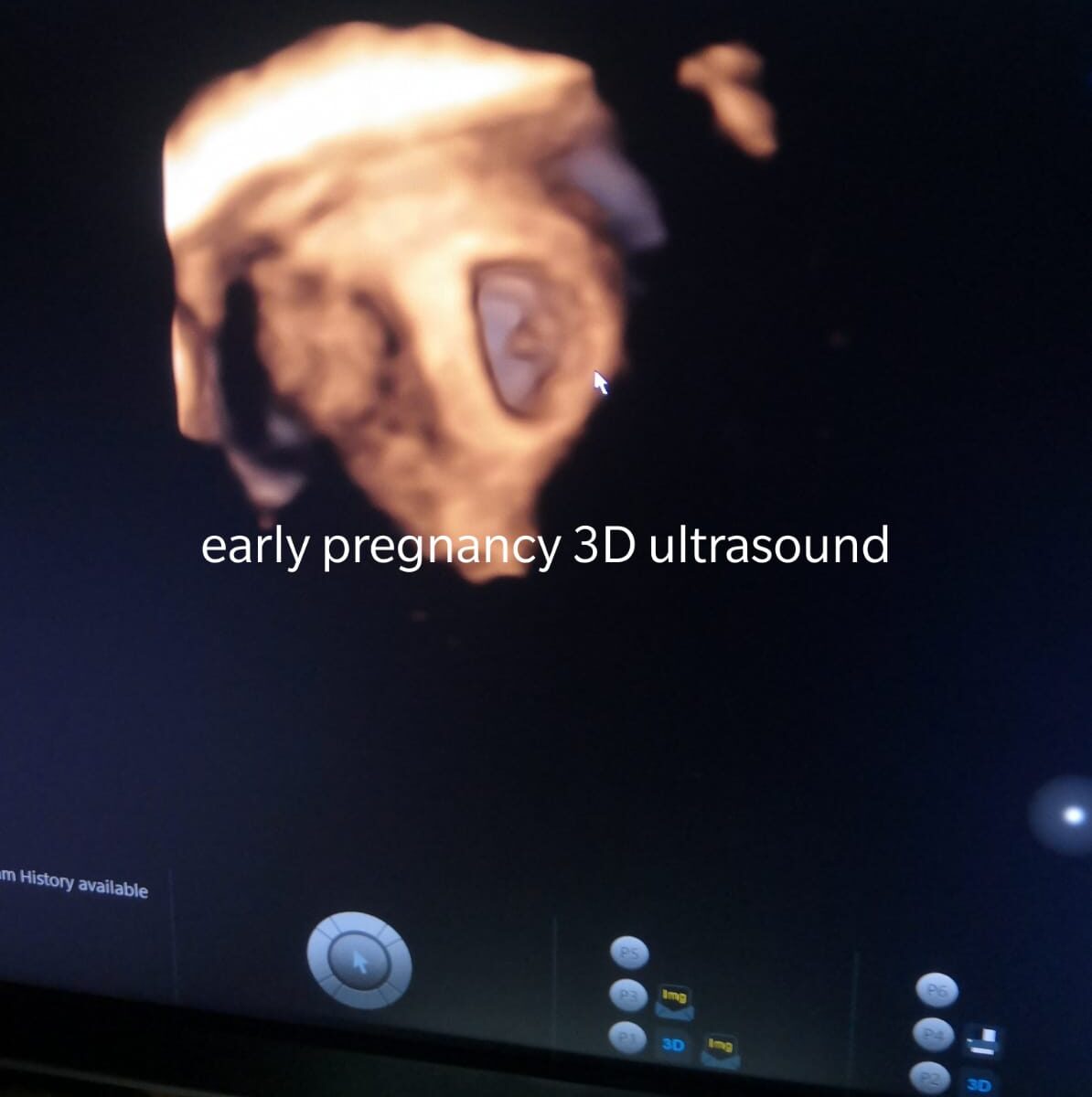
  • An ultrasound to view your baby’s growth and position. An ultrasound uses sound waves to create an image of your baby on a video screen.

After your first visit, you will have a prenatal visit every 4 weeks. In months 7 and 8, you will have a visit every 2 weeks. In your last month of pregnancy, the visits will occur weekly until you deliver your baby. At each visit, the doctor will check your weight and blood pressure and test your urine. The doctor will listen to your baby’s heartbeat and measure the height of your uterus after the 20th week. You should always discuss any issues or concerns you have with your doctor.

Here are some other guidelines to follow during your pregnancy.

How much weight should I gain during pregnancy?

Talk to your doctor about this. It’s different for everyone, but most women should gain about 25 to 30 pounds. If you’re underweight when you get pregnant, you may need to gain more. If you are overweight, you may need to gain less.

What should I eat?

Eating a balanced diet is one of the best things you can do for yourself and your baby. Be careful of the following foods and drinks during pregnancy.

  • Raw meat, eggs and fish. Food that isn’t fully cooked can put you at risk for food poisoning. Don’t eat more than 2 or 3 servings of fish per week (including canned fish). Don’t eat shark, swordfish, king mackerel, or tilefish. These fish have high levels of mercury, which can harm your baby. If you eat tuna, make sure it’s light tuna. Don’t eat more than 6 ounces of albacore tuna and tuna steaks per week. It’s safe to have 12 ounces of canned light tuna per week.
  • Fruit and vegetables. Wash all produce before eating it. Keep cutting boards and dishes clean.
  • Eat 4 or more servings of dairy each day. This will give you enough calcium for you and your baby. Don’t drink unpasteurized milk or eat unpasteurized milk products. These may have bacteria that can cause infections. This includes soft cheeses such as Brie, feta, Camembert, and blue cheese, or Mexican-style cheeses, such as queso fresco.
  • Sugar substitutes. Some artificial sweeteners are okay in moderation. These include aspartame (brand names: Equal or NutraSweet) and sucralose (brand name: Splenda). However, if you have phenylketonuria (PKU), avoid aspartame.
  • Don’t drink more than 1 or 2 cups of coffee or other drinks with caffeine each day.

Can I take medicine?

Check with your doctor before taking any medicine. This includes prescriptions, pain relievers, and over-the-counter medicines. Some medicines can cause birth defects, especially if taken during the first 3 months of pregnancy.

Dr.Ruchi Tandon is a Gynecologist practicing in leading hospitals in South Delhi, with over 13 years of clinical experience. At present she is practicing in Max Smart super specialty hospital, Saket, Apollo cradle Royale, Nehru place and her clinic in Greater Kailash part 2, Delhi.