
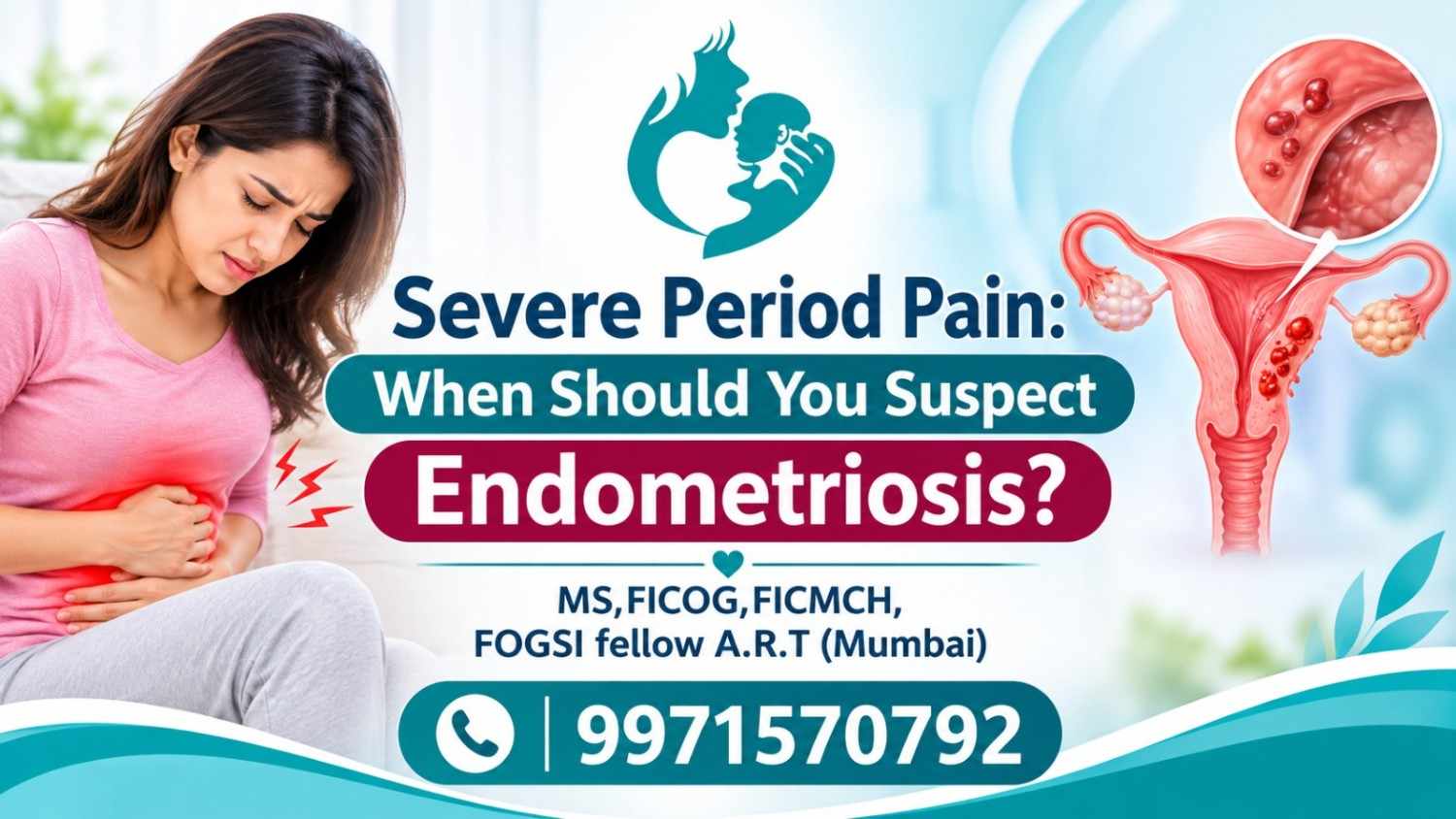
Period cramps are common, but pain that disrupts everyday life should never be ignored. If you experience intense menstrual cramps, persistent pelvic discomfort, or pain that worsens every month, consulting the best endometriosis doctor in South Delhi can help you understand the possible cause. One condition worth investigating is endometriosis, a chronic gynaecological condition that can affect daily activities, emotional well-being, and fertility.
What Is Endometriosis?
Endometriosis occurs when tissue similar to the lining of the uterus grows outside it, commonly around the ovaries, fallopian tubes, and pelvic lining. This tissue can trigger inflammation, pain, and scar tissue formation.
Although painful periods do not always indicate endometriosis, severe or recurring symptoms deserve medical attention, especially when routine pain relief does not provide sufficient comfort.
Warning Signs You Should Not Ignore
Endometriosis symptoms vary from person to person. Some women experience severe menstrual cramps, while others notice discomfort throughout the month.
Common warning signs include:
- Severe period cramps: Pain that interferes with work, studies, sleep, or daily activities.
- Persistent pelvic pain: Discomfort that continues even after menstruation ends.
- Pain during intercourse: Deep pain during or after sexual activity.
- Heavy or irregular bleeding: Periods that are unusually heavy or bleeding between periods.
- Bowel or bladder discomfort: Pain while passing urine or stools, particularly around menstruation.
- Difficulty conceiving: Some women with endometriosis experience fertility challenges.
If these symptoms recur or gradually worsen, schedule a gynaecological consultation rather than assuming the discomfort is simply part of having periods.
Period Pain: What Is Normal and What Needs Attention?
| Symptom | Typical Period Cramps | Possible Endometriosis |
| Pain intensity | Mild to moderate | May be severe and debilitating |
| Duration | Usually a few days | Can occur before, during, or beyond periods |
| Daily activities | Usually manageable | May interfere with normal routines |
| Pain during sex | Not typical | May occur |
| Bowel or bladder pain | Less common | May worsen around menstruation |
These differences are general indicators, not a diagnostic test. Only a qualified healthcare professional can assess your symptoms and recommend appropriate investigations.
How Is Endometriosis Diagnosed and Treated?
Diagnosis generally begins with a discussion of your menstrual history, symptoms, and medical background. Depending on the findings, your doctor may recommend a pelvic examination, ultrasound, or MRI. In some cases, laparoscopy may be needed to confirm the diagnosis or treat endometriosis.
Treatment depends on symptom severity, personal preferences, and pregnancy plans. Options may include pain-relieving medicines, hormonal treatment, and surgery when appropriate. Early evaluation can help you explore suitable options and develop a long-term management plan.
If you are planning a family or have concerns about reproductive health, a pregnancy doctor in South Delhi can also help you discuss preconception care and whether specialist fertility support may be beneficial.
When Should You See a Gynaecologist?
Seek medical advice if period pain repeatedly affects your routine, becomes progressively worse, or does not improve with usual treatment. Sudden, severe pelvic pain, fainting, or unusually heavy bleeding requires urgent medical assessment.
Consulting an experienced gynecologist in South Delhi can help you identify the cause of persistent menstrual pain and understand the next steps. Remember, painful periods should not be something you simply learn to tolerate. Recognising the warning signs and seeking timely care can make a meaningful difference to your quality of life.